


OPEC+ Seven Extend Pause on Oil Quota Increases for November
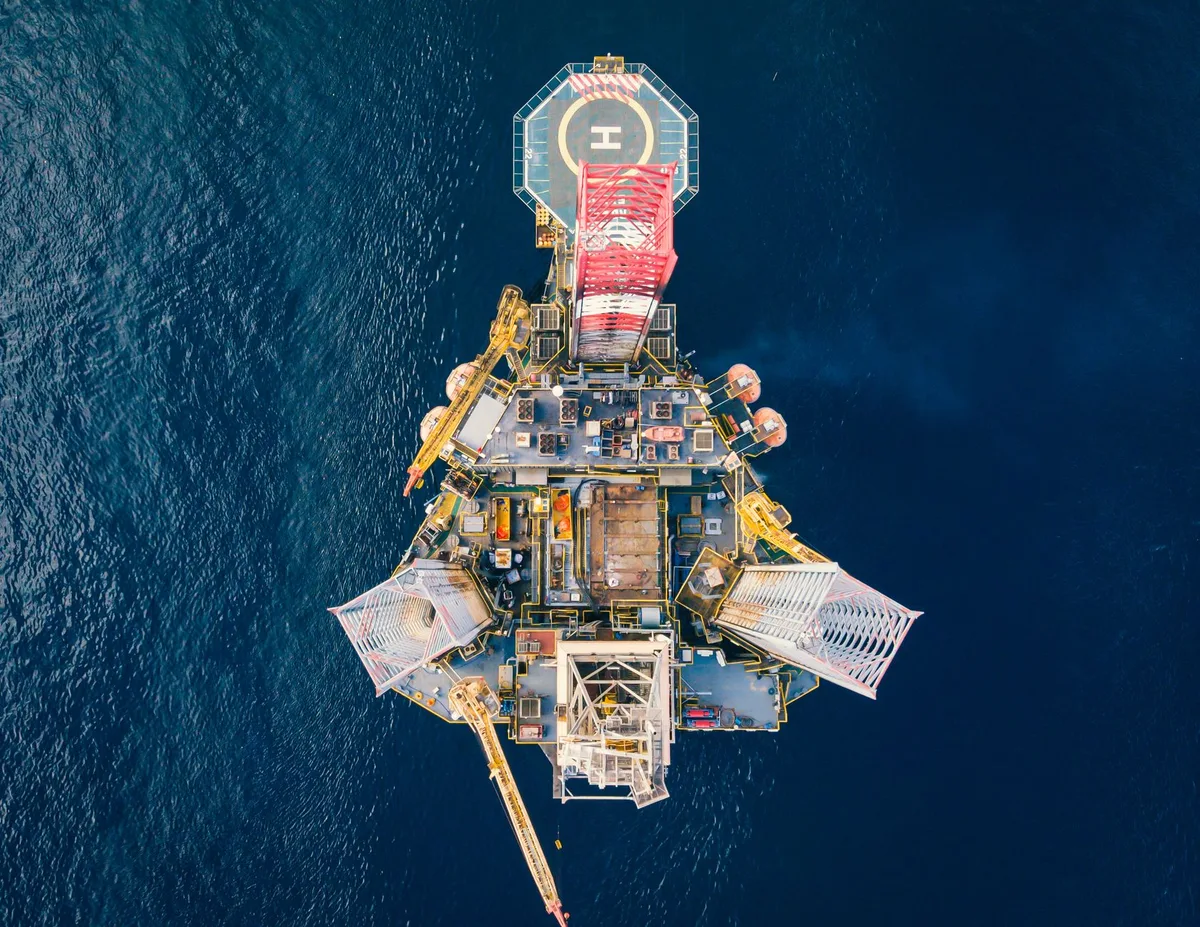
A tanker was fired on again in the Strait of Hormuz on Sunday, October 4, 2026, its captain reported to the British maritime authority UKMTO. The waterway is the only sea passage from the Persian Gulf to the open ocean. Between 2023 and 2025 it carried roughly 20 to 25 percent of the world’s seaborne oil trade and 20 percent of its liquefied natural gas. The channel itself runs about 104 miles and narrows from roughly 60 miles across to as little as 24.
At 1100 GMT that same Sunday, from Saudi Arabia, Russia, Iraq, Kuwait, Algeria, Kazakhstan and Oman joined a single videoconference. The session was one more monthly review of the production quotas that set how much crude each was supposed to pump. Before any official statement left the call, delegates speaking to Reuters and Bloomberg said the seven had already agreed in principle to leave November untouched.
The group sits at the core of OPEC+, the wider alliance of oil exporters that coordinates those paper ceilings. The same seven had paused an increase once already, keeping October at the September required level after their September 6 meeting. Extending that pause into November would keep the formal targets exactly where they stood.
The war that turned those shares into a live risk began on February 28, 2026. Hostilities involving the United States, Israel and Iran left the strait a contested choke point that no longer moved crude on any regular schedule. Exports from the Gulf have become possible only in fits. Every monthly review of the producers’ paper ceilings now sits against that disruption, the numbers on the call measured against hulls that may or may not clear.
The seven carried a combined formal November quota of 31 million barrels a day. A quota is only a ceiling each country agrees to respect; it becomes real supply when the oil can be both pumped and moved to a buyer. What the same seven actually produced in August was 25 million barrels a day. That total had risen by roughly 600,000 to 630,000 barrels from July’s 24.4 million, a modest climb that still left them far beneath the number written on paper.
OPEC stated the outcome in one clean line: “The seven participating countries decided to maintain September 2026 required production for November 2026.” The hold was nearly costless. The ceilings no longer bound the wells. Actual output sat about 5 million barrels a day below the pre-war February 2026 level of 30 million.

Five million barrels a day were simply gone—the missing sixth of what the group had supplied before the war. In the April and May trough, production had fallen as low as roughly 21 million barrels a day. Keeping September’s required volume locked through November altered almost nothing afloat.
Saudi Arabia cut October supply to European term buyers to zero. The Gulf barrels it could still move went toward Asian buyers instead, a redirection tied to damage to its East-West pipeline. That pipeline had normally offered a land route around the Strait of Hormuz. With the bypass impaired, the cargoes that cleared had fewer paths out. Gulf exports have run at only 60 to 80 percent of normal levels in recent months. The shortfall was managed by shifting destinations and whatever alternative routes remained open, not by lifting the formal ceilings.
Bloomberg’s delegates called the hold “in line with an existing road map.” The group frames its own role as “market stability.” This was the second consecutive month of paused quota increases after the September 6 decision that already froze October. The paper targets stayed fixed while the physical barrels followed the buyers who could still take them.
On Friday the Group of Seven announced a release from emergency stocks. One hundred million barrels of crude and diesel would move over the coming months. Brent had already fallen on the anticipation, printing near $98.72 in the session. By the close of trading Friday the price had climbed back around $102.25.
The whole OPEC+ alliance averaged 38.05 million barrels a day in August 2026, a rise of 300,000 barrels a day from July. The climb was real. It still left the shortfall from interrupted Gulf traffic largely intact. Stockpile draws can fill tanks. They cannot restore a route that remains under fire.
Donald Trump says the war will end “very soon” and that prices “are going to come pouring down.” He has also said the war could end “probably right after the midterms.” Mohammad Bagher Ghalibaf, Iran’s Parliament Speaker and chief negotiator, holds the opposite diplomatic line that keeps the strait’s status the lever. Neither statement has reopened the waterway. The seven will reconvene on November 1 to review market conditions.