


Aramco CEO: Stockpile Rebuild May Take Two Years
14 sourcesUpdated Oct 5, 2026
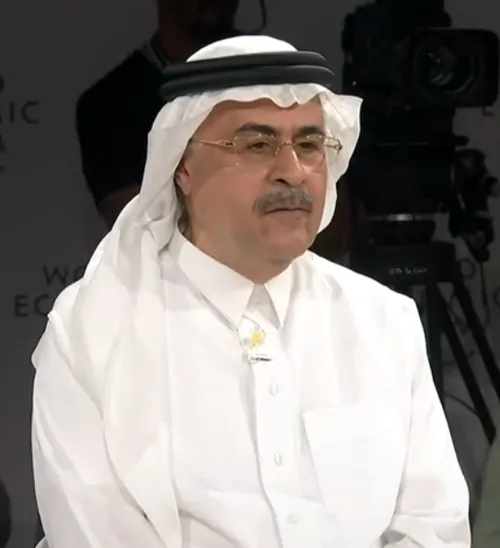
Saudi Aramco CEO Amin Nasser told the Energy Intelligence Forum in London that replenishing global oil inventories could take up to two years. Nearly 3 billion barrels of oil supply have been lost since the conflict began in late February after US-Israeli strikes on Iran, with Iran restricting the Strait of Hormuz, which normally carries about 20% of world oil and LNG supplies. About 1 billion barrels have been released from global stocks. Nasser said refilling inventories would add about 2 million barrels per day of extra demand over 18 months, against global demand just over 100 million barrels per day. G7 governments agreed to release 100 million barrels of diesel and crude from emergency reserves. Nasser said Saudi Arabia's maximum sustainable production capacity of 12 million barrels per day can be made available within days, that roughly 6 billion barrels remain in storage but are not practically available because they are tied up in pipelines or minimum tank operating volumes, and that Brent would have reached $200 a barrel without the East-West pipeline. Brent traded around $102 a barrel on Monday, down from an end-April high of $126; December Brent futures were at $102.20 and November WTI at $90.64. Rated outlets aligned on these figures; no right-rated coverage is in the record.
Where do you stand?
How it spread
What each side asserts, disputes — or leaves out entirely.
Whose framing of this story rings truest to you?
Nasser is probably right on the timeline but recessions could cut demand and ease the pressure sooner than expected.
Losing three billion barrels is a huge hit. This should force more countries to speed up their shift away from oil dependence.
Two years to refill those reserves means oil prices will stay elevated longer than most analysts expect.