


Aramco CEO Warns Global Oil Buffers Thin
18 sourcesUpdated Oct 5, 2026
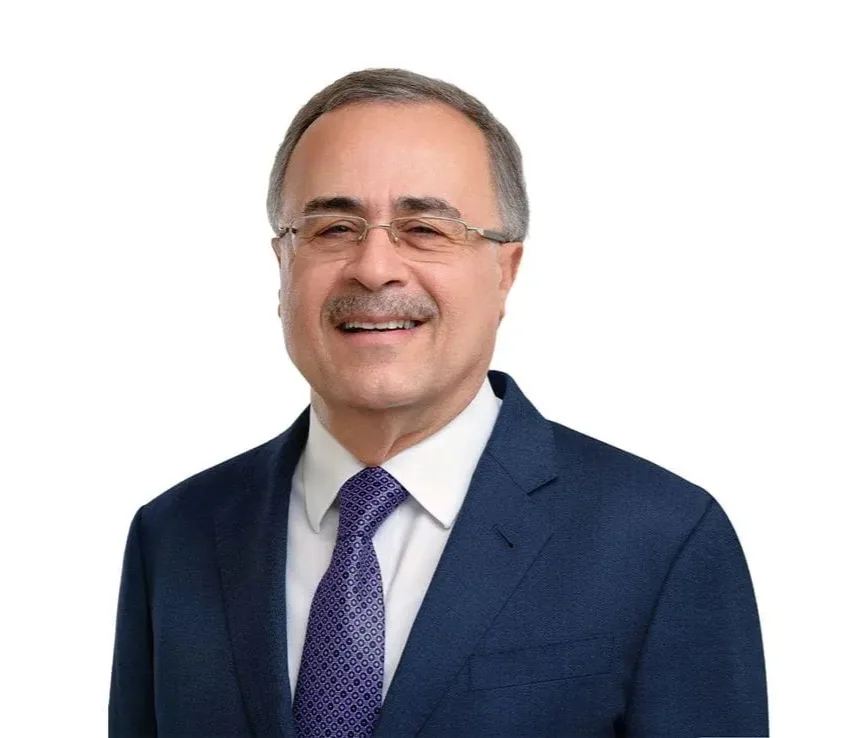
Amin Nasser delivered the career verdict. At the Energy Intelligence Forum in London on Monday, the president and chief executive of Saudi Aramco told energy-sector leaders that the disruption now running through oil markets was “the most serious energy supply shock in my career.”
It was his first public speech since the war began. Oil prices hovered around $102 per barrel, up from around $70 before the Iran war began. Aramco is Saudi Arabia’s majority state-owned national oil company. It holds the world’s largest proven crude reserves, more than 270 billion barrels, and the largest daily production of any oil firm. The executive who runs that system was telling the industry the shock beneath the price had outstripped everything he had managed before.
Seven months of conflict had already rewritten the cost of moving fuel. On Friday the G7 nations, working with the International Energy Agency, announced an emergency release of 100 million barrels of crude oil and fuel from reserves. The move followed a 400-million-barrel pledge announced in March. Of that earlier total, 325 million barrels have now been released. Diesel was still priced at around £2 per litre in the UK on Monday, according to RAC data.

“Existing buffers have cushioned the blow, but they are finite. Emergency reserves might buy us a winter; they cannot fix long-term supply. Until Hormuz fully reopens and confidence returns, the crude reality is that pressure at both ends of the barrel will intensify.”
The Strait of Hormuz, the waterway between the Persian Gulf and the Gulf of Oman and the only sea passage from the Gulf to the open ocean, had carried roughly a quarter of the world’s seaborne oil trade before the conflict. The world entered the crisis holding roughly 10 billion barrels of global oil stocks. Nearly 3 billion barrels of regional supply vanished across the seven months of the US-Israel-Iran war. More than 1 billion barrels were drawn from reserves to blunt that shortfall. Fewer than 6 billion barrels of commercial inventories remained. The vast majority of them were not practically accessible.
Less than 10 percent of those remaining roughly six billion barrels could actually be reached.
“The system is already strained, and with precious little else the world can turn to, the supply resilience cushion is scarily thin,” Nasser said. “Inventory is reaching a stress level. Only 10pc, less than 10pc is available.” The hundred-million-barrel release was the visible answer the market had just been given. “That’s why you find they’re struggling with 100 million barrels.”

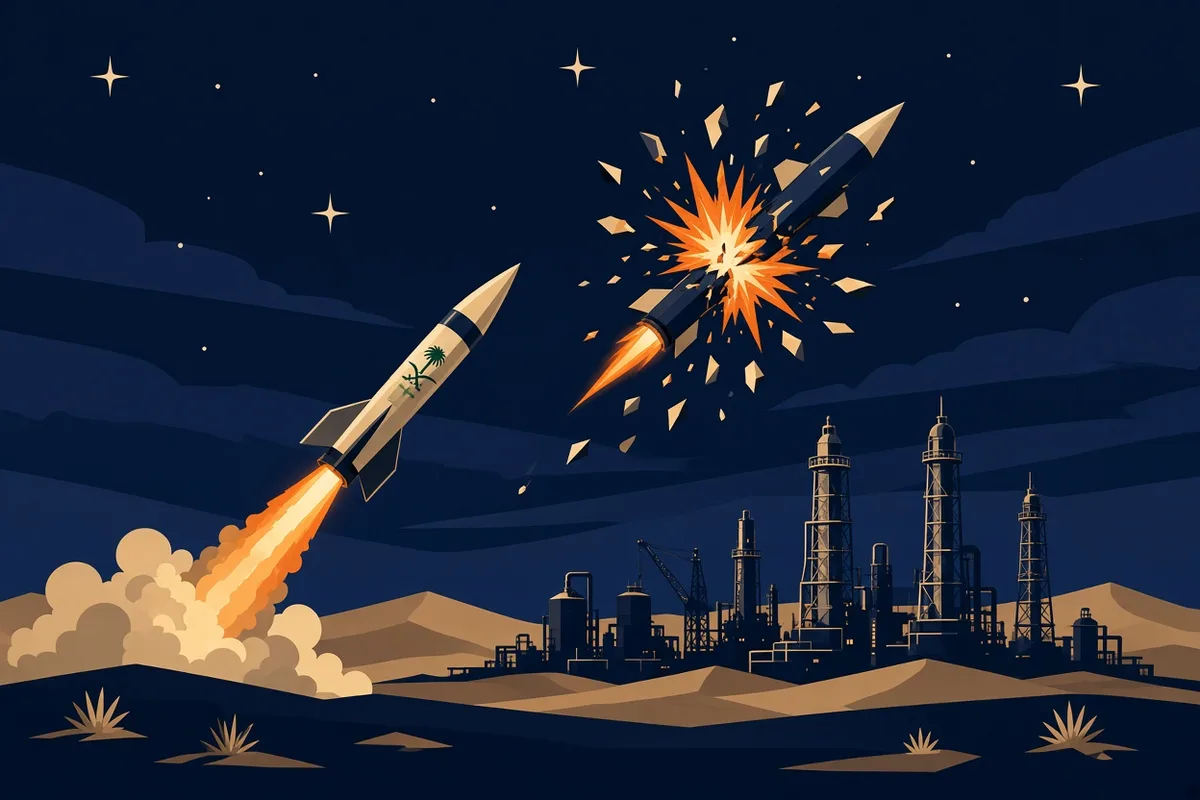
Flames were reported at an Aramco facility south of Riyadh on October 3rd. Iranian proxies in Iraq and Yemen had attacked the company’s pipelines, refineries and ports through the same months the Strait of Hormuz stayed under pressure. Seven months of war had compressed into successive hits on the physical plant of the world’s largest oil producer—the lines that move crude, the refineries that process it, and the ports that load it. Saudi Aramco operates more than a hundred oil and gas fields, among them Ghawar, the world’s largest onshore field, and Safaniya, the world’s largest offshore field. Damage along that chain lands on barrels the market still requires.
Nasser said the open data meant to make infrastructure legible had been turned against it. Satellite imagery and shipping logs were being weaponised for attacks on pipelines, terminals and tankers. “Tools of transparency should not become ammunition for aggression,” he told the London forum.
Three months earlier, when he spoke with second-quarter earnings, the net supply loss stood at about 1.8 billion barrels and he estimated inventories could be rebuilt in eighteen months. The attacks had not paused for that estimate.
Meg O’Neill, chief executive of BP, spoke at the same London conference and named the split among governments. Japan, South Korea and China had answered the crisis with long-term plans. Other nations had not. “I suspect some of the complacent nations will continue to be complacent,” she said.
Nasser turned that split into a demand problem. The rebuild would not stop at the old levels. Capitals and companies were already thinking past simple replacement toward larger cushions against the next shock, and that ambition itself would pull barrels out of open circulation. “You’ll have to rebuild for additional inventories that everybody in the world now is thinking about. Even commercial companies,” he said.
Every extra barrel locked into a deeper stockpile is a barrel the market cannot burn. Governments that stock higher and commercial operators that hold more both raise the floor of required supply at once. The system must feed ordinary consumption and the new inventory targets together. Replenishing inventories while meeting demand could take up to two years, even after the Strait of Hormuz fully reopens. Restored flow would return Gulf crude toward the volumes once treated as ordinary. Those barrels would face two claims at once. Daily consumption at refineries and fuel pumps would still have to be met. The tanks already drawn down would have to be refilled, and the larger stockpiles now forming would have to be filled as well. Both jobs would pull from the same stream.
Last month Gulf shipments rose to 15.5 million barrels a day. That volume was the highest since the war began, and it reached over 80 percent of pre-conflict levels, according to data from the maritime tracking firm Kpler. The shipments have been expensive and the physical market remains tight.
How it spread
The region keeps cutting supply and ordinary people end up paying more at the pump.
Rebuilding stockpiles over two years leaves drivers and businesses exposed to more shocks.
If inventories stay this low any fresh disruption will push prices much higher for months.