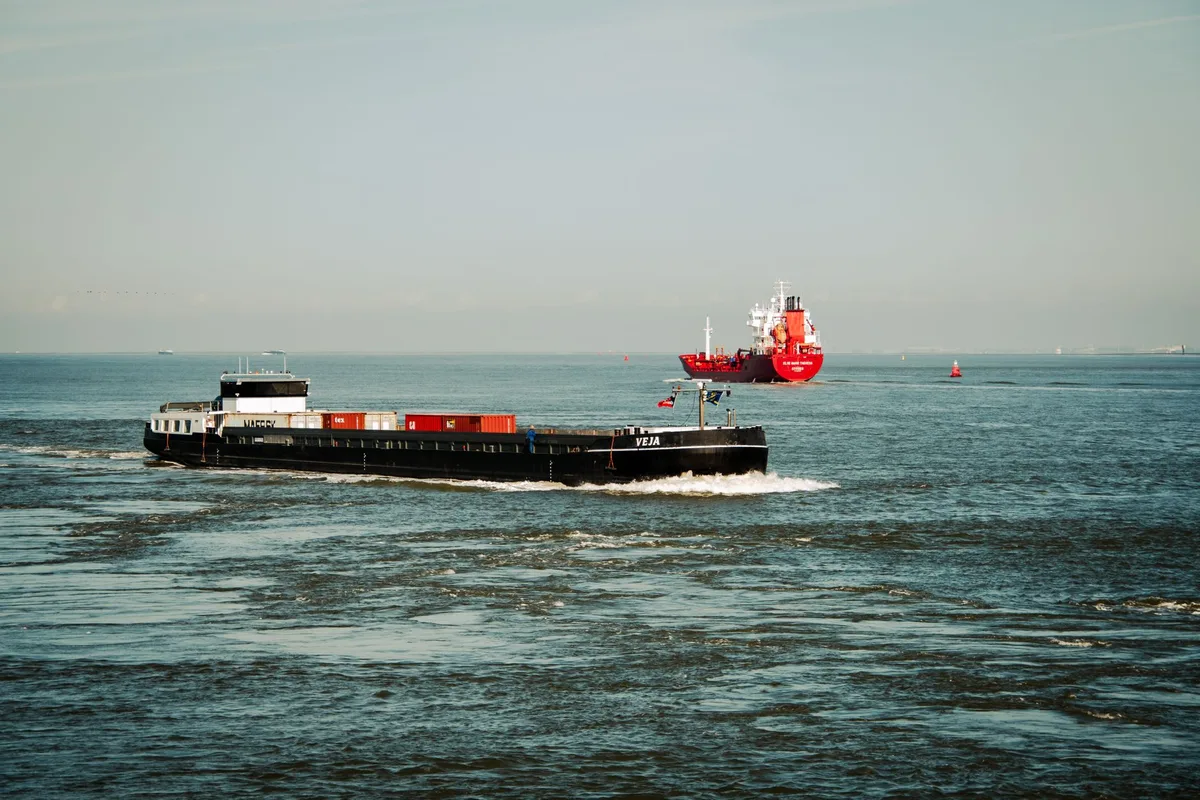


Somali Traders Seek Routes Amid Red Sea Insecurity
8 sourcesUpdated Sep 14, 2026
Mogadishu Seaport received its first direct shipment of sugar from Sri Lanka after Somali traders began seeking alternatives to traditional routes through the United Arab Emirates, Oman and Saudi Arabia. Mohamed Ali Nur, the port director, said the latest tensions in the Bab al-Mandab Strait and the Strait of Hormuz have negatively impacted them, but they have also taken measures to avoid that disruption. He described the Sri Lanka shipment as a strategy developed because of these tensions. Cargo ships continue unloading food and other commodities, and Somalia is heavily dependent on maritime trade for everyday goods. The changes follow Houthis seizing a key port city and an island. Yemen’s internationally recognized government and Saudi Arabia have fought the Houthis for 12 years; a ceasefire that had largely halted the civil war since 2022 has ended. On Sunday the International Organization for Migration reported more than 85,000 people displaced in Yemen since the start of the month and more than 2,000 reaching Djibouti, which borders Somalia. Captain Ali Jemdi said there is some trouble over there because of the war and that the Bab el-Mandeb may also have some issues for the vessel. Contested: none found in the record. The wire summary notes longer routes could still raise prices and that direct routes may expose shipping to added security risks, including piracy concerns in Somali waters.
Where do you stand?
How it spread
What each side asserts, disputes — or leaves out entirely.
Whose framing of this story rings truest to you?
Center· 0 sources
No center coverage yet — a bubble gap.
Right· 3 sources
“Somali Traders Seek Routes Amid Red Sea Insecurity”Free account · your comment posts right after signup
Finding longer routes might raise costs for Somali businesses but avoiding the Gulf instability is probably the safer choice right now.
The news about 85,000 displaced in Yemen shows how these tensions hurt civilians long before they disrupt trade.
Somali traders bringing sugar straight from Sri Lanka makes sense when Red Sea routes turn too dangerous for regular shipping.