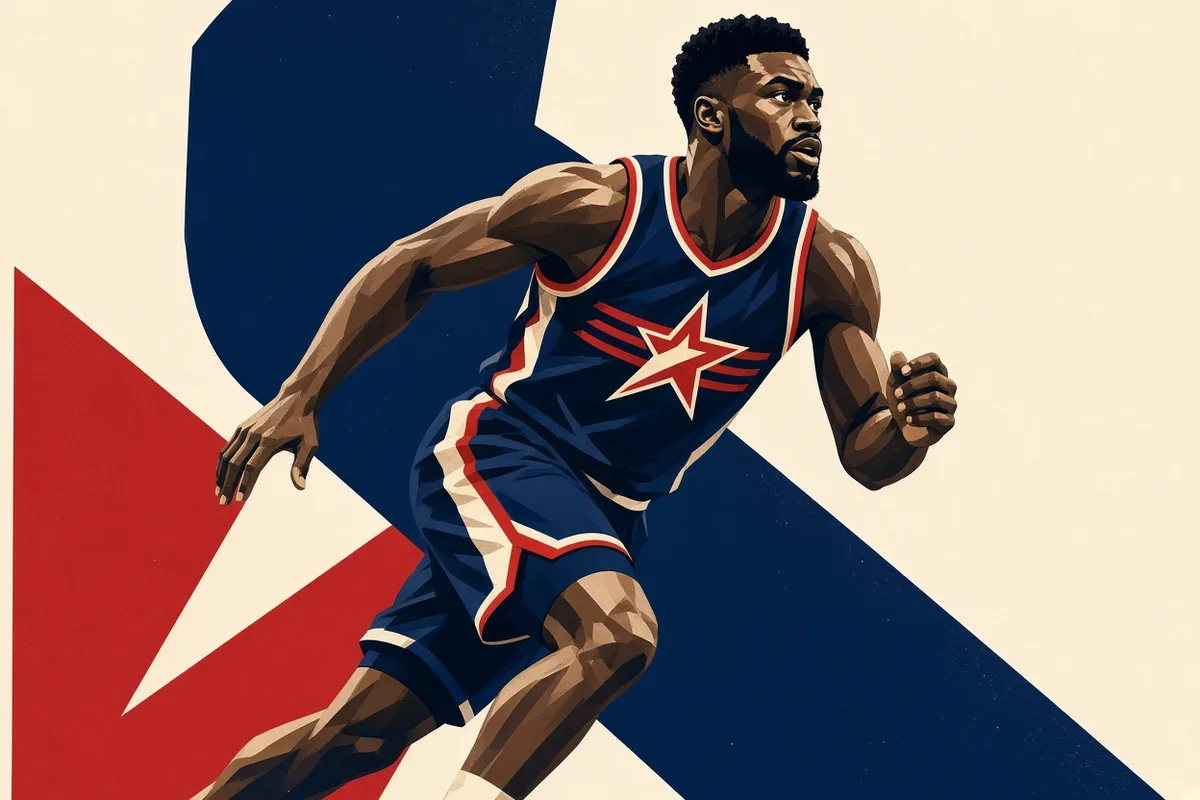



Valkyries reach $100M, first women's team
The Golden State Valkyries generated $100 million in annual revenue in 2026. They became the first women’s professional sports team to reach that mark.
The figure rose from a first season that had already rewritten the ledger. In 2025, their inaugural year, the franchise took in $78 million — then a women’s sports record, and 48 percent more than the second-ranked Indiana Fever. Between those seasons the club increased headcount by 40 percent and doubled its marketing department, treating the early surge as a floor rather than a peak.
“Last year wasn’t a movie premiere. It was really step one,” Valkyries president Jess Smith said in a video interview. “We kept our foot on the gas as if we were continuing to build in year one, and put a strategy forth to make sure that we were living up to the potential that the market was showing us.”
On Sunday at Chase Center, staff passed out violet T-shirts ahead of Game 1 against the Las Vegas Aces. The Valkyries beat the Aces 71-60 and went up 1-0 in the best-of-five semifinal series. Golden State had won all three of its playoff games so far at Chase Center, in a building the crowds call Ballhalla. a franchise that had packed the arena for 47 consecutive home games in a venue that holds 18,064.
The sellout run held through the full regular season. All 22 home games in 2026 sold out. Season-ticket sales were cut off above 12,000 holders. Courtside seats went for $1,500 a game.
That demand was not borrowed from the NBA club next door. Smith had persuaded Joe Lacob to abandon a blue-and-gold scheme that would have matched the Warriors and to give the Valkyries a brand of their own. The choice shaped how the franchise spoke to the people filling the seats. “What we know about our fan base in women’s sports, and specifically around the Valkyries, is they want us to be really good stewards,” Smith told the San Francisco Standard earlier this year. “They want us to be powerful and unapologetic.”
The market answered on those terms, night after night, and the commercial side kept scaling to meet it. The strategy depended on who had bought the team, who had been hired to run it, and which partners had signed on beside them.
Joe Lacob and Peter Guber paid a $50 million expansion fee in 2023 for the first WNBA franchise added since the Atlanta Dream began play in 2008. The Valkyries shared ownership and infrastructure with the Golden State Warriors under the same group, drawing on that apparatus while building a commercial operation of their own. More than 40 sponsorship partners signed on, among them JPMorgan Chase, Kaiser Permanente, Olly, Rakuten, Sephora, United Airlines, Athleta and Iren.
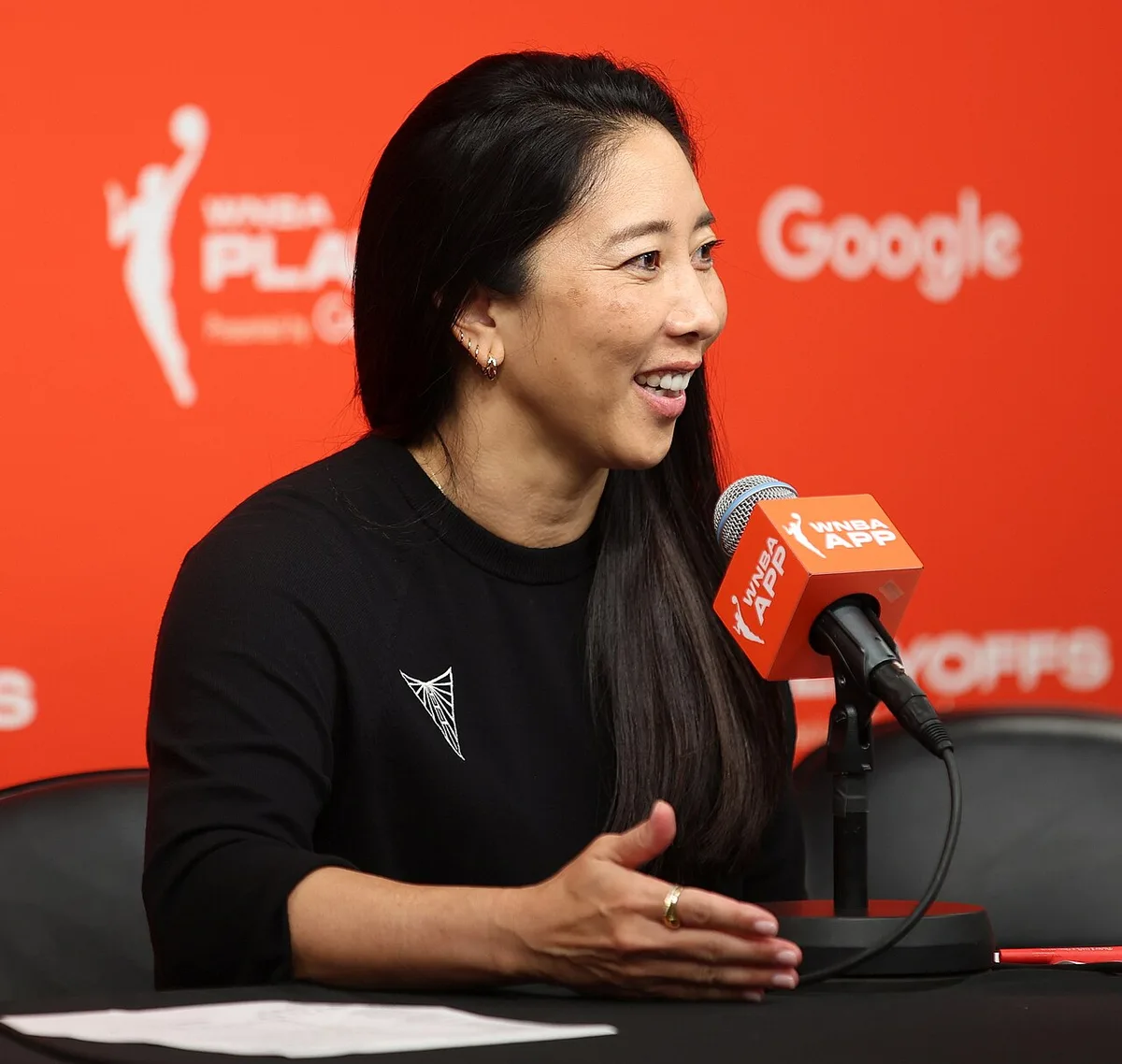
The leverage sat in the people placed at the top. Jess Smith was the first hire, after two-and-a-half years running commercial business at Angel City FC. Ohemaa Nyanin came from the Liberty as the franchise’s first general manager and hired Natalie Nakase to coach; Nakase was the runaway winner of the WNBA Coach of the Year award in 2025.
“Joe [Lacob] always talks about this. The key is to hire the best people and let them do their jobs,” Brandon Schneider, president of the Golden State parent company, said. “I think between Jess, Ohemaa and Natalie, we hired the perfect triumvirate to lead that franchise.”
What that structure returned on paper no longer tracked with the price paid three years earlier. Sportico valued the Valkyries at $850 million in its 2026 WNBA franchise rankings, a 1,600 percent increase from the expansion fee. CNBC had put the same club at $1 billion earlier in 2026, the highest figure yet attached to any women’s sports franchise.
The owner who had written the check rejected the frame those numbers invited. “We’re put at the average multiple of everyone,” Lacob said, “but we aren’t the average team.”
How much higher the figure could still climb rested on nights that had not yet been played. A run to the WNBA Finals could push gross revenue past $130 million, before the league took its cut of playoff gate receipts. The projection tracked the same levers that had already lifted the regular season: merchandise moving with each win, single-game tickets, and full buildings buying food and beverage. Nothing in the number was locked. It required the postseason to keep going.
Wednesday night at Chase Center was the next gate. The Valkyries prepared to host Game 2 of the semifinal series against the defending champion Las Vegas Aces, still up 1-0 and looking to go up 2-0 at home.