Outages Spur Concerns Over Infrastructure Resilience
60 sourcesUpdated Nov 21, 20261 min read
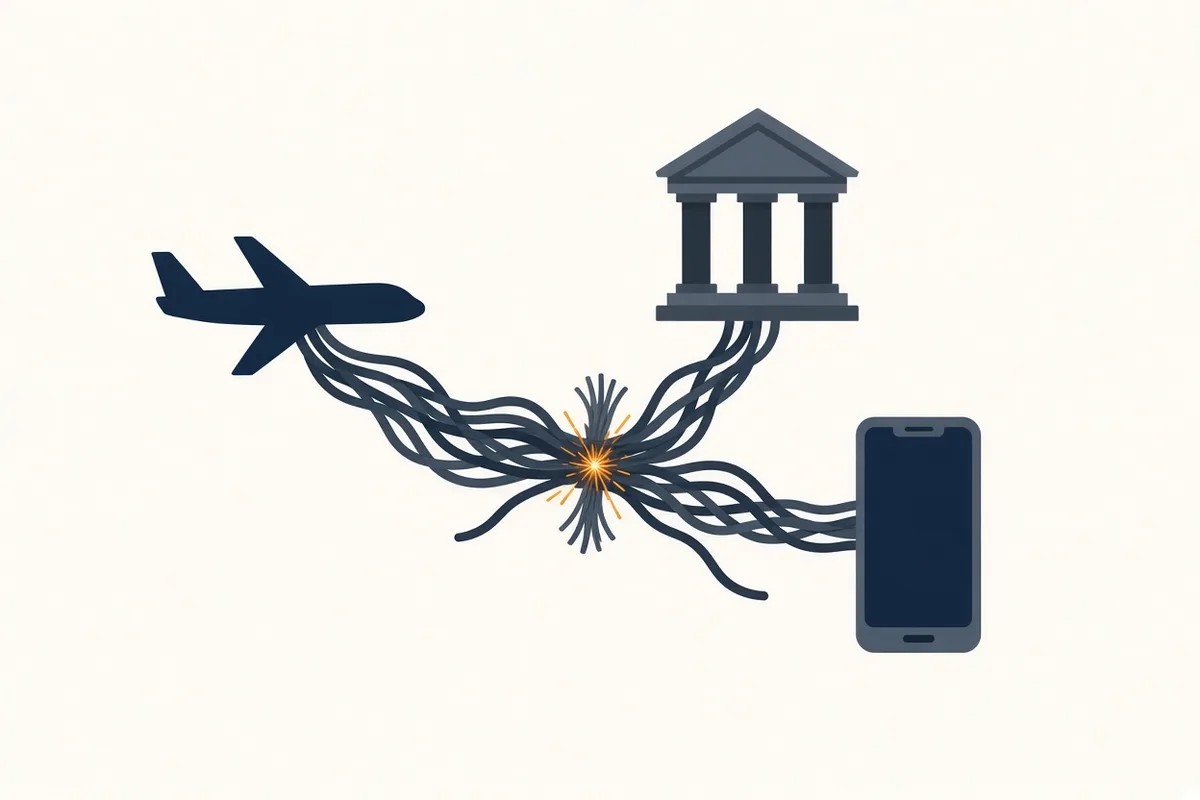
A wave of outages affecting banks, airlines, Microsoft, government agencies and a classified U.S. intelligence network disrupted services over the past week, with officials finding no evidence of a coordinated cyberattack or common hostile actor. AI-assisted vulnerability discovery and rushed software fixes may have contributed to some failures, but investigators have not linked every outage to that process and several causes remain unclear; aging, complex infrastructure may also be a factor. Microsoft CEO Satya Nadella said a latent bug and inadequate testing contributed to Microsoft 365’s outage, and warned that faster patching can make systems more fragile. The incidents have raised concerns about organizations’ ability to manage AI-driven security work, amid criticism that staffing and budget cuts have weakened CISA; the agency is beginning resilience discussions with about 100 critical-infrastructure companies. Separately, researchers found information-stealing code on websites using the Optimizely platform, though its presence does not establish that users’ data was taken. Experts advise organizations to prepare to maintain essential services and recover from disruptions, and consumers to have offline contingency plans.
How it spread
What each side asserts, disputes — or leaves out entirely.
Whose framing of this story rings truest to you?
Pushing the largest firms to build recovery plans is overdue, but it needs to extend quickly to every layer of these connected networks.
Routine failures probably explain most of this rather than cyberattacks, which means basic maintenance upgrades would help more than new regulations.
These outages highlight how one glitch can ripple across airlines and banks, so companies must prioritize redundant systems over cost-cutting.