Reputation and legacy
According to film historian Stephen Bowles, Lumet succeeded in becoming a leading drama filmmaker partly because "his most important criterion [when directing] is not whether the actions of his protagonists are right or wrong, but whether their actions are genuine". And where those actions are "justified by the individual's conscience, this gives his heroes uncommon strength and courage to endure the pressures, abuses, and injustices of others". His films have thereby continually given us the "quintessential hero acting in defiance of peer group authority and asserting his own code of moral values".
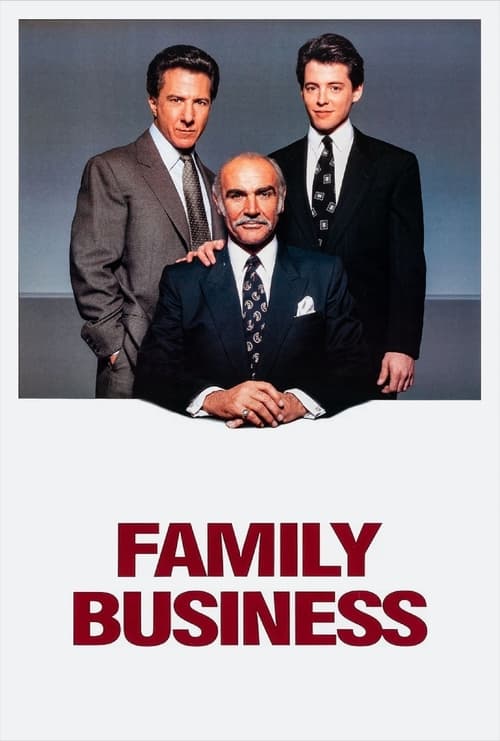
According to The Encyclopedia of Hollywood, Lumet was one of the most prolific filmmakers of the modern era, directing, on average, more than one movie a year since his directorial debut in 1957. Turner Classic Movies notes his "strong direction of actors", "vigorous storytelling" and the "social realism" in his best work. Chicago Sun-Times film critic Roger Ebert described him as "one of the finest craftsmen and warmest humanitarians among all film directors". Lumet was also known as an "actor's director", having worked with the best of them during his career, probably more than "any other director". Sean Connery, who acted in five of his films, considered him one of his favorite directors, and one who had that "vision thing".
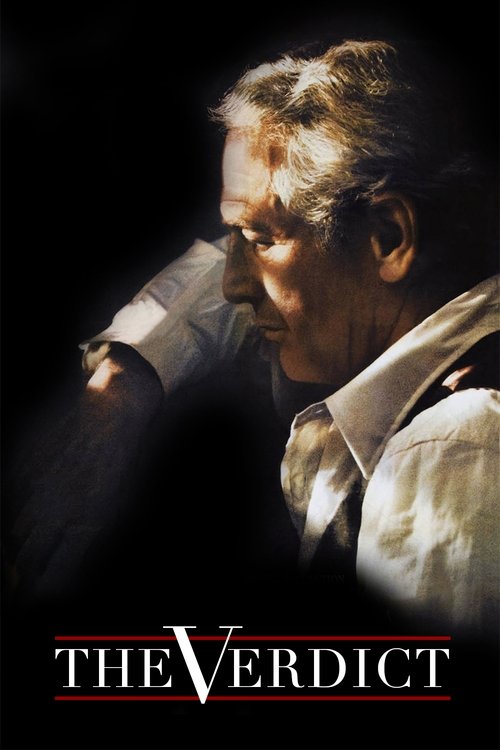
Lumet's published memoir about his life in film, Making Movies (1996), is "extremely lighthearted and infectious in its enthusiasm for the craft of moviemaking itself", writes Bowles, "and is in marked contrast to the tone and style of most of his films. Perhaps Lumet's signature as a director is his work with actors – and his exceptional ability to draw high-quality, sometimes extraordinary performances from even the most unexpected quarters." Jake Coyle, a writer for the Associated Press, agreed: "While Lumet has for years gone relatively underappreciated, actors have consistently turned in some of their most memorable performances under his stewardship. From Katharine Hepburn to Faye Dunaway, Henry Fonda to Paul Newman, Lumet is known as an actor's director," and to some, like Ali MacGraw, he was considered "every actor's dream".
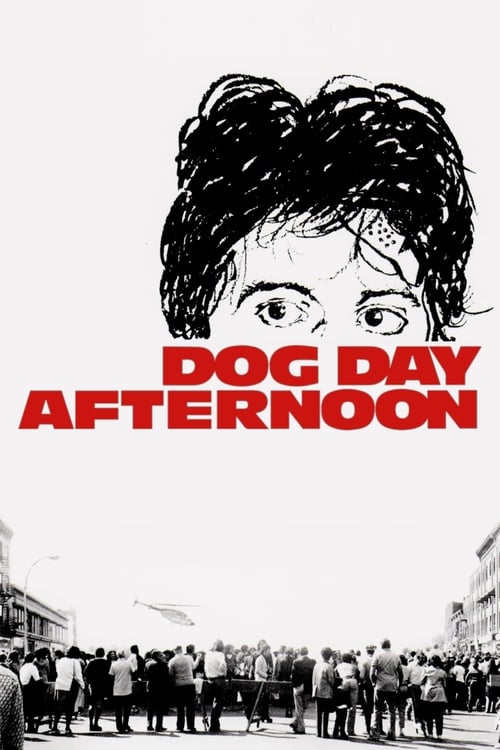
In the belief that Lumet's "compelling stories and unforgettable performances were his strong suit", director and producer Steven Spielberg described Lumet as "one of the greatest directors in the long history of film". Al Pacino, on hearing of Lumet's death, stated that with his films, "He leaves a great legacy, but more than that, to the people close to him, he will remain the most civilized of humans and the kindest man I have ever known." Boston Herald writer James Verniere observed that "at a time when the American film industry is intent on seeing how low it can go, Sidney Lumet remains a master of the morally complex American drama". Following his death, fellow New York directors Woody Allen and Martin Scorsese both paid tribute to Lumet. Allen called him the "quintessential New York film-maker", while Scorsese said that "our vision of the city has been enhanced and deepened by classics like Serpico, Dog Day Afternoon and, above all, the remarkable Prince of the City". Lumet also drew praise from New York mayor Michael Bloomberg, who called him "one of the great chroniclers of our city".
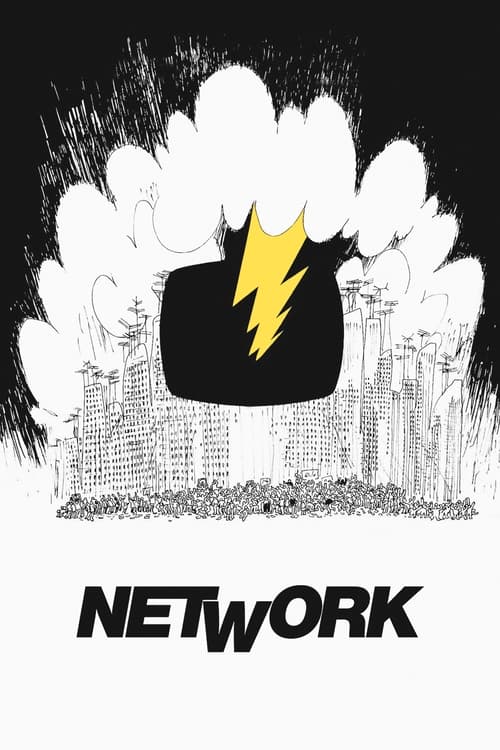
He did not win an individual Academy Award, although he did receive an Academy Honorary Award in 2005, and 14 of his films were nominated for various Oscars, such as Network, which was nominated for 10, winning 4. In 2005, Lumet received an Academy Award for Lifetime Achievement for his "brilliant services to screenwriters, performers, and the art of the motion picture".
A few months after Lumet's death in April 2011, TV commentator Lawrence O'Donnell aired a tribute to Lumet, and a retrospective celebration of his work was held at New York's Lincoln Center, with the appearance of numerous speakers and film stars. In October 2011, the organization Human Rights First inaugurated its "Sidney Lumet Award for Integrity in Entertainment" for the TV show The Good Wife, along with giving awards to two Middle East activists who had worked for freedom and democracy. Lumet had worked with Human Rights First on a media project related to the depiction of torture and interrogation on television.