Critical reception
On the review aggregator website Rotten Tomatoes, 38% of 116 critics' reviews are positive. The website's consensus reads: "The Wiz is a workmanlike movie musical that lacks the electricity of the stage version and its cinematic inspiration, despite some committed performances from its all-star cast." Metacritic, which uses a weighted average, assigned the film a score of 53 out of 100, based on 11 critics, indicating "mixed or average" reviews.
Initial trade reviews for The Wiz from previews at Loew's State 2 in New York City were positive. Variety wrote that Universal had a "big, rousing, juicy hit on its hands that should enthrall the young in heart" and that the "cast is virtually flawless". It noted that the preview audience "roared, stomped, applauded" their approval of all the numbers. It also believed that it was the loudest film ever made. The overflowing crowd at the preview required a second showing.
Most professional critics published negative reviews for The Wiz upon its release.
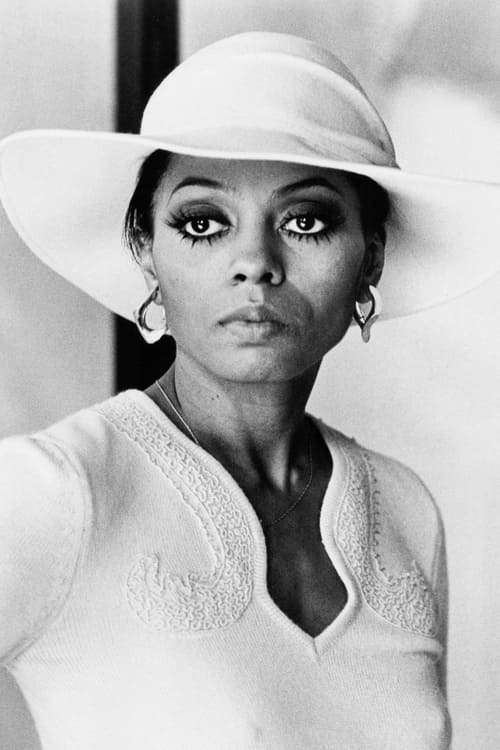
Many reviewers directed their criticism at Diana Ross; who, at 33 years old at the time of filming, was considered to be too old to play Dorothy. The Grove Book of Hollywood noted that "the picture finished off Diana Ross's screen career", for the film is Ross's final theatrical feature and her subsequent films premiered on television.
Hischak's Through the Screen Door: What Happened to the Broadway Musical When It Went to Hollywood criticized "Joel Schumacher's cockamamy screenplay", and called "Believe in Yourself" the score's weakest song. He described Diana Ross's portrayal of Dorothy as "cold, neurotic and oddly unattractive".
Leonard Maltin observed how The Wiz has “good musical numbers” and a “fine supporting cast,” but the movie was undermined by a “dreary finale” and “drearier performance” by Ross.
In his work History of the American Cinema, Harpole characterized the film as "one of the decade's biggest failures" and "the year's biggest musical flop".
In his 2004 book Blockbuster, Tom Shone referred to The Wiz as "expensive crud". In the book Mr. and Mrs. Hollywood, the author criticized the script, noting, "The Wiz was too scary for children, and too silly for adults." Ray Bolger, who played the Scarecrow in the 1939 film The Wizard of Oz, did not think highly of The Wiz, stating, "The Wiz is overblown and will never have the universal appeal that the classic MGM musical has obtained."
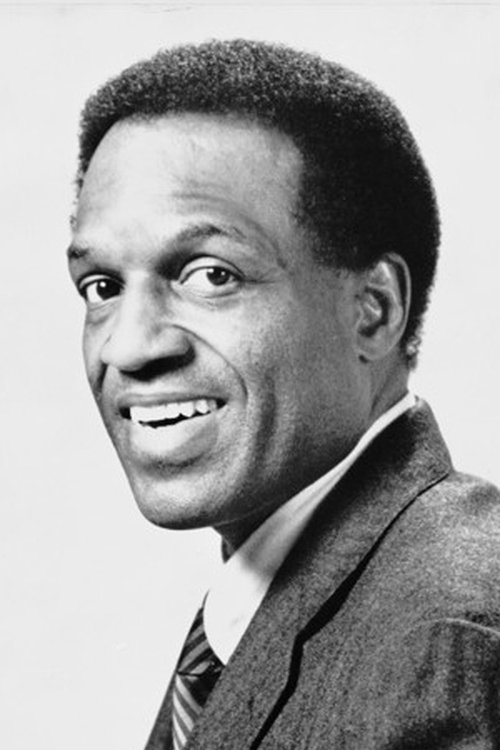
While Ross was largely the target of much criticism in The Wiz, some critics noticed a contrast in the music given to Ross (Dorothy) and the music given to her cast mates. John Skow of Time described the Tin Man's music as the "best characterization of the film". He also characterized Evelline's as a "menacing hard-rocker" and The Scarecrow's as a "piteous lament". Contrastingly, he describes Dorothy's music as dull ballads.
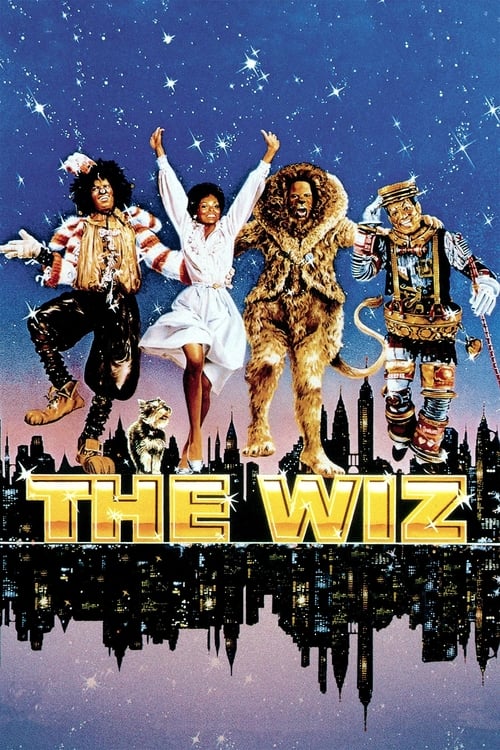
The decision to hire Sidney Lumet, a dramatic filmmaker without any prior experience with directing musicals, was criticized, with many critics believing his style was unsuited to the material or genre. The cinematography and production design, which replaced the fantastical Oz settings of the stage version with gritty urban cityscapes, were likewise criticized. While some critics described The Wiz as "dark, washed out, and boring", Lumet might have done this to reflect the urban setting and serious themes being presented. Critics also questioned the decision to cut large portions of the original score, in some cases substituting original compositions regarded as inferior.
Positive reviews included Charles Ryweck of The Hollywood Reporter who called it "truly film magic", and Stephen Traiman of Billboard who declared: "The Wiz is a wow!"Gene Siskel of the Chicago Tribune and Roger Ebert of the Chicago Sun-Times also gave the film some of its most best reviews on the syndicated TV show Sneak Previews. Siskel called it "superior musical theater", said that Diana Ross was "superb", "terrific" and came across as "a real star", but he had reservations about the film's "heavy message". Ebert praised other cast members and numerous technical aspects of the film, saying that it was "fun" and in the "great tradition of the American musical". Ebert's print review in The Chicago Sun Times gave the film 3 stars out of a possible 4, describing The Wiz as filled with "great moments and a lot of life, sensational special effects and costumes" and good performances from the main cast apart from Ted Ross, who "sort of disappears into his lion’s costume" and was difficult for viewers to connect with. Despite the overall positive review, Ebert felt the film was less engaging than The Wizard of Oz because some of the songs were too saccharine and "'The Wiz' has just a touch too much calculation" in trying to appeal to a broad audience rather than simply telling the story.
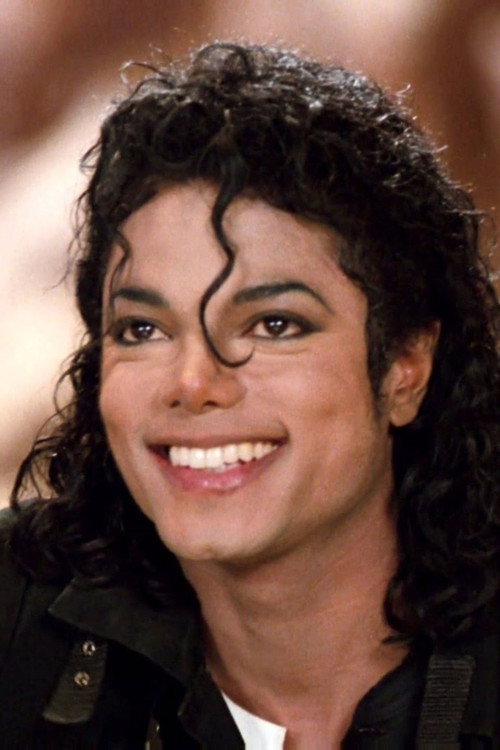
Jackson's performance as the Scarecrow was one of the few universally praised elements, with critics saying he possessed "genuine acting talent" and "provided the only genuinely memorable moments", while Ebert said Jackson "fills the role with humor and warmth". Of the results of the film, Jackson stated, "I don't think it could have been any better, I really don't." In 1980, Jackson stated his time working on The Wiz was "my greatest experience so far... I'll never forget that."
The film received another positive critique for its elaborate set design in the book American Jewish Filmmakers, which noted that it "features some of the most imaginative adaptations of New York locales since the glory days of the Astaire-Rogers films."
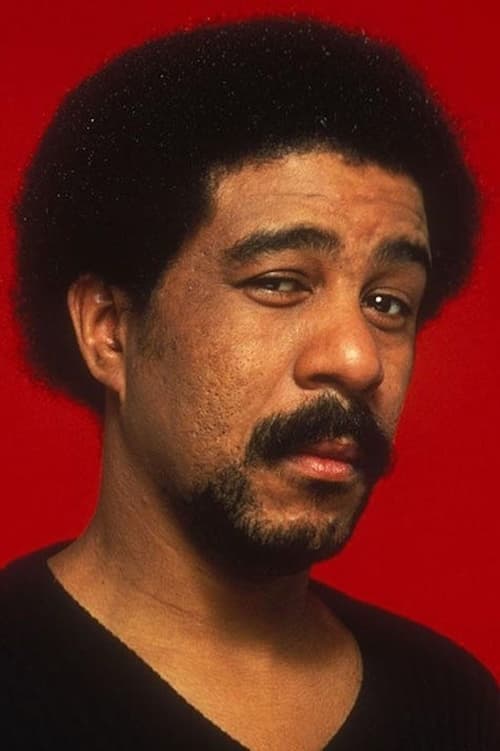
In a 2004 review of the film, Christopher Null wrote positively of Ted Ross's and Richard Pryor's performances. However, Null's overall review of the film was critical, and he wrote that, other than the song "Ease On down the Road", "the rest is an acid trip of bad dancing, garish sets, and a Joel Schumacher-scripted mess that runs 135 agonizing minutes."
A 2005 piece by Hank Stuever in The Washington Post described the film as "a rather appreciable delight, even when it's a mess", and felt that the singing—especially Diana Ross's—was "a marvel".
The New York Times analyzed the film within a discussion of the genre of blaxploitation: "As the audience for blaxploitation dwindled, it seemed as if Car Wash and The Wiz might be the last gasp of what had been a steadily expanding black presence in mainstream filmmaking."
The St. Petersburg Times noted, "Of course, it only took one flop like The Wiz (1978) to give Hollywood an excuse to retreat to safer (i.e., whiter) creative ground until John Singleton and Spike Lee came along. Yet, without blaxploitation there might not have been another generation of black filmmakers, no Denzel Washington or Angela Bassett, or they might have taken longer to emerge."
The Boston Globe commented, "The term 'black film' should be struck from the critical vocabulary. To appreciate just how outmoded, deceptive and limiting it is, consider the following, all of which have been described as black films," and included The Wiz in a list of disparate genre films as Shaft (1971), Blacula (1972) and Super Fly (1972).
Despite its lack of critical or commercial success from its original release, The Wiz became a cult classic, especially because it features Michael Jackson in his first starring theatrical film role.