

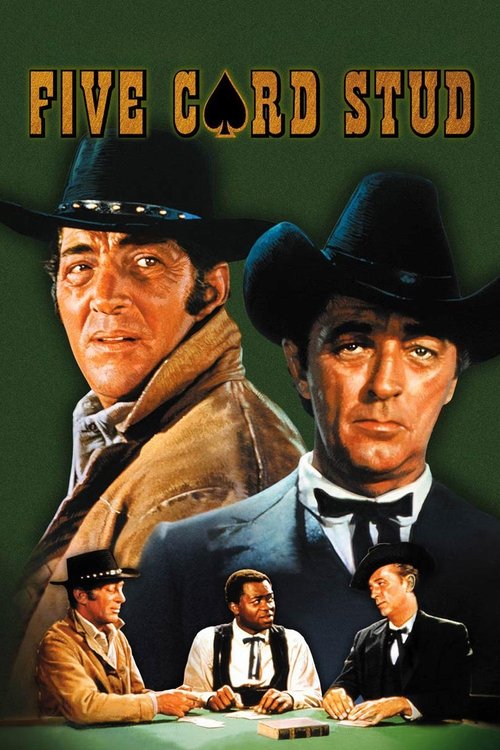
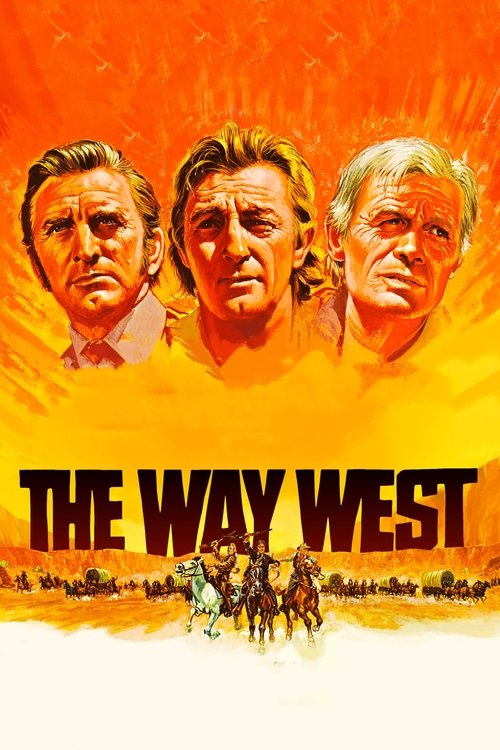
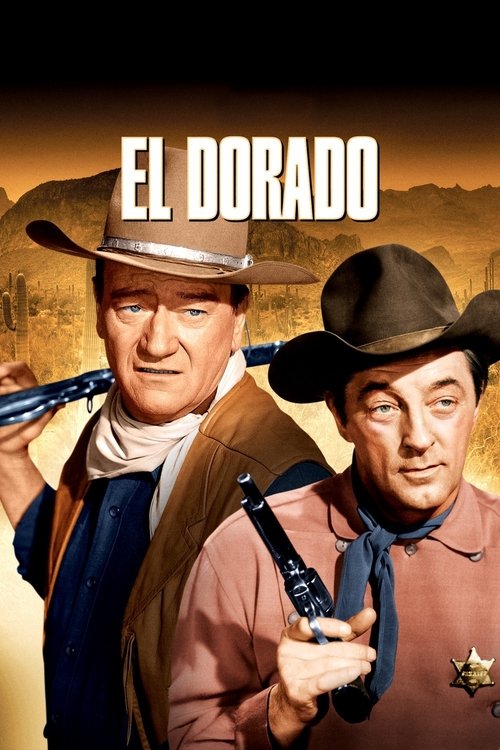
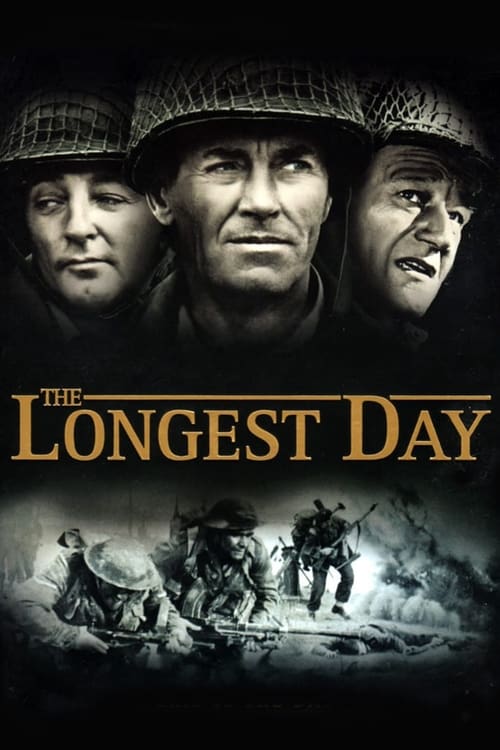
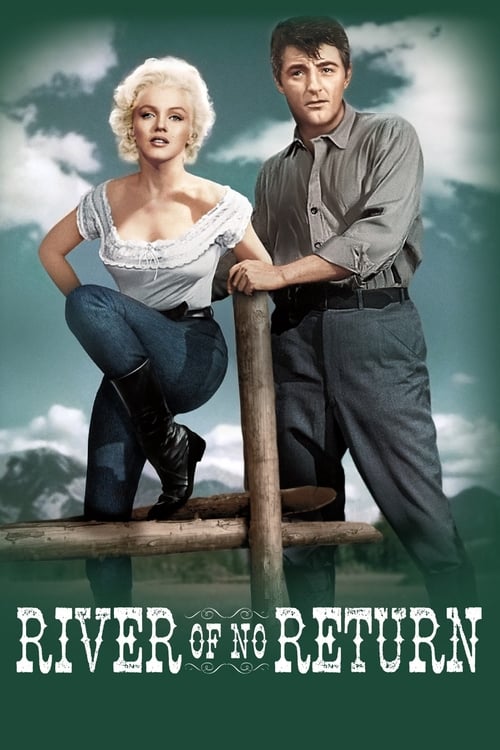
Robert Charles Durman Mitchum (August 6, 1917 – July 1, 1997) was an American actor and singer. He is known for his antihero roles and film noir appearances. He received nominations for an Academy Award and a BAFTA Award. He received a star on the Hollywood Walk of Fame in 1984 and the Golden Globe Cecil B. DeMille Award in 1992. Mitchum is rated number 23 on the American Film Institute's list of the greatest male stars of classic American cinema.
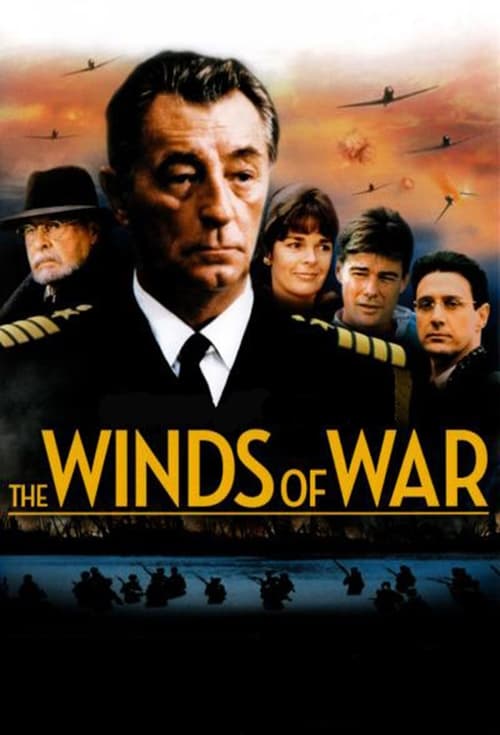
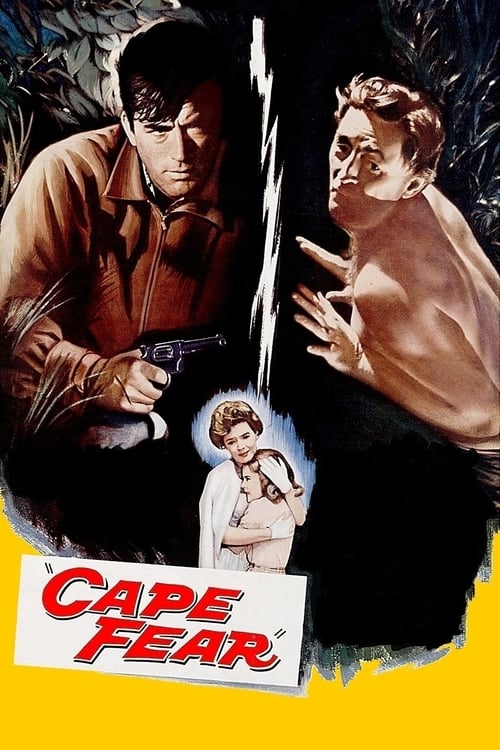
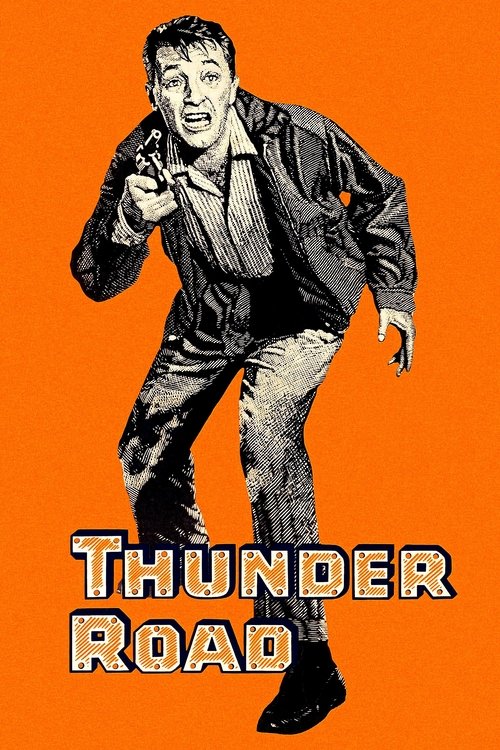
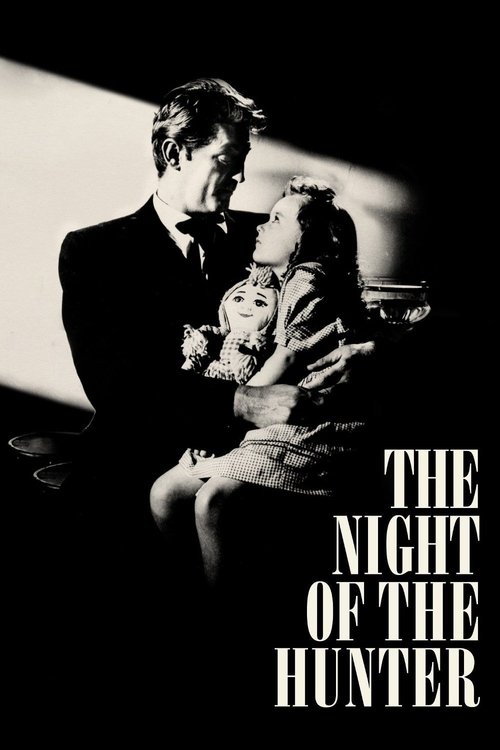
Mitchum rose to prominence with an Academy Award nomination for the Best Supporting Actor for The Story of G.I. Joe (1945). His best-known films include Out of the Past (1947), Angel Face (1953), River of No Return (1954), The Night of the Hunter (1955), Heaven Knows, Mr. Allison (1957), Thunder Road (1958), The Sundowners (1960), Cape Fear (1962), El Dorado (1966), Ryan's Daughter (1970), The Friends of Eddie Coyle (1973), and Farewell, My Lovely (1975). He is also known for his television role as U.S. Navy Captain Victor "Pug" Henry in the epic miniseries The Winds of War (1983) and its sequel War and Remembrance (1988–1989).
Film critic Roger Ebert called Mitchum his favorite movie star and the soul of film noir: "With his deep, laconic voice and his long face and those famous weary eyes, he was the kind of guy you'd picture in a saloon at closing time, waiting for someone to walk in through the door and break his heart." David Thomson wrote: "Since the war, no American actor has made more first-class films, in so many different moods."
Contents
Early life
Robert Charles Durman Mitchum was born in Bridgeport, Connecticut, on August 6, 1917, into a Methodist family of Scots-Irish, Native American, and Norwegian descent. His father, James Thomas Mitchum, a shipyard and railroad worker, was of Scots-Irish and Native American descent, and his mother, Ann Harriet Gunderson, was a Norwegian immigrant and sea captain's daughter. His older sister, Annette (known as Julie Mitchum during her acting career), was born in 1914. James was crushed to death in a railyard accident in Charleston, South Carolina, in February 1919. Ann was pregnant at the time, and was awarded a government pension. She returned to Connecticut after staying for some time in her husband's hometown of Lane, South Carolina. Her third child, John, was born in September 1919.
When all of the children were old enough to attend school, Ann found employment as a linotype operator for the Bridgeport Post. She married Lieutenant Hugh "The Major" Cunningham Morris, a former Royal Naval Reserve officer. They had a daughter, Carol Morris, born c. 1928 on the family farm in Delaware.
As a child, Mitchum was known as a prankster, often involved in fistfights and mischief. In 1926, his mother sent him and his younger brother to live with her parents on a farm near Woodside, Delaware. He attended Felton High School, where he was expelled for mischief. During his years at the Felton school, he ran away from home for the first time at age 11.
In 1929, Mitchum and his younger brother were sent to Philadelphia to live with their older sister, Julie, who had started her career as a performer in vaudeville acts on the East Coast. The following year, he and the rest of the family moved to New York City with Julie, sharing an apartment in Manhattan's Hell's Kitchen with her and her husband. Mitchum attended Haaren High School but was eventually expelled.
Mitchum left home at age 14 and traveled throughout the country, hopping freight cars and taking a number of jobs, including ditch digging, fruit picking, and dishwashing. In the summer of 1933, he was arrested for vagrancy in Savannah, Georgia and put in a local chain gang. By Mitchum's account, he escaped and hitchhiked to Rising Sun, Delaware, where his family had moved. That fall, at age 16, while recovering from injuries that nearly cost him a leg, he met 14-year-old Dorothy Spence, whom he would later marry.
Acting career
Getting established
By 1937, Mitchum had settled in Long Beach, California. His older sister, Julie, tried to return to show business and became a member of the Players Guild, a local theater group. Often accompanying her home after her rehearsals, he took an interest in the group's productions and became acquainted with her colleagues. With his mother's encouragement, Mitchum joined the Players Guild and made his stage debut in August 1937. He continued appearing in their productions and also wrote two children's plays. After Julie began working as a cabaret singer, he started writing lyrics for her and other performers. In 1939, he wrote and composed an oratorio that was produced and directed by Orson Welles and performed at a benefit for Jewish refugees.
In late 1939, Mitchum was hired by astrologer Carroll Righter as an assistant for an Eastern Seaboard tour. He returned to Delaware to marry Dorothy Spence in 1940 during this trip and then moved back to California with her. He quit his work as a writer for cabaret acts after a promised payment failed to materialize. Intending to provide a steady income for his family after his wife became pregnant, Mitchum took a job as a sheet metal worker at the Lockheed Aircraft Corporation during World War II. He acted part-time for a while, and his last stage appearance before his entrance into films was in 1941. The noise of the machinery at Lockheed damaged his hearing. Assigned to a graveyard shift, he suffered from chronic insomnia and went temporarily blind. Told by his doctors that his illness was caused by job-related anxieties, he left Lockheed.
Mitchum then sought work as a film actor. An agent he knew from his work in theater got him an interview with Harry Sherman, the producer of United Artists' Hopalong Cassidy Western film series, which starred William Boyd. In June 1942, Mitchum began his film career with a part as a minor villain in Border Patrol, the first of seven Hopalong Cassidy films he made that were released in 1943. That year, he appeared in a total of 19 films. His first non-Western was Follow the Band, a musical at Universal, and he went uncredited as a soldier in The Human Comedy, a major MGM picture starring Mickey Rooney. Other films in which he played supporting parts included a Laurel and Hardy comedy, The Dancing Masters, and two war films starring Randolph Scott, Corvette K-225 and Gung Ho!. Harry Cohn offered him a studio contract after viewing his performance in Columbia's musical Doughboys in Ireland. Mitchum, however, declined the offer.
Mitchum's first important role was in When Strangers Marry, a thriller directed by William Castle and released by Monogram in 1944. Opposite Dean Jagger and Kim Hunter, he played a salesman who helps his former girlfriend solve a murder mystery. Mitchum received positive reviews for his performance, and in retrospect, the film is considered a fine example of a B movie. That same year, he was cast in a small role in the war film Thirty Seconds Over Tokyo, starring Van Johnson and Robert Walker and featuring Spencer Tracy in a guest performance. Director Mervyn LeRoy was impressed by Mitchum's talent and recommended him to RKO.
Film noir
Mitchum ultimately became best known for his work in film noir. He was cast as the second lead in two noirs in 1946. On a loan-out to MGM, he costarred with Katharine Hepburn and Robert Taylor in Vincente Minnelli's Undercurrent, playing a troubled, sensitive man entangled in the affairs of his tycoon brother and his brother's suspicious wife. At RKO, he appeared in John Brahm's The Locket, playing a bitter ex-boyfriend to Laraine Day's femme fatale. The latter, noted for its use of multi-layered flashbacks, has become a cult classic.
Mitchum's career took a significant turn in 1947. He was loaned to Warner Bros. for Raoul Walsh's Pursued, costarring Teresa Wright, playing a character who attempts to recall his past and find those responsible for killing his family. It was his first high-budget Western and is generally considered the first noir Western in American cinema. Edward Dmytryk's Crossfire, costarring Robert Young and Robert Ryan, featured Mitchum as a member of a group of returned World War II soldiers embroiled in a murder investigation for an act committed by an anti-semite in their ranks. With a modest budget, the picture became RKO's most profitable film of 1947 and earned five Academy Award nominations. Desire Me, a loan-out to MGM, costarring Greer Garson, was Mitchum's least successful film of the year. A troubled production and box office disaster, it is often cited as the first major Hollywood film released without a credited director.
Following the success of Pursued and Crossfire, Mitchum was signed to a new seven-year contract with RKO and David O. Selznick, which immediately increased his salary from $1,500 to $3,000 per week. He rounded out 1947 with Out of the Past (also known as Build My Gallows High), landing his first starring role in a major RKO production. Directed by Jacques Tourneur, costarring Jane Greer and Kirk Douglas, and featuring the cinematography of Nicholas Musuraca, the picture cast Mitchum as a small-town gas-station owner and former private investigator whose unfinished business with a gambler and a femme fatale comes back to haunt him. RKO leaders, who were initially unimpressed with the finished film, were surprised to see it become a moderate success at the box office. Mitchum received generally favorable reviews for his performance, with The New York Times' Bosley Crowther finding him "magnificently cheeky and self-assured." The film's reception solidified his status as a leading man at his home studio. Today, Out of the Past is widely regarded as one of the greatest of all film noirs, featuring Mitchum in his signature role as the genre's fatalistic anti-hero.
Mainstream stardom in the 1950s and 1960s
Mitchum appeared in a string of film noirs in the early 1950s. In Where Danger Lives (1950), he played a doctor who comes between a mentally unbalanced Faith Domergue and a cuckolded Claude Rains. The film received mixed reviews from critics. He and Ava Gardner played star-crossed lovers in My Forbidden Past (1951), a box office flop. The script was so disappointing that he publicly complained about it during the making of the film. The next three films he starred in were all troubled productions. His Kind of Woman (1951) starred Mitchum as a down-on-his-luck gambler lured to a Mexican resort by mobsters and paired him for the first time with Jane Russell, RKO's top female star at the time. Richard Fleischer was brought on by Howard Hughes for extensive reshooting of John Farrow's original cut. The Racket (1951), a noir remake of the 1928 silent crime drama of the same name, featured him as a police captain fighting corruption in his precinct. Four other directors contributed to the project alongside the credited John Cromwell. Macao (1952) reunited him with Russell, casting him as a victim of mistaken identity at an exotic resort casino. Director Josef von Sternberg was forced off the set by Hughes and replaced by Nicholas Ray. While The Racket was one of RKO's most successful films of 1951, both His Kind of Woman and Macao cost so much that they lost money.
Following the Korean War drama One Minute to Zero (1952) with Ann Blyth, which was one of RKO's biggest pictures of the year, Mitchum returned to the Western genre. He starred as a veteran rodeo champion in The Lusty Men (also 1952), directed by Nicholas Ray and costarring Susan Hayward and Arthur Kennedy. His performance was lauded by critics, with Variety and The Hollywood Reporter calling it his best to date. Manny Farber wrote in The Nation, "Mitchum is the most convincing cowboy I've seen in horse opry, meeting every situation with the lonely, distant calm of a master cliché-dodger."
In 1953, Mitchum starred in Otto Preminger's Angel Face, the first of his three films with Jean Simmons. He played an ambulance driver who allows a murderously insane heiress to fatally seduce him. The initial reviews were mixed, but the film is now recognized as a noir classic. Jean-Luc Godard named it as one of the best ten American sound pictures. In a retrospective review in 2010, Richard Brody wrote in The New Yorker that "the ever-cool Mitchum radiates heat without warmth."
In exchange for Hayward's appearance in The Lusty Men, Mitchum was loaned to 20th Century Fox for White Witch Doctor (1953) opposite Hayward, playing a hunter who falls in love with a nurse in Africa. Although director Henry Hathaway was impressed by Mitchum's performance, the critics were not. Back at RKO, Mitchum appeared in the studio's first 3-D production, Second Chance (also 1953), playing a boxer whose girlfriend is trailed by a mobster in Mexico. The film, directed by Rudolph Maté and costarring Linda Darnell and Jack Palance, was a box office success and received fairly positive reviews. However, Mitchum had not liked the script and was increasingly dissatisfied with the projects assigned to him by RKO.
1970s
Mitchum made a departure from his typical screen persona with the 1970 David Lean film Ryan's Daughter, in which he starred as Charles Shaughnessy, a mild-mannered schoolmaster in World War I–era Ireland. At the time of filming, Mitchum was considering retiring from acting and was also concerned about the film's demanding schedule. He initially turned down the script but eventually accepted the role after screenwriter Robert Bolt approached him again. Though the film was nominated for four Academy Awards (winning two) and Mitchum was much publicized as a contender for a Best Actor nomination, he was not nominated. George C. Scott won the award for his performance in Patton, a project Mitchum had rejected. Mitchum said that Patton and Dirty Harry, another picture he turned down, were movies he would not do for any amount of money because he disagreed with the morality of the scripts.
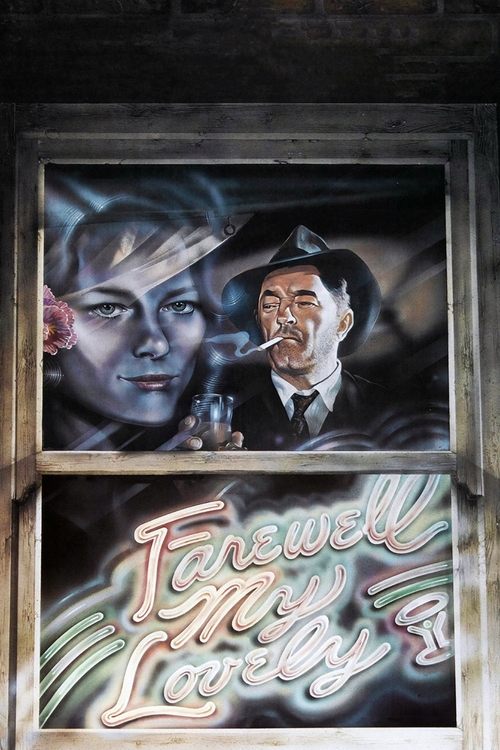
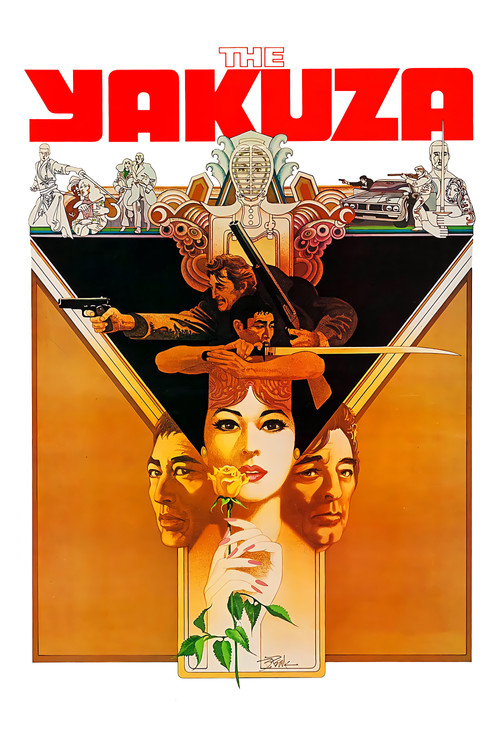
The 1970s featured Mitchum mainly in crime dramas, to mixed result. The Friends of Eddie Coyle (1973) had the actor playing an aging Boston hoodlum caught between the Feds and his criminal friends. Sydney Pollack's The Yakuza (1974) transplanted the typical film noir story arc to the Japanese underworld. Mitchum's stint as an aging Philip Marlowe in the Raymond Chandler adaptation Farewell, My Lovely (1975) (a remake of 1944's Murder, My Sweet) was sufficiently well received by audiences and critics for him to reprise the role in 1978's The Big Sleep, a remake of the 1946 film of the same title.
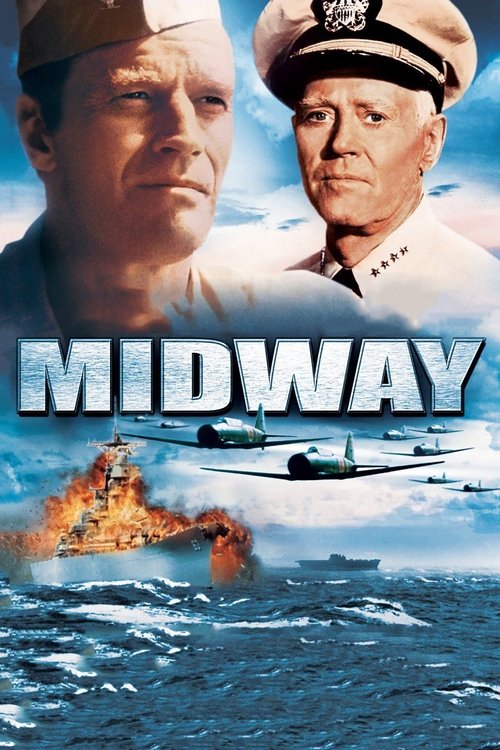
Mitchum also appeared in 1976's Midway about the crucial World War II naval battle.
Later work
In 1982, Mitchum played Coach Delaney in the film adaptation of playwright/actor Jason Miller's 1973 Pulitzer Prize-winning play That Championship Season. At the premiere, an intoxicated Mitchum assaulted a female reporter and threw a basketball that he was holding (a prop from the film) at a female photographer from Time magazine, causing a neck injury and knocking out two of her teeth. She sued him for $30 million in damages. The suit eventually "cost him his salary from the film".
Mitchum's role in That Championship Season may have indirectly contributed to another incident several months later. In a February 1983 Esquire interview, he made statements that some construed as racist, antisemitic, and sexist. When asked if the Holocaust had occurred, Mitchum responded, "so the Jews say." Following the widespread negative response, he apologized a month later, saying that his statements were "prankish" and "foreign to my principle." He claimed that the problem had begun when he recited a purportedly racist monologue from his role in That Championship Season and the reporter believed that the words were Mitchum's. He claimed that he had only reluctantly agreed to the interview and then proceeded to "string... along" the reporter with his statements.
Mitchum starred in the 1983 miniseries The Winds of War, based on a Herman Wouk book of the same title. The big-budget production aired on ABC, starring Mitchum as naval officer "Pug" Henry and Victoria Tennant as Pamela Tudsbury, and examined the events leading up to America's involvement in World War II. It was watched by 140 million people over seven days and became the most-watched miniseries up to that point. He returned to the role in the 1988 sequel miniseries War and Remembrance, which continued the story through the end of the war.
In 1984, Mitchum entered the Betty Ford Center in Palm Springs, California, for treatment of alcoholism.
He played George Hazard's father-in-law in the 1985 miniseries North and South, which also aired on ABC.
Mitchum starred opposite Wilford Brimley in the 1986 made-for-TV movie Thompson's Run.
In 1987, Mitchum was the guest host on Saturday Night Live, where he played private eye Philip Marlowe for the last time in the parody sketch "Death Be Not Deadly." The show ran a short comedy film he made (written and directed by his daughter, Petrine) called Out of Gas, a mock sequel to Out of the Past (Jane Greer reprised her role from the original film). He also was in Richard Donner's 1988 comedy Scrooged.
Music
One of the lesser-known aspects of Mitchum's career was his foray into music as a singer. Critic Greg Adams writes, "Unlike most celebrity vocalists, Robert Mitchum actually had musical talent." Frank Sinatra said of Mitchum, "For anyone who's not a professional musician, he knows more about music, from Bach to Brubeck, than any man I've ever known."
Mitchum's voice was often used instead of that of a professional singer when his character sang in his films. Notable productions featuring Mitchum's own singing voice included Pursued, Rachel and the Stranger, One Minute to Zero, The Night of the Hunter, The Sundowners, and Maria's Lovers. He sang the title song to Young Billy Young and River of No Return.
Mitchum recorded two albums. After hearing traditional calypso music and meeting artists such as Mighty Sparrow and Lord Melody while filming Fire Down Below and Heaven Knows, Mr. Allison in the Caribbean islands of Tobago, he recorded Calypso – is like so .... On the album, released through Capitol Records in March 1957, he emulated the calypso sound and style, even adopting the style's unique pronunciations and slang. A year later, he recorded "The Ballad of Thunder Road", a song he had written for the film Thunder Road. The country-style song became a modest hit for Mitchum, reaching number 62 on the Billboard Pop Singles chart in September 1958. The song was included as a bonus track on a successful reissue of Calypso – is like so ....
Although Mitchum continued to use his singing voice in his film work, he waited until 1967 to record his follow-up record, That Man, Robert Mitchum, Sings. The album, released by Nashville-based Monument Records, took him further into country music and featured songs similar to "The Ballad of Thunder Road". "Little Old Wine Drinker Me", the first single, was a top-10 hit on country radio, reaching number nine there, and crossed over into mainstream radio, where it peaked at number 96. Its follow-up, "You Deserve Each Other", also charted on the Billboard Country Singles chart. Mitchum was nominated for an Academy of Country Music Award for Most Promising Male Vocalist in 1968.
Personal life
In the fall of 1933, at the age of 16, Mitchum met his future wife, 14-year-old Dorothy Spence, at a swimming hole near Camden, Delaware. She was a schoolmate of his younger brother, John, whom she had briefly dated. Mitchum immediately fell for her, and the two had begun a serious relationship by the time he left for California in 1934. Meanwhile, she continued attending school in Delaware and then went to college in Philadelphia.
Mitchum married Dorothy on March 16, 1940, in the kitchen of a Methodist parson in Dover, Delaware. He brought her to Los Angeles to settle down, where he took a job at the Lockheed Aircraft Corporation before finding work as a film actor in June 1942. The couple had three children: sons, James (May 8, 1941 – September 20, 2025) and Christopher (born October 16, 1943), both actors; and a daughter, Petrine (born March 3, 1952), a writer. Mitchum's grandson Bentley Mitchum and great-granddaughter Grace Van Dien are also actors.
Despite his reported affairs with other women, including author Edna O'Brien and actresses Lucille Ball, Ava Gardner, Jean Simmons, Shirley MacLaine, and Sarah Miles, Mitchum and wife Dorothy remained together until his death in 1997. He told journalist Don Short in a 1977 interview: "Not as though there has been anyone else in my life except Dorothy. There's not one of 'em—and I've met the best of 'em—worth lighting a candle for alongside her."
Mitchum's close friends included Jane Russell, his neighbor in Santa Barbara, California; and Deborah Kerr, his favorite co-star.
Although he was born into a Methodist family and later married by a Methodist parson, Mitchum was non-religious. Politically, he was a Republican who campaigned for Barry Goldwater in the 1964 United States presidential election. Mitchum supported Ronald Reagan in 1980 and George H. W. Bush in 1992, narrating a promotional film for the latter that played at the Republican National Convention.
Death
A lifelong heavy smoker, Mitchum died in his sleep at 5 a.m. on July 1, 1997, at his home in Santa Barbara, California, from complications of lung cancer and emphysema. His wife of 57 years, Dorothy, was by his side.
Mitchum's body was cremated and, on July 6, his ashes were scattered into the Pacific Ocean off the coast near his home. The private ceremony was attended by only his family members and his longtime friend Jane Russell. The cenotaph was placed in his memory in his wife's family plot at the Odd Fellows Cemetery in Camden, Delaware. Mitchum's wife, Dorothy, died on April 23, 2014, at age 94. In accordance with the couple's wishes, her ashes were also scattered at sea so that they could be symbolically reunited at Easter Island.
Reception, acting style, and legacy
Mitchum is regarded by some critics as one of the finest actors of the Golden Age of Hollywood. David Thomson hailed Mitchum as one of the three "most important actors in film history" along with Cary Grant and Barbara Stanwyck. Appraising Mitchum's career, Thomson wrote: "Since the war, no American actor has made more first-class films, in so many different moods." Roger Ebert wrote:
Robert Mitchum was my favorite movie star because he represented, for me, the impenetrable mystery of the movies. He knew the inside story. With his deep, laconic voice and his long face and those famous weary eyes, he was the kind of guy you'd picture in a saloon at closing time, waiting for someone to walk in through the door and break his heart.Mitchum was the soul of film noir.
Mitchum, however, was self-effacing; in an interview with Barry Norman for the BBC about his contribution to cinema, Mitchum stopped Norman in mid-flow and in his typical nonchalant style, said, "Look, I have two kinds of acting. One on a horse and one off a horse. That's it." He had also succeeded in annoying some of his fellow actors by voicing his puzzlement at those who viewed the profession as challenging and hard work.
He possessed a photographic memory that allowed him to remember lines with relative ease, and was also known for his proficiency with accents.
Director Robert Wise recalled that during the shooting of Blood on the Moon, Mitchum would mark his script with the letters "NAR," which meant "no acting required." He told Wise that he did not need a line and would give Wise a look instead. Dismissive of Method acting, when asked by George Peppard if he had studied it during filming of Home from the Hill, Mitchum jokingly responded that he had studied the "Smirnoff method".
Mitchum's subtle and understated acting style sometimes garnered him criticism of sleepwalking through his performances in the early stage of his career. In his contemporary review of Out of the Past, James Agee commented that Mitchum's "curious languor" in love scenes suggested "Bing Crosby supersaturated with barbiturates." The review of Where Danger Lives in the Monthly Film Bulletin in 1951 said, "Robert Mitchum performs somnambulistically." David Thomson noticed that Mitchum "began to attract respectable attention" around the late 1950s. Writing for the Village Voice in 1973, Andrew Sarris pointed out that Mitchum, with his stoic presence on the screen that was "mistaken for a stone face without feelings," had been "grossly maligned as an actor," while he was actually "reborn in every movie, recreated in every relationship."