Metro-Goldwyn-Mayer
Though he had been appearing in small roles at MGM, Lawford's career stepped up a notch when he was signed to a long-term contract with the studio in June 1943. MGM signed him with a specific role in mind: The White Cliffs of Dover (1944), in which he played a young soldier during the Second World War.
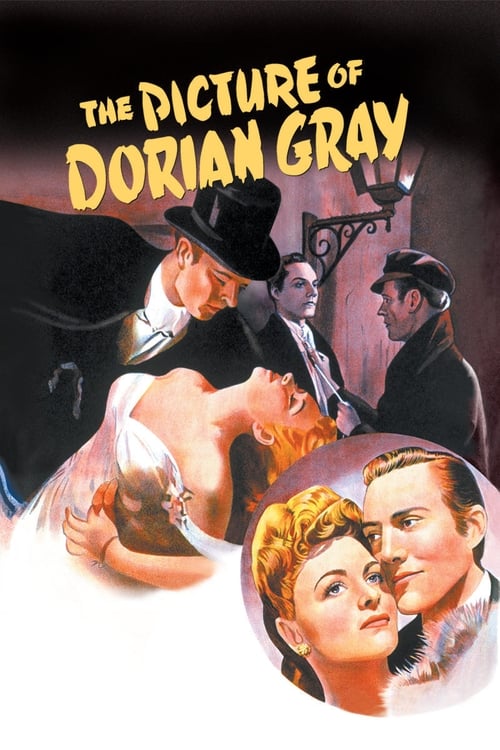
Lawford had a small role in The Canterville Ghost (1944) and Mrs. Parkington (1944), playing a suitor of Greer Garson. MGM gave him another important role in The Picture of Dorian Gray (1945).
Lawford's first leading role came in Son of Lassie (1945), a big hit. According to Filmink "Metro used Lawford mostly in one of two ways. First, as a handsome male prop for female stars in musicals" and "second male lead in supporting bigger stars, playing best friends, love rivals, etc."
Lawford appeared in a Kathryn Grayson-June Allyson musical, Two Sisters from Boston (1946). At 20th Century-Fox, Ernst Lubitsch cast him in Cluny Brown (1946) where he was billed after Charles Boyer and Jennifer Jones. He won a Modern Screen magazine readers' poll as the most popular actor in Hollywood of 1946. His fan mail jumped to thousands of letters a week. With actors such as Clark Gable and James Stewart away at war, Lawford was recognised as a new romantic lead on the MGM lot.
Lawford starred in My Brother Talks to Horses (1947) along with Jackie Butch Jenkins. The film was an early work of Fred Zinnemann and was a box office disappointment. Lawford was reunited with Grayson in It Happened in Brooklyn (1947), which also starred Frank Sinatra. Lawford received rave reviews for his work in the film, while Sinatra's were lukewarm.
Lawford later admitted that the most terrifying experience of his career was the first musical number he performed in Good News (1947), the film musical he starred in alongside Allyson. He was lauded for the role in which he used an American accent.
He was Esther Williams' leading man in On an Island with You (1948) and supported Fred Astaire and Judy Garland in Easter Parade (1948), a major hit, and Greer Garson and Walter Pidgeon in Julia Misbehaves (1948).
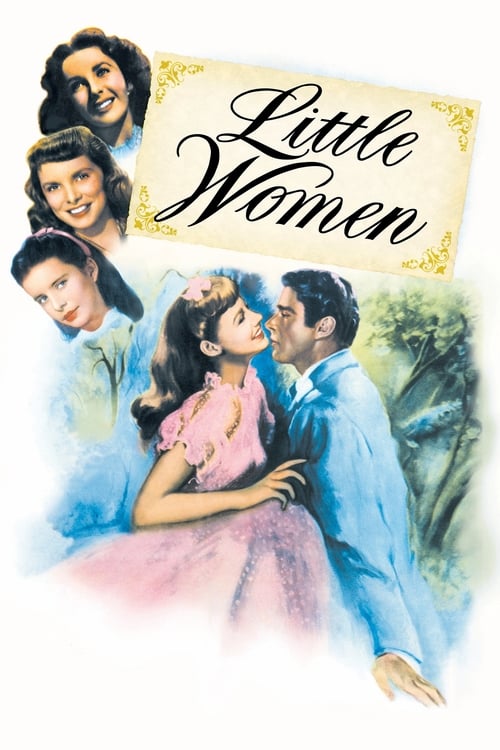
In 1949, Lawford portrayed Laurie in MGM's version of Little Women (1949) alongside Allyson and Elizabeth Taylor. He was billed beneath Pidgeon and Ethel Barrymore in the anti-Communist The Red Danube (1949) and was one of Deborah Kerr's leading men in Please Believe Me (1950). Lawford was Jane Powell's love interest in Royal Wedding (1951) with Fred Astaire and co-starred with Janet Leigh in Just This Once (1952). It has been argued that Lawford's career suffered from the departure of Louis B. Mayer from MGM in 1951 as Mayer was replaced by Dore Schary who did not use Lawford as well.
Fox borrowed him for Kangaroo (1952), a melodrama shot in Australia with Maureen O'Hara. Reviewing this film, Filmink argued that "Lawford is a wet fish actor who could never really hold the screen in a heroic part (he was generally better as a leading man for a female star, or a second lead to a more charismatic male star)." But in Lawford’s defense, his character is totally emasculated in Kangaroo" from what it was in the original script.
Back at MGM, Lawford was top billed in some B films: You for Me (1953), a comedy, The Hour of 13 (1953), a thriller, and Rogue's March (1953), a war film. At this point, in an effort to economize, MGM released Lawford and several other major stars and featured players from their contracts.
Lawford's first film after leaving MGM was the Columbia Pictures romantic comedy, It Should Happen to You (1954), directed by George Cukor. Lawford starred alongside Judy Holliday and Jack Lemmon, in his first major film role.