1990–1999: Stardom and acclaim
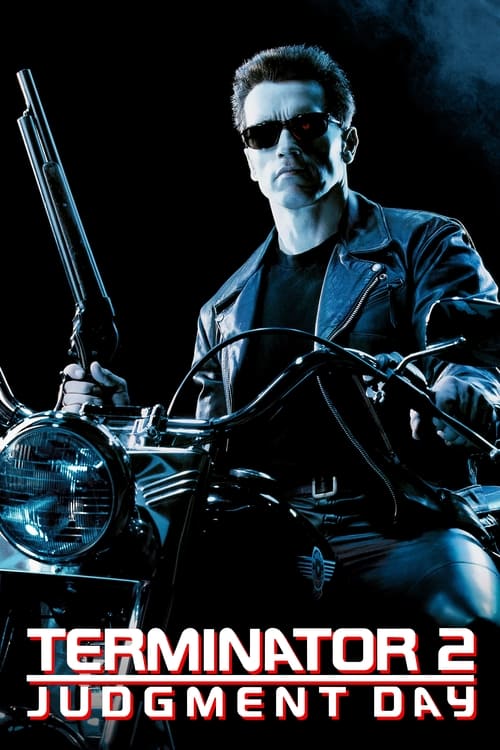
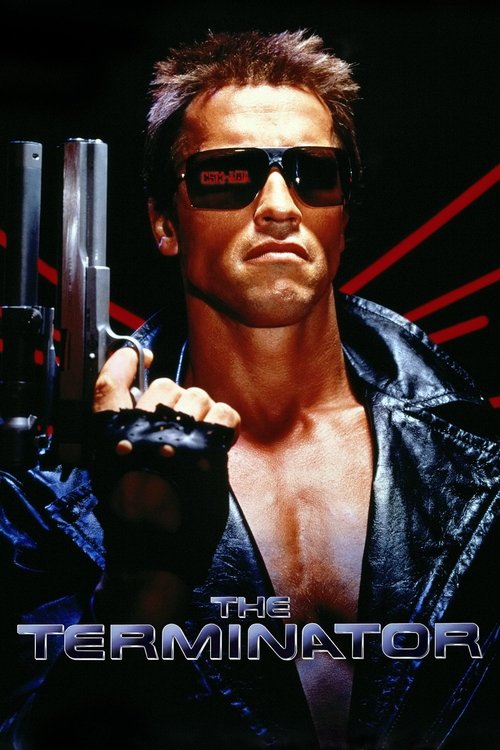
In 1990, Cameron co-founded the firm Lightstorm Entertainment with collaborator Lawrence Kasanoff. In 1991, Cameron served as executive producer for Point Break (1991), directed by Kathryn Bigelow. After the success of The Terminator, there were discussions for a sequel, and by the late 1980s, Mario Kassar of Carolco Pictures secured the rights to the sequel, allowing Cameron to begin production of the film, Terminator 2: Judgment Day (1991). Written by Cameron and William Wisher Jr., Schwarzenegger and Linda Hamilton reprise their roles. The story follows on from Terminator, depicting a new villain (T-1000), with shape-shifting abilities who hunts for Sarah Connor's son, John (Edward Furlong). Cameron cast Robert Patrick as T-1000 because of his lean and thin appearance—a sharp contrast to Schwarzenegger. Cameron explained: "I wanted someone who was extremely fast and agile. If the T-800 is a human Panzer tank, then the T-1000 is a Porsche". Terminator 2 was one of the most expensive films to be produced, costing at least $94 million ($222 million in 2025). Despite the challenging use of computer-generated imagery (CGI), the film was completed on time and released on July 3, 1991. Terminator 2 broke box office records (including the opening weekend record for an R-rated film), earning over $200 million in North America and being the first to earn over $300 million worldwide (respectively over $473 million and $709 million in 2025). It won four Academy Awards: Best Makeup, Best Sound Mixing, Best Sound Editing and Best Visual Effects. It also received nominations for Best Cinematography and Best Film Editing.
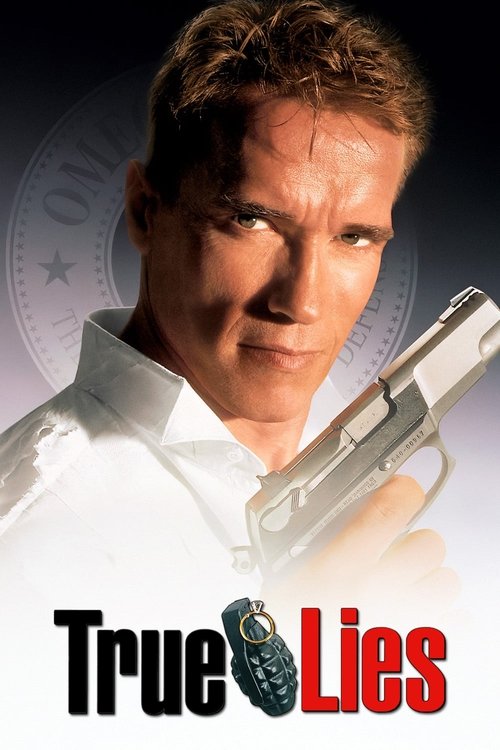
In subsequent years, Cameron planned to do a third Terminator film, but plans never materialized. The rights to the Terminator franchise were eventually purchased by Kassar from a bankruptcy sale of Carolco's assets. Cameron moved on to other projects and, in 1993, co-founded Digital Domain, a visual effects production company. In 1994, Cameron and Schwarzenegger reunited for their third collaboration, True Lies, a remake of the 1991 French comedy La Totale!. The story depicts an American secret agent who leads a double life as a married man, whose wife believes he is a computer salesman. The film co-stars Jamie Lee Curtis, Eliza Dushku and Tom Arnold. Cameron's Lightstorm Entertainment signed a deal with 20th Century Fox for the production of True Lies. Budgeted at a minimum of $100 million, the film earned $146 million in the United States and Canada. The film was nominated for an Academy Award for Best Visual Effects and Curtis won a Golden Globe Award for Best Actress. It was during the production of True Lies that he would first meet Jon Landau, who at the time oversaw the film's production for Fox. In July 2024, Cameron stated that he "lured" Landau away from Fox to Lightstorm.
In 1995, Cameron co-produced Strange Days, a science fiction thriller. Directed by Kathryn Bigelow and co-written by Jay Cocks, Strange Days was critically and financially unsuccessful. In 1996, Cameron reunited with the cast of Terminator 2 to film T2 3-D: Battle Across Time, an attraction at Universal Studios Florida, and in other parks around the world.
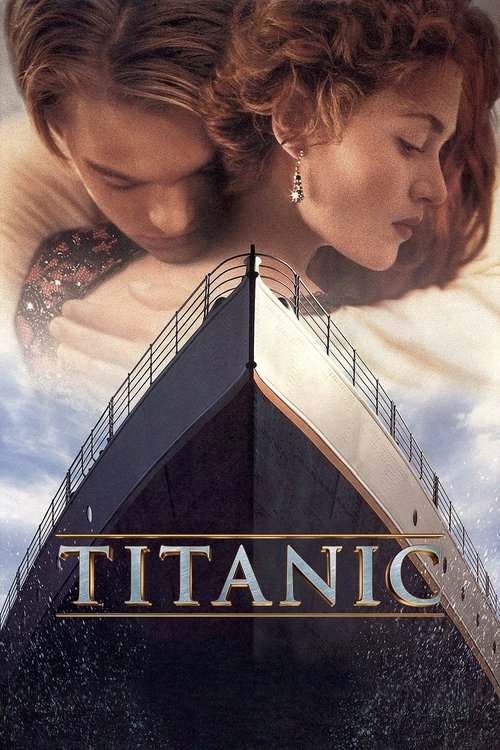
His next major project was Titanic (1997), an epic about the RMS Titanic, which sank in 1912 after hitting an iceberg. With a production budget of $200 million, at the time it was the most expensive film ever made. Starting in 1995, Cameron took several dives to the bottom of the Atlantic Ocean to capture footage of the wreck, which would later be used in the film. A replica of the ship was built in Rosarito Beach and principal photography began in September 1996. Titanic made headlines before its release, for being over-budget and exceeding its schedule. In a radical departure from Cameron's previous work, his completed screenplay depicts two star-crossed lovers, portrayed by Leonardo DiCaprio and Kate Winslet, from different social classes who fall in love amid the backdrop of the ship's tragedy. The supporting cast includes Billy Zane, Kathy Bates, Frances Fisher, Gloria Stuart, Bernard Hill, Jonathan Hyde, Victor Garber, Danny Nucci, David Warner and Bill Paxton. The film was also Cameron's first large-scale production with Landau as a co-producer.
After months of delay, Titanic premiered on December 19, 1997. The film received widespread critical acclaim and became the highest-grossing film of all time, holding this position for twelve years, until Cameron's Avatar beat the record in 2010. The costumes and sets were praised, and The Washington Post considered the CGI graphics to be spectacular. Titanic received a record-tying fourteen nominations (tied with All About Eve in 1950) at the 1998 Academy Awards. It won eleven of the awards, tying the record for most wins with 1959's Ben-Hur (now also tied with 2003's The Lord of the Rings: The Return of the King) including: Best Picture, Best Director, Best Art Direction, Best Cinematography, Best Visual Effects, Best Film Editing, Best Costume Design, Best Sound Mixing, Best Sound Editing, Best Original Score and Best Original Song. Upon receiving Best Picture, Cameron and producer Jon Landau asked for a moment of silence to remember the 1,500 people who died when the ship sank. Film critic Roger Ebert praised Cameron's storytelling, writing: "It is flawlessly crafted, intelligently constructed, strongly acted, and spellbinding". Authors Kevin Sandler and Gaylyn Studlar wrote in 1999 that the romance, historical nostalgia and James Horner's music contributed to the film's cultural phenomenon. In 2017, on its 20th anniversary, Titanic became Cameron's second film to be selected for preservation in the United States National Film Registry.
After the huge success of Titanic, Cameron kept a low profile. In 1998, he and his brother, John, formed Earthship Productions, to stream documentaries about the deep sea, one of Cameron's interests. Again during 1998, Cameron considered doing a large-scale technological/religious film by an unknown writer, but after three tries was forced to personally pass on the project "due to his secular nature." Cameron had also planned to make a film about Spider-Man, a project developed by Menahem Golan of Cannon Films. Columbia hired David Koepp to adapt Cameron's ideas into a screenplay, but due to various disagreements, Cameron abandoned the project. In 2002, Spider-Man was released, with the screenplay credited solely to Koepp.