
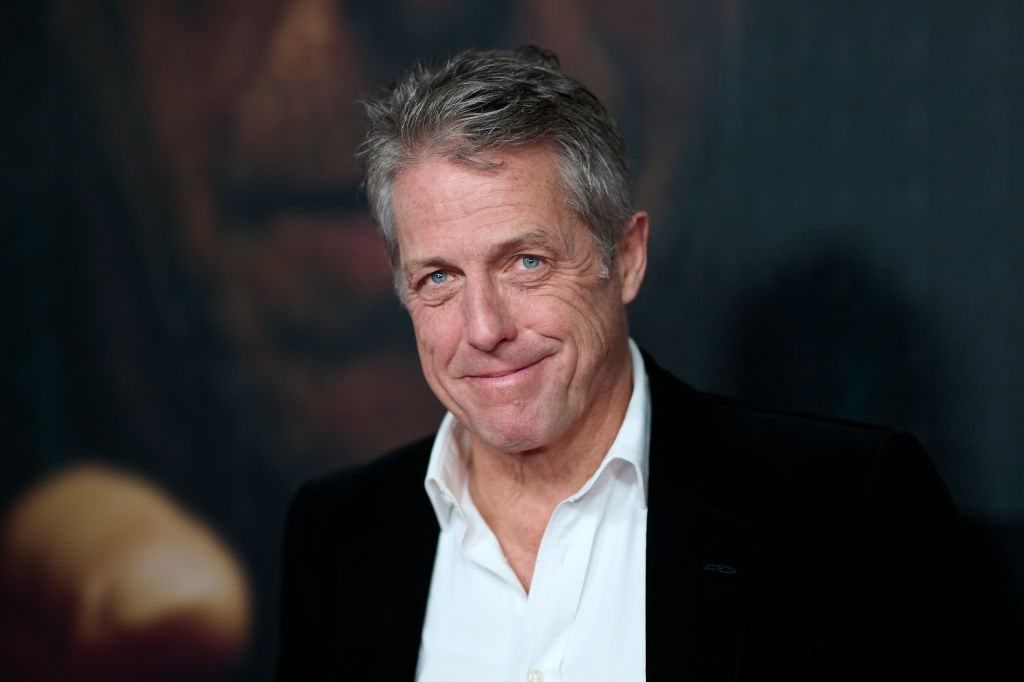


Hugh John Mungo Grant (born 9 September 1960) is an English actor. He established himself early in his career as a charming and vulnerable romantic leading man, and has since transitioned into a character actor. He has received several accolades including a British Academy Film Award and a Golden Globe Award as well as nominations for two Primetime Emmy Awards. He received an Honorary César in 2006. In 2022, Time Out magazine listed Grant as one of Britain's 50 greatest actors of all time. As of 2025, his films have grossed over US$4 billion worldwide.
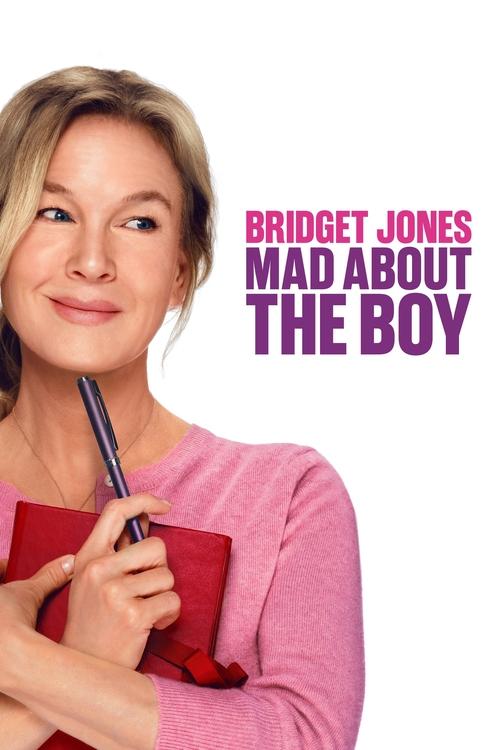
Grant made his feature film acting debut in Privileged (1982), followed by the romantic drama Maurice (1987) for which he gained acclaim as well as the Volpi Cup for Best Actor. He then acted in a string of successful period dramas such as The Remains of the Day (1993), Sense and Sensibility (1995) and Restoration (1995). Grant emerged as a star with Richard Curtis's romantic comedy Four Weddings and a Funeral (1994), for which he won the Golden Globe and BAFTA Award for Best Actor. He starred in further romantic comedies such as Notting Hill (1999), Bridget Jones's Diary (2001) and its 2004 and 2025 sequels, About a Boy (2002), Two Weeks Notice (2002), Love Actually (2003) and Music and Lyrics (2007).
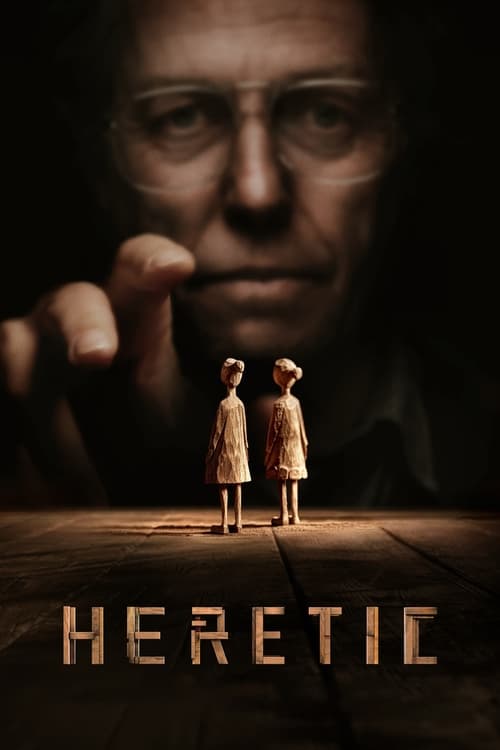
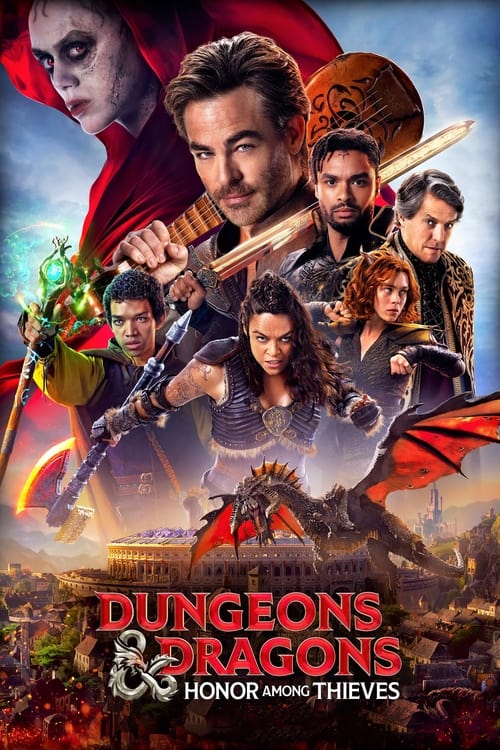
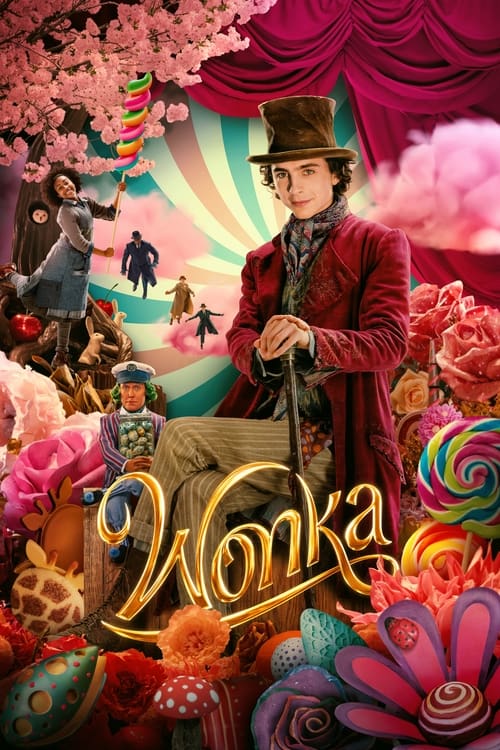
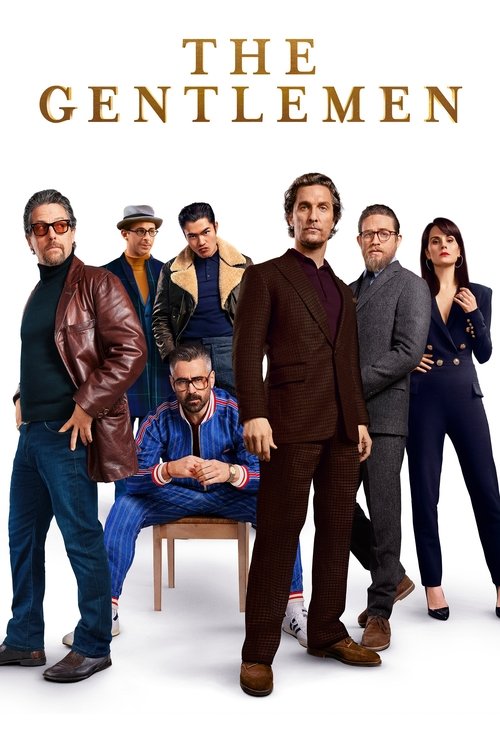
Grant began to take against-type parts earning nominations for two BAFTA Awards for Best Supporting Actor for his roles as St. Clair Bayfield in Florence Foster Jenkins (2016) and a haughty actor in Paddington 2 (2017). He has also acted in the science fiction film Cloud Atlas (2012), the crime comedy film The Gentlemen (2019), the fantasy comedy film Dungeons & Dragons: Honor Among Thieves (2023), the musical fantasy Wonka (2023), and the horror film Heretic (2024), which earned him another BAFTA nomination. He earned two nominations for a Primetime Emmy Award for Outstanding Actor for his roles as Jeremy Thorpe in the BBC miniseries A Very English Scandal (2018) and a man accused of murder in the HBO miniseries The Undoing (2020).
Grant has been outspoken about his antipathy towards the profession of acting, his disdain towards the culture of celebrity, and his hostility towards the media. He emerged as a prominent critic of the conduct of Rupert Murdoch's News Corporation during the News International phone hacking scandal.
Contents
Early life and education
Grant was born on 9 September 1960 in Hammersmith Hospital, the second son of Fynvola Susan MacLean (1933–2001) and Captain James Murray Grant (born 1929). His grandfather, Colonel James Murray Grant, DSO, was decorated for bravery and leadership at Saint-Valery-en-Caux during World War II. Genealogist Anthony Adolph has described Grant's family history as "a colourful Anglo-Scottish tapestry of warriors, empire-builders, and aristocracy." His family tree includes Sir Walter Raleigh; William Drummond, 4th Viscount Strathallan; James Stewart; John Murray, 1st Marquess of Atholl; Heneage Finch, 1st Earl of Nottingham; Sir Evan Nepean; and a sister of Prime Minister Spencer Perceval.
Grant's father was an officer in the Seaforth Highlanders for eight years in Malaya and Germany. He ran a carpet business and pursued hobbies such as golf and watercolour painting; he raised his family in Chiswick, west London, where the Grants lived next to Arlington Park Mansions on Sutton Lane. In September 2006, a collection of Capt. Grant's paintings was hosted by The John Martin Gallery in a charity exhibition, organised by his son, called "James Grant: 30 Years of Watercolours". Hugh's mother worked as a schoolteacher and taught Latin, French and music for more than 30 years in the state schools of west London. She died at 67 of pancreatic cancer.
On Inside the Actors Studio in 2002, Grant credited his mother with "any acting genes that [he] might have." Both his parents were children of military families, but despite that background, he has said, his family was not always affluent as he grew up. He spent many of his childhood summers hunting and fishing with his grandfather in Scotland. Grant has an older brother, James "Jamie" Grant, a New York-based investment banker.
Grant started his education at Hogarth Primary School in Chiswick, then moved to St Peter's Primary School in Hammersmith, followed by Wetherby School, a private preparatory school in Notting Hill. From 1969 to 1978, he attended Latymer Upper School in Hammersmith, at the time a direct grant grammar school. He was educated on a scholarship and played 1st XV rugby, cricket, and football. He also represented Latymer Upper on the quiz show Top of the Form, an academic competition between two teams of four secondary school students each.
In 1979, he won a Galsworthy scholarship to study at the University of Oxford as a student of New College, Oxford, where he read English literature and graduated with an upper second class degree. Then viewing acting as nothing more than a creative outlet, he joined the Oxford University Dramatic Society and played Fabian in a production of Twelfth Night. He also starred in his first film, Privileged (1982), produced by the Oxford University Film Foundation. He turned down an offer from the Courtauld Institute of Art, University of London, to pursue a PhD in art history because he failed to secure a grant.
Career
1982–1986: Early roles and breakthrough
After making his debut in the Oxford-financed film Privileged (1982), Grant dabbled in a variety of jobs, such as working as an assistant groundsman at Fulham stadium Craven Cottage, tutoring, writing comedy sketches for TV shows and working for Talkback Productions to write and produce radio commercials for products such as Mighty White bread and Red Stripe lager. At a screening of Privileged at BAFTA in London, he was approached by a talent agent offering to represent him. Still intending to begin his MPhil at the Courtauld Institute, Grant declined, but then later reconsidered, thinking that acting for a year would be a good way to save some money for his studies. Soon afterwards he was offered a supporting role in The Bounty (1984) starring Mel Gibson and Anthony Hopkins, but was prevented from playing the role because he did not yet have an Equity card, which could only be earned through acting in regional theatre. To obtain his Equity card, he joined the Nottingham Playhouse and lived for a year at Park Terrace in The Park Estate in Nottingham. Richard Digby Day directed him in small roles at the Nottingham Playhouse in Lady Windermere's Fan, an avant-garde production of Hamlet, and Coriolanus.
Bored with small acting parts, Grant created a sketch-comedy group called The Jockeys of Norfolk, a name taken from Shakespeare's Richard III, with friends Chris Lang and Andy Taylor. The group toured London's pub comedy circuit with stops at The George IV in Chiswick, Canal Cafe Theatre in Little Venice and The King's Head in Islington. The Jockeys of Norfolk proved a hit at the 1985 Edinburgh Festival Fringe after their sketch on the Nativity, told as an Ealing comedy, gained them a spot on Russell Harty's BBC2 TV show Harty Goes to .... In 1986 he played Eric Birling in a production of An Inspector Calls at the Royal Exchange Theatre in Manchester, directed by Richard Wilson, giving a performance that Grevel Lindop, writing in the Times Literary Supplement, described as "outstanding". In 1985 and 1986, Grant had minor roles in eight television productions, including TV films, historical miniseries and single episodes of series. His first leading film role came in Merchant-Ivory's Edwardian drama film Maurice (1987), adapted from E. M. Forster's novel. He and co-star James Wilby shared the Volpi Cup for Best Actor at the Venice Film Festival for their portrayals of lovers Clive Durham and Maurice Hall, respectively.
During the late 1980s and early 1990s, he balanced small roles on television with film work, which included playing Hugh Cholmondeley, 3rd Baron Delamere in the BAFTA Award-nominated White Mischief (1987) and a supporting role in The Dawning (1988) opposite Anthony Hopkins and Jean Simmons. In 1988 he had a leading role in Ken Russell's horror film, The Lair of the White Worm. He was Lord Byron in a Goya Award-winning Spanish production called Remando al viento (1988) and portrayed legendary champagne merchant Charles Heidsieck in the television film Champagne Charlie (1989). In 1990 he had a small role in the sport/crime drama The Big Man, opposite Liam Neeson, in which Grant assumed a Scottish accent; the film explores the life of a Scottish miner (Neeson) who becomes unemployed during a union strike. In 1991 he played Julie Andrews' gay son in the ABC made-for-television film Our Sons.
1994–1999: Four Weddings and a Funeral and stardom
At 32, Grant claimed to be on the brink of giving up the acting profession but was surprised by the script of Four Weddings and a Funeral (1994). "If you read as many bad scripts as I did, you'd know how grateful you are when you come across one where the guy actually is funny," he later recalled. Released in 1994 with Grant as the protagonist, Four Weddings and a Funeral became the highest-grossing British film to date with a worldwide box office in excess of $244 million, making him an overnight international star. His entry in The Trouble with Men: Masculinities in European and Hollywood Cinema states "Four Weddings made him a truly international star whose image was endlessly promoted in tabloid newspaper articles, television chat shows and magazine profiles, especially in mass circulation women's magazines. Grant was careful to play up to the affable and self-deprecating English gent. His interviewers commented frequently on his romantic attractiveness, a modern matinée idol, blue eyed, very good looking in a classically English way, with his floppy hair and charming smile, his impeccable manners leavened by the occasional expletive".
The film was nominated for two Academy Awards and, among numerous awards won by its cast and crew, it earned Grant a Golden Globe Award for Best Actor - Motion Picture Musical or Comedy and a BAFTA Award for Best Actor in a Leading Role. It also temporarily typecast him as the lead character, Charles, a bohemian and debonair bachelor. Grant saw it as an inside joke that the star, due to the parts he played, was assumed to have the personality of the screenwriter (Richard Curtis), who is known for writing about himself and his own life. Grant later expressed "Although I owe whatever success I've had to Four Weddings and a Funeral, it did become frustrating after a bit that people made two assumptions: One was that I was that character – when in fact nothing could be further from the truth, as I'm sure Richard would tell you – and the other frustrating thing was that they thought that's all I could do. I suppose, because those films happened to be successful, no one, perhaps understandably, ... bothered to rent all the other films I'd done".
In July 1994, he signed a two-year production deal with Castle Rock Entertainment and, by October, he became founder and director of the UK-based Simian Films Limited. He appointed his then-girlfriend, Elizabeth Hurley, as the head of development to look for prospective projects. Simian Films produced two Grant vehicles in the 1990s and lost a bid to produce About a Boy to Robert De Niro's TriBeCa Productions. The company closed its US office in 2002 and Grant resigned as director in December 2005. Before the release of Four Weddings and a Funeral, Grant had reunited with its director Mike Newell for the tragicomedy An Awfully Big Adventure (1995), which was labelled a "determinedly off-beat film" by The New York Times. He portrayed the supercilious director of a repertory company in post-World War II Liverpool. Critic Roger Ebert wrote, "It shows that he has range as an actor" but the San Francisco Chronicle disapproved on grounds that the film "plays like a vanity production for Grant". Janet Maslin, praising Grant as "superb" and "a dashing cad under any circumstances", commented, "For him this film represents the road not taken. Made before Four Weddings and a Funeral was released, it captures Mr. Grant as the clever, versatile character actor he was then becoming, rather than the international dreamboat he is today." His next role was as a cartographer in 1917 Wales in The Englishman Who Went Up a Hill But Came Down a Mountain (1995).
2000–2009: Continued romantic comedy roles
While promoting Woody Allen's Small Time Crooks (2000) on NBC's The Today Show in 2000, Grant told host Matt Lauer, "It's my millennium of bastards". Small Time Crooks starred Grant, in the words of film critic Andrew Sarris, as "a petty, petulant, faux-Pygmalion art dealer, David, [who] is one of the sleaziest and most unsympathetic characters Mr. Allen has ever created". In a role devoid of his comic attributes, The New York Times wrote: "Mr. Grant deftly imbues his character with exactly a perfect blend of charm and nasty calculation." In 2000, Grant also joined the supervisory board of IM Internationalmedia AG, the powerful Munich-based film and media company. In 2001, his turn as a charming but womanising book publisher, Daniel Cleaver, in Bridget Jones's Diary was proclaimed by Variety to be "as sly an overthrow of a star's polished posh – and nice – poster image as any comic turn in memory". The film, adapted from Helen Fielding's novel of the same name, was an international hit, earning $281 million worldwide. He was, according to The Washington Post, fitting as "a cruel, manipulative cad, hiding behind the male god's countenance that he knows all too well".
In 2002, Grant starred as the trust-funded womaniser Will Freeman in the film adaptation of Nick Hornby's best-selling novel About a Boy. The BBC thought Grant delivered an "immaculate comic performance", and with an Academy Award-nominated screenplay, About a Boy was determined by The Washington Post to be "that rare romantic comedy that dares to choose messiness over closure, prickly independence over fetishised coupledom, and honesty over typical Hollywood endings". Rolling Stone wrote, "The acid comedy of Grant's performance carries the film [and he] gives this pleasing heartbreaker the touch of gravity it needs", while Roger Ebert observed that "the Cary Grant department is understaffed, and Hugh Grant shows here that he is more than a star, he is a resource". Released a day after the blockbuster Star Wars: Episode II – Attack of the Clones, About a Boy was a more modest box office grosser than other successful Grant films, making all of $129 million globally. The film earned Grant his third Golden-Globe nomination, while the London Film Critics Circle named Grant its Best British Actor and GQ honoured him as one of the magazine's men of the year 2002. "His performance can only be described as revelatory", wrote critic Ann Hornaday, adding that "Grant lends the shoals layer upon layer of desire, terror, ambivalence and self-awareness." The New York Observer concluded: "[The film] gets most of its laughs from the evolved expertise of Hugh Grant in playing characters that audiences enjoy seeing taken down a peg or two as a punishment for philandering and womanising and simply being too handsome for words-and with an English accent besides. In the end, the film comes over as a messy delight, thanks to the skill, generosity and good-sport, punching-bag panache of Mr. Grant's performance."
2012–2017: Mid-career experimentation
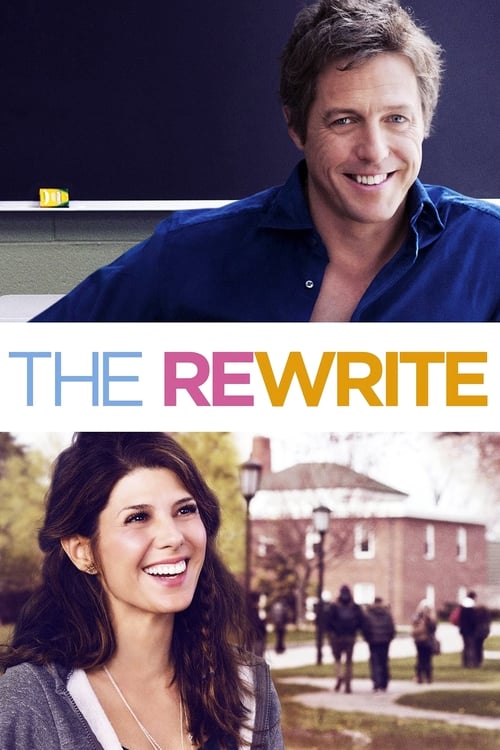
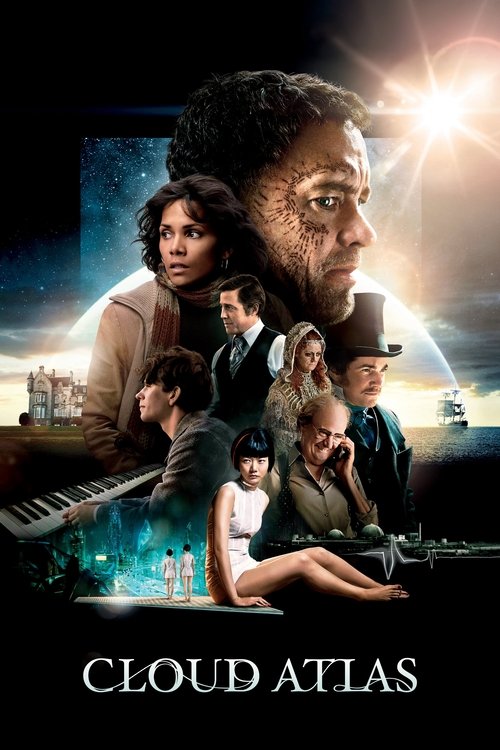
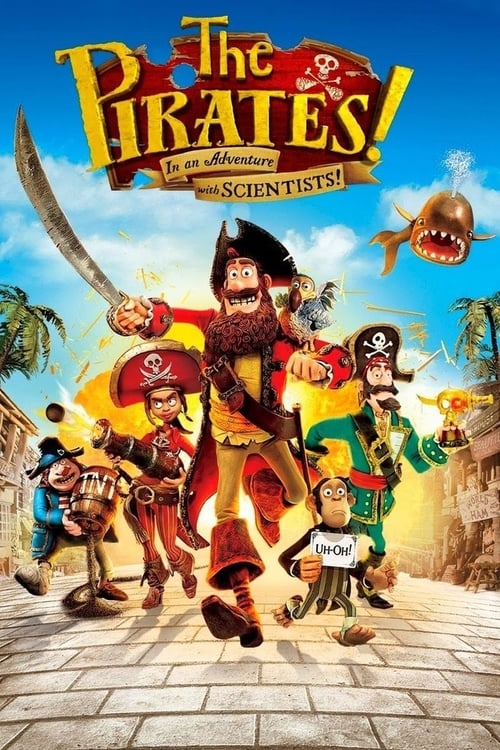
Grant was featured in the Wachowskis' and Tom Tykwer's epic science fiction film Cloud Atlas in 2012, playing six different dark characters. In the same year, Grant lent his voice to the Aardman stop motion animation The Pirates! Band of Misfits. He reunited with Lawrence again for a dramedy film The Rewrite (2014), starring opposite Marisa Tomei. The film received mixed-to-positive reviews, while Grant's performance was praised by many critics; director Quentin Tarantino has stated that the film is one of his favourites of the year and called Grant a "perfect leading man".
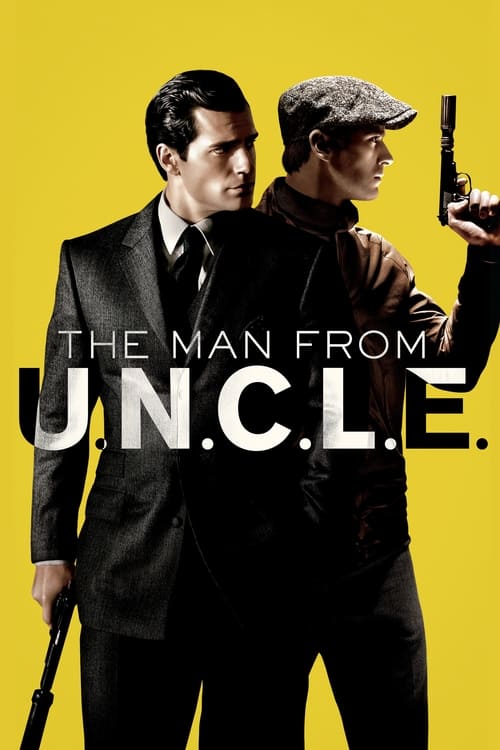
In 2015, he had a supporting role as Alexander Waverly in Guy Ritchie's crime thriller The Man from U.N.C.L.E.; Entertainment Weekly described his performance as "the only bit of fun" in the film, and Glenn Kenny of Rogerebert.com gave the film a mixed review but stated that "while it can't be said that Hugh Grant saves the movie, his return to prominence in the last half-hour, after a plot-seeding-walk-on earlier in the movie, peps things up considerably".
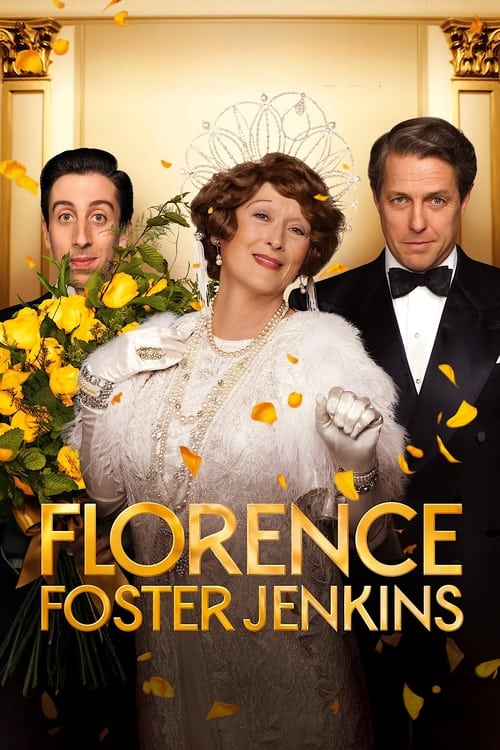
In 2016, Grant played St. Clair Bayfield, partner of the title character, in the film Florence Foster Jenkins, directed by Stephen Frears and starring Meryl Streep. His performance drew raves from film critics as "career-best" (Screen International), "one of his best performances in years" (Indiewire), "best work of his career" (Variety) where he "goes deeper, darker and riskier" (Rolling Stone). Rafer Guzman of Newsday said "Surely the 55-year-old actor has just sealed his first-ever Oscar nomination." Carrie Rickey of Yahoo! Movies commented that Grant "deserves the Globe, an Oscar nomination, and the recognition — finally — that he is unique and irreplaceable among modern actors". He was nominated for his first individual Screen Actors Guild Award and also earned nominations for a BAFTA, a Golden Globe, a Critics' Choice Award, a Satellite Award and a European Film Award. Several critics put his work among the best acting performances of the year. Most award pundits predicted Grant would receive his first Academy Award nomination for his performance, but he was not nominated.
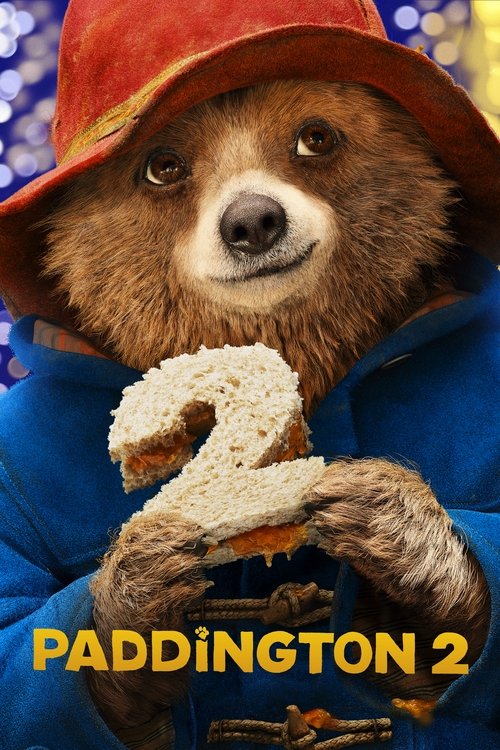
His next appearance was as Phoenix Buchanan, the main antagonist of Paddington 2, which was a commercial and critical success. The Guardian described his performance as "scene-stealing", while IGN commented "Grant continues to make an astonishing comeback in his career, once again by playing into his expert comedic abilities as Phoenix Buchanan, who dons each of his ridiculous disguises with a kind of egotistical obliviousness that Grant is perfect at pulling off." Grant went on to win London Film Critics' Circle Award for Supporting Actor of the Year and was nominated for a BAFTA Award for Best Actor in a Supporting Role for his performance. Grant's performance was ranked as the 22nd greatest movie performance of the decade by IndieWire in 2019.
2018–present: Mature career renaissance
In 2018, Grant returned to television screens after 25 years, as Jeremy Thorpe opposite Ben Whishaw as Norman Josiffe in the BBC One miniseries A Very English Scandal, which marked his second collaboration with director Stephen Frears. The miniseries, and in particular Grant, were widely and highly praised. Digital Spy's review stated that "There's always been a bit of the devil in Grant's best turns, and in Thorpe, a man with a fully-realised dark side, he's found his richest part in years". The New Statesman wrote, "Hugh Grant is Thorpe, and everything about his performance is exactly so. It's the role of Grant's life, and he performs it even more brilliantly than he did Phoenix Buchanan in Paddington 2." The Sunday Times stated, "It's become tediously predictable to praise this drama but, as Thorpe, Hugh Grant really has proved he's getting better as he's getting older". Grant was nominated for several awards, including the Primetime Emmy Award, Screen Actors Guild Award, Golden Globe Award, BAFTA Award for Best Actor in a Limited Series or Movie.
In 2019, Grant played another against-type role, in Guy Ritchie's The Gentlemen, his second collaboration with the director following The Man From U.N.C.L.E. Grant plays Fletcher, a seedy and unscrupulous private investigator, which he called "a fun bit of casting" referring to his Hacked Off campaigning. He has stated he based his character on tabloid reporters who "used to be my enemies and now they're my friends". Even though the film received mostly mixed reviews, Grant's performance was praised. Stephen Dalton of The Hollywood Reporter called Grant "a beating comic heart" of the film, adding that "he weighs up every wry line with relish, and Ritchie makes strong use of his deadpan comic talents." Joe Morgenstern of Wall Street Journal also highly praised his work, writing, "[I]n a word, Mr. Grant is sensational. In two more words, he's absolutely hilarious; it's some of the best work he's done on screen."
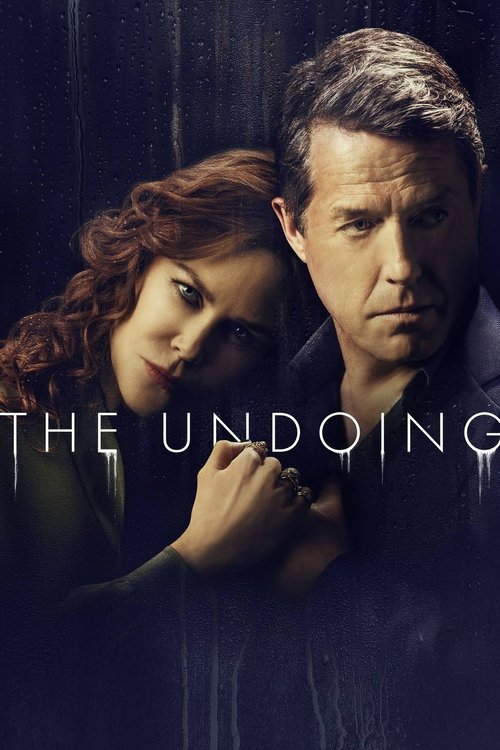
In 2020, Grant starred in HBO miniseries The Undoing, opposite Nicole Kidman and Donald Sutherland. The miniseries was premiered on 25 October 2020 to mixed reviews, though Grant's performance was widely acclaimed. Film critic Caryn James said Grant has the "richest part" and added, "He sharply defines Jonathan as a slippery character, and walks the line expertly to keep us off guard. How much should we trust Jonathan? When he starts confessing some secrets, is all or any of it true? With this role and that in the recent A Very English Scandal, Grant has become expert at bringing his charm to darker characters." Brian Tallerico of RogerEbert.com was less impressed with the series but called Grant's performance as the "series-best". Grant received a Screen Actors Guild Award, Golden Globe Award and Critics' Choice Television Award nomination for his performance.
Acting credits and accolades
Over his career Grant has received numerous accolades including a BAFTA Award (from five nominations), a Golden Globe Award (from seven nominations), and the Volpi Cup for Best Actor. He has also received nominations for two Primetime Emmy Awards and four Screen Actors Guild Awards.
Screen persona
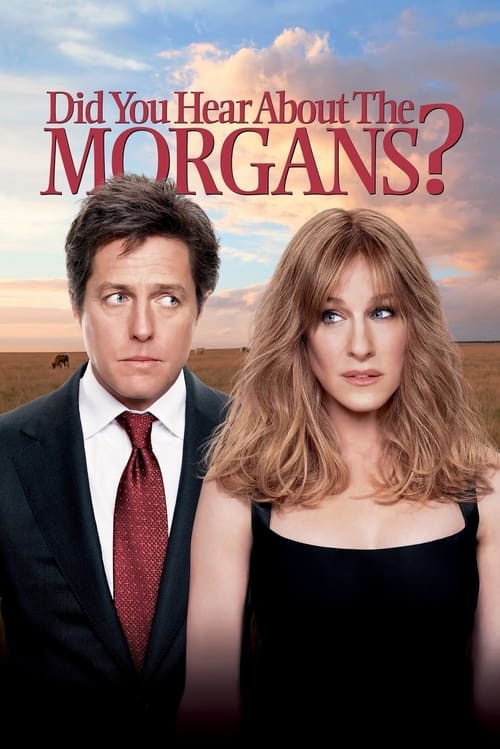
Grant began his career as a character actor but became predominantly a comedy (especially a romantic comedy) actor from his rise to stardom in mid-1990s until the 2010s. He said he moved away from romantic comedies after the failure of Did You Hear About the Morgans? (2009). In a 2020 interview with The Sydney Morning Herald, he said: "I got old and ugly and I'm not appropriate for romantic comedy films anymore, which has been a great blessing". Even though his recent credits include political dramas like A Very English Scandal and crime films like The Gentlemen, Grant is still often associated with his Richard Curtis-scripted romantic comedy films. In the British press, it is common to compare young romantic comedy actors to him.
Remarking upon his romantic comedy star era, some film critics, such as Roger Ebert, have defended the limited variety of his performances, while some others have dismissed Grant as a "one-trick pony". Eric Fellner, co-owner of Working Title Films and a longtime collaborator, said, "His range hasn't been fully tested, but each performance is unique." Many of Grant's films of the 1990s followed a similar plot that captured an optimistic bachelor experiencing a series of embarrassing incidents to find true love, often with an American woman. In earlier films, he was adept at plugging into the stereotype of a repressed Englishman for humorous effects, allowing him to gently satirise his characters as he summed them up and played against the type simultaneously. These performances were sometimes deemed excessive, in the words of The Washington Post's Rita Kempley, due to Grant's "comic overreactions—the mugging, the stuttering, the fluttering eyelids". She added: "He's got more tics than Benny Hill." His penchant for conveying his characters' feelings with mannerisms, rather than direct emotions, has been one of the foremost objections raised against his acting style. Stephen Hunter of The Washington Post once stated that, to be effective as a comic performer, Grant must get "his jiving and shucking under control". Film historian David Thomson opined in The New Biographical Dictionary of Film that the actor equated merely "itchy mannerisms" with screen acting.
Grant's screen persona in his films of the 2000s gradually developed into a cynical, self-loathing cad. Claudia Puig of USA Today celebrated this transformation with the observation that finally "gone [were] the self-conscious 'Aren't I adorable' mannerisms that seemed endearing at the start of his film career but have grown cloying in more recent movies". According to Carina Chocano, amongst film critics, the two tropes most commonly associated with Grant are that he reinvented his screen persona in Bridget Jones's Diary and About a Boy and dreads the possibility of becoming a parody of himself.
Personality
Grant has expressed boredom with playing the celebrity in the press and is known in the media for his guarded privacy. On probing of his personal life, he has remained steadfast in "offering a dead bat to any question he feels is not general enough". He has described himself as a reluctant actor, has called being a successful actor a mistake and has repeatedly talked of his hope that film stardom would just be "a phase" in his life, lasting no more than ten years.
A 2007 Vogue profile referred to him as a man with a "professionally misanthropic mystique". He has expressed distaste for focus groups, market research, and emphasis on opening weekend box-office numbers, saying: "It's so destructive to the filmmaking process. What was wrong with the way they used to release films, more slowly, let them build?" The director Mike Newell has said: "There is at least as much of Hugh that is charismatic, intellectual, and whose tongue is maybe too clever for its own good as there is of him that's gorgeous and kind of woolly and flubsy." Filmmaker Paul Weitz said that Grant is funny and that "he perceives flaws in himself and other people, and then he cares about their humanity nonetheless". British newspapers regularly refer to him as "grumpy".
Grant is a self-confessed "committed and passionate" perfectionist on a film set. The American film critic Dave Kehr has written that Grant "is known in the film industry as a meticulous performer who takes his time to prepare a role – someone who works hard to make it look easy – though that isn't a trait he admires in himself". He is noted by co-workers for demanding endless takes until he achieves the desired shot according to his own standard.
He dropped his agent in 2006, ending a 10-year relationship with CAA. He has proclaimed in interviews that he does not listen to external views on his career: "They've known for years that I have total control. I've never taken any advice on anything."
In the media
Libel lawsuits
In 1996, Grant won substantial damages from News (UK) Ltd over what his lawyers called a "highly defamatory" article published in January 1995. The company's newspaper, Today, which ceased publication the following November, had falsely claimed that Grant verbally abused a young extra with a "foul-mouthed tongue lashing" on the set of The Englishman Who Went Up a Hill But Came Down a Mountain.
On 27 April 2007, he accepted undisclosed damages from Associated Newspapers over claims made about his relationships with his former girlfriends in three separate tabloid articles, which were published in the Daily Mail and The Mail on Sunday on 18, 21 and 24 February. His lawyer stated that all of the articles' "allegations and factual assertions are false". Grant said, in a written statement, that he took the action because: "I was tired of the Daily Mail and Mail on Sunday papers publishing almost entirely fictional articles about my private life for their own financial gain." He went on to take the opportunity to stress, "I'm also hoping that this statement in court might remind people that the so-called 'close friends' or 'close sources' on which these stories claim to be based almost never exist."
Legal issues
On 27 June 1995, Grant was arrested in Los Angeles, California, in a police vice operation near Sunset Boulevard for receiving oral sex in a public place from Hollywood prostitute Divine Brown. He pleaded no contest and was fined $1,180 by Judge Robert J. Sandoval, was placed on two years' summary probation, and was ordered to complete an AIDS education program.
The arrest occurred about two weeks before the release of his first major studio film, Nine Months, which he was scheduled to promote on several American television shows. The Tonight Show with Jay Leno had him booked for the same week. In the much-watched interview, Grant did not make excuses for the incident after Leno asked him, "What the hell were you thinking?" Grant answered, "I think you know in life what's a good thing to do and what's a bad thing, and I did a bad thing. And there you have it."
On Larry King Live, he declined host Larry King's repeated invitations to probe his psyche, saying that psychoanalysis was "more of an American syndrome" and he himself was "a bit old fashioned". He told the host: "I don't have excuses." CNN reported that "Many are also applauding Grant for his refreshing honesty in a culture that has become fed up with overuse of the word 'abuse,' but Grant did not resort to an excuse." Radio host Scott Shannon said, "He went ahead and faced the music and handled it with tongue [in] cheek."
In April 2007, he was arrested on allegations of assault made by paparazzo Ian Whittaker. Grant made no official statement and did not comment on the incident. Charges were dropped on 1 June 2007 by the Crown Prosecution Service on the grounds of "insufficient evidence".
Phone hacking exposé
In April 2011, Grant published an article in the New Statesman titled "The Bugger, Bugged" about a conversation (following an earlier encounter) with Paul McMullan, a former journalist and paparazzo for News of the World. In unguarded comments which were secretly taped by Grant, McMullan alleged that editors at the Daily Mail and News of the World, particularly Andy Coulson, had ordered journalists to engage in illegal phone tapping and had done so with the full knowledge of senior British politicians. McMullan also said that every British Prime Minister from Margaret Thatcher onwards had cultivated a close relationship with Rupert Murdoch and his senior executives. He stressed the friendship between David Cameron and Rebekah Brooks (née Wade), agreeing when asked that both of them must have been aware of illegal phone tapping, and asserting that Cameron's inaction could be explained by self-interest: "Cameron is very much in debt to Rebekah Wade for helping him not quite win the election ... So that was my submission to parliament – that Cameron's either a liar or an idiot."
When asked by Grant whether Cameron had encouraged the Metropolitan Police to "drag their feet" on investigating illegal phone tapping by Murdoch's journalists, McMullan agreed this had happened, and stated that police themselves had taken bribes from tabloid journalists: "20 percent of the Met has taken backhanders from tabloid hacks. So why would they want to open up that can of worms?... And what's wrong with that, anyway? It doesn't hurt anyone particularly."
Grant's article attracted considerable interest, due to both the revelatory content of the taped conversation, and the novelty of his "turning the tables" on a tabloid journalist.
While the allegations regarding the News of the World continued to receive coverage in the broadsheets and similar media (Grant appeared, for example, on BBC Radio 4) it was only with the revelation that the voicemail of murdered Milly Dowler had been hacked, and evidence for her murder enquiry had been deleted, that the coverage turned from media interest to widespread public (and eventually political) outrage. Grant became something of a spokesman against Murdoch's News Corporation, culminating in his appearance on BBC television's Question Time in July 2011. Grant later said: "It's been fascinating to have a little excursion into another world. I really needed that and also to be dealing with real life instead of creating synthetic life, which is what I've been doing for the last 25 years."
Personal life
Relationships
In 1987, while playing Lord Byron in the Spanish production Remando Al Viento (1988), Grant met actress Elizabeth Hurley, who was cast in a supporting role as Byron's former lover Claire Clairmont. He began dating Hurley during filming and their relationship was subsequently the subject of much media attention. While dating Hurley, Grant gained international notoriety for soliciting the services of prostitute Divine Brown, in 1995. They separated in May 2000. Grant is godfather to Hurley's son Damian, born in 2002.
Grant has five children with two women. In September 2011, he had a daughter with Tinglan Hong, who was variously misreported in the press as a receptionist at a Chinese restaurant in London or a Chinese actress. His daughter's Chinese name is Jing Xi (驚喜), meaning "happy surprise". Grant and Hong had a "fleeting affair", according to his publicist. In 2012, he stated that Hong had been "badly treated" by the media; the press intrusion prevented him from attending the birth of his daughter, with Hong obtaining an injunction to allow him to visit them in peace.
In September 2012, Grant's second child, a son, was born to Swedish television producer Anna Eberstein, daughter of Susanne Eberstein. Grant had also reunited briefly with Hong, and she gave birth to Grant's third child, a son, in December 2012.
Grant's daughters with Eberstein were born in December 2015 and March 2018. He and Eberstein married on 25 May 2018.
Political views
A prominent advocate of tactical voting, Grant is not affiliated with any political party, and has supported Labour, Lib Dem, and Independent candidates, appearing at various parties' meetings and conferences.
In 2011, Grant appeared at the Liberal Democrats' conference on the News International phone-hacking scandal, where he briefly met then-party leader Nick Clegg. Grant said that he was attending the Conservative and Labour conferences as well, but told Lib Dem activists that "You, more than any of the other parties, have a good bill of health. You have never been in bed with these scumbags."
In the 2015 general election, Grant endorsed two Labour candidates: Tom Watson, his former agent, Michael Foster, and expressed support for Liberal Democrat MP Danny Alexander and later hosted a dinner for the Liberal Democrats, in which he met the winner of a draw of donors to the party. In an email sent by former Liberal Democrat leader Paddy Ashdown, Grant wrote: "I am not a Lib Dem, a Tory, a Labourite or anything in particular but I recognise political guts."
During the 2019 general election Grant campaigned for tactical voting to stop a Conservative majority and Brexit. He was seen canvassing with Liberal Democrats candidates, Labour candidates, and independent Dominic Grieve.
In the 2024 general election, Grant publicly endorsed Carla Denyer, co-leader of the Green Party of England and Wales, for the newly established Bristol Central seat. Grant stated that Denyer was "a politician with integrity, who puts the public first".
Sport
As a young boy, he played rugby union on his school's first XV team at centre and also played football. He is a lifelong supporter of Fulham, He continued to play in a Sunday-morning football league in south-west London after college and remains an "impassioned Fulham supporter". He is also a supporter of Italian club Como. His other interests include tennis and snooker.
In 2011, the BBC apologised after Grant made an offhand joke about homosexuality and rugby when he was invited into the commentary box during coverage of an England v Scotland game at Twickenham Stadium. Talking about playing rugby during his school days, Grant said: "I discovered it hurt less if you tackled hard than if you tackled like a queen".
Relationships with co-stars
In 2018, Grant mentioned the on-set tension that he and Robert Downey Jr. had, stating: "He [Downey] hated me. He took one look at me and wanted to kill me. I was so hurt." After Grant confirmed their decades-long feud, Downey went on Twitter to publicly make amends with him, to which Grant agreed.
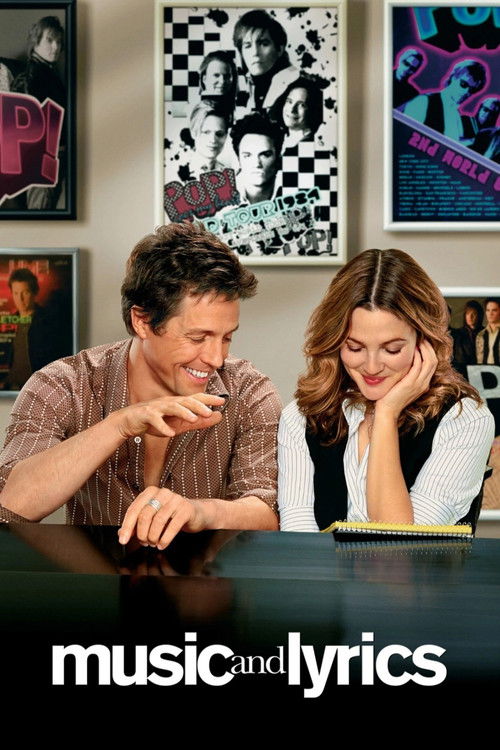
In addition to the confirmation, Grant also said that he and Drew Barrymore did not get along during production of Music and Lyrics. "Well, Drew, I think did hate me a bit. But I admired her. We just were very different human beings," Grant said. "She was very L.A. and I was an old grumpy Londoner. The funny thing is, although it was fractionally tense on the set of that film, I think the chemistry is rather good between us. Sometimes tension makes a good crackle." Barrymore had also been one out of three leading ladies Grant listed whom he did not get along with, the others being Julianne Moore and Rachel Weisz. However, on a Graham Norton Show appearance, Grant told Graham Norton he did not know why he mentioned Weisz and he was probably "going for a 'comedy triple'". He is now on good terms with Barrymore and appeared on The Drew Barrymore Show.
Grant has praised many other female co-stars, including Sandra Bullock, Sarah Jessica Parker, Emma Thompson, and Meryl Streep, who co-starred with him in Florence Foster Jenkins and was "a genius" according to Grant. He referred to his Bridget Jones's Diary co-star Renée Zellweger as "delightful".
Philanthropy
Grant is a patron of the DIPEx Charity, which operates the website Healthtalkonline. He is also patron of the Fynvola Foundation, named after his late mother; it supports the Lady Dane Farmhouse, a home in Faversham for adults with learning disabilities.
Since his mother's death in 2001, Grant has worked as a fundraiser and ambassador for Marie Curie Cancer Care, promoting the charity's annual Great Daffodil Appeal on several occasions. He is also a patron of Pancreatic Cancer Action.
In December 2023, Grant worked with Hammersmith and Fulham Council to support their annual Big H&F Christmas Day Lunch, with Grant spending Christmas Day serving Christmas dinner to elderly residents who might otherwise spend Christmas alone, and be at risk of social isolation and loneliness.
Investments
In 2001 Grant bought the print Liz by Andy Warhol for £2m. He sold it in 2007 for £13m.