
.jpg?width=400)
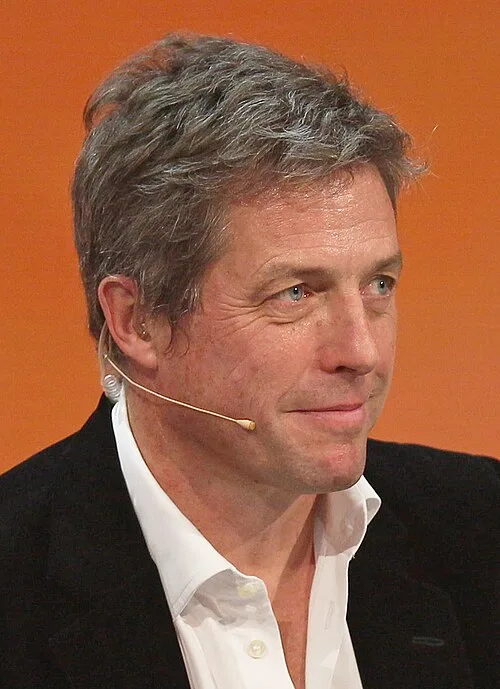
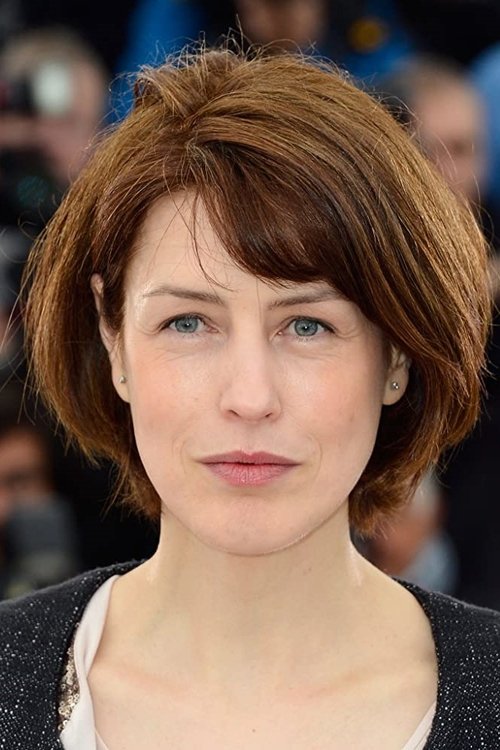
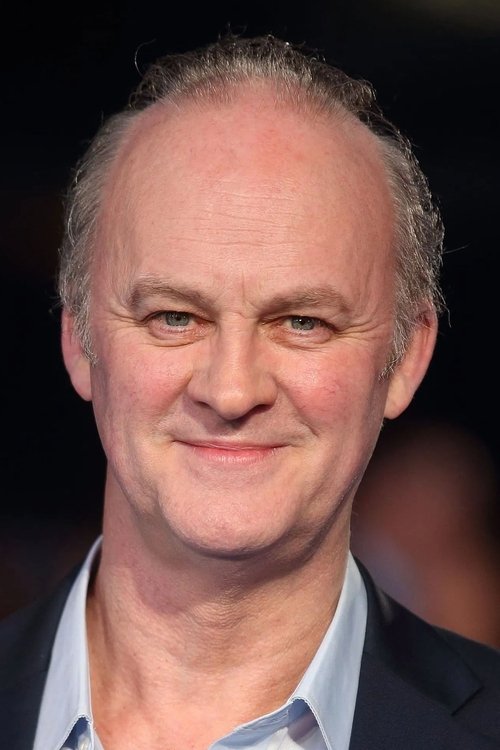
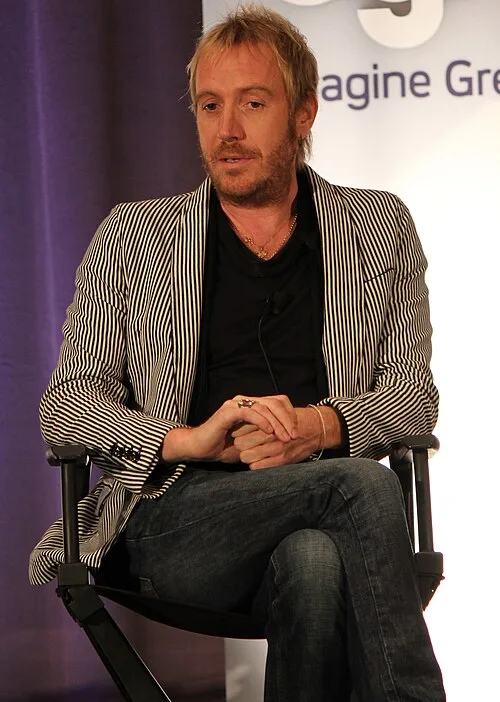
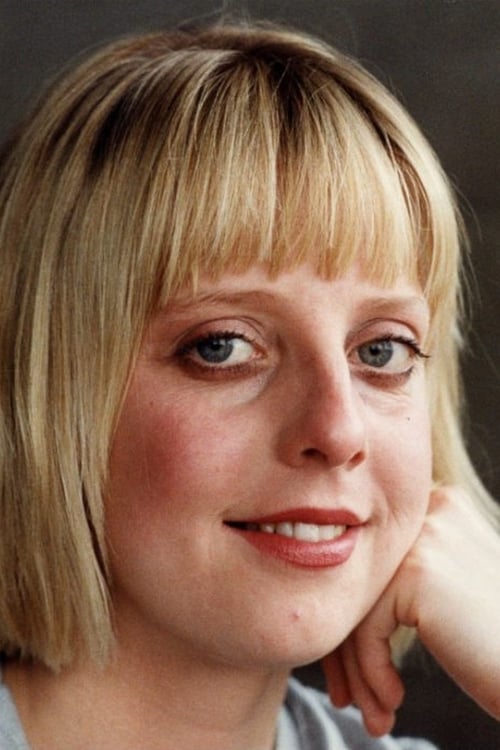

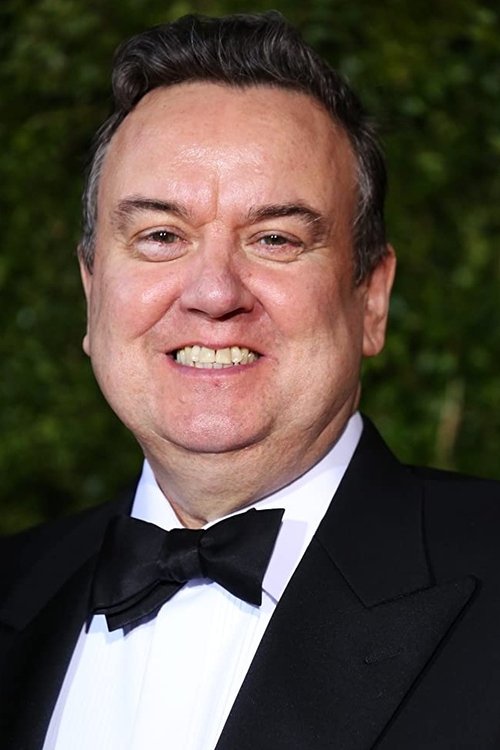
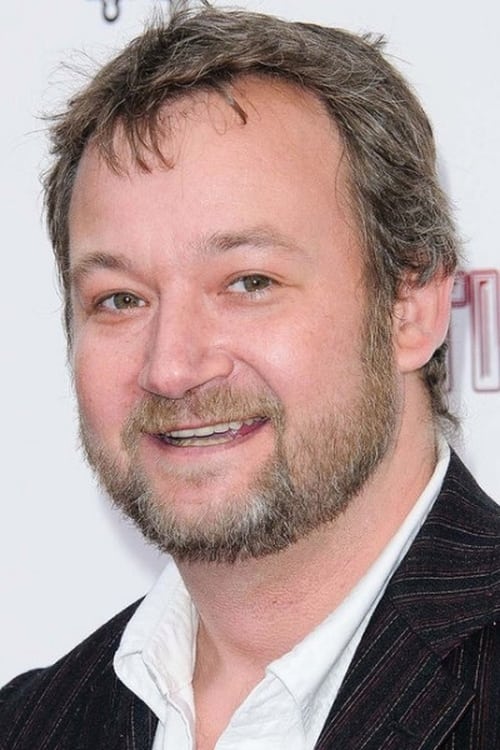



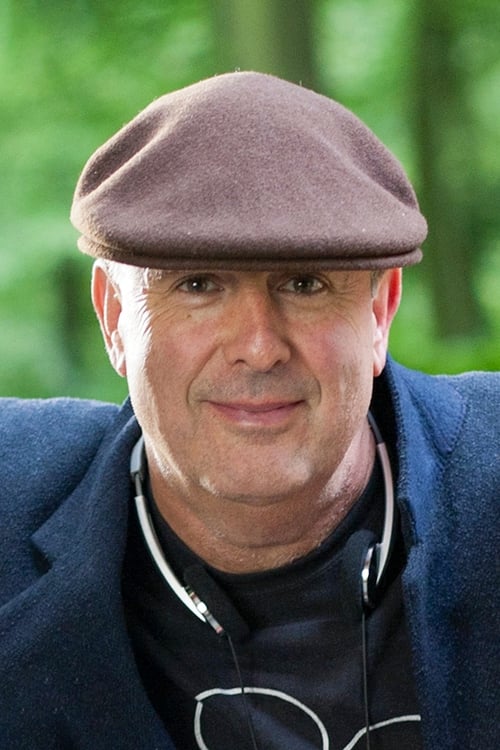
Notting Hill is a 1999 romantic comedy film directed by Roger Michell, written by Richard Curtis, and produced by Duncan Kenworthy. It stars Julia Roberts and Hugh Grant, with Rhys Ifans, Emma Chambers, Tim McInnerny, Gina McKee, and Hugh Bonneville in supporting roles. The story is of a romance between a British bookshop keeper (Grant) and a famous American actress (Roberts) who happens to walk into his shop in London's Notting Hill district.
Released on 21 May 1999 in the United Kingdom by PolyGram Filmed Entertainment and on 28 May 1999 in the United States by Universal Pictures, Notting Hill was well received by critics and was the highest-grossing British film of all time upon release, which has since been eclipsed. At the 57th Golden Globe Awards, the film received three nominations – Best Motion Picture – Musical or Comedy, Best Actress – Motion Picture Musical or Comedy (Roberts) and Best Actor – Motion Picture Musical or Comedy (Grant). It also earned two BAFTA nominations, and won a British Comedy Award and a Brit Award for its soundtrack.
Contents
Plot
William Thacker owns a travel book store in Notting Hill, London. Divorced from his wife who left him for another man (who resembles Harrison Ford), he shares a flat with Spike, a flaky and sloppy Welshman.
One day, famous Hollywood actress Anna Scott enters the shop and buys a book. Shortly after she leaves, Will goes to buy his colleague Martin a juice, but bumps into Anna while rounding a street corner, spilling it on her. He takes her to his flat across the street so she can change. When leaving, she impulsively kisses him.
Anna later invites Will to visit her at the Ritz Hotel. There, he is mistaken for a reporter and ushered into a press event for her new film. When asked, Will says he writes for Horse & Hound magazine. Anna asks to be William's date at his sister Honey's birthday party later that evening. Though his friends and family are surprised, she gets on well with everyone and enjoys herself. Later, the two enter a private neighbourhood park, where Anna again kisses Will.
At a restaurant, Will and Anna overhear a party of men at a nearby table discussing her, first praising and then disparaging her and equating actresses to prostitutes. He confronts them, then she introduces herself and calmly insults the stunned men.
Anna invites Will to her hotel room, but after discovering that her movie star boyfriend, Jeff, has unexpectedly arrived from America, he leaves. Over the next six months, Will's friends Max, Bella, Bernie and Tony arrange a series of dates for him, but Will, heartsick over Anna, is uninterested in another relationship.
One day, a distraught Anna appears at Will's doorstep, needing to hide due to a tabloid scandal. She apologises about Jeff and says their relationship is over. They discover shared interests, and discuss Will's print of Marc Chagall's 1950 painting La Mariée. Anna says it shows "how love should be" and that "happiness isn't happiness without a violin-playing goat" as depicted in the painting. They have sex that night. The next morning paparazzi, inadvertently tipped off by Spike, besiege the house and take photos of Will, Anna, and a half-dressed Spike at the front door. Furious, she blames Will and leaves.
Cast
Uncredited cast
Casting notes
Julia Roberts was the "one and only" choice for the role of Anna Scott, although Roger Michell and Duncan Kenworthy did not expect her to accept. Her agent told her it was "the best romantic comedy she had ever read". Roberts said that after reading the script she decided she was "going to have to do this".
The decision to cast Hugh Grant as William Thacker was unanimous, as he and Richard Curtis had a "writer/actor marriage made in heaven". Michell said that "Hugh does Richard better than anyone else, and Richard writes Hugh better than anyone else", and that Grant is "one of the only actors who can speak Richard's lines perfectly".
Mischa Barton appears as the child actor whom Will interviews for Horse & Hound.
The casting of Bonneville, McInnerny, McKee, Chambers, and Ifans as Will's friends was "rather like assembling a family". Michell explained, "When you are casting a cabal of friends, you have to cast a balance of qualities, of types and of sensibilities. They were the jigsaw that had to be put together all in one go, and I think we've got a very good variety of people who can realistically still live in the same world."
Sanjeev Bhaskar has a cameo role as a loud and offensive restaurant patron (who refers to Meg Ryan as "the actress who has an orgasm every time she's taken out for a cup of coffee") in the restaurant Anna and Will visit.
Omid Djalili makes an uncredited cameo as the vendor who sells Will the orange juice that Will accidentally spills on Anna moments later.
Science fiction author China Miéville was cast as an extra in the film, which he humorously described as a dystopian alternative history of an ethnically cleansed city.
Production
Richard Curtis developed the film from thoughts while lying awake at night. He described the starting point as "the idea of a very normal person going out with an unbelievably famous person and how that impinges on their lives". In an interview with GQ in 2018, Hugh Grant claimed the film was based on real life and loosely followed a friend of Richard's who fell in love with an 'extremely world-famous person who [Grant wasn't] allowed to mention'. Much like the film, Curtis's friend was an everyday person who met the well known celebrity in a shop (Harrods) and they ended up having a relationship.
The film has been likened to "a 90's London-set version of Roman Holiday". However, Curtis has said that he had not seen the 1953 film.
Four Weddings and a Funeral director Mike Newell was approached but rejected it to work on Pushing Tin. He said that in commercial terms he had made the wrong decision, but did not regret it. The producer, Duncan Kenworthy, then turned to Roger Michell, saying that "Finding someone as good as Roger, was just like finding the right actor to play each role. Roger shone out."
Roberts originally didn't want to play the role as she thought the pitch sounded terrible, but changed her mind after reading the script.
Curtis chose Notting Hill as he lived there and knew the area, saying "Notting Hill is a melting pot and the perfect place to set a film". This left the producers to film in a heavily populated area. Kenworthy noted "Early on, we toyed with the idea of building a huge exterior set. That way we would have more control, because we were worried about having Roberts and Grant on public streets where we could get thousands of onlookers." In the end they decided to film in the streets. Michell was worried "that Hugh and Julia were going to turn up on the first day of shooting on Portobello Road, and there would be gridlock and we would be surrounded by thousands of people and paparazzi photographers who would prevent us from shooting". The location team and security personnel prevented this, as well as preventing problems the presence of a film crew might have caused the residents of Notting Hill, who Michell believes were "genuinely excited" about the film. Location manager Sue Quinn described finding locations and getting permission to film as "a mammoth task". Quinn and the rest of her team had to write to thousands of people in the area, promising to donate to each person's favourite charity, resulting in 200 charities receiving money.
Soundtrack
Original music was composed by Trevor Jones. A main score was written, and excerpts were used throughout the film. The score was broken down into two songs for the soundtrack (Will and Anna/Notting Hill). Several additional songs written by other artists include Elvis Costello's cover of the Charles Aznavour song "She". Aznavour's original version can be heard during the opening credits while Elvis Costello's version is played at the end of the movie (before the end credits). Other songs are Shania Twain's remixed version of "You've Got a Way", as well as Ronan Keating's specially recorded cover of "When You Say Nothing at All"; the song reached number one in the British charts. Pulp recorded a new song "Born to Cry", which was released on the European version of the soundtrack album.
The song played when Will strides down Portobello Road is "Ain't No Sunshine" by Bill Withers. Tony and Bernie play "Blue Moon" on the piano at Tony's restaurant on the night it closes. Originally, Charles Aznavour's version of "She" was used in the film, but American test screening audiences did not respond to it. Costello was then brought in by Richard Curtis to record a cover version of the song. Both versions of the song appear in non-US releases.
The soundtrack album was released by Island Records.
US version track listing
Catalog #314 546 196-2
"No Matter What" – Boyzone (4:33)
"You've Got a Way" (Notting Hill remix) – Shania Twain (3:21)
"I Do (Cherish You)" – 98° (3:45)
"She" – Elvis Costello (3:06)
"Ain't No Sunshine" – Bill Withers (2:03)
"How Can You Mend a Broken Heart" – Al Green (6:24)
"Gimme Some Lovin'" – The Spencer Davis Group (2:57)
Release
The film premiered at the Odeon Leicester Square on 27 April 1999 and opened in the UK on 21 May 1999 and in the United States the following week.
Reception
Critical reception
Notting Hill received critical approval upon release. On Rotten Tomatoes, the film holds an approval rating of 84% based on 105 reviews, with an average rating of 7.1/10. The website's critical consensus reads: "A rom-com with the right ingredients, Notting Hill proves there's nothing like a love story well told—especially when Hugh Grant and Julia Roberts are your leads." On Metacritic, the film has a weighted average score of 68 out of 100 based on 34 critics, indicating "generally favourable reviews". Audiences polled by CinemaScore gave the film an average grade of "B+" on an A+ to F scale.
Variety's Derek Elley said that "It's slick, it's gawky, it's 10 minutes too long, and it's certainly not "Four Weddings and a Funeral Part 2" in either construction or overall tone", giving it an overall positive review. Cranky Critic called it "Bloody damned good", as well as saying that it was "A perfect date flick." Nitrate said that "Notting Hill is whimsical and light, fresh and quirky", with "endearing moments and memorable characters". In his review of the film's DVD John J. Puccio writes, "The movie is a fairy tale, and writer Richard Curtis knows how much the public loves a fairy tale", calling it "a sweet film". Desson Howe of The Washington Post gave the film a very positive review, particularly praising Rhys Ifans' performance as Spike. James Sanford gave Notting Hill three and a half stars, saying that "Curtis' dialogue may be much snappier than his sometimes dawdling plot, but the first hour of Notting Hill is so beguiling and consistently funny it seems churlish to complain that the rest is merely good." Sue Pierman of the Milwaukee Journal Sentinel stated that "Notting Hill is clever, funny, romantic—and oh, yes, reminiscent of Four Weddings and a Funeral", but that the film "is so satisfying, it doesn't pay to nitpick." Roger Ebert praised the film, saying "The movie is bright, the dialogue has wit and intelligence, and Roberts and Grant are very easy to like." Kenneth Turan gave a good review, concluding that "the film's romantic core is impervious to problems". CNN reviewer Paul Clinton said that Notting Hill "stands alone as another funny and heartwarming story about love against all odds".
Widgett Walls of Needcoffee.com gave the film "three and a half cups of coffee", stating, "The humor of the film saves it from a completely trite and unsatisfying (nay, shall I say enraging) ending", but criticising the soundtrack. Dennis Schwartz gave the film a negative review with a grade of "C−", writing, "This film was pure and unadulterated balderdash". Some criticised the film for giving a "sweetened unrealistic view of London life and British eccentricity". The Independent derided the film as "unrealistic". It was also criticised for failing to reflect the area's demographic: "Only Curtis could write a movie about Notting Hill, London's most diverse borough, and not feature a single black face in it."
Lists
Notting Hill was 95th on the British Film Institute's "list of the all-time top 100 films", based on estimates of each film's British cinema admissions.
Box office
The film opened over the Memorial Day weekend in the United States and Canada, the same weekend as Star Wars: Episode I – The Phantom Menace, and opened at #2 for the four-day weekend, grossing US$27.7 million, the biggest opening for a romantic comedy film, beating My Best Friend's Wedding (which also starred Julia Roberts). It made another US$15 million the following week. One month after its release, it lost its record for highest-grossing opening weekend for a romantic comedy film to Runaway Bride (again starring Roberts). Notting Hill grossed £31 million in the United Kingdom (the second highest-grossing film of 1999 behind The Phantom Menace) and US$116,089,678 in the United States and Canada (the 16th highest-grossing film of 1999), with a worldwide gross of US$363,889,678, making it the highest-grossing British film of all time, surpassing the record set by Four Weddings and a Funeral in 1994 (also starring Hugh Grant), and the seventh highest-grossing film of 1999.
Awards and nominations
Notting Hill won the Audience Award for Most Popular Film at the BAFTAs in 2000, and was nominated in the categories of The Alexander Korda Award for Outstanding British Film of the Year, and Best Performance by an Actor in a Supporting Role for Rhys Ifans. It won Best Comedy Film at the British Comedy Awards. Its soundtrack won Best Soundtrack at the 2000 Brit Awards. It won Best British Film, Best British Director for Roger Michell, and Best British Actor for Hugh Grant at the Empire Awards.
It received three nominations at the Golden Globes, in the categories Best Motion Picture – Comedy/Musical, Best Motion Picture Actor – Comedy/Musical for Hugh Grant, and Best Motion Picture Actress – Comedy/Musical for Julia Roberts.