Film and television roles
Wallach's film debut was in Elia Kazan's controversial 1956 Baby Doll, for which he won the British Academy Film Awards (BAFTA) as "Most Promising Newcomer." Baby Doll was controversial because of its underlying sexual theme. Director Elia Kazan however, set explicit limits on Wallach's scenes, telling him not to actually seduce Carroll Baker, but instead to create an unfulfilled erotic tension. Kazan later explained his reasoning:
What is erotic about sex to me is the seduction, not the act ... The scene on the swing with Eli Wallach and Carroll Baker in Baby Doll is my exact idea of what eroticism in films should be.
Wallach went on to a prolific career as "one of the greatest 'character actors' ever to appear on stage and screen", notes Turner Classic Movies, acting in over 90 films. Having grown up on the "mean streets" of an Italian American neighborhood, and his versatility as a method actor, Wallach developed the ability to play a wide variety of different roles, although he tried not to get pinned down to any single type of character. "Right now I'm playing an old man", he said at age 84. But "I've been through all the ethnic groups, from Mexican bandits to Italian Mafia heads to Okinawans to half-breeds, and now I'm playing old Jews. Who knows?"
Noting this versatility as a character actor, the Academy of Motion Picture Arts and Sciences called him "the quintessential chameleon", with the ability to play different characters "effortlessly", and L.A. Times theater critic Charles McNulty saw Wallach's "power to illuminate" his various screen or stage personas as being "radioactive." The Guardian has written that "Wallach was made for character acting", and includes movie clips from some of his most memorable roles in a tribute to him.
In 1961, Wallach co-starred with Marilyn Monroe, Montgomery Clift and Clark Gable in The Misfits, Monroe's and Gable's last film before their deaths. Wallach never learned why he was cast in the film, although he suspected that Monroe had something to do with it. Its screenwriter, Arthur Miller, who was married to Monroe at the time, said that "Eli Wallach is the happiest good actor I've ever known. He really enjoys the work."
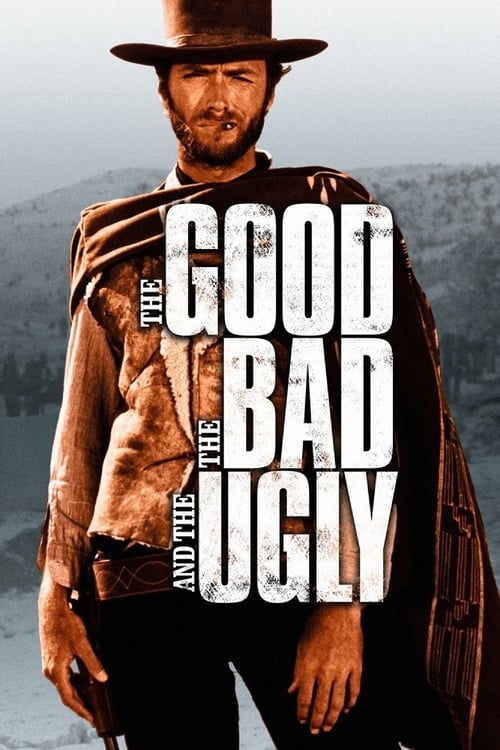
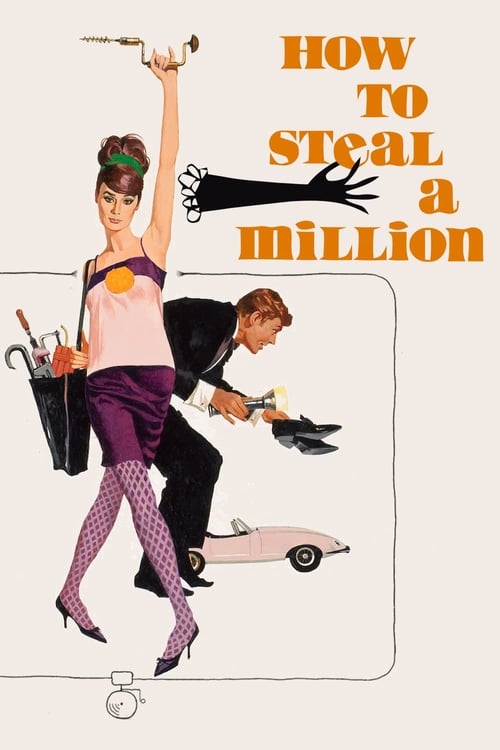
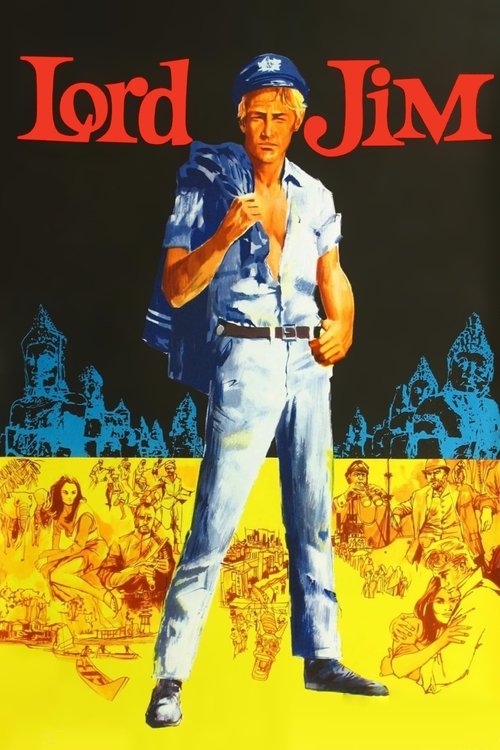
Some of his other films included The Lineup (1958); Lord Jim (1965) with Peter O'Toole; a comic role in How to Steal a Million (1966), again with O'Toole, and Audrey Hepburn; and as Tuco ("the Ugly") in Sergio Leone's The Good, the Bad and the Ugly (1966) with Clint Eastwood and Lee Van Cleef, followed by other Spaghetti Westerns, such as Ace High. At one point, Henry Fonda had asked Wallach whether he himself should accept a part offered to him to act in a similar Western, Once Upon a Time in the West (1968), which would also be directed by Leone. Wallach said "Yes, you'll enjoy the challenge", and Fonda later thanked Wallach for that advice.
Wallach and Eastwood became friends during the filming of The Good, the Bad and the Ugly and he recalled their off-work time together: "Clint was the tall, silent type. He's the kind where you open up and do all the talking. He smiles and nods and stores it all away in that wonderful calculator of a brain." In 2003 Wallach acted in Mystic River, produced and directed by Eastwood, who once said "working with Eli Wallach has been one of the great pleasures of my life."
A pivotal moment in Wallach's career came in 1953, when he, along with Frank Sinatra and Harvey Lembeck, tried out for the role of Maggio in the film From Here to Eternity. Sinatra biographer Kitty Kelly notes that while Sinatra's test was good, it had none of the "consummate acting ability" of Wallach. Producer Harry Cohn and director Fred Zinnemann were "dazzled" by Wallach's screen test and wanted him to play the part. However, Wallach had previously been offered an important role in another Tennessee Williams play, Camino Real, to be directed by Elia Kazan, and turned down the movie role. Wallach said that when he learned that the play had finally received financing, he "grabbed" the opportunity: "It was a remarkable piece of writing by the leading playwright in America and it was going to be directed by the country's best. There really wasn't much of a choice for me." The film, however, went on to win eight Academy Awards, including one for Sinatra, which revived his career. Wallach recalled afterwards, "Whenever Sinatra saw me, he'd say, 'Hello, you crazy actor!'" Wallach, however, said he had no regrets.
Film historian James Welsh states that during Wallach's career, he appeared in most of the "prestige" television dramas during the "Golden Age" of the 1950s, including Studio One, The Philco Television Playhouse, The Armstrong Circle Theatre, Playhouse 90, and The Hallmark Hall of Fame, among others. He won the 1966–1967 Emmy Award for his role in the telefilm The Poppy is Also a Flower. In 2006 Wallach appeared on NBC's Studio 60 on the Sunset Strip, playing a former writer who was blacklisted in the 1950s. His character was a writer on The Philco Comedy Hour, a show that aired on a fictional NBS network. This is a reference to The Philco Television Playhouse, in several episodes of which Wallach actually appeared in 1955. Wallach earned a 2007 Emmy nomination for his work on the show.
During the filming of The Good, the Bad and the Ugly, Wallach nearly died three times. Once, he accidentally drank a bottle of acid which was placed next to his pop bottle; another time was in a scene where he was about to be hanged, someone fired a pistol which caused the horse underneath him to bolt and run while Wallach's hands were still tied behind his back; in a different scene with him lying on a railroad track, he was close to being decapitated by steps jutting out from the train.
Wallach appeared as DC Comics' supervillain Mr. Freeze in the 1960s Batman television series. He said that he received more fan mail about his role as Mr. Freeze than for all his other roles combined. He played Gus Farber in the television miniseries Seventh Avenue in 1977, and 10 years later, at the age of 71, he starred alongside Michael Landon in Highway to Heaven episode "A Father's Faith". Three years later, he played aging mob boss Don Altobello in Francis Ford Coppola's The Godfather Part III. Eli Wallach was an actor who guest-starred on Law & Order in the episode "The Working Stiff" as Simon Vilanis in 1991.
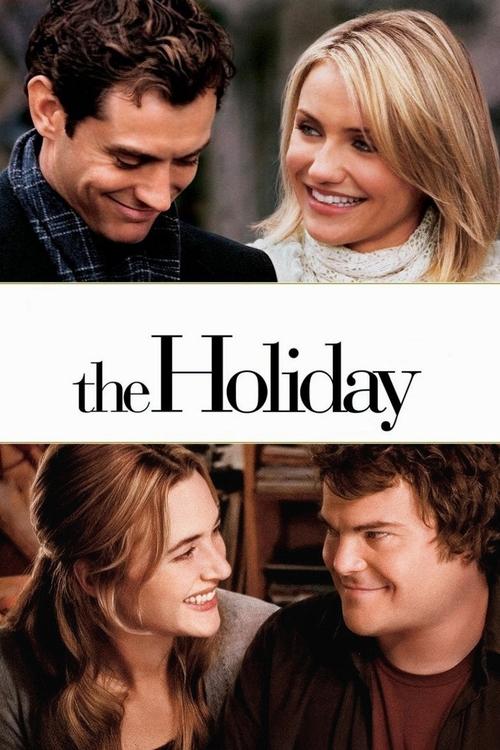
On November 13, 2010, at the age of 94, Wallach received an Academy Honorary Award for his contribution to the film industry from the Academy of Motion Picture Arts and Sciences. A few years prior to that event, Kate Winslet told another audience that Wallach, with whom she acted in The Holiday in 2006, was one of the "most charismatic men" she'd met, and her "very own sexiest man alive."
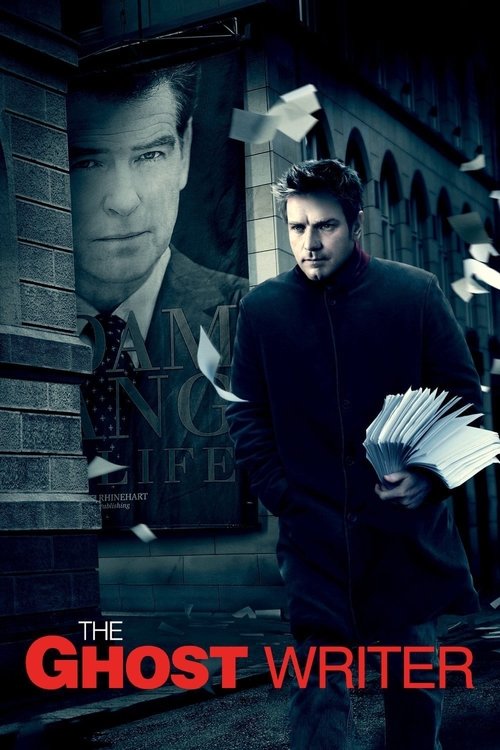
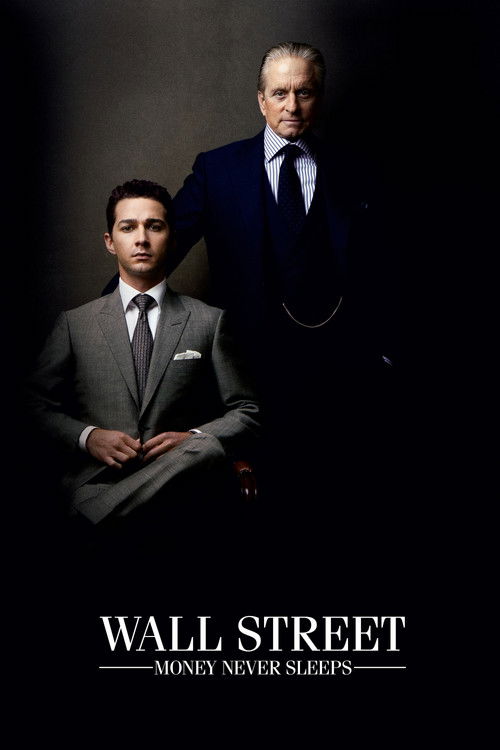
Wallach's final performance was in the short film The Train (2015). Wallach plays a Holocaust survivor who, in a meeting, teaches a self-consumed and preoccupied young man that life can change in a moment. The short was shot in early 2014 and premiered on August 6, 2015, at the Rhode Island International Film Festival.
Between 1984 and 1997, he also performed voiceovers in a series of television commercials for the Toyota Pickup.