Production
The original concept was developed from the story of a Bermuda shipwreck, the Constellation, which sank in 1942, carrying ampoules of morphine among other war cargos, such as concrete mix and pharmaceuticals. Constellation sank after possibly striking the wreckage of American Civil War blockade runner Montana, which Peter Benchley described as having sunk one on top of the other.
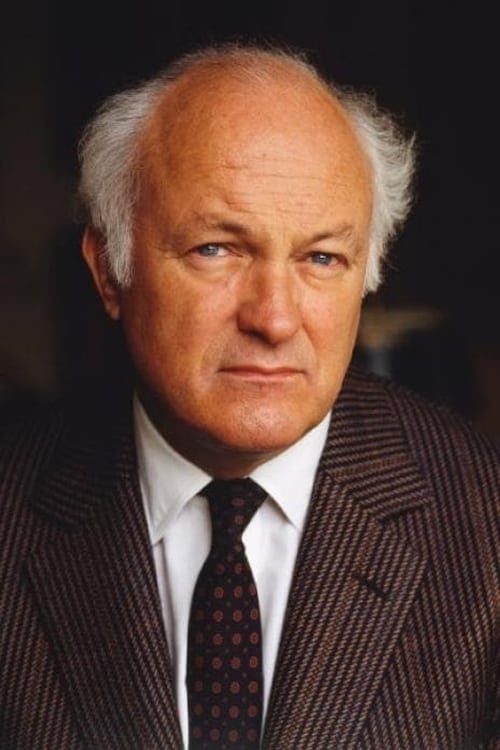
After the success of Jaws, Columbia Pictures purchased the rights to Benchley's next novel before its publication in 1976, hiring him to write a screen adaptation. After Peter Guber left his job at Columbia and signed a three-year distribution deal between Columbia and his new company Casablanca FilmWorks, he received The Deep as his company's first project. Benchley's screenplay was rewritten by Tracy Keenan Wynn and Tom Mankiewicz, while Robert Shaw and Nick Nolte rewrote much of their dialogue.
The movie was partly financed by Britain's EMI Films.
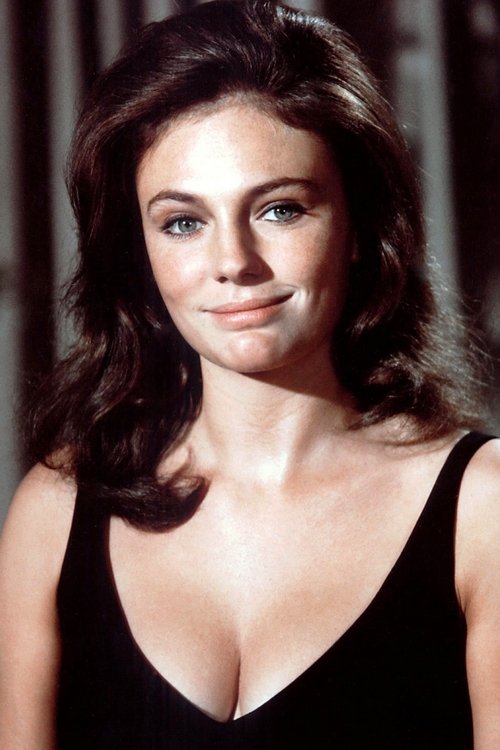
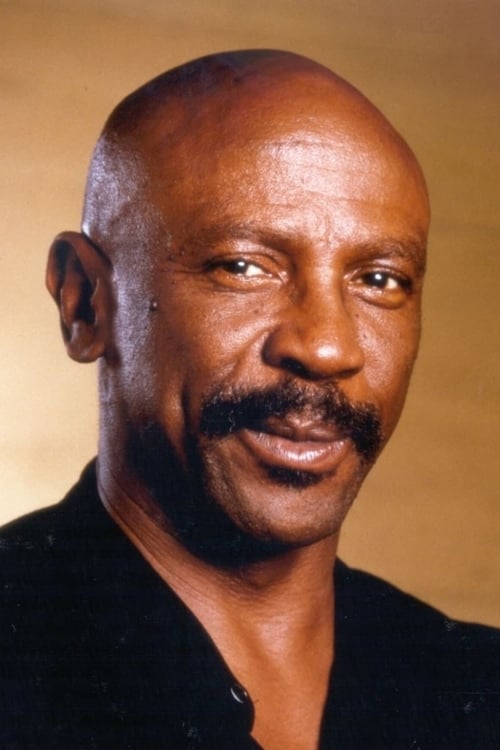
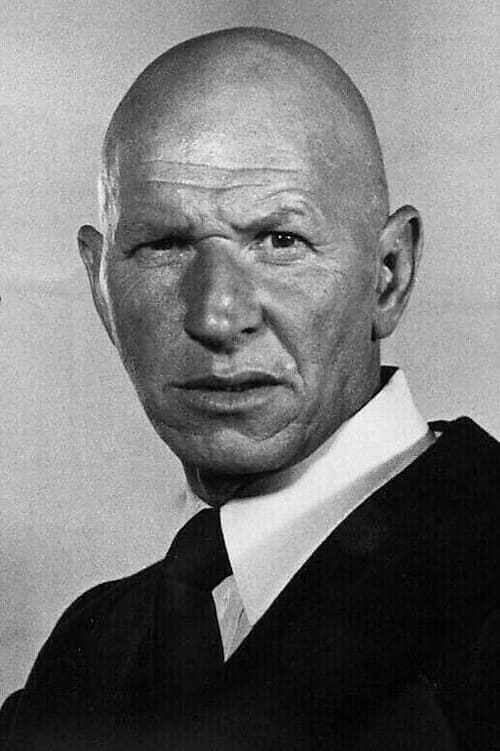
Filming began in July 1976 with open-water diving sequences off Black Rock Point, Salt Island, near Peter Island, the location of the real shipwreck of the RMS Rhone in the British Virgin Islands. By August 1976 the production was filming land sequences on location in Bermuda. Other scenes were filmed at the Great Barrier Reef in Australia. Robert Shaw was paid $650,000 plus a percentage of the profits; Bisset and Nolte were paid $200,000 each. After Shaw suggested that the film would be more realistic if the filming took place underwater, the entire cast and crew were taught how to scuba dive and filmed their scenes underwater. Although some scenes were shot in the ocean at depths of 80 feet, many of them were ultimately filmed in underwater sets to eliminate the need for decompression. The film originally had an alternate opening depicting the sinking of the Goliath in 1943, with a cameo appearance by Benchley, but it was cut from the film.
The production was responsible for a number of technical firsts, including Al Giddings' Petermar camera system and the use of specially modified 5000-watt "Senior" luminaires to provide cinematic lighting underwater. The world's biggest underwater set was dug at the summit of a historic Bermuda hill formerly known as Hospital Island at Ireland Island South.
The film was marketed with a massive advertising campaign, with Columbia spending $1.3 million in television commercials and $1.5 million in print advertising. The film was marketed in Playboy and Penthouse magazines with a still of Bisset in a wet T-shirt, although plans to make a poster of this image were cancelled after Bisset threatened to sue. After the ABC Television Network released The Making of Star Wars, Columbia produced a similar one-hour primetime special called The Making of 'The Deep' , produced, written, and directed by Peter Lake and Chuck Workman on the CBS Television Network. Research data reported in The New York Times showed that the marketing of the film was so extensive that the average moviegoer viewing the film had already seen a full 15 minutes of it.