Stardom
Streisand has recorded 50 studio albums, almost all with Columbia Records. Her early works in the 1960s (her debut The Barbra Streisand Album, The Second Barbra Streisand Album, The Third Album, My Name Is Barbra, etc.) are considered classic renditions of theatre and cabaret standards, including her pensive version of the normally uptempo "Happy Days Are Here Again". She performed this in a duet with Judy Garland on The Judy Garland Show. Garland referred to her on the air as one of the last great belters. They also sang "There's No Business Like Show Business", with Ethel Merman joining them.
Beginning with My Name Is Barbra, her early albums were often medley-filled keepsakes of her television specials. Starting in 1969, she began attempting more contemporary material, but like many talented singers of the day, she found herself out of her element with rock. Her vocal talents prevailed, and she gained newfound success with the pop and ballad-oriented Richard Perry-produced album Stoney End in 1971. The title track, written by Laura Nyro, was a major hit for Streisand.
During the 1970s, she was also highly prominent on the pop charts, with Top 10 recordings such as "The Way We Were" (US No. 1); "Evergreen (Love Theme from A Star Is Born)" (US No. 1); "No More Tears (Enough Is Enough)" (1979, with Donna Summer), which as of 2010 is reportedly still the most commercially successful duet, (US No. 1); "You Don't Bring Me Flowers" (with Neil Diamond) (US No. 1); and "The Main Event" (US No. 3), some of which came from soundtrack recordings of her films. As the 1970s ended, Streisand was named the most successful female singer in the U.S. — only Elvis Presley and The Beatles had sold more albums. In 1980, she released her best-selling effort to date, the Barry Gibb-produced Guilty. The album contained the hits "Woman in Love" (which spent several weeks on top of the pop charts in the fall of 1980), "Guilty", and "What Kind of Fool".
After years of largely ignoring Broadway and traditional pop music in favor of more contemporary material, Streisand returned to her musical-theater roots. Columbia Records objected that the songs she wanted to sing were not pop songs, but Streisand asserted the full creative control her contract gave her—'I've always had the right to sing what I want'—with 1985's The Broadway Album, which was unexpectedly successful, holding the coveted No. 1 Billboard position for three straight weeks and being certified quadruple platinum. The album featured tunes by Rodgers and Hammerstein, George Gershwin, Jerome Kern, and Stephen Sondheim, who was persuaded to rework some of his songs especially for this recording. The Broadway Album was met with acclaim, including a Grammy nomination for album of the year, and handed Streisand her eighth Grammy as Best Female Vocalist. After releasing the live album One Voice in 1986, Streisand was set to release another album of Broadway songs in 1988. She recorded several cuts for the album under the direction of Rupert Holmes, including "On My Own" (from Les Misérables), a medley of "How Are Things in Glocca Morra?", and "Heather on the Hill" (from Finian's Rainbow and Brigadoon, respectively), "All I Ask of You" (from The Phantom of the Opera), "Warm All Over" (from The Most Happy Fella), and an unusual solo version of "Make Our Garden Grow" (from Candide). Streisand was not happy with the direction of the project and it was scrapped. Only "Warm All Over" and a reworked, lite FM-friendly version of "All I Ask of You" were ever released, the latter appearing on Streisand's 1988 effort, Till I Loved You. At the beginning of the 1990s, Streisand started focusing on her film directorial efforts and became almost inactive in the recording studio. In 1991, a four-disc box set, Just for the Record, was released. A compilation spanning Streisand's entire career to date, it featured over 70 tracks of live performances, greatest hits, rarities, and previously unreleased material.
The following year, Streisand's concert fundraising events helped propel President Bill Clinton into the spotlight and into office. Streisand later introduced Clinton at his inauguration in 1993. Streisand's music career, however, was largely on hold. A 1992 appearance at an APLA benefit, as well as the aforementioned inaugural performance, hinted that Streisand was becoming more receptive to the idea of live performances. A tour was suggested, though Streisand would not immediately commit to it, citing her well-known stage fright as well as security concerns. During this time, Streisand finally returned to the recording studio and released Back to Broadway in June 1993. While Back to Broadway received less critical acclaim than its predecessor, it debuted at No. 1 on the Billboard 200, a notable achievement for a mature artist that simultaneously displaced Janet Jackson's Janet from the top position. One of the album's highlights was a medley of "I Have A Love" / "One Hand, One Heart", a duet with Johnny Mathis, who Streisand said is one of her favorite singers.
In 1993, The New York Times music critic Stephen Holden wrote that Streisand "enjoys a cultural status that only one other American entertainer, Frank Sinatra, has achieved in the last half century". In September 1993, Streisand announced her first public concert appearances in 27 years (discounting her Las Vegas nightclub performances between 1969 and 1972). What began as a two-night New Year's event at the MGM Grand Las Vegas led to a multi-city tour in the summer of 1994. Tickets for the tour sold out in under an hour. Streisand also appeared on the covers of major magazines in anticipation of what Time magazine named "The Music Event of the Century". The tour was one of the biggest all-media merchandise parlays in history. Ticket prices ranged from US$50 to US$1,500, making Streisand the highest-paid concert performer in history at the time. Barbra Streisand: The Concert went on to be the top-grossing concert of the year and earned five Emmy Awards and the Peabody Award, while the taped broadcast on HBO was the highest-rated concert special in HBO's 30-year history. Following the tour's conclusion, Streisand once again kept a low profile musically, instead focusing her efforts on acting and directing duties as well as a burgeoning romance with actor James Brolin.
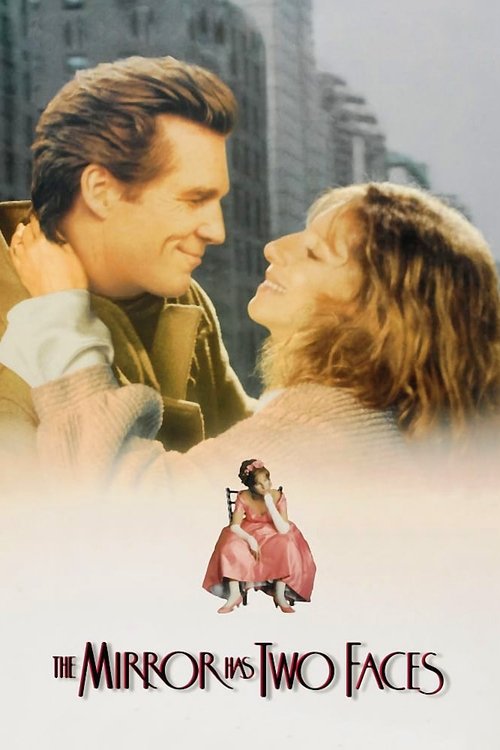
In 1996, Streisand released "I Finally Found Someone" as a duet with Canadian singer and songwriter Bryan Adams. The song was nominated for an Oscar, as it was part of the soundtrack of Streisand's self-directed movie The Mirror Has Two Faces. It reached No. 8 on the Billboard Hot 100 and was her first significant hit in almost a decade and her first Top 10 hit on the Hot 100 (and first gold single) since 1981.
In 1997, she finally returned to the recording studio, releasing Higher Ground, a collection of songs of a loosely inspirational nature that also featured a duet with Céline Dion. The album received generally favorable reviews and once again debuted at No. 1 on the pop charts. Following her marriage to Brolin in 1998, Streisand recorded A Love Like Ours the following year. Reviews were mixed, with many critics complaining about the somewhat syrupy sentiments and overly lush arrangements; however, it did produce a modest hit for Streisand in the country-tinged "If You Ever Leave Me", a duet with Vince Gill.
On New Year's Eve 1999, Streisand returned to the concert stage, selling out in the first few hours, eight months before her return. At the end of the millennium, she was the number one female singer in the U.S., with at least two No. 1 albums in each decade since she began performing. A two-disc live album, Timeless: Live in Concert, was released in 2000. Streisand performed versions of the Timeless concert in Sydney and Melbourne, Australia, in early 2000. In advance of four concerts (two each in Los Angeles and New York) in September 2000, Streisand announced that she was retiring from playing public concerts. Her performance of the song "People" was broadcast on the Internet via America Online.
Streisand's subsequent albums included Christmas Memories (2001), a somewhat somber collection of holiday songs, and The Movie Album (2003), featuring famous film themes and backed by a large symphony orchestra. Guilty Pleasures (called Guilty Too in the UK), a collaboration with Barry Gibb and a sequel to their Guilty, was released worldwide in 2005.
In February 2006, Streisand recorded the song "Smile" alongside Tony Bennett at Streisand's Malibu home. The song is included on Bennett's 80th birthday album, Duets. In September 2006, the pair filmed a live performance of the song for Tony Bennett: An American Classic, directed by Rob Marshall. The special aired on NBC on November 21, 2006, and was released on DVD the same day. Streisand's duet with Bennett opened the special.
That same year, Streisand announced her intent to tour again, in an effort to raise money and awareness for multiple issues. After four days of rehearsal at the Sovereign Bank Arena in Trenton, New Jersey, the 2006 Streisand concert tour began on October 4 at the Wachovia Center in Philadelphia, continued with a featured stop in Sunrise, Florida, and concluded at Staples Center in Los Angeles on November 20, 2006. Special guests Il Divo were interwoven throughout the show. Streisand's 20-concert tour set box office records. At the age of 64, she grossed $92,457,062 and set house gross records in 14 of the 16 arenas played on the tour. She set the third-place record for her show of October 9, 2006, at Madison Square Garden, the first- and second-place records of which are held by her two shows in September 2000. She set the second-place record at MGM Grand Garden Arena, with her December 31, 1999, show being the house record and highest-grossing concert of all time. This led many people to openly criticize Streisand for price gouging, as many tickets sold for upwards of $1,000.
A collection of performances culled from different stops on this tour, Live in Concert 2006, debuted at No. 7 on the Billboard 200, making it Streisand's 29th Top 10 album. In the summer of 2007, Streisand gave concerts for the first time in continental Europe. The first concert took place in Zürich (June 18), then Vienna (June 22), Paris (June 26), Berlin (June 30), Stockholm (July 4, canceled), Manchester (July 10), and Celbridge, near Dublin (July 14), followed by three concerts in London (July 18, 22 and 25), the only European city where Streisand had performed before 2007. Tickets for the London dates cost between £100.00 and £1,500.00, and for Ireland, between €118 and €500. The Ireland date was marred by issues with serious parking and seating problems, leading to the event's being dubbed a fiasco by Hot Press. The tour included a 58-piece orchestra.
In February 2008, Forbes listed Streisand as the No. 2-earning female musician between June 2006 and June 2007, with earnings of about $60 million. On November 17, 2008, Streisand returned to the studio to begin recording what would be her 63rd album and it was announced that Diana Krall was producing the album. Streisand is one of the recipients of the 2008 Kennedy Center Honors. On December 7, 2008, she visited the White House as part of the ceremonies.
On April 25, 2009, CBS aired Streisand's latest television special, Streisand: Live in Concert, highlighting the featured stop from her 2006 North American tour in Fort Lauderdale, Florida. On September 26, 2009, Streisand performed a one-night-only show at the Village Vanguard in New York City's Greenwich Village. This performance was later released on DVD as One Night Only: Barbra Streisand and Quartet at The Village Vanguard. On September 29, 2009, Streisand and Columbia Records released the studio album Love is the Answer, produced by Diana Krall. On October 2, 2009, Streisand made her British television performance debut with an interview on Friday Night with Jonathan Ross to promote the album. This album debuted at No. 1 on the Billboard 200 and registered her biggest weekly sales since 1997, making Streisand the only artist in history to achieve No. 1 albums in five different decades.
On February 1, 2010, Streisand joined over 80 other artists in recording a new version of the 1985 charity single "We Are the World". Quincy Jones and Lionel Richie planned to release the new version to mark the 25th anniversary of its original recording. These plans changed, however, in view of the devastating earthquake that hit Haiti on January 12, 2010, and on February 12, the song, now called "We Are the World 25 for Haiti", made its debut as a charity single to support relief aid for the island nation.
Streisand was honored as MusiCares Person of the Year on February 11, 2011, two days prior to the 53rd Annual Grammy Awards. That same year, Streisand sang "Somewhere" from the Broadway musical West Side Story with child prodigy Jackie Evancho on Evancho's album Dream with Me.
On October 11, 2012, Streisand gave a three-hour concert performance before a crowd of 18,000 as part of the ongoing inaugural events of Barclays Center (and part of her current Barbra Live tour) in Brooklyn (her first-ever public performance in her home borough). Streisand was joined onstage by trumpeter Chris Botti, Italian operatic trio Il Volo, and her son, Jason Gould. The concert included musical tributes by Streisand to Donna Summer and Marvin Hamlisch, both of whom had died earlier in 2012. Confirmed attendees included Barbara Walters, Jimmy Fallon, Sting, Katie Couric, Woody Allen, Michael Douglas, and New York City mayor Michael Bloomberg, as well as designers Calvin Klein, Donna Karan, Ralph Lauren, and Michael Kors. In June 2013, she gave two concerts in Bloomfield Stadium, Tel Aviv.
Streisand is one of many singers who use teleprompters during their live performances. Streisand has defended her choice in using teleprompters to display lyrics and, sometimes, banter.
In September 2014, she released Partners, a new album of duets that features a song with Elvis Presley as well as collaborations with Andrea Bocelli, Stevie Wonder, Lionel Richie, Billy Joel, Babyface, Michael Bublé, Josh Groban, John Mayer, John Legend, Blake Shelton, and Jason Gould. This album topped the Billboard 200, with sales of 196,000 copies in the first week, making Streisand the only recording artist to have a No. 1 album in each of the past six decades. It was also certified gold in November 2014 and platinum in January 2015, thus becoming Streisand's 52nd gold and 31st Platinum album, more than any other female artist in history.
In May 2016, Streisand announced the upcoming album Encore: Movie Partners Sing Broadway, to be released in August following a nine-city concert tour, Barbra: The Music, The Mem'ries, The Magic, including performances in Los Angeles, Las Vegas, Philadelphia, and a return to her hometown of Brooklyn. In June 2018, Streisand confirmed she was working on the new studio album Walls, released November 2, 2018, just prior to the U.S. midterm election. The album's lead single, "Don't Lie to Me", was written as a criticism of America's political climate amid the presidency of Donald Trump, while the title track alludes to Trump's frequent calls for a wall at the Mexico border.
Streisand released the single "Love Will Survive", from the television series The Tattooist of Auschwitz, on April 25, 2024.
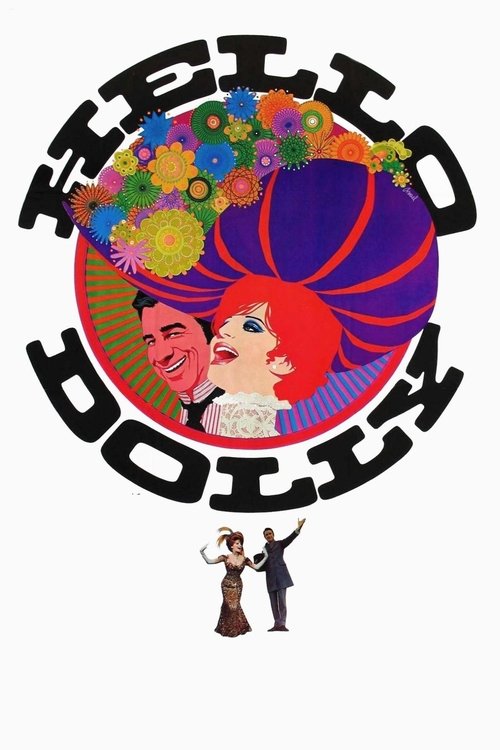
Streisand's first film was a reprise of her Broadway hit Funny Girl (1968), an artistic and commercial success directed by Hollywood veteran William Wyler. She won the 1968 Academy Award for Best Actress for the role, sharing it with Katharine Hepburn (The Lion in Winter), the only time there has been a tie in this Oscar category. Her next two movies were also based on musicals—Jerry Herman's Hello, Dolly!, directed by Gene Kelly (1969); and Alan Jay Lerner's and Burton Lane's On a Clear Day You Can See Forever, directed by Vincente Minnelli (1970)—while her fourth film was based on the Broadway play The Owl and the Pussycat (1970).
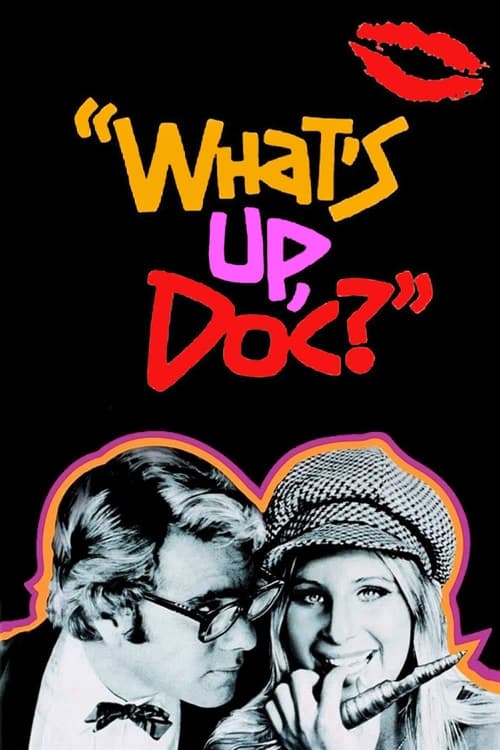
During the 1970s, Streisand starred in several screwball comedies, including What's Up, Doc? (1972) and The Main Event (1979), both co-starring Ryan O'Neal, and For Pete's Sake (1974) with Michael Sarrazin. One of her most famous roles during this period was in the drama The Way We Were (1973) with Robert Redford, for which she received an Academy Award nomination as Best Actress. She earned her second Academy Award for Best Original Song (with lyricist Paul Williams) for the song "Evergreen", from A Star Is Born in 1976, in which she also starred.
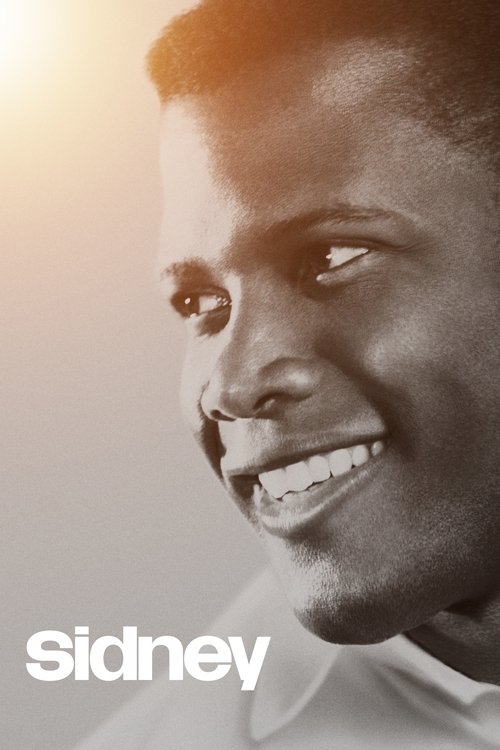
Along with Paul Newman, Sidney Poitier, and later Steve McQueen, Streisand formed First Artists Production Company in 1969 so that actors could secure properties and develop movie projects for themselves. Streisand's initial outing with First Artists was Up the Sandbox (1972).
From 1969 to 1980, Streisand appeared in Top Ten Money Making Stars Poll, the annual motion picture exhibitors poll of Top 10 Box Office attractions a total of 10 times, often as the only woman on the list. After the commercially disappointing All Night Long in 1981, Streisand's film output decreased considerably, appearing in only eight films since.
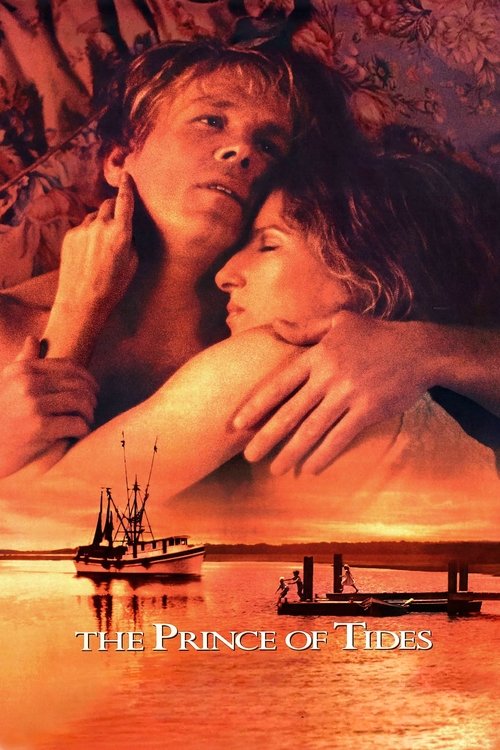
Streisand produced a number of her own films, setting up Barwood Films in 1972. Yentl (1983) was turned down by every Hollywood studio at least once when she proposed both directing and starring in the film, until Orion Pictures took on the project and gave the film a budget of $14 million. For Yentl (1983), she was producer, director, and star, an experience she repeated for The Prince of Tides (1991) and The Mirror Has Two Faces (1996). There was controversy when Yentl received five Academy Award nominations but none for the major categories of Best Picture, Actress, or Director. The Prince of Tides received even more Oscar nominations, including Best Picture and Best Screenplay, although not for director. Upon completion of the film, its screenwriter, Pat Conroy, who also authored the novel, called Streisand "a goddess who walks upon the earth."
Streisand also co-scripted Yentl (with Jack Rosenthal), something for which she is not always given credit. According to The New York Times editor Andrew Rosenthal, in an interview with Allan Wolper, "The one thing that makes Barbra Streisand crazy is when nobody gives her the credit for having written Yentl."
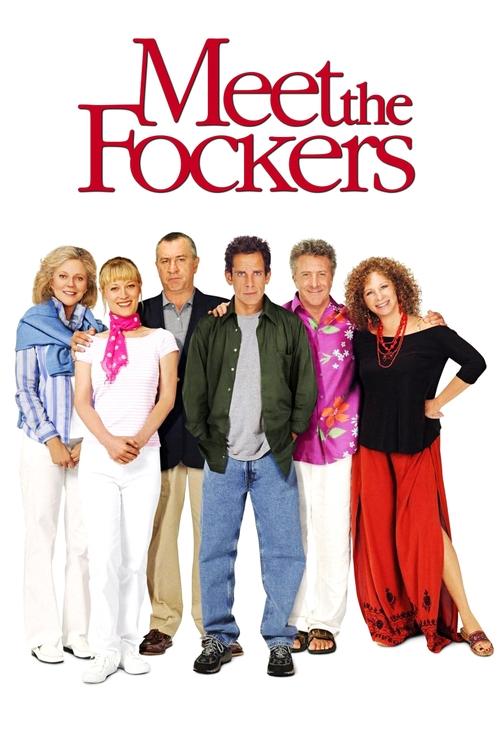
After an eight-year hiatus of screen roles, Streisand returned to film acting for the comedy Meet the Fockers (2004, a sequel to Meet the Parents), playing opposite Dustin Hoffman, Ben Stiller, Blythe Danner, and Robert De Niro.
In 2005, Streisand's Barwood Films, Gary Smith, and Sonny Murray purchased the rights to Simon Mawer's book Mendel's Dwarf. In December 2008, she stated that she was considering directing an adaptation of Larry Kramer's play The Normal Heart, a project she has worked on since the mid-1990s.
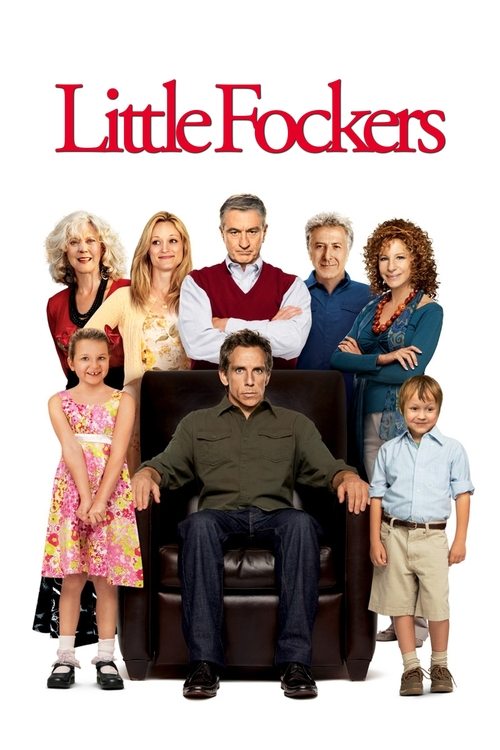
Streisand reprised the role of Roz Focker in Little Fockers (2010, alongside Dustin Hoffman), the third film from the Meet the Parents trilogy.
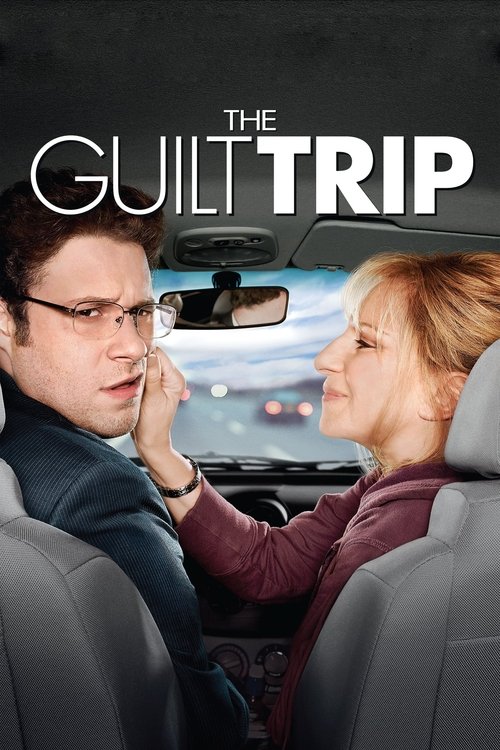
Paramount Pictures gave the green light to begin shooting the road trip comedy My Mother's Curse in early 2011, with Seth Rogen playing Streisand's character's son. Anne Fletcher directed the project, with a script by Dan Fogelman, produced by Lorne Michaels, John Goldwyn, and Evan Goldberg. Executive producers included Streisand, Rogen, Fogelman, and David Ellison, whose Skydance Productions co-financed the road movie. Shooting began in spring 2011 and wrapped in July; the film's title was eventually altered to The Guilt Trip, and the movie was released in December 2012.
Plans emerged in 2015 for Streisand to direct a feature biopic about the 18th-century Russian empress Catherine the Great, based on the top 2014 Black List script produced by Gil Netter, with Keira Knightley starring. Streisand was also set to star in a film adaptation of the musical Gypsy – featuring music by Jules Styne, book by Arthur Laurents, and lyrics by Stephen Sondheim – with Richard LaGravenese attached to the project as screenwriter. Streisand was in advanced negotiations to star and produce the film in April 2016, to be directed by Barry Levinson and distributed by STX Entertainment. Two months later, the film's script had been completed and production was scheduled to begin in early 2017. Streisand reportedly exited the project, and both failed to move into production.