

📖Best Self-Help Books of All Time
Self-help books have shaped careers, mindsets, and daily habits for generations, turning abstract ideas into repeatable practices that millions still use. The strongest ones deliver frameworks that outlast trends while addressing real problems like productivity, resilience, and relationships. Vote for the titles whose advice has mattered most in your own life.
What counts: Best equals lasting practical influence plus measurable reach. Years and sales are approximate; ratings drawn from major reader platforms.
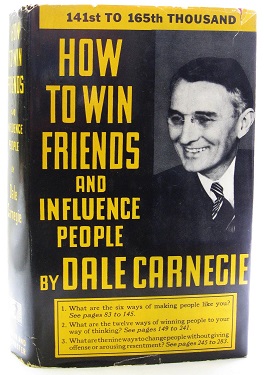
How to Win Friends and Influence People
Carnegie distilled decades of adult-education experience into six core principles that turned shy professionals into networkers. The 1936 bestseller proved that simple social techniques could accelerate careers more reliably than technical skill alone. Its endurance comes from the fact that every generation rediscovers the same human need for recognition.
Year: 1936Author: Dale CarnegieRating: 8.7/10Pages: 288Sold (M): 30 M
added by Yourlist EditorialHow to Win Friends and Influence People
30Clear turned habit research into a four-law system that shows how tiny daily choices compound into identity change. Released in 2018, it quickly became the go-to manual for people rebuilding routines after burnout. Its strength is the concrete environment-design tactics that require almost no willpower.
Year: 2018Author: James ClearRating: 8.8/10Pages: 320Sold (M): 15 M
added by Yourlist EditorialAtomic Habits
19Frankl used his concentration-camp survival to argue that meaning, not pleasure, is the primary human drive. The 1946 book introduced logotherapy and demonstrated that attitude remains the last freedom even under extreme conditions. Its lasting place comes from turning personal horror into a usable therapeutic framework.
Year: 1946Author: Viktor E. FranklRating: 8.9/10Pages: 165Sold (M): 16 M
added by Yourlist Editorialin 2 rankingsMan's Search for Meaning
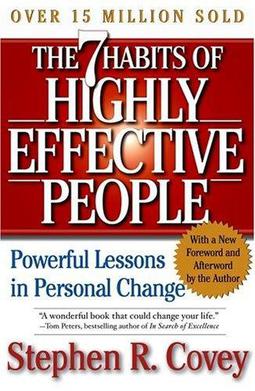
18The 7 Habits of Highly Effective People
Covey organized decades of success literature into an inside-out sequence that moves from personal responsibility to interdependent leadership. The 1989 release became the default corporate curriculum because its maturity continuum gave managers a shared language. Its power lies in the insistence that character precedes competence.
Year: 1989Author: Stephen R. CoveyRating: 8.6/10Pages: 381Sold (M): 25 M
added by Yourlist EditorialThe 7 Habits of Highly Effective People
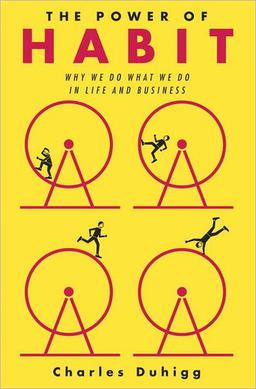
11Duhigg used neuroscience and case studies to map the cue-routine-reward loop and show how companies and individuals can redesign it. The 2012 book gave readers a diagnostic tool for breaking unwanted patterns. Its contribution is the clear distinction between keystone habits and isolated tactics.
Year: 2012Author: Charles DuhiggRating: 8.3/10Pages: 371Sold (M): 10 M
added by Yourlist EditorialThe Power of Habit
11Hill interviewed hundreds of wealthy individuals and extracted a 13-step philosophy that framed success as a mental habit rather than luck. Published at the end of the Great Depression, it gave readers a concrete plan when economic hope was scarce. Its legacy is the persistent idea that desire plus organized planning compounds over time.
Year: 1937Author: Napoleon HillRating: 8.3/10Pages: 238Sold (M): 100 M
added by Yourlist EditorialThink and Grow Rich
10Ruiz distilled ancient Toltec wisdom into four agreements that protect emotional energy from unnecessary suffering. The 1997 release offered a compact code that readers could apply immediately to relationships and self-talk. Its appeal lies in the brevity and the promise of personal freedom without complex rituals.
Year: 1997Author: Don Miguel RuizRating: 8.4/10Pages: 160Sold (M): 8 M
added by Yourlist EditorialThe Four Agreements
10Brown used vulnerability research to argue that courage requires the willingness to be seen, especially at work and in relationships. The 2012 book shifted the self-help conversation from armor to emotional exposure. Its impact comes from pairing personal stories with measurable leadership outcomes.
Year: 2012Author: Brené BrownRating: 8.5/10Pages: 320Sold (M): 4 M
added by Yourlist EditorialDaring Greatly
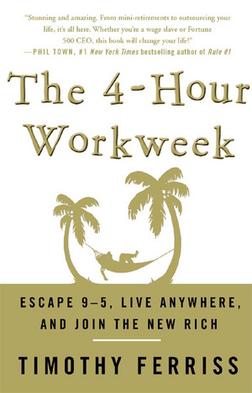
7Ferriss challenged the deferred-life plan by showing how automation and selective focus could compress decades of work into shorter bursts. The 2007 release popularized the concept of lifestyle design for knowledge workers. Its legacy is the permission to question default career timelines.
Year: 2007Author: Timothy FerrissRating: 7.6/10Pages: 308Sold (M): 2 M
added by Yourlist EditorialThe 4-Hour Workweek
7Marcus Aurelius recorded private reflections on duty, mortality, and rational control that later became the core Stoic self-help text. Written around 170 AD, the notes were never intended for publication yet have guided leaders for centuries. Its strength is the unvarnished voice of someone practicing what he preached under immense pressure.
Year: c. 170Author: Marcus AureliusRating: 8.5/10Pages: 254Sold (M): 5 M
added by Yourlist EditorialMeditations
6Grit
Duckworth demonstrated that sustained passion and perseverance predict achievement better than talent alone. The 2016 book gave readers a measurable trait and practical ways to cultivate it in children and teams. Its contribution is the shift from innate genius narratives to cultivable stamina.
Year: 2016Author: Angela DuckworthRating: 8.1/10Pages: 352Sold (M): 3 M
added by Yourlist Editorial
6Johnson used a simple parable to illustrate how people respond differently to unexpected change. The 1998 release became a corporate training staple because the story could be told in under an hour. Its lasting place comes from the memorable characters that made adaptation feel discussable.
Year: 1998Author: Spencer JohnsonRating: 7.5/10Pages: 96Sold (M): 26 M
added by Yourlist EditorialWho Moved My Cheese?
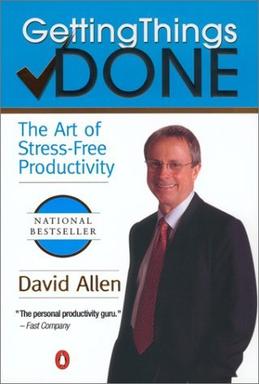
6Allen created a workflow system that externalizes tasks so the mind can focus on execution rather than recall. The 2001 book became the default productivity methodology for knowledge workers. Its strength is the precise capture-and-review process that scales from inbox to life goals.
Year: 2001Author: David AllenRating: 7.9/10Pages: 267Sold (M): 3 M
added by Yourlist EditorialGetting Things Done
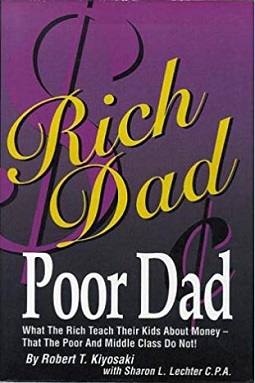
3Kiyosaki contrasted two father figures to show that financial literacy, not income, determines long-term security. The 1997 book popularized the cash-flow quadrant and asset-versus-liability distinction for a generation raised on salary thinking. Its reach stems from the simple storytelling that made balance-sheet concepts feel personal.
Year: 1997Author: Robert T. KiyosakiRating: 7.9/10Pages: 336Sold (M): 32 M
added by Yourlist EditorialRich Dad Poor Dad
2The Road Less Traveled
Peck opened with the sentence 'Life is difficult' and then mapped the discipline required to grow through suffering. The 1978 bestseller brought psychotherapy concepts to a mainstream audience seeking spiritual and psychological integration. Its endurance comes from the honest treatment of love as an act of will.
Year: 1978Author: M. Scott PeckRating: 7.8/10Pages: 316Sold (M): 7 M
added by Yourlist Editorial
2Mindset
Dweck's research on fixed versus growth mindsets gave readers a single lever that affects learning, parenting, and leadership. The 2006 book turned decades of lab work into language that schools and corporations could adopt. Its lasting value is the evidence that beliefs about ability are changeable and consequential.
Year: 2006Author: Carol S. DweckRating: 8.4/10Pages: 276Sold (M): 6 M
added by Yourlist Editorial
1Allen condensed the New Thought movement into a short meditation on how thoughts shape character and circumstances. Published in 1903, the slim volume became a foundational text for later positive-thinking literature. Its power is the direct link it draws between mental discipline and outer results.
Year: 1903Author: James AllenRating: 8/10Pages: 72Sold (M): 5 M
added by Yourlist EditorialAs a Man Thinketh
0Schwartz argued that success is determined more by belief in possibility than by current resources. The 1959 book gave readers specific mental exercises to expand their goals and self-image. Its contribution is the direct connection between thinking patterns and achievement outcomes.
Year: 1959Author: David J. SchwartzRating: 8.1/10Pages: 320Sold (M): 6 M
added by Yourlist EditorialThe Magic of Thinking Big
0The Subtle Art of Not Giving a F*ck
Manson reframed self-improvement around choosing fewer, better values rather than chasing constant positivity. The 2016 book used blunt language to make Stoic and Buddhist ideas accessible to younger readers. Its contribution is the permission to care deeply about a limited set of things.
Year: 2016Author: Mark MansonRating: 8/10Pages: 224Sold (M): 8 M
added by Yourlist EditorialThe Subtle Art of Not Giving a Fuck
0Sapiens
Harari traced how shared myths enabled large-scale cooperation and how those stories continue to shape modern behavior. The 2015 book gave readers a new lens on why certain beliefs persist and how to question them. Its contribution is the historical perspective that reframes personal and societal choices.
Year: 2015Author: Yuval Noah HarariRating: 8.7/10Pages: 443Sold (M): 23 M
added by Yourlist Editorialin 2 rankings
0Gladwell examined hidden advantages and cultural legacies to show that extraordinary success is rarely the product of individual genius alone. The 2008 book shifted readers from pure merit narratives to opportunity structures. Its contribution is the memorable 10,000-hour rule and the case studies that made systemic factors visible.
Year: 2008Author: Malcolm GladwellRating: 8.4/10Pages: 320Sold (M): 11 M
added by Yourlist EditorialOutliers
-1Tolle presented presence as the single most effective antidote to chronic anxiety and future-oriented stress. The 1997 release spread through word-of-mouth because readers experienced immediate relief from the simple exercises. Its contribution is the accessible language for stepping out of mental time travel.
Year: 1997Author: Eckhart TolleRating: 8.2/10Pages: 236Sold (M): 10 M
added by Yourlist EditorialThe Power of Now
-2Coelho told the story of a shepherd's journey to illustrate the principle that the universe conspires to help those who pursue their personal legend. The 1988 novel became a global self-help touchstone because its simple narrative carried a universal call to follow dreams. Its endurance comes from the memorable symbols that readers apply to their own obstacles.
Year: 1988Author: Paulo CoelhoRating: 8.1/10Pages: 208Sold (M): 65 M
added by Yourlist EditorialThe Alchemist
-2The Effective Executive
Drucker distilled decades of consulting into five practices that turn competent managers into executives who achieve results. The 1967 classic remains the clearest statement that effectiveness can be learned and measured. Its contribution is the focus on doing the right things rather than doing things right.
Year: 1967Author: Peter F. DruckerRating: 8.3/10Pages: 178Sold (M): 2 M
added by Yourlist Editorial
-3Csikszentmihalyi defined the optimal experience of complete absorption and showed how it can be cultivated in work and leisure. The 1990 book gave readers a scientific account of happiness that went beyond pleasure. Its contribution is the concrete conditions that produce flow states.
Year: 1990Author: Mihaly CsikszentmihalyiRating: 8.2/10Pages: 322Sold (M): 3 M
added by Yourlist Editorialflow
-5Robbins packaged neuro-linguistic programming and peak-performance techniques into a comprehensive life-management system. The 1991 release turned his seminars into a mass-market manual for emotional and financial mastery. Its reach stems from the promise of rapid, total transformation.
Year: 1991Author: Tony RobbinsRating: 7.7/10Pages: 544Sold (M): 3 M
added by Yourlist EditorialAwaken the Giant Within
-5