
🎮Best PS1 Games of All Time
The PS1 era defined 3D gaming with groundbreaking stories, innovation, and polish that still resonate. From epic RPGs to stealth classics, these titles shaped genres and fan memories. Vote to rank your favorites and settle the debates.
What counts: Best means cultural impact, gameplay innovation, replay value, and lasting legacy on the PS1; figures are approximate round numbers.
Polyphony Digital's 1997 racer delivered realistic simulation with hundreds of licensed cars that hooked sim fans. Its license tests became a signature grind that rewarded mastery.
Release Year: 1997Genre: RacingMetacritic: 9.3/10Sales (millions): 11 MDeveloper: Polyphony Digital
added by Yourlist EditorialGran Turismo
24Silent Hill▲ Rising
Konami's 1999 horror used fog and radio static to build psychological terror in a foggy town. The narrative twists and multiple endings made it a cult classic.
Release Year: 1999Genre: Survival HorrorMetacritic: 8.6/10Sales (millions): 2 MDeveloper: Konami
added by Yourlist EditorialSilent Hill
17Kojima's 1998 stealth masterpiece used the PS1's 3D space for tension-filled infiltration that felt cinematic. The Psycho Mantis boss fight broke the fourth wall and cemented its innovative legacy.
Release Year: 1998Genre: StealthMetacritic: 9.4/10Sales (millions): 7 MDeveloper: Konami
added by Yourlist Editorialin 6 rankingsMetal Gear Solid
15Naughty Dog's 1996 platformer launched the PS1 with colorful levels and precise jumping that showcased 3D platforming potential. Its spinning attack and boss fights made it an instant mascot hit.
Release Year: 1996Genre: PlatformerMetacritic: 8.5/10Sales (millions): 7 MDeveloper: Naughty Dog
added by Yourlist Editorialin 2 rankingsCrash Bandicoot
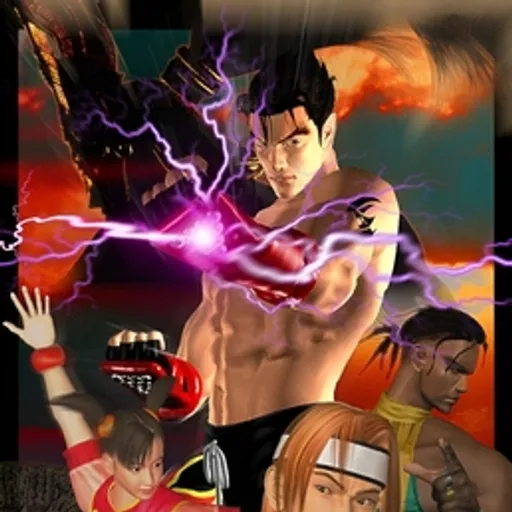
14Namco's 1997 fighter brought fluid 3D combat and a deep roster that dominated arcades and homes. The Eddy Gordo introduction and tag elements pushed fighting game boundaries.
Release Year: 1997Genre: FightingMetacritic: 9.1/10Sales (millions): 8 MDeveloper: Namco
added by Yourlist Editorialin 3 rankingsTekken 3
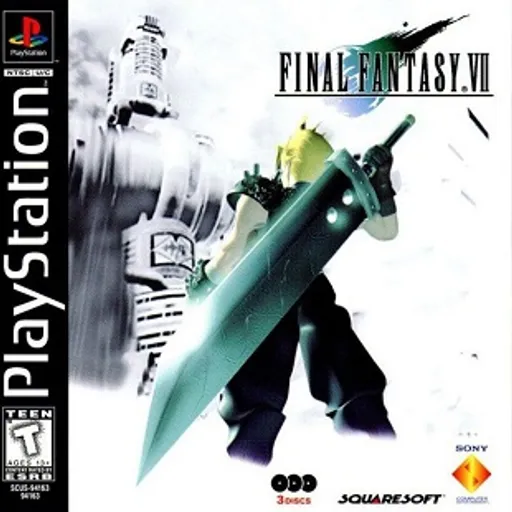
14Square's 1997 epic turned a niche series mainstream by dropping players into a dystopian world with Cloud and Sephiroth. Its FMV cutscenes and materia system created a signature moment that sold millions and defined JRPGs.
Release Year: 1997Genre: RPGMetacritic: 9.2/10Sales (millions): 10 MDeveloper: Square
added by Yourlist Editorialin 7 rankingsFinal Fantasy VII
12Core Design's 1996 adventure introduced Lara Croft and fluid platforming in ancient tombs that defined action-adventure. The T-Rex encounter showed the PS1's 3D potential.
Release Year: 1996Genre: Action-AdventureMetacritic: 8.7/10Sales (millions): 7 MDeveloper: Core Design
added by Yourlist EditorialTomb Raider
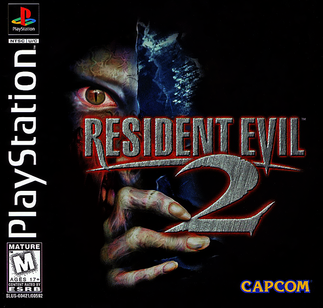
10Capcom's 1998 survival horror sequel expanded the mansion formula into a zombie-filled city with dual protagonists. The licker encounter and limited ammo created unmatched dread that defined the genre.
Release Year: 1998Genre: Survival HorrorMetacritic: 9/10Sales (millions): 5 MDeveloper: Capcom
added by Yourlist EditorialResident Evil 2
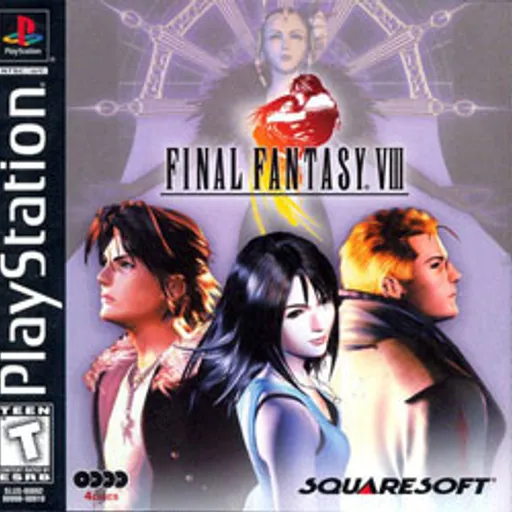
7Square's 1999 sequel shifted to a modern setting with junction magic and a love story between Squall and Rinoa. The GF summons delivered spectacular set pieces.
Release Year: 1999Genre: RPGMetacritic: 8.9/10Sales (millions): 8 MDeveloper: Square
added by Yourlist Editorialin 2 rankingsFinal Fantasy VIII
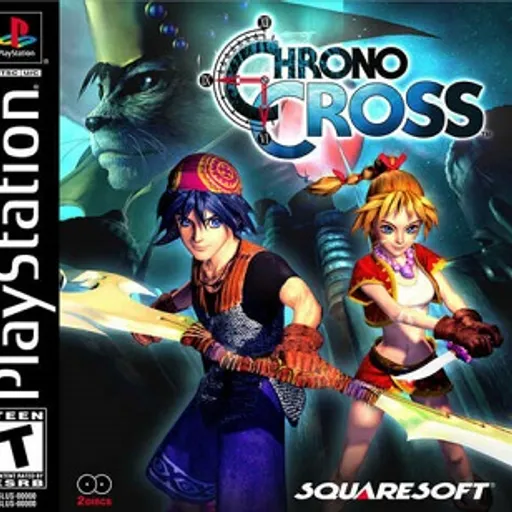
7Square's 1999 spiritual sequel offered 40+ characters and parallel worlds that expanded on Chrono Trigger's time themes. Its orchestral score and battle system stood out.
Release Year: 1999Genre: RPGMetacritic: 9/10Sales (millions): 1.5 MDeveloper: Square
added by Yourlist EditorialChrono Cross
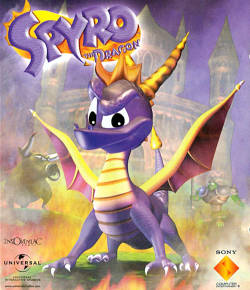
6Insomniac's 1998 platformer offered open levels and dragon flight that felt liberating after linear games. Its vibrant worlds and collectathon gameplay earned a loyal following.
Release Year: 1998Genre: PlatformerMetacritic: 8.3/10Sales (millions): 5 MDeveloper: Insomniac Games
added by Yourlist Editorialin 2 rankingsSpyro the Dragon
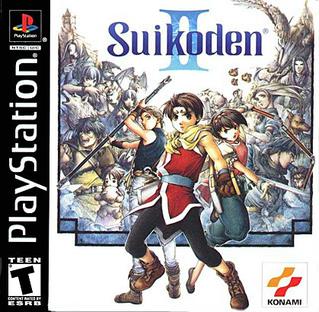
5Konami's 1998 RPG delivered a war story with 108 recruitable characters and deep politics. Its branching paths and base-building gave it massive replay value.
Release Year: 1998Genre: RPGMetacritic: 8.8/10Sales (millions): 1 MDeveloper: Konami
added by Yourlist Editorialin 2 rankingsSuikoden II
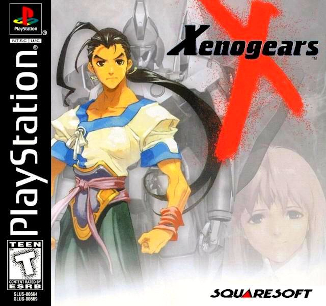
5Square's 1998 ambitious RPG mixed mechs with philosophical themes and a massive story. Its disc 2 structure and deep combat earned a dedicated fanbase despite flaws.
Release Year: 1998Genre: RPGMetacritic: 8.4/10Sales (millions): 1 MDeveloper: Square
added by Yourlist Editorialin 2 rankingsXenogears
4Prokion's 1998 RPG used a unique combo-based battle system with summonable spirits. Its post-apocalyptic world and seru mechanics offered fresh gameplay.
Release Year: 1998Genre: RPGMetacritic: 7.8/10Sales (millions): 1 MDeveloper: Prokion
added by Yourlist EditorialLegend of Legaia
4SingleTrac's 1996 vehicular combat game let players battle across real-world locations with over-the-top weapons. Sweet Tooth's chaotic arena fights became iconic.
Release Year: 1996Genre: Vehicular CombatMetacritic: 8.2/10Sales (millions): 2 MDeveloper: SingleTrac
added by Yourlist EditorialTwisted Metal 2
2Ubisoft's 1995 platformer used vibrant worlds and precise jumps without a traditional health bar. Its cartoon style and level design stood out on the early PS1.
Release Year: 1995Genre: PlatformerMetacritic: 8/10Sales (millions): 3 MDeveloper: Ubisoft
added by Yourlist EditorialRayman
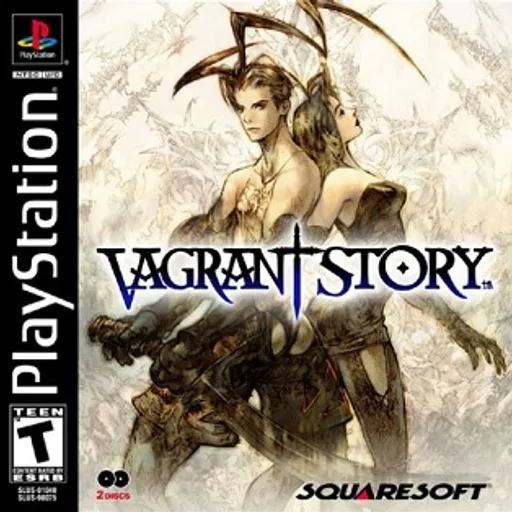
2Square's 2000 action RPG focused on weapon crafting and a dark fantasy tale in Leá Monde. Its risk system and chain attacks rewarded tactical play.
Release Year: 2000Genre: Action RPGMetacritic: 8.7/10Sales (millions): 0.8 MDeveloper: Square
added by Yourlist EditorialVagrant Story
-1Media.Vision's 1996 RPG mixed Western themes with puzzle dungeons and gunplay. Its ARM weapons and theme song created a memorable identity.
Release Year: 1996Genre: RPGMetacritic: 7.9/10Sales (millions): 1 MDeveloper: Media.Vision
added by Yourlist Editorialin 2 rankingsWild Arms
-1Einhander
Square's 1997 shooter delivered intense side-scrolling action with customizable ships. Its dystopian story and boss fights made it a standout import title.
Release Year: 1997Genre: ShooterMetacritic: 8.3/10Sales (millions): 0.5 MDeveloper: Square
added by Yourlist Editorial
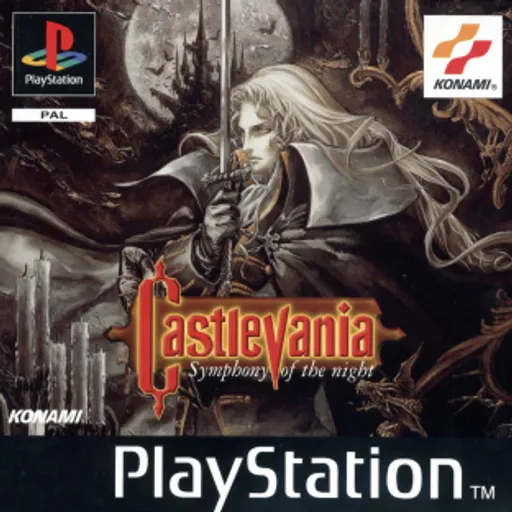
-1Castlevania: Symphony of the Night
Konami's 1997 masterpiece flipped the series into a sprawling castle exploration with RPG elements. Alucard's powers and hidden rooms created endless discovery.
Release Year: 1997Genre: MetroidvaniaMetacritic: 9.3/10Sales (millions): 1 MDeveloper: Konami
added by Yourlist Editorialin 4 rankingsCastlevania: Symphony of the Night
-2Neversoft's 2000 skate game perfected combo systems and created a cultural phenomenon with its soundtrack. The create-a-skater mode let players express creativity.
Release Year: 2000Genre: SportsMetacritic: 9.2/10Sales (millions): 7 MDeveloper: Neversoft
added by Yourlist Editorialin 5 rankingsTony Hawk's Pro Skater 2
-6Sony's 1999 platformer required the DualShock's analog sticks to catch monkeys with gadgets. Its inventive controls and colorful worlds made it a system seller.
Release Year: 1999Genre: PlatformerMetacritic: 8.6/10Sales (millions): 2 MDeveloper: Sony
added by Yourlist EditorialApe Escape
-8Capcom's 1999 survival horror swapped zombies for dinosaurs in a research facility. Its tense chases and puzzle solving delivered fresh scares.
Release Year: 1999Genre: Survival HorrorMetacritic: 8/10Sales (millions): 2 MDeveloper: Capcom
added by Yourlist EditorialDino Crisis
-9Square's 1998 horror RPG blended Resident Evil style with turn-based battles in a bio-terror story. Its mitochondria plot and New York setting created unique tension.
Release Year: 1998Genre: RPGMetacritic: 8.1/10Sales (millions): 1.5 MDeveloper: Square
added by Yourlist EditorialParasite Eve
-10Soul Blade
Namco's 1996 fighter introduced weapon-based combat and Edge Master mode. Its 3D arena battles and character creation set it apart from 2D fighters.
Release Year: 1996Genre: FightingMetacritic: 8.1/10Sales (millions): 2 MDeveloper: Namco
added by Yourlist Editorial
-11