⛪Best Popes of All Time
Popes have shaped doctrine, politics, and culture for two millennia, from defining Christianity to navigating global crises. Their legacies range from sweeping reforms to divisive controversies, with lasting effects on billions. Vote for the ones whose impact you rank highest.
What counts: Best means greatest historical, doctrinal, and institutional impact on the Church and world; figures are approximate where records are incomplete.
Pope John Paul II
John Paul II guided the Church through the Cold War's end and into a global media age, famously accelerating communism's collapse in Eastern Europe. His 27-year reign emphasized human rights and interfaith dialogue while expanding the College of Cardinals worldwide.
Reign: 1978-2005Canonized: ✓Ecumenical Councils: 0Influence: 9/10Major Reforms: 4
added by Yourlist Editorial
39Pope Leo XIII▲ Rising
Leo XIII modernized Catholic social teaching with Rerum Novarum and reopened dialogue with secular states after decades of tension. His long reign bridged the Church into the industrial era.
Reign: 1878-1903Canonized: —Ecumenical Councils: 0Influence: 8/10Major Reforms: 4
added by Yourlist EditorialLeo XIII
27Pius IX convened Vatican I, defined papal infallibility, and lost the Papal States yet centralized doctrine and expanded missions globally.
Reign: 1846-1878Canonized: —Ecumenical Councils: 1Influence: 7/10Major Reforms: 3
added by Yourlist EditorialPius IX
23Innocent III asserted papal supremacy over kings and launched the Fourth Crusade and Albigensian Crusade while convening Lateran IV. He transformed the papacy into Europe's dominant political force.
Reign: 1198-1216Canonized: —Ecumenical Councils: 1Influence: 9/10Major Reforms: 3
added by Yourlist EditorialInnocent III
22Gregory the Great reorganized Church administration and launched the mission to convert England, establishing the papacy as a spiritual and temporal power. His writings and liturgical reforms shaped medieval Christianity for centuries.
Reign: 590-604Canonized: ✓Ecumenical Councils: 0Influence: 9/10Major Reforms: 5
added by Yourlist EditorialGregory I
19Sixtus V reorganized the Roman Curia into modern congregations and rebuilt Rome with grand urban projects.
Reign: 1585-1590Canonized: —Ecumenical Councils: 0Influence: 6/10Major Reforms: 3
added by Yourlist EditorialSixtus V
18John XXIII called Vatican II, opening the Church to modern engagement and ecumenism after centuries of defensive posture.
Reign: 1958-1963Canonized: ✓Ecumenical Councils: 1Influence: 8/10Major Reforms: 2
added by Yourlist EditorialJohn XXIII
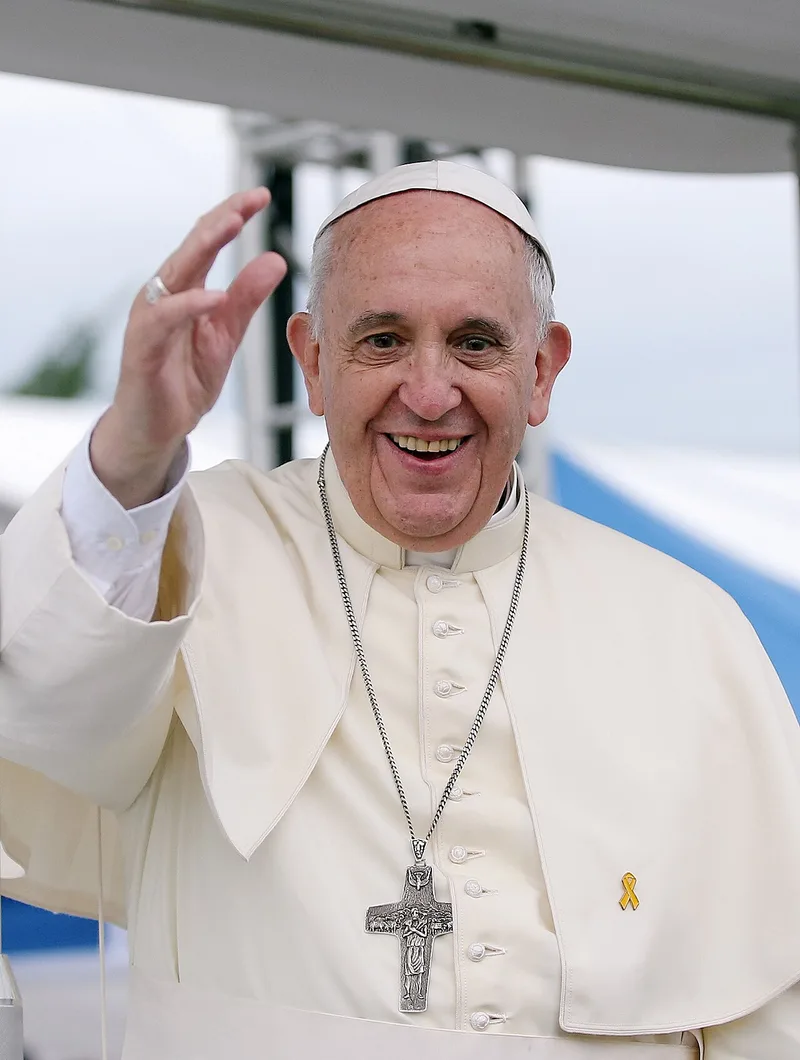
17Francis has emphasized mercy, care for creation, and synodality while reforming Vatican finances and curia structures.
Reign: 2013-presentCanonized: —Ecumenical Councils: 0Influence: 7/10Major Reforms: 4
added by Yourlist Editorialin 3 rankingsPope Francis
10Leo the Great negotiated with Attila the Hun and articulated Christological doctrine at Chalcedon, elevating Rome's doctrinal authority.
Reign: 440-461Canonized: ✓Ecumenical Councils: 0Influence: 8/10Major Reforms: 2
added by Yourlist EditorialPope Leo
9Gregory VII fought lay investiture in the Investiture Controversy, asserting the pope's right to depose emperors and freeing the Church from secular control.
Reign: 1073-1085Canonized: ✓Ecumenical Councils: 0Influence: 8/10Major Reforms: 3
added by Yourlist EditorialGregory VII
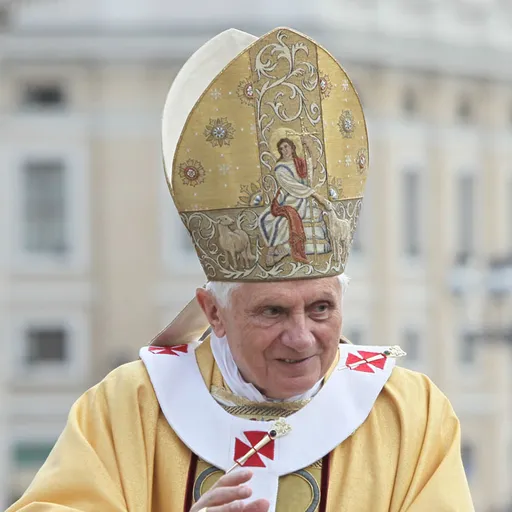
6Benedict XVI resigned to focus on prayer and writing after clarifying doctrine amid secular challenges and abuse scandals.
Reign: 2005-2013Canonized: —Ecumenical Councils: 0Influence: 7/10Major Reforms: 2
added by Yourlist EditorialPope Benedict XVI
6Pope Pius XII
Pius XII navigated World War II and the Holocaust with quiet diplomacy while expanding the Church in the Americas and Asia.
Reign: 1939-1958Canonized: —Ecumenical Councils: 0Influence: 6/10Major Reforms: 2
added by Yourlist Editorial
6Urban II launched the First Crusade, uniting Western Christendom under papal leadership against external threats.
Reign: 1088-1099Canonized: —Ecumenical Councils: 0Influence: 7/10Major Reforms: 2
added by Yourlist EditorialPope Urban II
5Paul VI closed Vatican II and issued Humanae Vitae while traveling widely as the first pope to visit multiple continents.
Reign: 1963-1978Canonized: ✓Ecumenical Councils: 1Influence: 7/10Major Reforms: 3
added by Yourlist EditorialPaul VI
4Pius V standardized the Tridentine Mass and excommunicated Elizabeth I, enforcing Counter-Reformation discipline.
Reign: 1566-1572Canonized: ✓Ecumenical Councils: 0Influence: 5/10Major Reforms: 2
added by Yourlist EditorialPius V
4Nicholas I asserted papal authority over Eastern patriarchs and enforced clerical celibacy across Europe.
Reign: 858-867Canonized: ✓Ecumenical Councils: 0Influence: 6/10Major Reforms: 2
added by Yourlist EditorialNicholas I
1Boniface VIII issued Unam Sanctam declaring papal supremacy over all rulers, climaxing medieval papal claims.
Reign: 1294-1303Canonized: —Ecumenical Councils: 0Influence: 5/10Major Reforms: 1
added by Yourlist EditorialBoniface VIII
0Pope St. Peter
Peter established the Roman see as the apostolic foundation, martyred under Nero and recognized as first pope by tradition.
Reign: c. 30-64Canonized: ✓Ecumenical Councils: 0Influence: 10/10Major Reforms: 1
added by Yourlist Editorial
-1Alexander VI navigated Renaissance politics and divided New World territories yet damaged papal prestige through nepotism.
Reign: 1492-1503Canonized: —Ecumenical Councils: 0Influence: 4/10Major Reforms: 1
added by Yourlist EditorialAlexander VI
-2Julius II commissioned Michelangelo and Raphael while expanding papal territory through military campaigns.
Reign: 1503-1513Canonized: —Ecumenical Councils: 0Influence: 6/10Major Reforms: 1
added by Yourlist EditorialJulius II
-3Innocent XI reformed Church finances and opposed Louis XIV's Gallicanism, restoring papal moral authority.
Reign: 1676-1689Canonized: ✓Ecumenical Councils: 0Influence: 5/10Major Reforms: 2
added by Yourlist EditorialInnocent XI
-6Benedict XIV promoted scholarship and revised missionary rules while maintaining relations with Enlightenment states.
Reign: 1740-1758Canonized: —Ecumenical Councils: 0Influence: 5/10Major Reforms: 2
added by Yourlist EditorialBenedict XIV
-10Pius X reformed liturgy, promoted frequent communion, and centralized Church governance against modernism.
Reign: 1903-1914Canonized: ✓Ecumenical Councils: 0Influence: 5/10Major Reforms: 3
added by Yourlist EditorialPius X
-10Clement XIII defended the Jesuits against suppression and maintained papal independence amid Enlightenment pressures.
Reign: 1758-1769Canonized: —Ecumenical Councils: 0Influence: 4/10Major Reforms: 1
added by Yourlist EditorialClement XIII
-10Sixtus IV built the Sistine Chapel and strengthened the papal states while elevating family members.
Reign: 1471-1484Canonized: —Ecumenical Councils: 0Influence: 4/10Major Reforms: 1
added by Yourlist EditorialSixtus IV
-12Paul III convened the Council of Trent, launched the Jesuit order, and reformed papal administration.
Reign: 1534-1549Canonized: —Ecumenical Councils: 1Influence: 6/10Major Reforms: 3
added by Yourlist EditorialPaul III
-16