
🤘Best Metal Songs of All Time
Heavy metal has delivered thunderous riffs and anthems of defiance since the late 1960s, shaping everything from thrash to doom. The greatest songs combine technical mastery, emotional weight, and cultural staying power that still fills arenas and inspires new bands. Vote to crowd-rank the definitive order.
What counts: Best means unmatched riff power, historical influence on metal subgenres, vocal and instrumental execution, and lasting fan and critical devotion. Lengths and impact scores are approximate.
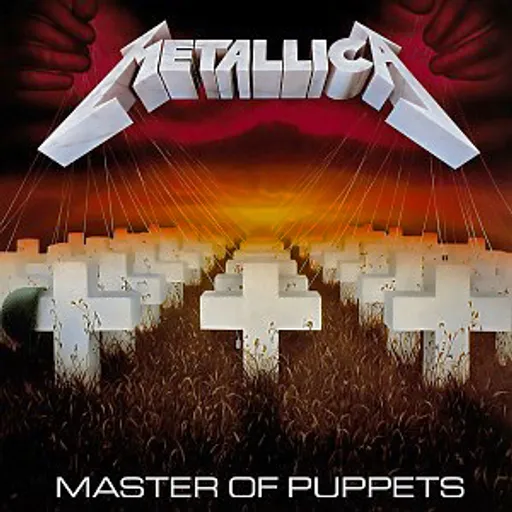
Metallica's 1986 masterpiece follows the slow tightening of control from innocent play to battlefield slaughter, exploding in the famous descending riff and extended instrumental middle. It crystallized thrash metal's speed and precision at the peak of the band's early era. The song tops this list for its unmatched structural ambition and riff that every metal guitarist learns first.
Year: 1986Artist: MetallicaAlbum: Master of PuppetsLength: 8:35Impact: 9.8/10
added by Yourlist Editorialin 2 rankingsMaster of Puppets
36Iron Maiden's 1982 epic follows a condemned man's final hours with soaring twin-guitar harmonies and Bruce Dickinson's operatic delivery. The song's dynamic shifts from quiet reflection to galloping climax made it a live centerpiece for decades. It claims this spot for proving metal could carry genuine narrative drama and emotional range.
Year: 1982Artist: Iron MaidenAlbum: The Number of the BeastLength: 7:12Impact: 9.4/10
added by Yourlist EditorialHallowed Be Thy Name
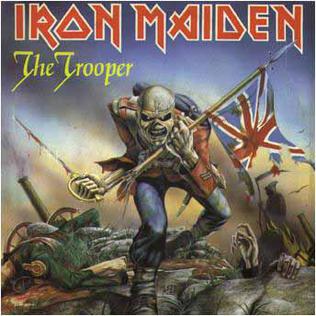
27Iron Maiden's 1983 single charges through the Charge of the Light Brigade with galloping bass and dual-guitar harmonies that became their signature. The song turned historical events into fist-pumping metal and defined the band's live spectacle era. It earns its place as the ultimate example of Maiden's narrative drive and melodic precision.
Year: 1983Artist: Iron MaidenAlbum: Piece of MindLength: 6:24Impact: 8.8/10
added by Yourlist Editorialin 2 rankingsThe Trooper
24Black Sabbath distilled industrial dread into four minutes of pounding riff and Ozzy's desperate vocal on their 1970 breakthrough single. Written in minutes during a studio break, it captured postwar paranoia and became the template for every heavy band that followed. Its raw simplicity earns the high rank as the song that invented the metal blueprint.
Year: 1970Artist: Black SabbathAlbum: ParanoidLength: 2:48Impact: 9.7/10
added by Yourlist Editorialin 3 rankingsParanoid
13Slayer's 1986 closer unleashes a torrent of down-tuned riffs and Tom Araya's guttural screams over a relentless double-kick assault. Written as pure catharsis, it became the gold standard for thrash extremity. The track ranks here for crystallizing the most aggressive side of metal and influencing every death-metal band that followed.
Year: 1986Artist: SlayerAlbum: Reign in BloodLength: 4:41Impact: 9.3/10
added by Yourlist EditorialRaining Blood
12Ozzy Osbourne's 1980 solo debut opens with a signature guitar riff that immediately signals the post-Sabbath era. Randy Rhoads' neoclassical soloing and Ozzy's unhinged vocal turn the track into an instant radio staple. It earns its ranking as the perfect bridge from classic heavy metal into the 1980s mainstream.
Year: 1980Artist: Ozzy OsbourneAlbum: Blizzard of OzzLength: 4:50Impact: 9.2/10
added by Yourlist Editorialin 3 rankingsCrazy Train
10Metallica's 1991 single used a simple, ominous riff and clean intro to launch the Black Album's commercial explosion. The song's stadium-sized chorus and horror-movie imagery made metal radio-friendly without sacrificing heaviness. It earns the spot for proving the genre could dominate the mainstream on its own terms.
Year: 1991Artist: MetallicaAlbum: MetallicaLength: 5:31Impact: 9/10
added by Yourlist Editorialin 4 rankingsEnter Sandman
9Metallica's 1988 album opener delivers a crushing down-tuned riff and environmental warning that showed the band evolving after Master of Puppets. The song's technical complexity and dark atmosphere made it a fan favorite. It earns its spot for bridging thrash with the band's later heavier direction.
Year: 1988Artist: MetallicaAlbum: And Justice for AllLength: 6:41Impact: 7.8/10
added by Yourlist EditorialBlackened
4Slayer's 1986 track dives into the horrors of Nazi doctor Josef Mengele with some of the fastest and most technical riffs of the era. The song's unrelenting brutality helped define the boundary between thrash and death metal. It earns its place for pushing metal's lyrical and sonic extremes further than almost any predecessor.
Year: 1986Artist: SlayerAlbum: Reign in BloodLength: 4:51Impact: 8.3/10
added by Yourlist EditorialAngel of Death
3Metallica's 1984 ballad uses clean guitars and acoustic passages to explore depression and suicide before exploding into distorted rage. The song showed the band could balance melody and heaviness and became a fan favorite for its emotional honesty. It ranks here for expanding metal's emotional palette.
Year: 1984Artist: MetallicaAlbum: Ride the LightningLength: 6:55Impact: 8.1/10
added by Yourlist EditorialFade to Black
3Iron Maiden's 1982 single used Native American history as a vehicle for galloping riffs and Bruce Dickinson's soaring vocals. The song became a concert staple and introduced many listeners to the band's historical storytelling. It ranks here for its perfect blend of speed, melody, and thematic weight.
Year: 1982Artist: Iron MaidenAlbum: The Number of the BeastLength: 3:50Impact: 8.4/10
added by Yourlist EditorialRun to the Hills
2Black Sabbath's 1975 track blends heavy riffing with jazz-influenced drumming and lyrics about cosmic forces. The song's experimental edge helped push metal beyond simple three-chord structures. It earns its place as an early example of metal's willingness to incorporate progressive elements.
Year: 1975Artist: Black SabbathAlbum: SabotageLength: 6:38Impact: 8/10
added by Yourlist EditorialSymptom of the Universe
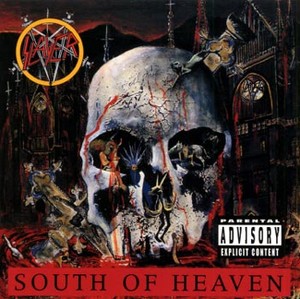
2Slayer's 1988 title track slows the tempo slightly while keeping the aggression high, creating a menacing atmosphere that influenced groove and death metal. The song's mid-tempo stomp and dark lyrics gave the band a new weapon. It ranks here for expanding Slayer's sound beyond pure speed.
Year: 1988Artist: SlayerAlbum: South of HeavenLength: 4:58Impact: 7.7/10
added by Yourlist EditorialSouth of Heaven
2Black Sabbath's 1970 lumbering riff tells the story of a war-scarred veteran through Tony Iommi's down-tuned guitar and Geezer Butler's bleak lyrics. The song's slow-motion menace became the foundation of doom metal. Its enduring power comes from how completely it embodies metal's outsider stance.
Year: 1970Artist: Black SabbathAlbum: ParanoidLength: 5:56Impact: 9.1/10
added by Yourlist Editorialin 11 rankingsIron Man
1Judas Priest's 1990 title track delivered Rob Halford's highest screams over a double-kick assault that pushed the band into thrash territory. Written as a statement of survival after personal struggles, it became the band's late-career peak. The song ranks high for proving veteran metal acts could still outpace younger bands.
Year: 1990Artist: Judas PriestAlbum: PainkillerLength: 6:06Impact: 8.9/10
added by Yourlist EditorialPainkiller
-1Black Sabbath's 1970 album closer uses a slow, crushing riff and Geezer Butler's anti-war lyrics to paint a dystopian vision that still feels relevant. The song's brooding atmosphere helped define doom and stoner metal decades later. Its ranking reflects how completely it embodies metal's social-commentary roots.
Year: 1970Artist: Black SabbathAlbum: ParanoidLength: 7:57Impact: 8.6/10
added by Yourlist EditorialWar Pigs
-1Motörhead's 1980 title track races forward on Lemmy's bass-as-lead assault and a chorus built for leather-jacket singalongs. It distilled punk energy into metal's DNA and became the band's eternal calling card. The song earns its place for sheer velocity and attitude that still defines speed metal.
Year: 1980Artist: MotörheadAlbum: Ace of SpadesLength: 2:47Impact: 9.5/10
added by Yourlist Editorialin 2 rankingsAce of Spades
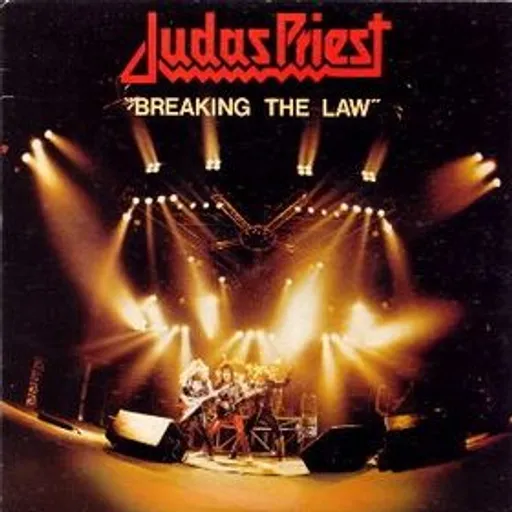
-2Judas Priest's 1980 single delivered a simple, anthemic chorus over tight twin-guitar work that became a staple of 80s metal. The song's working-class defiance and Halford's leather-clad image made it an instant classic. It earns its spot as the quintessential Priest fist-pumper.
Year: 1980Artist: Judas PriestAlbum: British SteelLength: 2:47Impact: 8.5/10
added by Yourlist EditorialBreaking the Law
-2Hell Bent for Leather
Judas Priest's 1978 track races forward on a motorcycle-gang theme with Halford's leather-and-chains persona fully formed. The song's driving riff and chorus made it a live favorite and a defining NWOBHM statement. It earns the ranking for capturing the leather-and-studs spirit that became metal's visual language.
Year: 1978Artist: Judas PriestAlbum: Killing MachineLength: 2:41Impact: 8.2/10
added by Yourlist Editorial
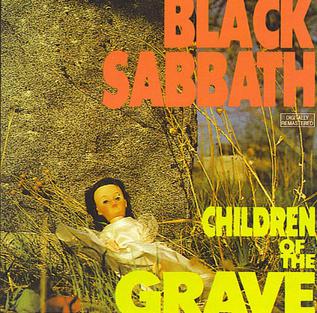
-4Black Sabbath's 1971 track uses a heavy, repetitive riff and lyrics about generational rebellion to create an early metal rallying cry. The song's simple power influenced countless bands in the doom and stoner scenes. It ranks here for its foundational role in metal's development.
Year: 1971Artist: Black SabbathAlbum: Master of RealityLength: 5:15Impact: 7.5/10
added by Yourlist EditorialChildren of the Grave
-4Iron Maiden's 1982 title track uses biblical imagery and a galloping riff to launch the band's most successful era. Bruce Dickinson's high vocals and the song's dramatic structure made it an instant anthem. It ranks here for perfectly capturing Maiden's epic storytelling at its commercial peak.
Year: 1982Artist: Iron MaidenAlbum: The Number of the BeastLength: 4:50Impact: 7.9/10
added by Yourlist EditorialThe Number of the Beast
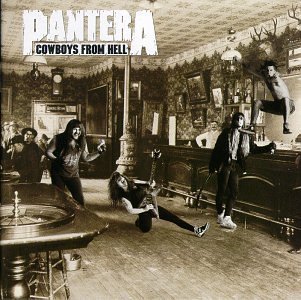
-6Pantera's 1990 title track introduced the band's signature groove-metal sound with down-tuned guitars and Phil Anselmo's aggressive vocals. The song marked the shift from hair metal to a heavier, more modern approach. It ranks here for launching the groove-metal movement that dominated the 90s.
Year: 1990Artist: PanteraAlbum: Cowboys from HellLength: 4:04Impact: 7.3/10
added by Yourlist EditorialCowboys from Hell
-7Metallica opens their 1986 album with a military snare and rapid-fire riff that immediately declares war on complacency. The track's relentless energy and anti-war message made it an instant set-opener. It ranks here for capturing the band's peak intensity before mainstream success.
Year: 1986Artist: MetallicaAlbum: Master of PuppetsLength: 5:12Impact: 8.7/10
added by Yourlist EditorialBattery
-9Caught in a Mosh
Anthrax's 1987 track captures the chaotic energy of the New York thrash scene with rapid riffs and a mosh-pit-ready chorus. The song helped bring hardcore attitude into metal and became a live staple. It earns its ranking for representing the fun, aggressive side of 80s thrash.
Year: 1987Artist: AnthraxAlbum: Among the LivingLength: 4:59Impact: 7.4/10
added by Yourlist Editorial
-10Judas Priest's 1980 single offers a straightforward party anthem with a catchy chorus and Halford's confident delivery. The song became a staple of 80s metal radio and live sets. It earns its place as the perfect example of Priest's accessible yet heavy side.
Year: 1980Artist: Judas PriestAlbum: British SteelLength: 3:30Impact: 7.6/10
added by Yourlist EditorialLiving After Midnight
-12