❤️Best Love Songs of All Time
Love songs shape how generations express devotion, longing, and commitment, often becoming the soundtrack to real relationships. The stakes are high: these tracks must feel sincere, memorable, and lasting rather than fleeting trends. Vote for the ones whose melody and message still move you most.
What counts: Best means the song's emotional resonance, cultural staying power, and melodic craft; figures for ratings are approximate round numbers.
Whitney Houston's soaring 1992 version turned Dolly Parton's tender farewell into an anthem of unbreakable devotion. Its peak moment—the final chorus that fills arenas—captures love's grandeur and sacrifice. The track earns its top spot by making every listener feel the weight of forever.
Year: 1992Artist: Whitney HoustonGenre: Pop BalladEmotional Impact: 10/10Timelessness: 10/10
added by Yourlist Editorialin 4 rankingsI Will Always Love You
35Etta James turned a 1941 standard into a 1960 declaration of hard-won joy that still opens countless weddings. The signature horn swell and her raw delivery mark the exact second doubt melts into certainty. It earns its rank by proving love feels like arrival after a long journey.
Year: 1960Artist: Etta JamesGenre: SoulEmotional Impact: 9/10Timelessness: 10/10
added by Yourlist EditorialAt Last
34Elvis Presley's 1961 waltz took a Shakespeare quote and turned it into an everyday vow that refuses to age. The gentle guitar and his vulnerable baritone create the moment you accept love's inevitability. It sits high because it feels both royal and ordinary at once.
Year: 1961Artist: Elvis PresleyGenre: PopEmotional Impact: 9/10Timelessness: 10/10
added by Yourlist EditorialCan't Help Falling in Love
22Elton John's 1970 piano ballad captured the awkward honesty of new love with lyrics that sound like they were written on a napkin. The sparse arrangement lets the words land like a private confession turned public. It earns its place by showing love needs no grand gestures, just truth.
Year: 1970Artist: Elton JohnGenre: Pop RockEmotional Impact: 9/10Timelessness: 9/10
added by Yourlist EditorialYour Song
20The Beach Boys' 1966 harmony masterpiece turned uncertainty into devotion with the daring line "God only knows what I'd be without you." Brian Wilson's arrangement creates a cathedral of voices that feels both fragile and eternal. It ranks because it captures love's mystery with orchestral grace.
Year: 1966Artist: The Beach BoysGenre: PopEmotional Impact: 9/10Timelessness: 9/10
added by Yourlist EditorialGod Only Knows
20Al Green's 1972 plea used silky falsetto and a steady groove to argue that love is a daily choice worth fighting for. The signature "let's stay together" hook feels like both promise and prayer. It ranks high because it blends sensuality with commitment without excess.
Year: 1972Artist: Al GreenGenre: SoulEmotional Impact: 8/10Timelessness: 9/10
added by Yourlist EditorialLet's Stay Together
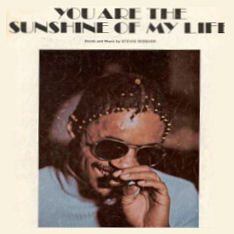
15You Are the Sunshine of My Life
Stevie Wonder's 1972 upbeat declaration used bright horns and joyful scat to celebrate love as daily light. The infectious groove turns gratitude into celebration rather than longing. It ranks high because it makes affection feel like spring morning.
Year: 1972Artist: Stevie WonderGenre: SoulEmotional Impact: 7/10Timelessness: 8/10
added by Yourlist EditorialYou Are the Sunshine of My Life
14Frank Sinatra's 1964 take on the Jerome Kern standard captured the stunned awe of seeing someone you love across a room. The gentle swing and tender phrasing turn a compliment into a lifelong memory. It earns its place by celebrating everyday beauty without exaggeration.
Year: 1964Artist: Frank SinatraGenre: JazzEmotional Impact: 8/10Timelessness: 9/10
added by Yourlist EditorialThe Way You Look Tonight
12The Righteous Brothers' 1965 plea built unbearable tension through soaring vocals and silence, making longing feel physical. Its signature high note became the sound of waiting for someone to return. The song ranks high because it turns absence into presence.
Year: 1965Artist: The Righteous BrothersGenre: SoulEmotional Impact: 9/10Timelessness: 9/10
added by Yourlist EditorialUnchained Melody
10Dionne Warwick's 1967 Bacharach-David gem turned daily routine into quiet devotion with a melody that feels like a heartbeat. The light bossa rhythm lets the words of care land softly yet persistently. It ranks because it captures love as constant thought rather than grand statement.
Year: 1967Artist: Dionne WarwickGenre: PopEmotional Impact: 8/10Timelessness: 8/10
added by Yourlist EditorialI Say a Little Prayer
10The Temptations' 1965 Motown hit used sunshine imagery and a walking bass line to paint love as pure uplift. David Ruffin's confident lead turns simple affection into shared triumph. It earns its place by making joy feel communal and effortless.
Year: 1965Artist: The TemptationsGenre: SoulEmotional Impact: 8/10Timelessness: 9/10
added by Yourlist EditorialMy Girl
8George Harrison's 1969 Beatles track used a simple descending melody to express quiet certainty amid doubt. The moment the strings swell under the bridge turns personal affection into something cosmic. It earns its spot by proving love can be understated yet profound.
Year: 1969Artist: The BeatlesGenre: RockEmotional Impact: 8/10Timelessness: 9/10
added by Yourlist Editorialin 2 rankingsSomething
7Ben E. King's 1961 promise turned a simple bass line into a vow of loyalty that survived civil rights marches and playgrounds alike. The call-and-response chorus creates the feeling of community inside one relationship. It ranks because it makes love feel like shelter.
Year: 1961Artist: Ben E. KingGenre: SoulEmotional Impact: 8/10Timelessness: 10/10
added by Yourlist Editorialin 2 rankingsStand by Me
7Percy Sledge's 1966 Southern soul confession revealed love's willingness to endure pain and sacrifice. The raw ache in his voice and the slow build make devotion sound costly yet necessary. It ranks because it refuses to sugarcoat what love demands.
Year: 1966Artist: Percy SledgeGenre: SoulEmotional Impact: 8/10Timelessness: 8/10
added by Yourlist EditorialWhen a Man Loves a Woman
5Diana Ross and Lionel Richie's 1981 duet turned cinematic romance into a chart-dominating vow of permanence. Their intertwined vocals create the feeling of two people becoming one voice. It earns its spot by embodying the grand, sweeping love story people still crave.
Year: 1981Artist: Diana Ross & Lionel RichieGenre: Pop BalladEmotional Impact: 8/10Timelessness: 8/10
added by Yourlist EditorialEndless Love
5Billy Joel's 1977 piano ballad defended unconditional acceptance in an era of changing relationships. The warm horns and steady build turn a simple reassurance into an anthem of security. It earns its spot by making love feel like home rather than conquest.
Year: 1977Artist: Billy JoelGenre: Soft RockEmotional Impact: 8/10Timelessness: 8/10
added by Yourlist EditorialJust the Way You Are
-1The Bangles' 1988 hit used gentle acoustic verses and a swelling chorus to describe love that refuses to fade. Susanna Hoffs' intimate delivery turns the title metaphor into a quiet promise. It earns its place by balancing softness with lasting commitment.
Year: 1988Artist: The BanglesGenre: PopEmotional Impact: 7/10Timelessness: 7/10
added by Yourlist EditorialEternal Flame
-3Sinéad O'Connor's 1990 stripped-down version turned Prince's song into a raw portrait of grief after love ends. The close-up video and single tear made vulnerability feel public and necessary. It ranks because it shows love's absence can be as powerful as its presence.
Year: 1990Artist: Sinéad O'ConnorGenre: PopEmotional Impact: 9/10Timelessness: 8/10
added by Yourlist Editorialin 3 rankingsNothing Compares 2 U
-5Bonnie Tyler's 1983 power ballad turned heartbreak into theatrical longing with a chorus that demands full voice. Jim Steinman's dramatic production makes love feel like a storm you survive together. It earns its spot by proving emotional excess can still be sincere.
Year: 1983Artist: Bonnie TylerGenre: Pop RockEmotional Impact: 8/10Timelessness: 7/10
added by Yourlist Editorialin 2 rankingsTotal Eclipse of the Heart
-6Foreigner's 1984 arena ballad turned gospel choir backing into a desperate search for real connection. The massive chorus makes the question feel universal and urgent. It ranks because it captures the moment someone finally admits they don't have all the answers.
Year: 1984Artist: ForeignerGenre: Rock BalladEmotional Impact: 7/10Timelessness: 7/10
added by Yourlist Editorialin 2 rankingsI Want to Know What Love Is
-7Stevie Wonder's 1976 celebration of new fatherhood used joyful harmonica and handclaps to turn personal love into shared celebration. The spontaneous feel makes the emotion feel freshly discovered every time. It ranks because it expands love beyond romance into pure gratitude.
Year: 1976Artist: Stevie WonderGenre: SoulEmotional Impact: 7/10Timelessness: 8/10
added by Yourlist EditorialIsn't She Lovely
-9The Jackson 5's 1970 promise used youthful sincerity and tight harmonies to offer love as reliable presence. Michael's young voice makes commitment sound both innocent and unbreakable. It earns its place by showing devotion can begin early and last.
Year: 1970Artist: The Jackson 5Genre: SoulEmotional Impact: 7/10Timelessness: 8/10
added by Yourlist EditorialI'll Be There
-13Crazy Little Thing Called Love
Queen's 1979 rockabilly romp treated love as joyful madness with Freddie Mercury's playful swagger. The quick tempo and handclaps turn romance into something fun and slightly dangerous. It earns its spot by showing love doesn't always have to be serious.
Year: 1979Artist: QueenGenre: RockEmotional Impact: 7/10Timelessness: 8/10
added by Yourlist Editorialin 2 rankingsCrazy Little Thing Called Love
-13Elvis Presley's 1956 gentle ballad used a Civil War melody to deliver simple, almost childlike devotion. The soft delivery made love feel safe and reassuring in a changing world. It ranks because it proves tenderness can be revolutionary in its own quiet way.
Year: 1956Artist: Elvis PresleyGenre: PopEmotional Impact: 7/10Timelessness: 8/10
added by Yourlist EditorialLove Me Tender
-18Frank Sinatra's 1956 Cole Porter standard turned obsession into sophisticated swing with Nelson Riddle's bold arrangement. The moment the brass kicks in shows love as both irresistible and slightly dangerous. It earns its place by making passion sound classy yet urgent.
Year: 1956Artist: Frank SinatraGenre: JazzEmotional Impact: 8/10Timelessness: 8/10
added by Yourlist EditorialI've Got You Under My Skin
-20