📖Best Christian Books of All Time
From Augustine to Lewis, these works have shaped theology, devotion, and daily faith across centuries. Influence, depth, and enduring readability determine their standing. Vote now to rank them!
What counts: Best means most spiritually transformative, theologically enduring, and widely read. Pages are approximate; influence and devotional ratings are 0-10 scales.
Augustine’s 397 AD conversion narrative laid the foundation for Western Christian autobiography and introspection. Its raw honesty about sin and grace set the template for later spiritual memoirs. No other early work matches its personal depth and lasting theological reach.
Year: 397Author: Augustine of HippoLength: 350 ppInfluence: 10/10Devotional Value: 9/10
added by Yourlist Editorialin 3 rankingsConfessions
19C.S. Lewis’s 1952 radio talks distilled core Christian beliefs into clear, logical arguments that still convert skeptics. Its moral-law reasoning and trilemma about Christ remain signature moments in apologetics. Few books bridge intellectual and lay audiences so effectively.
Year: 1952Author: C.S. LewisLength: 227 ppInfluence: 10/10Devotional Value: 8/10
added by Yourlist EditorialMere Christianity
17The Pilgrim's Progress
Bunyan’s 1678 allegory follows Christian’s journey from the City of Destruction to the Celestial City, embedding doctrine in vivid story. Its memorable characters and trials made theology accessible to generations of ordinary readers. The work’s narrative power keeps it in print four centuries later.
Year: 1678Author: John BunyanLength: 300 ppInfluence: 9/10Devotional Value: 9/10
added by Yourlist Editorial
15Chesterton’s 1908 defense of Christian faith through paradox and romance rescued apologetics from dry rationalism. His joyful rediscovery of doctrine as adventure remains a landmark. The book’s wit and imagination still draw readers outside traditional circles.
Year: 1908Author: G.K. ChestertonLength: 160 ppInfluence: 8/10Devotional Value: 7/10
added by Yourlist EditorialOrthodoxy
11J.I. Packer’s 1973 exposition of God’s attributes combined Reformed theology with warm devotion. Its chapter on adoption became a landmark for evangelical understanding of sonship. The work remains a standard text in seminaries and small groups.
Year: 1973Author: J.I. PackerLength: 288 ppInfluence: 8/10Devotional Value: 9/10
added by Yourlist EditorialKnowing God
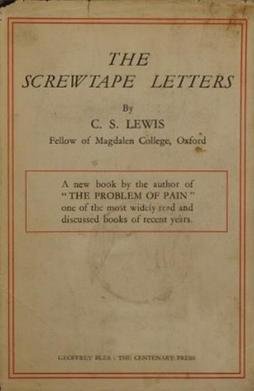
11Lewis’s 1942 fictional correspondence between two demons exposed subtle temptations with piercing clarity. Its reverse psychology approach made spiritual warfare concrete for millions. The book’s satirical edge keeps it both entertaining and convicting.
Year: 1942Author: C.S. LewisLength: 160 ppInfluence: 9/10Devotional Value: 8/10
added by Yourlist EditorialThe Screwtape Letters
10Corrie ten Boom’s 1971 memoir of hiding Jews and surviving Ravensbrück showed forgiveness as lived Christianity. Its dramatic story and simple faith made it a staple in youth and adult reading. The book’s real-life witness continues to convict readers.
Year: 1971Author: Corrie ten BoomLength: 272 ppInfluence: 8/10Devotional Value: 9/10
added by Yourlist EditorialThe Hiding Place
5Desiring God
John Piper’s 1986 argument that Christian hedonism glorifies God through joy redefined worship for a generation. Its central thesis—“God is most glorified in us when we are most satisfied in him”—became a movement slogan. The book’s passion and biblical focus keep it influential.
Year: 1986Author: John PiperLength: 368 ppInfluence: 8/10Devotional Value: 9/10
added by Yourlist Editorial
4Rick Warren’s 2002 forty-day journey sold over 30 million copies by framing life around five biblical purposes. Its accessible style and church campaign model made it a global phenomenon. The book’s practical questions drove massive small-group use.
Year: 2002Author: Rick WarrenLength: 334 ppInfluence: 7/10Devotional Value: 8/10
added by Yourlist EditorialThe Purpose Driven Life
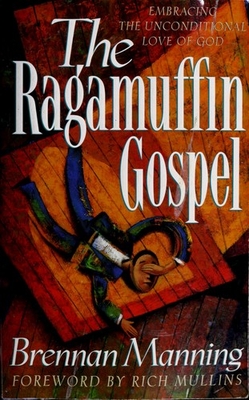
2Brennan Manning’s 1990 celebration of grace for the broken reached a generation tired of performance-based faith. Its raw honesty about failure and acceptance resonated widely. The book’s title and message became a touchstone for grace-focused teaching.
Year: 1990Author: Brennan ManningLength: 240 ppInfluence: 7/10Devotional Value: 9/10
added by Yourlist EditorialThe Ragamuffin Gospel
2Celebration of Discipline
Richard Foster’s 1978 guide to spiritual practices revived interest in classic disciplines for modern evangelicals. Its balanced treatment of prayer, fasting, and simplicity made ancient rhythms practical. The book sparked a widespread renewal movement.
Year: 1978Author: Richard J. FosterLength: 256 ppInfluence: 8/10Devotional Value: 9/10
added by Yourlist Editorial
1Donald Miller’s 2003 memoir captured postmodern faith struggles with humor and vulnerability, selling over a million copies. Its conversational tone opened conversations about doubt and community. The book marked a shift in evangelical storytelling.
Year: 2003Author: Donald MillerLength: 256 ppInfluence: 6/10Devotional Value: 7/10
added by Yourlist EditorialBlue Like Jazz
1Oswald Chambers’s 1935 daily devotional distilled profound insights into short, piercing readings still used worldwide. Its focus on entire surrender and God’s initiative shaped generations of missionaries. The book’s brevity and depth remain unmatched in the genre.
Year: 1935Author: Oswald ChambersLength: 400 ppInfluence: 8/10Devotional Value: 10/10
added by Yourlist EditorialMy Utmost for His Highest
-1Evidence That Demands a Verdict
Josh McDowell’s 1972 compilation of historical and archaeological evidence became the standard evangelical apologetics reference. Its exhaustive notes equipped countless students and speakers. The work’s research density still serves as a resource.
Year: 1972Author: Josh McDowellLength: 560 ppInfluence: 7/10Devotional Value: 5/10
added by Yourlist Editorial
-2William Young’s 2007 novel used a grief-stricken father’s encounter with the Trinity to explore suffering and forgiveness. Its unconventional portrayal sparked both devotion and debate. The book’s emotional impact reached millions outside traditional circles.
Year: 2007Author: William P. YoungLength: 256 ppInfluence: 6/10Devotional Value: 7/10
added by Yourlist Editorialin 2 rankingsThe Shack
-2Bonhoeffer’s 1937 call to costly grace confronted cheap Christianity in Nazi Germany. Its exposition of the Sermon on the Mount and famous line about grace still challenge readers. The book’s historical context amplifies its moral force.
Year: 1937Author: Dietrich BonhoefferLength: 320 ppInfluence: 9/10Devotional Value: 8/10
added by Yourlist EditorialThe Cost of Discipleship
-3City of God
Augustine’s 426 AD response to Rome’s fall contrasted the earthly and heavenly cities, establishing a framework for Christian political theology. Its massive scope and historical sweep made it foundational for medieval thought. Few works match its breadth.
Year: 426Author: Augustine of HippoLength: 1,200 ppInfluence: 9/10Devotional Value: 6/10
added by Yourlist Editorialin 2 rankings
-3Thomas à Kempis’s 1418 devotional classic urges readers to follow Christ’s humility over worldly success. Its short chapters became daily spiritual reading for monks and laypeople alike. Few books have matched its practical call to inner life.
Year: 1418Author: Thomas à KempisLength: 180 ppInfluence: 9/10Devotional Value: 10/10
added by Yourlist EditorialThe Imitation of Christ
-4The Case for Christ
Lee Strobel’s 1998 journalistic investigation of the resurrection compiled expert testimony into a readable defense. Its investigative format made apologetics approachable for skeptics and believers. The book launched a popular series and film adaptation.
Year: 1998Author: Lee StrobelLength: 352 ppInfluence: 7/10Devotional Value: 6/10
added by Yourlist Editorialin 2 rankings
-5The Lion, the Witch and the Wardrobe
Lewis’s 1950 children’s tale embedded atonement and resurrection in an unforgettable story that introduced generations to Christian themes. Its Aslan sacrifice scene remains a signature moment. The book’s imaginative reach continues in film and stage.
Year: 1950Author: C.S. LewisLength: 208 ppInfluence: 8/10Devotional Value: 7/10
added by Yourlist Editorialin 2 rankings
-5Thomas Aquinas’s 13th-century synthesis of faith and reason became the standard systematic theology for Catholicism. Its question-and-answer method and Aristotelian integration shaped Western doctrine. The work’s intellectual scope remains unmatched.
Year: 1274Author: Thomas AquinasLength: 3,000 ppInfluence: 9/10Devotional Value: 5/10
added by Yourlist EditorialSumma Theologica
-5Dostoevsky’s 1880 novel explored faith, doubt, and suffering through the Karamazov family, culminating in the Grand Inquisitor chapter. Its theological wrestling made it a landmark of Christian literature. The book’s psychological depth keeps it studied in seminaries.
Year: 1880Author: Fyodor DostoevskyLength: 824 ppInfluence: 8/10Devotional Value: 6/10
added by Yourlist EditorialThe Brothers Karamazov
-8Lewis’s raw 1961 journal after his wife’s death gave honest voice to Christian lament and doubt. Its unflinching honesty modeled faithful struggle for grieving readers. The short book’s emotional power endures.
Year: 1961Author: C.S. LewisLength: 96 ppInfluence: 7/10Devotional Value: 8/10
added by Yourlist EditorialA Grief Observed
-10Lewis’s 1955 spiritual autobiography traced his path from atheism to faith through longing and reason. Its account of conversion and intellectual journey influenced countless seekers. The book’s literary quality elevates it above standard testimonies.
Year: 1955Author: C.S. LewisLength: 256 ppInfluence: 7/10Devotional Value: 7/10
added by Yourlist EditorialSurprised by Joy
-14Lewis’s 1940 philosophical treatment of suffering remains one of the clearest Christian responses to theodicy. Its distinction between pain and evil shaped later discussions. The book’s intellectual honesty keeps it assigned in theology courses.
Year: 1940Author: C.S. LewisLength: 176 ppInfluence: 8/10Devotional Value: 7/10
added by Yourlist EditorialThe Problem of Pain
-17