


Tencent reportedly agrees to $7B Oracle lease for 100,000 AI chips
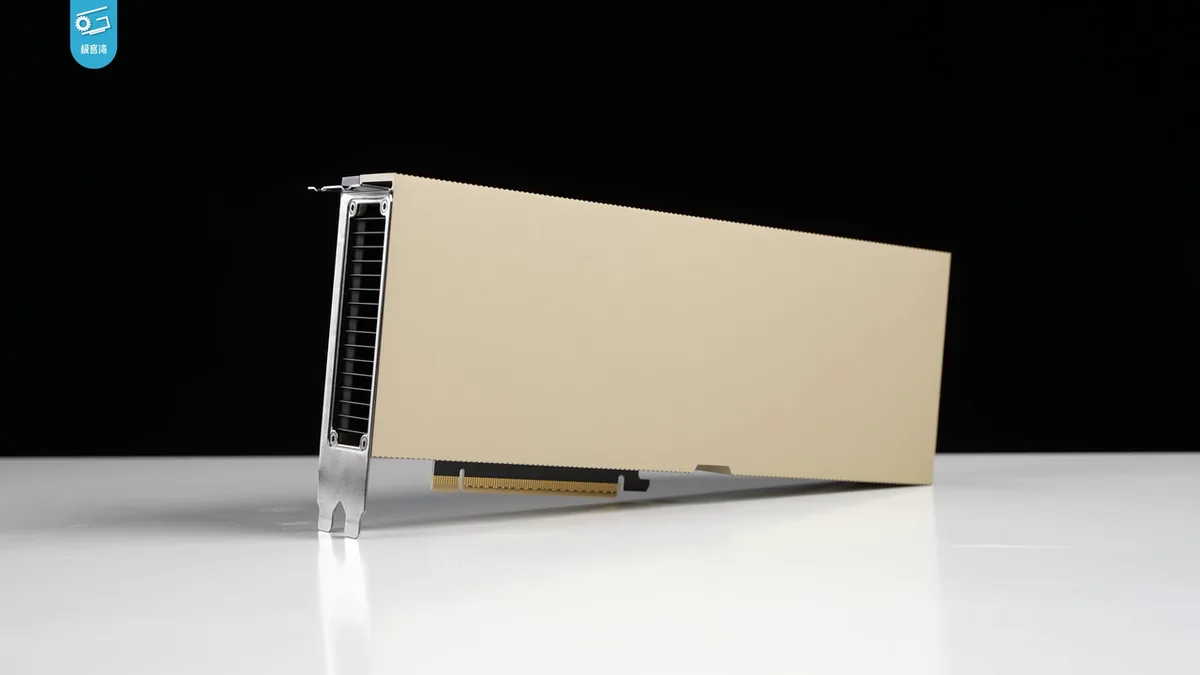
The Financial Times reported that Tencent had agreed earlier that year to a five-year lease with Oracle, citing two people familiar with the matter. The pact ran across multiple Oracle data centres in south-east Asia and was valued at approximately $7 billion. About 30 percent of the total, roughly $2.1 billion, was paid upfront. The lease secured access to about 100,000 advanced AI chips. Oracle shares rose in pre-market trade on the report.
That spending had already left its mark on the quarter’s accounts. On Tencent’s second-quarter earnings call, chief financial officer John Lo put the red ink in plain numbers. Free cash flow—the cash left after a company funds its capital projects—came in negative for the second quarter, at RMB 13.8bn, about $2.06bn. It was the first negative figure in over a decade. Capital expenditure had risen 176 percent year on year, to RMB 53bn. Lo tied the free-cash-flow result to that surge, calling it a quarter “reflecting large AI infrastructure capex and AI-related prepayments.” Those prepayments were advances paid to secure computing capacity. Take them out of the ledger, he said, and the quarter reversed: “excluding the prepayments for compute procurement, free cash flow would have been RMB 37.6bn ($5.61bn).” A single line of AI-related prepayments had been large enough to end more than ten years of positive free cash flow.
President Martin Lau described the downside protection built into the outlay. “We’re comfortable in making significant investments in AI because not only is there a substantial upside potential, there is also clear downside protection. The AI investments we’re making are mostly in AI infrastructure, and in the worst case, which we do not believe would happen, we can choose to rent that infrastructure out at cost recovery or even better prices via Tencent Cloud if needed.” The same racks and processors bought to train and run Tencent’s own systems could, if the upside failed to appear, be offered through the company’s cloud arm at prices that at least recovered cost. Lau presented that option as a floor, not a plan. The intention remained internal use. The comfort he claimed rested on knowing the floor existed.
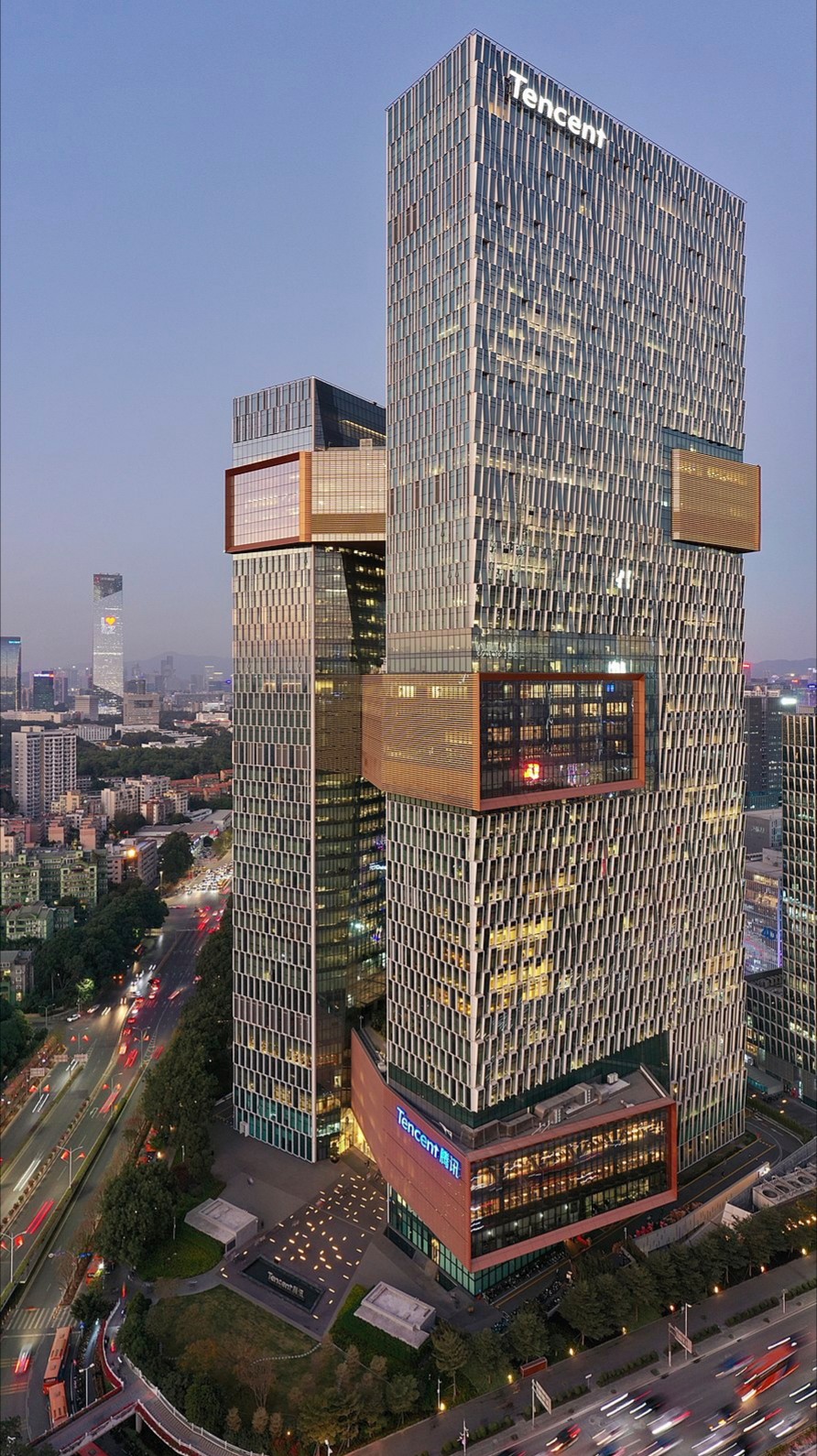
The silicon pointed toward the models and agents already under construction. Xiaowei sits inside WeChat as an embedded agent. An agent is software that takes a user’s instruction in ordinary language and then carries out the work. WeChat has more than 1.4 billion users. With natural-language commands, Xiaowei can order food, book services, and complete tasks across the app’s millions of mini-programmes. The leased chips would support training of Hunyuan models—Tencent’s family of large language systems, trained on vast text so they can generate and reason in natural language—and of the agents Xiaowei and WorkBuddy. For businesses and professionals, Tencent has built a suite of agents led by WorkBuddy, an AI-native office assistant that leads China’s PC-based office agent market. The company had also recently released a preview of a new image-generation model for professional creators. That model offered text-to-image and image-to-image features. The same compute would feed the Hunyuan systems, the agents already in contact with more than a billion people.
Even after the multibillion-dollar lease, ByteDance and Alibaba remained the largest clients of south-east Asian data centres, ahead of Tencent. The two companies still drew more of the region’s rented capacity than the one that had just locked in five years of Oracle hardware.
September carried a parallel domestic signal. Enflame’s Shanghai stock-market debut nearly tripled. In a separate corporate move, Tencent was reported to be leading a deal to unwind Meta’s $2 billion acquisition of Manus. The order of outside demand had not changed. What still had to resolve was how soon more capacity would open inside Tencent Cloud itself.
In May 2026, chief strategy officer James Mitchell set the timetable for the capacity still locked inside the company. China-designed GPUs—processors built for the same artificial-intelligence workloads—would begin arriving in volume through the remaining months of the year. “Looking through the rest of this year, as the supply of China-designed GPUs progressively ramps up, we’ll be remedying that situation; we will be making more capacity available in Tencent Cloud, and consequently driving up Tencent Cloud’s rate of expansion. That’s where the trade-off has been made: we have been consciously late to monetize the AI opportunity through Tencent Cloud because we’ve been simultaneously supporting a number of AI initiatives internally.”