




Russian Emigration Queries Surge Amid Mobilization Fears
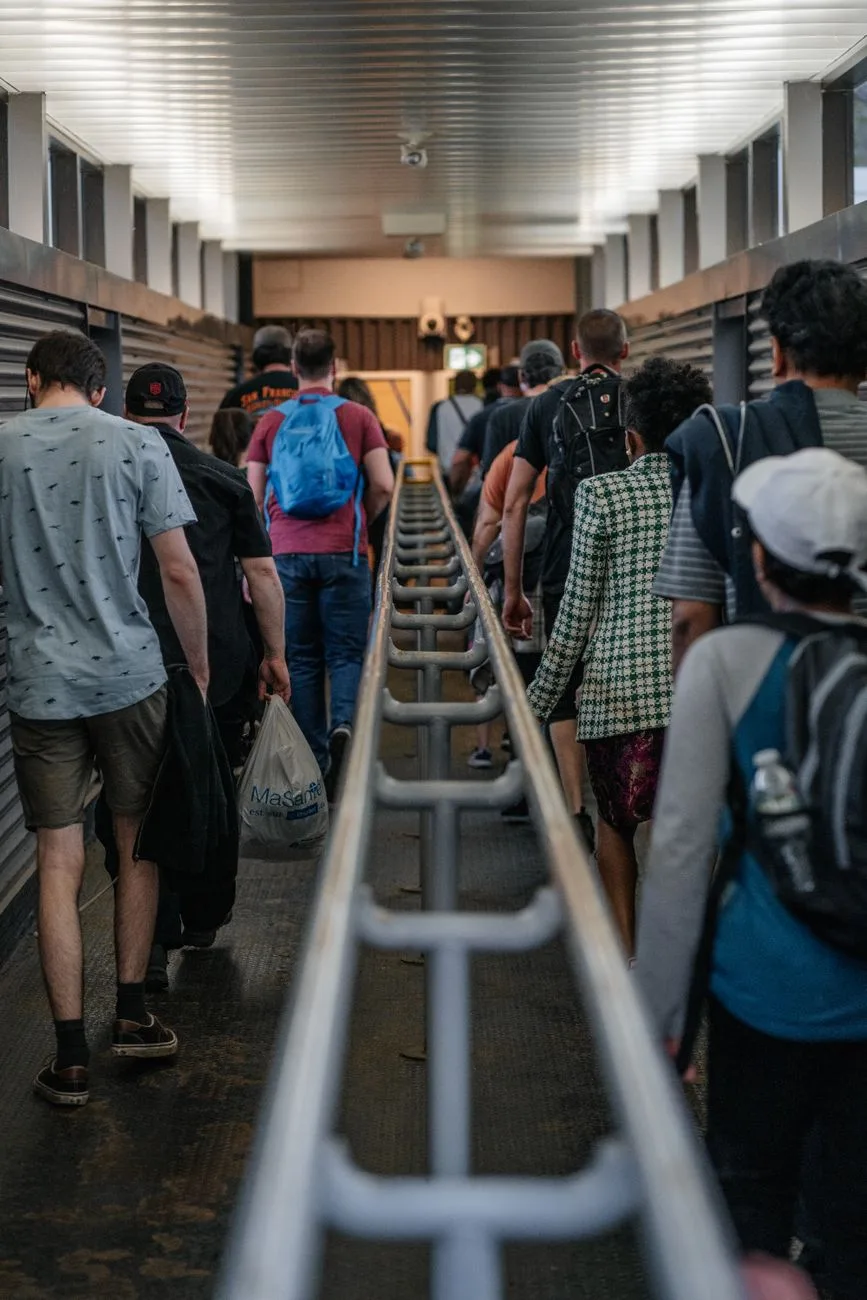
On Aug. 29, 2026, a 28-year-old digital content marketer stood near his packed belongings at the Krasnodar railway station before heading to the Georgian border. "It is very sad to leave Russia," he said. From Tbilisi he added, "You never know what will happen tomorrow." Kovcheg received nearly eight times more emigration inquiries last month than in May. Anastasia Burakova said, "We're seeing that people are preparing to emigrate, we're seeing that people are looking into what options are there." Yan Slovitsky described a "panicked wave" since mid-July. The outflow remains far smaller than 2022, when hundreds of thousands left after the invasion and a 300,000-troop mobilization; no long lines formed at borders and no major flight shortages hit Armenia, Georgia, Kazakhstan or Turkey. A 23-year-old Moscow woman whose husband lost his deferment said service "at this point it is a one-way ticket." Ivan Nazarov told a Kovcheg gathering in Yerevan, "For me, it is a question of survival," citing reports of conscripts pressured into combat contracts. One departing citizen said, "You have absolutely no rights." Ukrainian drone strikes this summer triggered fuel shortages and disrupted e-commerce as authorities blocked thousands of websites. The Kremlin has repeatedly denied claims of an impending new mobilization. Alen Simonyan told Dozhd that Armenia would not interfere with Russians moving there to avoid military service and would help them if necessary. The Russian Foreign Ministry criticized the comments as "provocative." Viktor Sobolev said, "Let them leave."