




In his final 2001 show, Mister Rogers explained what growing up really means
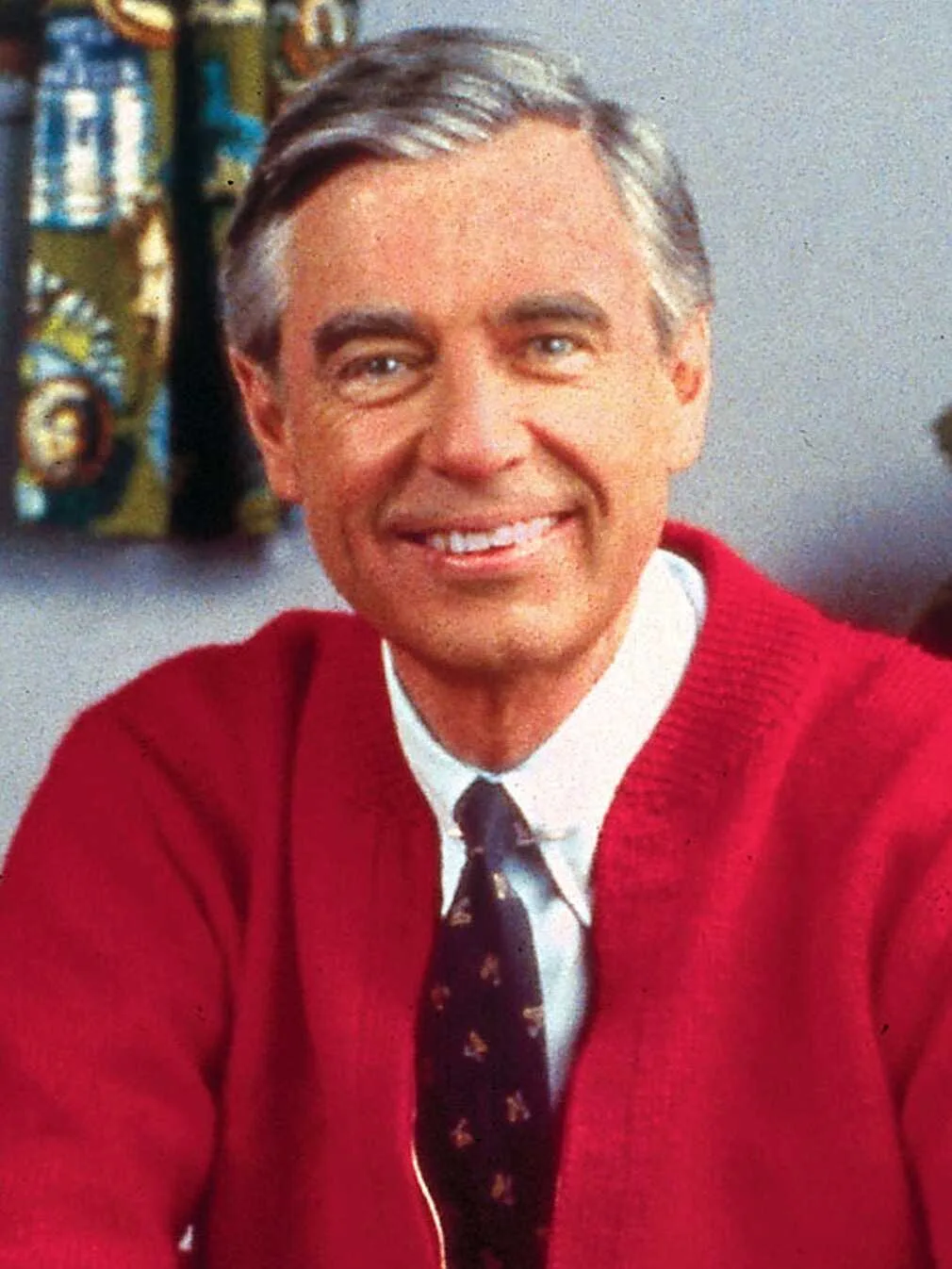
Fred Rogers looked at his watch on the set of Mister Rogers’ Neighborhood on December 1, 2000, and made a simple call. The morning’s work on the penultimate show was already done. They still had two hours of paid studio time left. He wanted to finish the remaining house scenes for the finale that afternoon rather than come back another day. Producer Margy Whitmer was wound tight that morning. The last day of production had everyone on edge after roughly thirty years, more than nine hundred episodes, and fifty-five Daytime Emmy nominations. Floor manager Nick Tallo broke the tension the way the crew knew best. He had everyone dress up like Fred—sweater and necktie. When Rogers walked in, he laughed and told them they all looked great. Whitmer later said she knew he was tired. Born in 1928, Rogers had recently turned seventy-two when he decided, in the latter half of 2000, to end the series. He was later diagnosed with stomach cancer in 2002 and died the following year, in 2003. David Newell, who played Mr. McFeely the postman, filmed his last delivery that afternoon, bringing a VHS tape of a pre-taped arts segment for the theme week devoted to the arts. As he left, he shook Rogers’s hand on camera—something he had never done on the show, because he had always expected to be back the next day. The handshake was his quiet thank-you. Rogers, for his part, asked McFeely to sing the Speedy Delivery song a second time so they could join in. Whitmer remembered talk of packing the last episode with people who had been on before. “At one point, we talked about having people come on the last episode that had been on before... But then we realized that would have made it seem really final. And Fred wanted the cycle to continue, so the show's library of episodes could continue forever and ever and ever,” she said. The national show had debuted in 1968, after Rogers began the work in the early 1960s. He wanted the neighborhood to feel ongoing, not closed. When the final episode aired on August 31, 2001, Rogers was seventy-three and gave no sign it was the end. He wore his signature red sweater for the closing remarks and spoke directly about what growing up really looks like from the inside. “There are many ways of saying who you are and how you feel... Ways that can be so helpful. Ways that don't hurt yourself or anybody else. You know, that's how you can tell when you're grown up inside,” Fred Rogers said. He went on: “You're sure that what you're planning and doing are things that can be a real help to you and your neighbor. Mhmm. I'm proud of you, you know that? I hope you do.” Then he sang the song that matched the moment. “I'm proud of you, I'm proud of you. I hope that you're as proud as I am. Proud of you, I'm proud of you. I hope that you are proud of you, too,” Fred Rogers sang. Four messages he prepared in the difficult season that followed were later released on the first anniversary of the September 11 attacks. In them he returned to the same steady voice his audience already knew. “I'm just so proud of all of you who have grown up with us... And I know how tough it is some days to look with hope and confidence on the months and years ahead. But I would like to tell you what I often told you when you were much younger: I like you just the way you are,” Fred Rogers said. “What's more, I'm so grateful to you for helping the children in your life to know that you'll do everything you can to keep them safe, and to help them express their feelings in ways that will bring healing in many different neighborhoods... It's such a good feeling to know that we're lifelong friends,” Fred Rogers said. At the end of that last broadcast he did what he had done in every episode. He took off his sneakers and his cardigan, and before leaving the living room he promised he would be back.