



Iran War Spurs Clean Energy Despite Rising Emissions
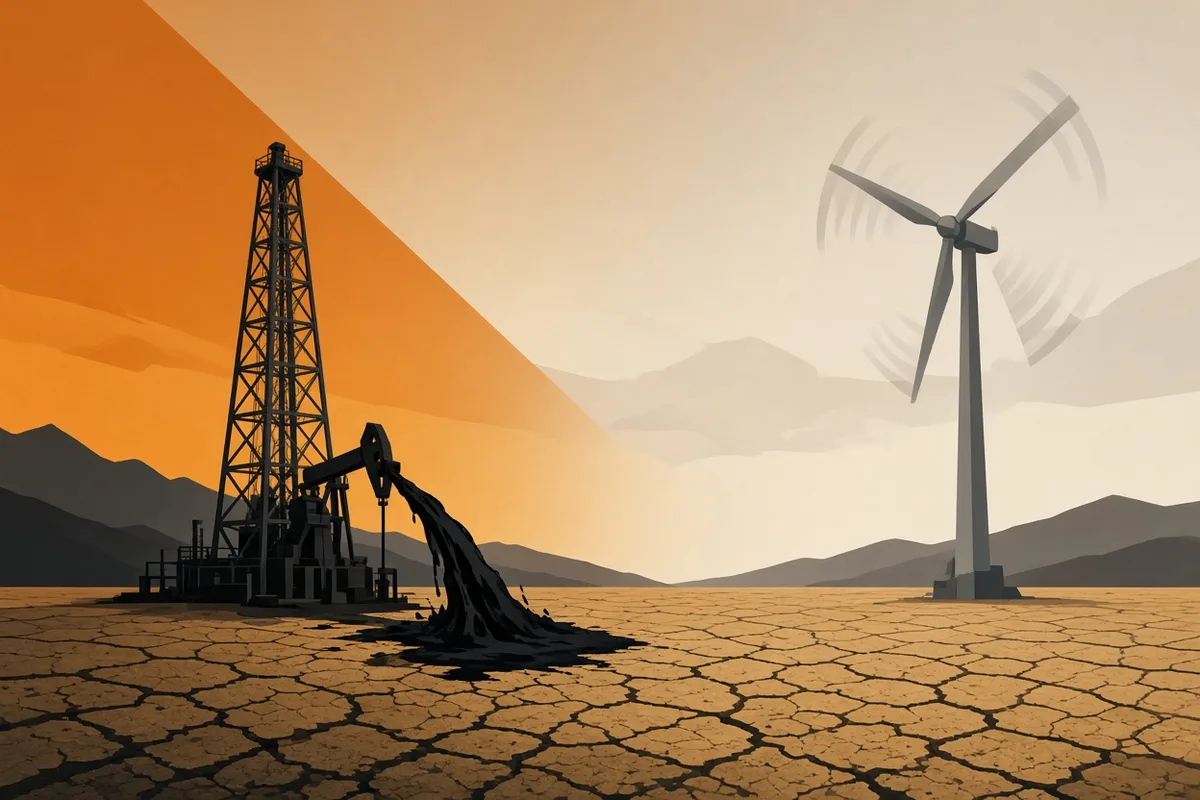
Governments are currently doing a dance between acknowledging the importance of clean power while continuing to support fossil fuel expansion, Pauline Heinrichs, a war studies lecturer at King's College London, wrote. After the February 2026 war involving the United States, Israel and Iran, thirty-three governments by September 9 had enacted policies to switch from fossil fuels to electricity or improve energy efficiency, the International Energy Agency said. The United Kingdom saw a solar surge while considering natural gas expansion; Indonesia is replacing some diesel plants with solar while increasing coal for heavy industry. Global greenhouse gas emissions rose 0.2 percent in the first half of 2026, Climate TRACE found, and wind and solar investment fell globally, largely due to China. Fossil fuel importers paid $330 billion more than prewar expectations; prior clean-energy investment saved an estimated $36 billion in avoided imports in the first five months. Stanford climate scientist Rob Jackson in February called a renewables boost "just wishful thinking," then said Monday "We need that action over years, to decades, to make a dent in the climate problem." Caspian Conran of Baringa said, "We simply don't have a choice." Truckers blocked highways and burned vehicles in Guatemala; fishermen blockaded an oil depot in Fos-sur-Mer, France.