




Glencore and Radiant World Trade Accusations in $2 Billion Lawsuit
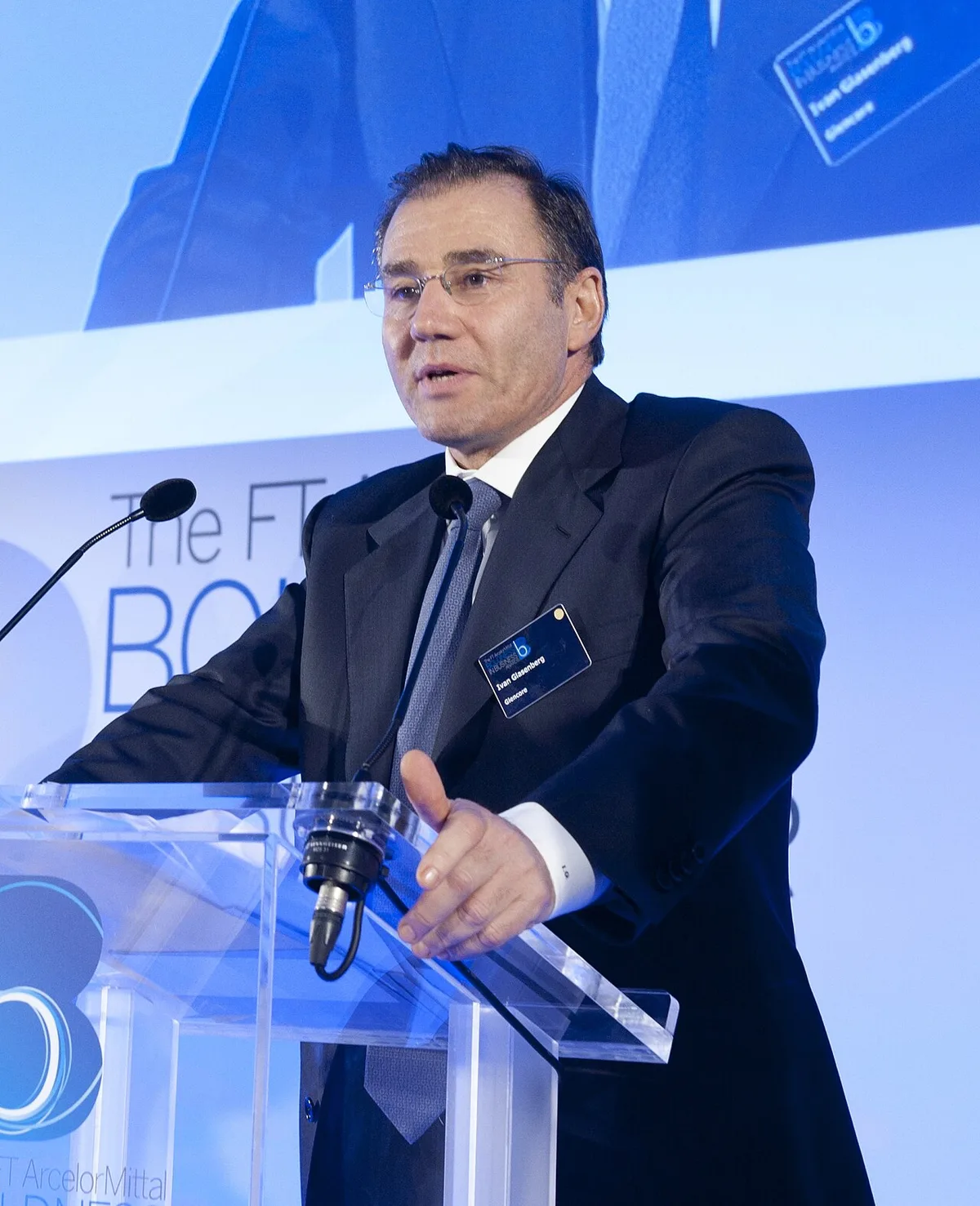
"We have filed in the Singapore court against Glencore for $2 billion," the chairman of Sapphire Minmetals said. Radiant World and Sapphire Minmetals were combining forces for the claim, he added, and then he declined to give further details. A spokesperson for Radiant World declined to comment on his remarks.
Behind that line sat a filing lodged on September 15 by eleven entities linked to Radiant World. The companies spanned trading operations and affiliates in Singapore, Hong Kong, the United Arab Emirates and Switzerland, and they sought S$2.5 billion, approximately $2.0 billion, from three Glencore units. Glencore plc, the Anglo-Swiss commodity trading and mining company headquartered in Baar, Switzerland, ranks among the world's largest handlers of metals, minerals and energy cargoes, supplying steelmakers, power generators and industrial buyers across continents. The Singapore suit named three of its units as defendants opposite the smaller iron-ore trading group.
Glencore answered the same day. In a statement issued September 15, the company said it had ended all business with Radiant World and associated companies including Sapphire Minmetals and “exited all obligations.” It accused them of fraud for the first time. Glencore said it had confirmed evidence that they had “sent falsified invoices and contracts as well as fabricated e-mails, which they fraudulently claimed to have received from Glencore personnel, to a number of financial institutions.”

A falsified invoice is a document that claims a sale or shipment that never took place, or that misstates what moved, so a lender advances cash against paper that does not match any real cargo. Fabricated emails attributed to Glencore staff would give those papers a false seal of authenticity.
“These claims are meritless and we will contest them vigorously,” the company said of the suit just filed. “We have incurred losses and been exposed to risks by Radiant World companies and will take appropriate action.” The public cut closed a relationship that, until the banks began asking questions, had been the trader’s central line of support.
Glencore had been Radiant World’s most important backer for years. The two firms traded extensively. Glencore helped the iron-ore trader obtain financing and acquired warrants that gave it the option to take a minority stake in the smaller company. Trade finance is the practice of banks advancing cash against invoices and shipping documents so a seller can fund cargo and keep metal moving before the buyer pays; a counterparty of Glencore’s scale on those papers opened credit lines Radiant World could not have secured on its own name.
A letter from Radiant World’s lawyers later cited a November 2024 WhatsApp message from Peter Hill, Glencore’s head of steelmaking raw materials. Hill wrote that Glencore had “basically bank rolled your entire existence for the last few years.”
Banks began approaching Glencore with Radiant World invoices bearing its name that it could not verify as genuine. The approaches prompted Glencore to begin withdrawing from the arrangement.
In July, Bloomberg reported that several major commodity traders had moved to cut ties with Radiant World amid concerns it had provided falsified documents to banks. Radiant World denied wrongdoing at the time and said it conducts its business to the highest commercial and legal standards. Incomlend, a Singapore invoice financing platform, then sued Radiant World, alleging that the trader had borrowed money using Glencore documents which Glencore later said were not genuine. Invoice financing advances cash against trade paperwork so a seller can fund cargo before the buyer pays. Separately, a fund managed by Jefferies Financial Group accused Radiant World and Sapphire Minmetals of falsifying iron ore invoices as part of a fraudulent scheme. At the fund’s request, a London court imposed a worldwide freezing order. A freezing order is a court directive that stops assets from being moved or sold while a claim proceeds. The order covered up to $499 million of Radiant World and Sapphire Minmetals assets.
Radiant World alleged that Glencore’s official books never fully captured their private arrangements. The iron-ore trader claimed Glencore deliberately kept the true nature of the partnership out of its audited records and pushed for business to be conducted through face-to-face meetings and WhatsApp messages rather than paper trails. Radiant World said the practice was driven by the heightened compliance scrutiny Glencore faced after being investigated by the US Department of Justice. On the trader’s version of the relationship, the terms that bound the two sides had lived partly outside the formal ledgers.
“We take these issues seriously and are conducting a review of our historic business activities with Radiant World, Sapphire Minmetals and associated companies,” Glencore said.
The first case conference in the Singapore matter is scheduled for October 21. Glencore has taken a $480 million provision on its Radiant World exposure. A provision is an accounting charge that sets aside capital against expected losses on a trading position. That sum ranks as one of the largest trading losses Glencore has recorded in its history as a public company.