




For many spiritual seekers, author Wendell Berry was a fellow pilgrim and contrarian
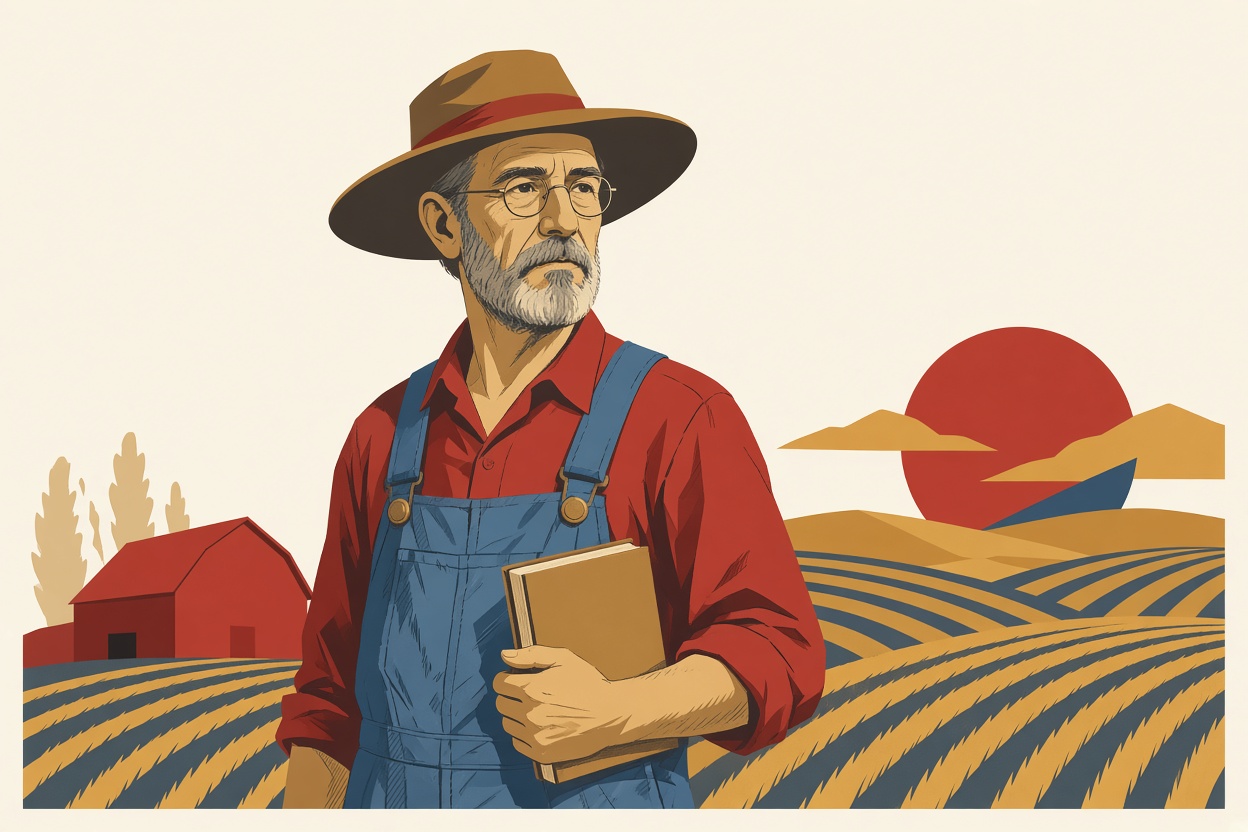
Wendell Berry often chose the woods over the pew on Sunday mornings. He called himself a bad-weather churchgoer and spent finer days walking among what he named the timbered choir along the Kentucky River. Berry grew up in the Baptist tradition of Port Royal and kept the Bible close, yet he questioned how that heritage had split spirit from soil. He saw the earth as a gift to be tended rather than exploited, a view that shaped every book he wrote. Visitors found their way to his farmhouse overlooking the river. Seminarians, pastors, and professors sat on the porch or among the tall bookshelves, bringing questions about land, health, and community that Berry answered through conversation and example. His essays, poems, and novels reached many more who never met him. One reader on a North Dakota farm wrote that Berry taught him to treat love of place as a discipline rather than a feeling, tracing soil, water, trees, and seasons across generations. Berry rejected the industrial push to get big or get out. He farmed with horses instead of tractors, joined protests against mountaintop removal, and published more than forty books, the last a novel finished at age ninety-one. In his fiction a character named Jayber Crow decides Christ came to start an unorganized faith rather than an institution. Berry himself wrote poems that placed the living God fishing daily in the Kentucky River, refusing both easy belief and easy dismissal. Norman Wirzba, a longtime friend and theology professor, noted that Berry refused any spirituality detached from the body and the land. That integrated vision continues to guide readers who seek wholeness amid loss of species and community ties. Berry died at home at age ninety-two. His Sabbath poems and essays on rest for people and soil still circulate, offering a steady counter to the churn of industrial life.
Where do you stand?