Production
Andrew Panay, co-producer of Wedding Crashers, had the idea for the film based on his own experiences of being excited to attend weddings in his 20s due to the prospect of meeting women. Panay then consulted the screenwriting team of Steve Faber and Bob Fisher to come up with a story based on this premise. Much of the film was based upon Fisher's experiences as a college intern in Washington, D.C., where he would make up fake backstories to crash lobbyist events for the free food. Panay and Fisher's experiences merged together to form the idea of a film in which the main characters crash weddings to meet and sleep with women.
The screenwriters had doubts that the premise could be sustained into a feature-length film, so they decided to add female love interests born from a political family, inspired by their dream of marrying a girl from the Kennedy family when they were young boys. It was also Panay's desire "to explore male friendship through this crazy idea of crashing weddings" as the emotional core of the movie. In preparation for the film, the creators would crash political party platform committee meetings in order to delve into the psyche of the characters and what it means to crash a party.
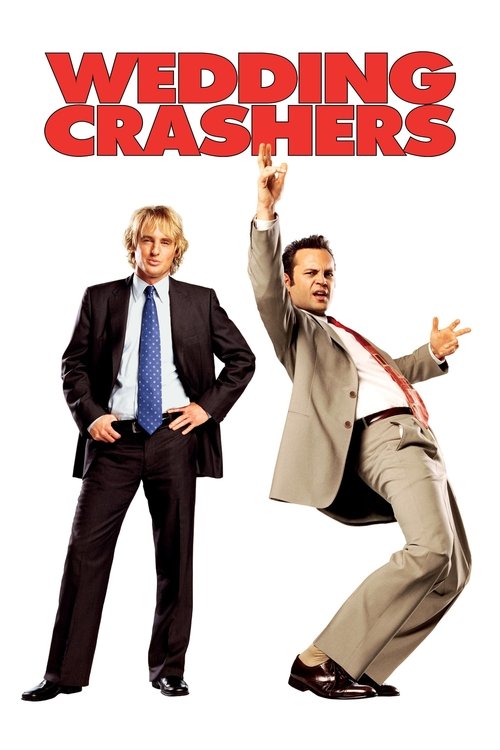
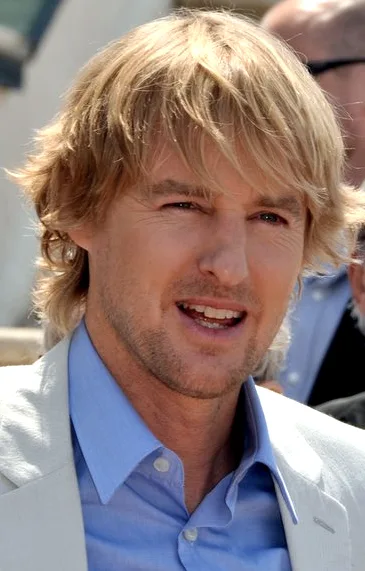
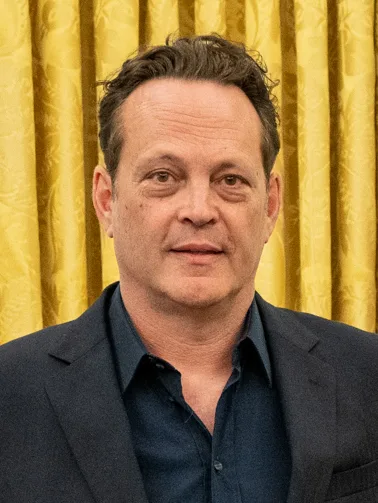
On April 6, 2003, Variety reported that both Faber and Fisher had struck a "mid-six figures" deal with New Line Cinema to acquire the pitch for the film. David Dobkin signed to direct in 2004, seeing it as an opportunity to pair Vince Vaughn and Owen Wilson, who had previously worked with Dobkin and gave him an Abbott and Costello impression when they were at the premiere of his film Shanghai Knights.
According to Dobkin, the marketing department at New Line Cinema raised some concerns regarding the protagonists of the film, who were seen as misogynists whose goal is to seduce women at weddings and have sex with them. Dobkin saw these characters in a different light, however, convincing the department:
They love weddings, authentically. They like the free food, they like the music and the bands, they like the dancing and the kids, they like talking to the grandparents. These guys make the weddings better. You would want them to crash your wedding.
That's the distinction. It's not misogynistic and, in fact, what it's doing is replicating a real seduction, which is, "I want to go to bed with you, but I have all these walls up. Can you make me laugh, make me attracted to you and find a way to make this really fun so we could get to the good part?" That's a seduction. So, if I can seduce the audience — if I can make them laugh and be entertained and think these are okay guys — by the time they're dropping the girls in the bed, it's a magic trick. That was the whole idea.
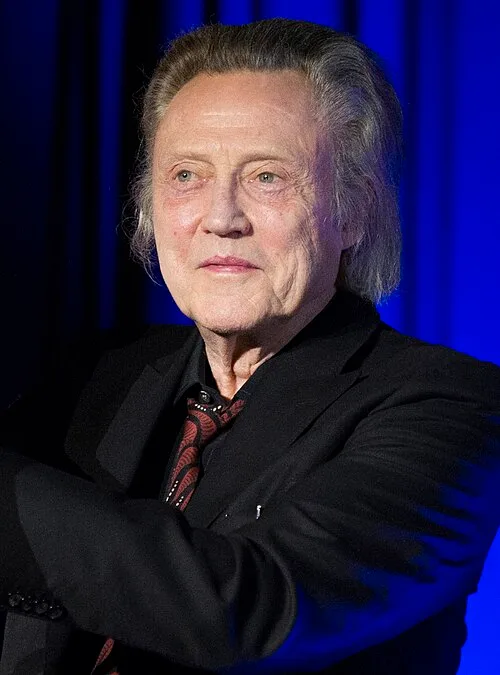
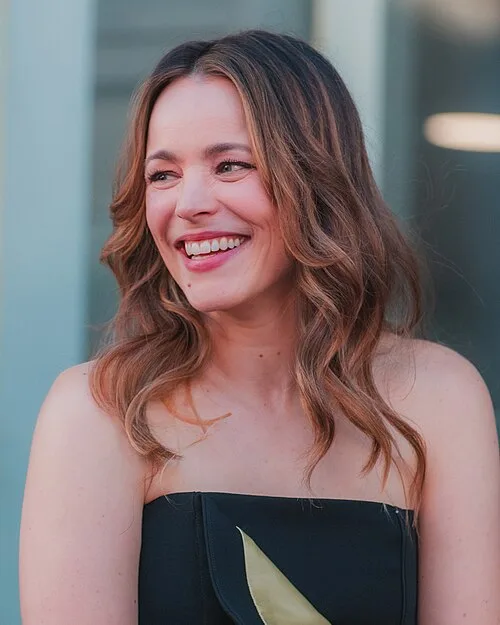
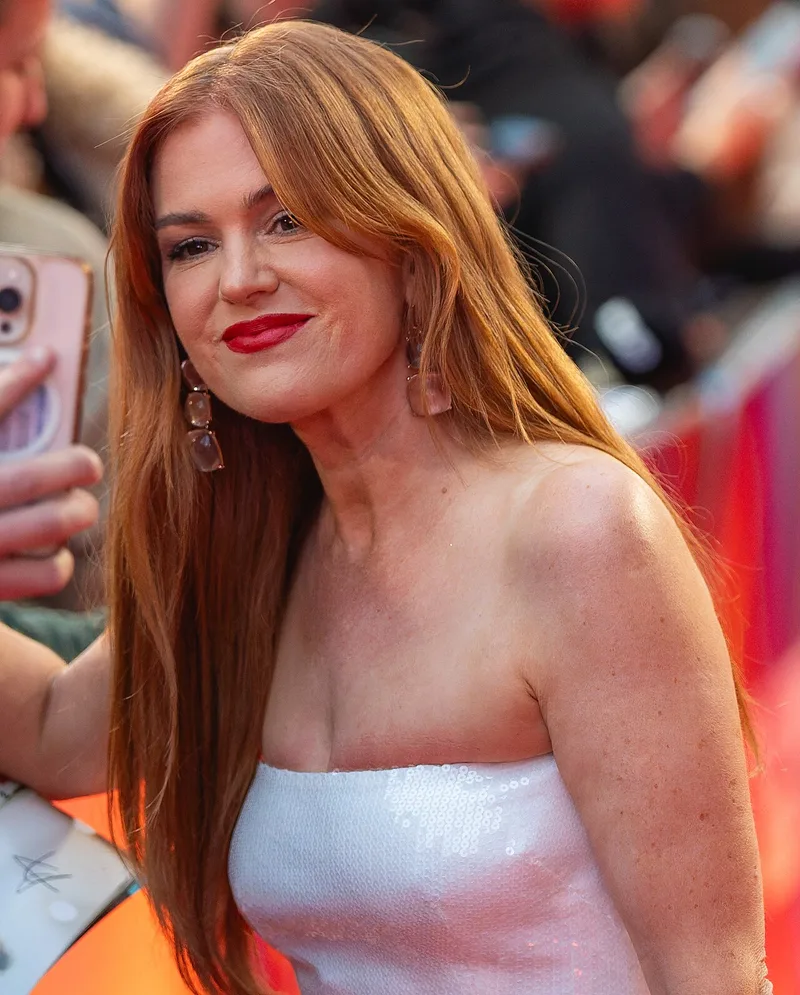
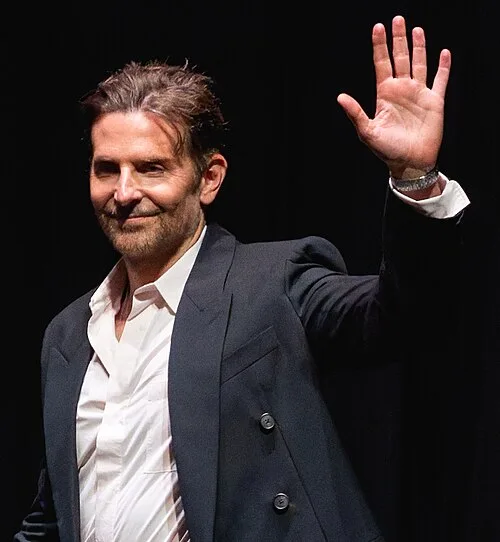
Vaughn and Wilson were the first actors cast in the film. Dobkin cast Bradley Cooper without even watching his audition tape as he was so impressed by Cooper's test reading. Isla Fisher, then a relatively unknown actress in the United States (but had a significant profile in the United Kingdom and Australia on account of her work in the soap opera Home and Away) was cast as Gloria over Shannon Elizabeth and Anna Paquin. The casting of Secretary Cleary was a contentious issue between Dobkin and the studio executives, with Dobkin wanting to cast Christopher Walken, but New Line Cinema wanted a more comedic actor such as Burt Reynolds instead of Walken, who was viewed more as a serious character actor. Nicolas Cage was considered for the role of Chazz Reinhold, before Will Ferrell was cast. The role of Claire was the final role to be cast, with Dobkin auditioning over 200 actresses before casting Rachel McAdams.
Dobkin originally considered the possibility of releasing a version of the film that was not R-rated to broaden the film's commercial appeal, but the idea was abandoned after a consultant provided a long list of the many R-rated elements in the film, and Dobkin realized "The two funniest scenes in the movie would have had to go." Despite this, New Line Cinema still did not want the film to be rated R, but they eventually conceded to keep the R rating after pressure from Dobkin.
Dobkin has said that the script originally set the film around Cape Cod, but a need to film in spring made this impractical. He suggested moving the shoot to Washington, D.C., his home town, feeling that his knowledge of the area would make choosing locations easier, and that using the city as the setting for a comedy would be an unexpected choice.