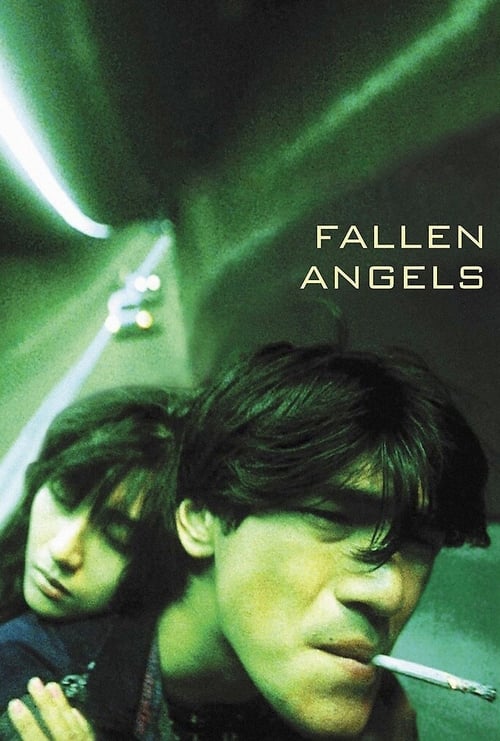
Takeshi Kaneshiro (金城 武, Kaneshiro Takeshi; born October 11, 1973) is a Japanese actor and singer active in the Chinese world. He began his career as a pop idol before shifting his focus to acting. His notable films include Chungking Express (1994), Fallen Angels (1995), House of Flying Daggers (2004), Perhaps Love (2005), The Warlords (2007), Red Cliff (2008), Dragon (2011), and The Crossing (2014–2015).
Contents
Early life
Kaneshiro was born and raised in Taipei to a Japanese businessman and a Taiwanese homemaker. He holds Japanese citizenship. Kaneshiro has two elder half-brothers: one who is seven years his senior, and another who is just one year older.
After graduating from Taipei Japanese Junior High School, he enrolled into Taipei American School. During his time at secondary school, Kaneshiro began working in television commercials, and he decided to leave school to pursue a full-time career in music and acting. Kaneshiro is fluent in Mandarin, Hokkien, Japanese and conversational in Cantonese and English.
Name
Kaneshiro (金城) is a common Okinawan surname, albeit with an unusual pronunciation, as the usual reading is Kinjō, while the traditional Okinawan pronunciation is Kanagusuku or Kanegusuku. His given name is Takeshi (武). He appears as Kaneshiro Takeshi (金城 武) in Japanese media.
Since personal names are commonly written in Chinese characters in both Chinese and Japanese naming conventions, following the Eastern name order, and in this particular case the name, in its written form, appears native in both Japanese and Chinese, giving Kaneshiro the freedom to associate himself as a Japanese or Chinese when working in China by preserving or removing the space between his surname and given name.
Career
1992 to 1999: Early years and career breakthrough
In 1992, Kaneshiro made his singing debut with the nickname "Aniki", meaning 'older brother' in Japanese. His debut album was Heartbreaking Night (1992). Contracted to EMI, he wrote many of his own Mandarin and Cantonese songs. The following year, his popularity propelled him into acting. He no longer produces any commercial music, although certain notable roles, such as those in Peter Chan’s Perhaps Love (2005) and See You Tomorrow (2016) have required him to sing onscreen.
Kaneshiro made his film debut in Executioners (1993) and this was followed by Wong Kar-wai's Chungking Express (1994), Fallen Angels (1995) and a string of other Hong Kong films, such as Lost and Found (1996), and Anna Magdalena (1998). It was through his collaboration with the auteur director Wong Kar Wai in Chungking Express that Kaneshiro first developed what would become his onscreen signature, namely quirky, character-driven performances that often played against type and ran counter to his idol image. Later, Kaneshiro starred in the Japanese Drama God, Please Give Me More Time (1998), allowing him to branch into Japanese films such as Returner (2002), as well as K-20: Legend of the Mask (2009) and Accuracy of Death (also titled Sweet Rain), (2010).
2000 to 2010: Mainstream success
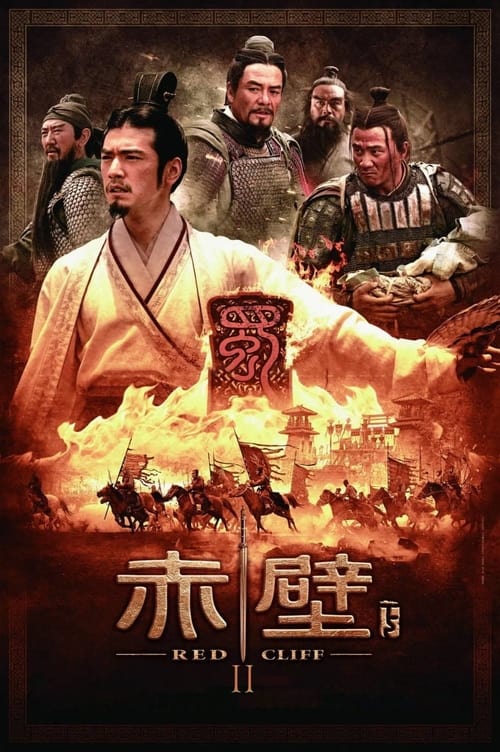
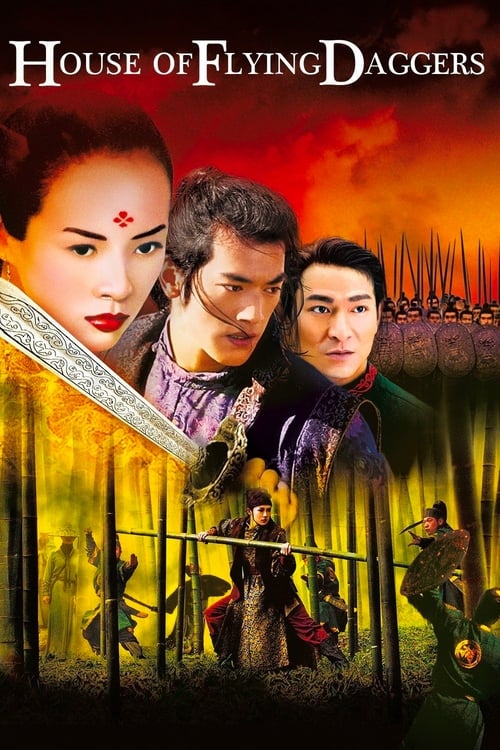
Kaneshiro’s work, however, is more heavily concentrated in China, Hong Kong, and Taiwan. In 2005, he sang his way through Perhaps Love, the first modern musical to be produced in China. It was the first of many collaborations with Hong Kong-based director Peter Chan. In 2008 and 2009 he starred in Red Cliff, a high budget film by Hong Kong director John Woo. He has also played the romantic lead in Zhang Yimou's House of Flying Daggers, and starred alongside Jet Li and Andy Lau in The Warlords. He expressed excitement when he received the news that he would have an opportunity to work with Director Zhang Yimou.
Kaneshiro has become well known in the video game industry portraying the samurai warrior Samanosuke in Capcom's Onimusha. In a June 2007 article on the film site Ain't It Cool News, it was revealed that Kaneshiro was going to be in the Onimusha film, reprising his role as Samanosuke and for a 2011 release, but that project was derailed. The producer Samuel Hadida had to delay the filming of Onimusha, which has resulted in the film's Japanese cast working on other film projects during the delay, and being unavailable to start filming. These factors were enough that French director Christophe Gans will now direct an adaptation of Leo Perutz's novel The Swedish Cavalier first, taking over the reins from Gilles Mimouni. Satomi Ishihara and Tsuyoshi Ihara remain attached to the project.
In 2003, Kaneshiro was featured in Time magazine and was dubbed the Johnny Depp of the East Asian film industry. Moreover, Kaneshiro was interviewed by journalist Hugh Riminton for CNN in the network’s TalkAsia segment in 2006.
2011 to present: Selective films
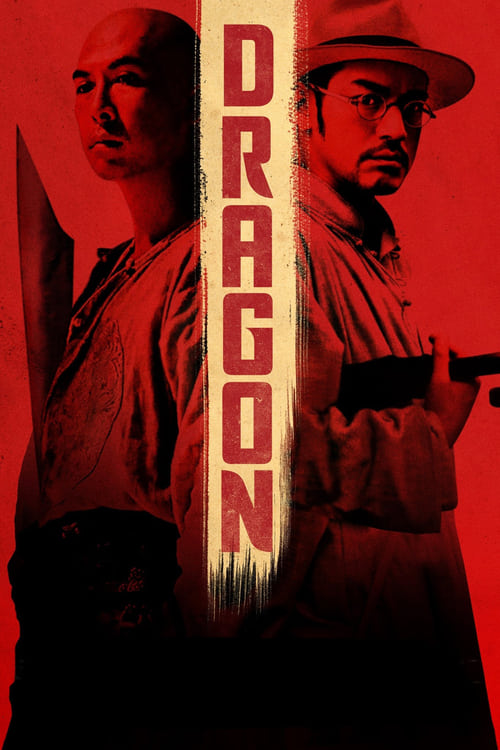
In 2011, Kaneshiro appeared in the historical martial arts thriller Dragon, directed by Peter Chan. The film premiered at the 2011 Cannes Film Festival in the Midnight Screenings category.
In 2017, Kaneshiro won the Best Leading Actor at the Golden Screen Awards for his role in the romantic comedy This Is Not What I Expected, directed by Derek Hui and produced by Peter Chan.
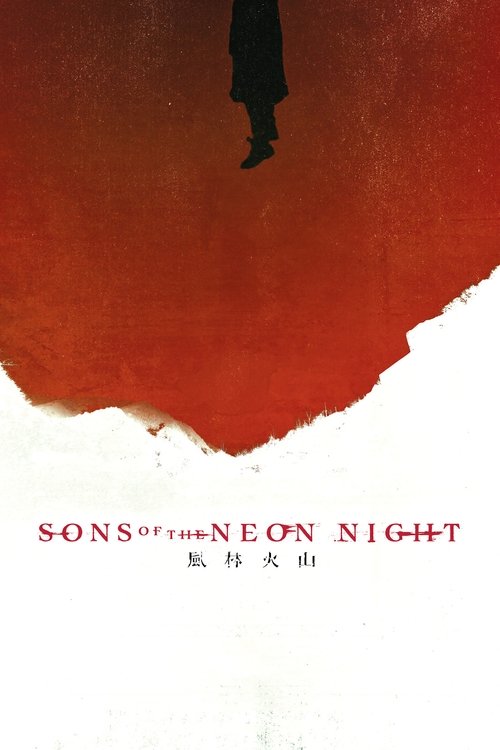
Kaneshiro became a member of the Academy of Motion Picture Arts and Sciences in 2018. In that same year, he completed filming for Juno Mak's Sons of the Neon Night, with an ensemble cast that includes Tony Leung Ka Fai, Louis Koo, and Sean Lau. The film was shelved until its release in 2025.
Personal life
Kaneshiro is a practicing Buddhist, having converted in 1997, and has said his mother is also a devout Buddhist. Throughout his career, Kaneshiro has been given titles such as "heartthrob" and "dream guy", but he has maintained a steady sense of humility. Kaneshiro is also known for trying to avoid the media spotlight. He has been quoted as saying:
"If one day I get married and have kids, I will probably be one of those men who really care for the family. I will eat at home every day, and help with the house work and take care of the children."
Filmography
Discography
Awards and nominations
Takeshi Kaneshiro is one of 10 recipients of the 2010 Green Planet Film Award for Ten Best International Actors of the Decade (Asia).