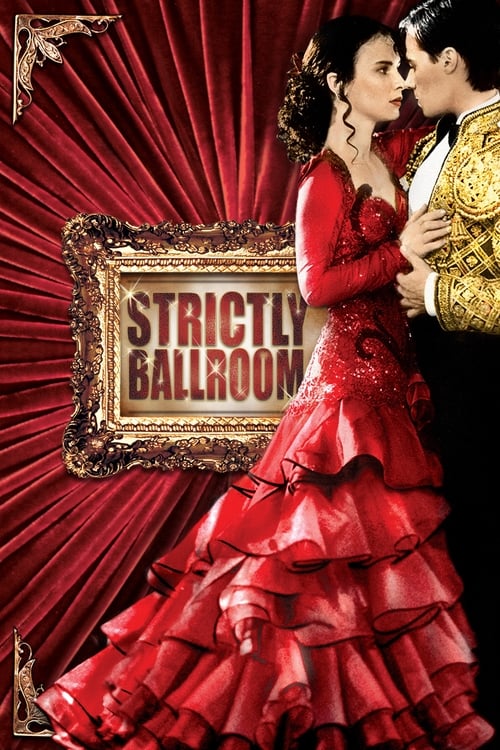



Strictly Ballroom is a 1992 Australian romantic comedy film directed by Baz Luhrmann, who co-wrote the screenplay with Craig Pearce. The film is the first in his Red Curtain Trilogy of theatre-motif-related films; it was followed by Romeo + Juliet (1996) and Moulin Rouge! (2001).
Strictly Ballroom began as a stage play, originally set up in 1984 by Luhrmann and fellow students during his studies at the National Institute of Dramatic Arts in Sydney. An expanded version of the play became a success at the Czechoslovak Youth Drama Festival in Bratislava in 1986. In 1988, it had a successful season at Sydney's Wharf Theatre, where it was seen by Australian music executive Ted Albert and his wife Antoinette. They both loved it, and when Albert, soon after, set up the film production company M&A Productions with ex-Film Australia producer Tristram Miall, they offered Luhrmann their plan to transform his play into a film. He agreed on the condition that he would also get to direct it.
Contents
Plot
Scott Hastings, the frustrated son of a family of ballroom dancers, has been training since the age of six. His mother Shirley teaches ballroom dancing, and his father Doug meekly handles maintenance chores at the dance studio, while secretly watching old footage of his bygone dance competitions as well as Scott's in a back room. Scott struggles to establish his personal style of dance to win the Pan-Pacific Grand Prix Dancing Championship, but his innovative and flashy 'crowd-pleasing' steps are not considered 'strictly ballroom', and as such are denounced by Australian Dancing Federation head Barry Fife.
Scott and his dancing partner Liz Holt lose the Southern Districts Waratah Championships due to Scott dancing his own steps. Three days later, Liz leaves him to team up with Ken Railings, the recent Waratah Championships winner; his partner Pam Short has broken both her legs in a car accident. With Scott now alone only three weeks until the championships, Shirley teams up with his coach Les Kendall, her co-instructor at the studio, to start desperately hunting for a new partner for him. Meanwhile, unbeknownst to both, Scott is approached by Fran, an overlooked 'beginner' dancer at the studio. He eventually agrees to partner with her, intrigued by her willingness to dance "his way".
The pairing faces its first hurdle when Fife, attempting to prevent Scott from threatening the Dancesport status quo, arranges for his partnership with established Champion dancer Tina Sparkle. When Shirley and Les hear the news, they are overjoyed. Fran, happening upon them exclaiming over their happiness about Scott's new dance partner, misunderstands initially and believes they have discovered that she and Scott have become partners. When she realises the truth, she leaves, devastated. Scott pursues her and, although she is hurt, entices her to dance backstage with him, and her anger is forgotten. However, several onlookers witness their dance, including Shirley and Les, who then do everything possible to persuade both Scott and Fran that the best way forward for all concerned is for Scott to forget about Fran and sign on as Tina Sparkle's partner.
Fran, accused of damaging Scott's chances, reluctantly accedes and returns home crestfallen. Scott tells his mother he won't dance with Tina. He follows Fran home, where her overprotective Spanish father, Rico, discovers and challenges him. To appease Rico, Scott proposes a Paso Doble for the assembled company. Rico and Fran's grandmother Ya Ya demonstrate the proper Paso Doble technique and offer to teach the couple, who spend the next week training with Fran's family.
Cast
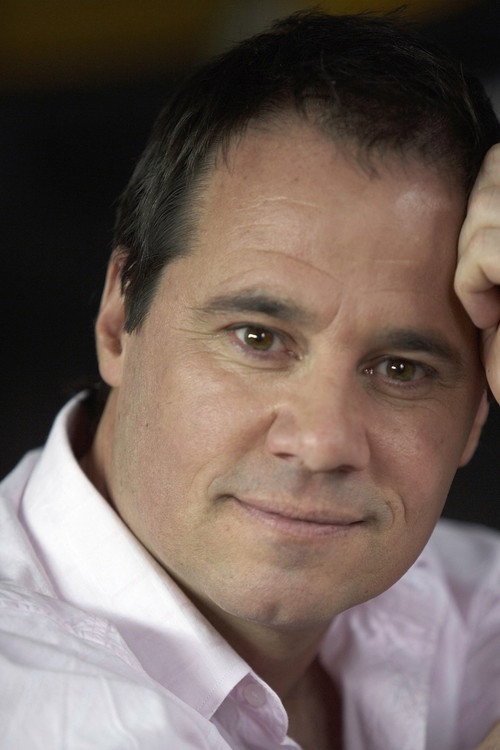
Paul Mercurio as Scott Hastings
Tara Morice as Fran (Francisca)
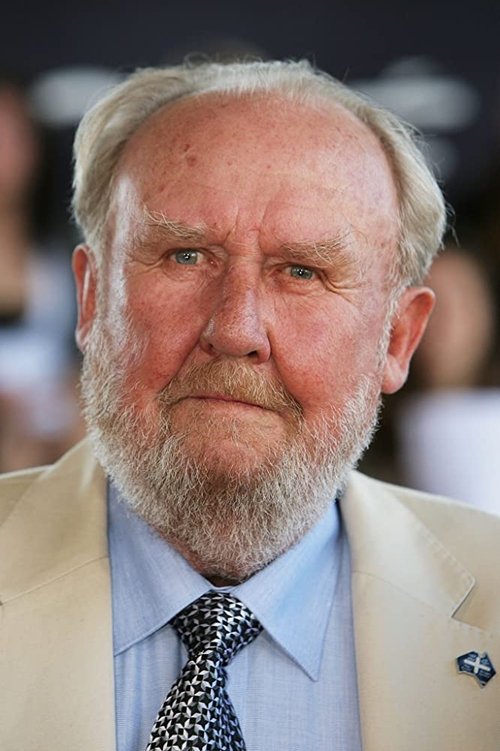
Bill Hunter as Barry Fife
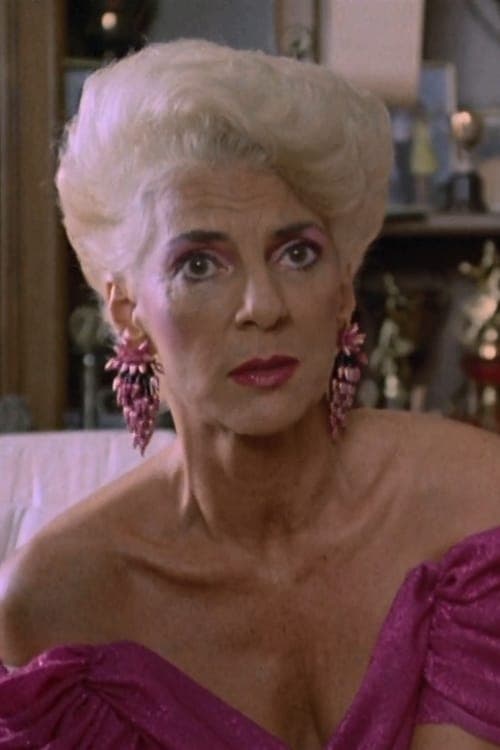
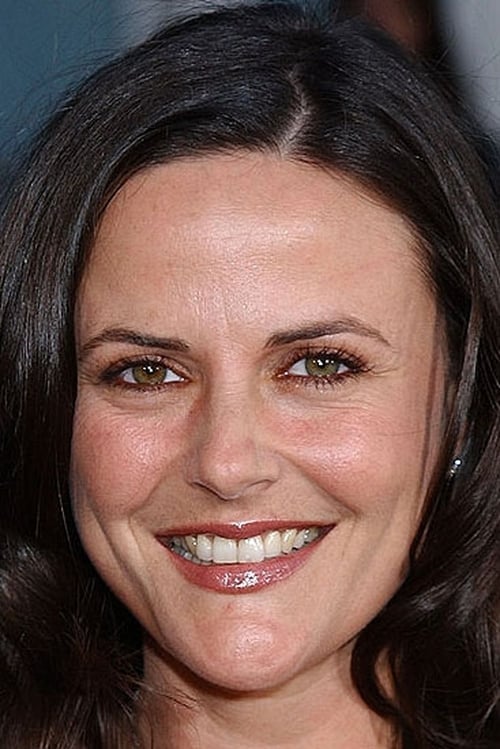
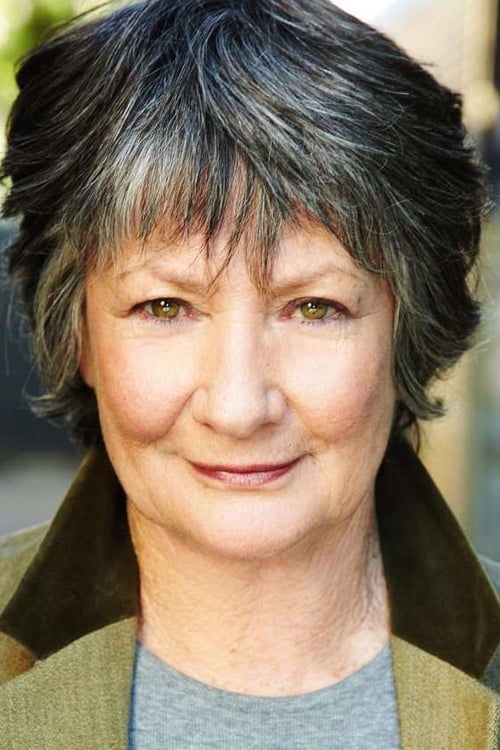
Pat Thomson as Shirley Hastings, Scott’s mother
Gia Carides as Liz Holt
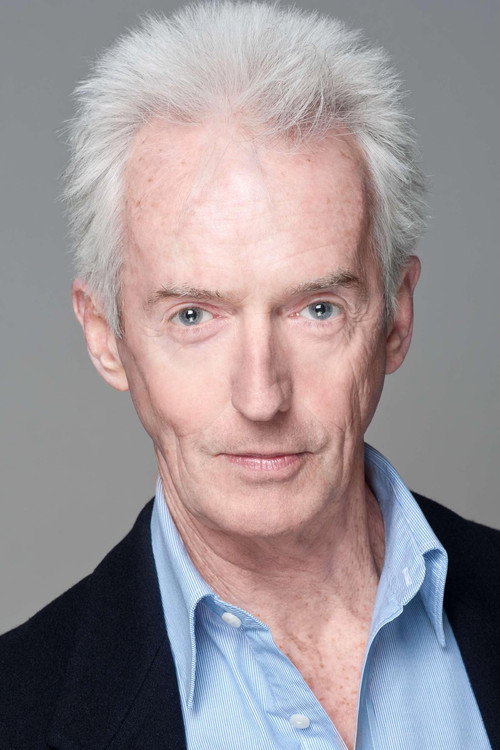
Peter Whitford as Les Kendall, Scott’s coach
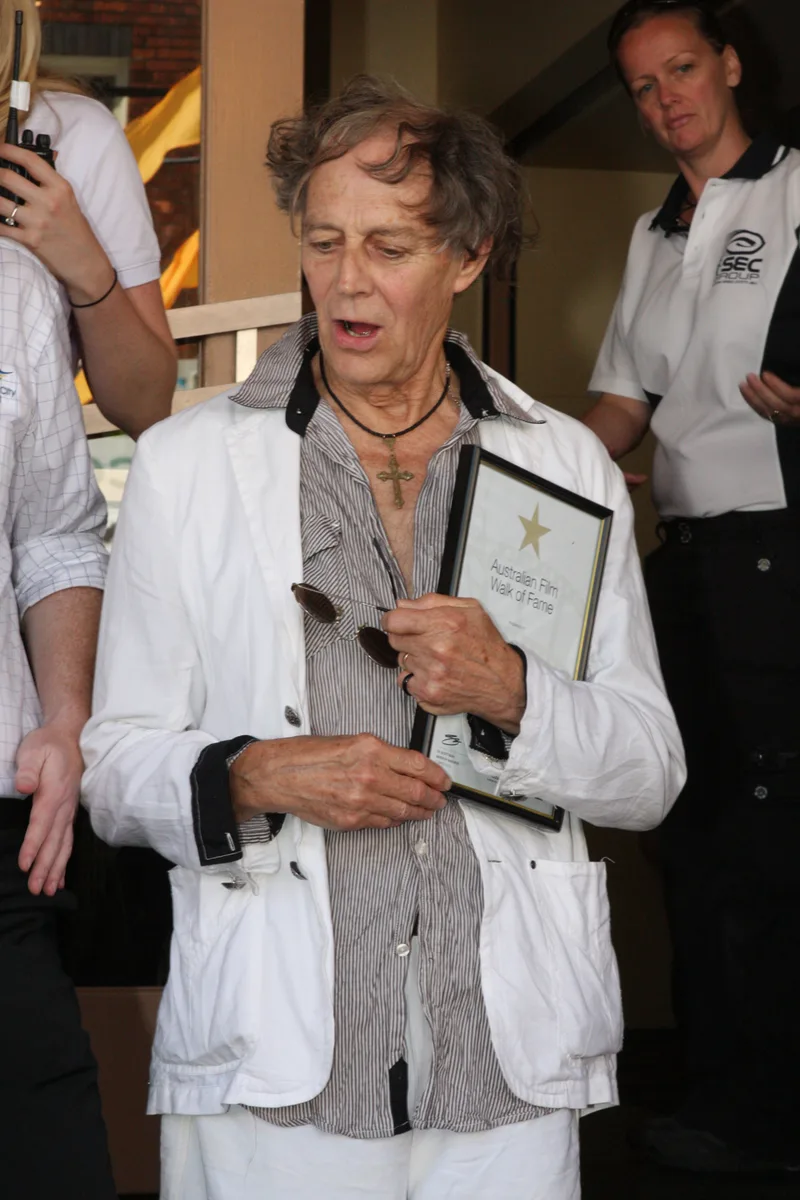
Barry Otto as Doug Hastings, Scott’s father and Shirley's husband
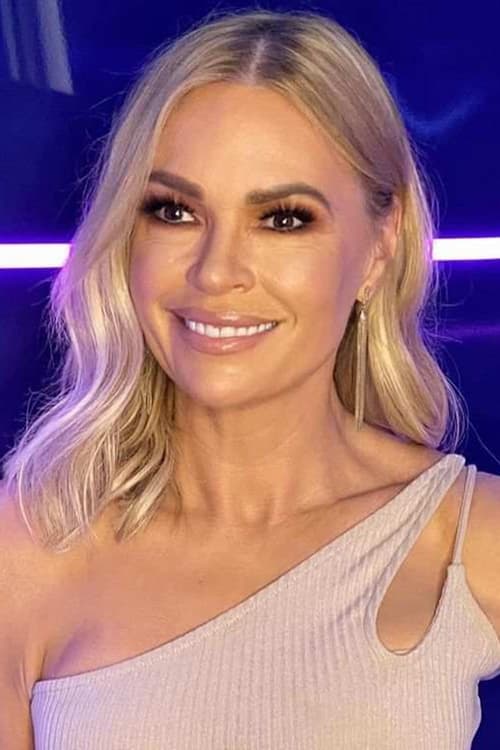
Sonia Kruger as Tina Sparkle
Kris McQuade as Charm Leachman, Barry's girlfriend
John Hannan as Ken Railings
Kerry Shrimpton as Pam Short
Pip Mushin as Wayne Burns, Scott’s best friend
Leonie Page as Vanessa Cronin, Wayne's partner and fiancé and Liz’s best friend
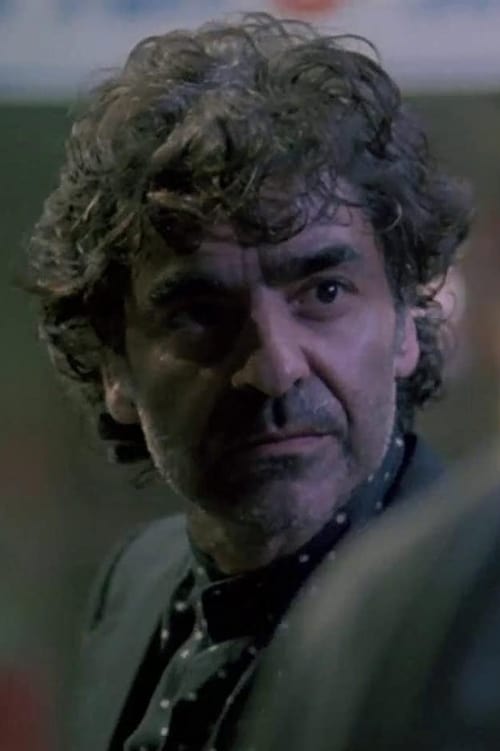
Antonio Vargas as Rico, Fran's father
Armonia Benedito as Ya Ya, Fran's grandmother
Steve Grace as Luke, Kylie's dance partner
Lauren Hewett as Kylie Hastings, Scott’s sister
Lara Mulcahy as Natalie
Jack Webster as Terry Best
Michael Burgess as Merv Landon
Production history
The film version of Strictly Ballroom was developed from an original short play of the same name. It drew on Luhrmann's own life experience—he had studied ballroom dancing as a child and his mother worked as a ballroom dance teacher in his teens and inspired by the life of Keith Bain (who grew up in the same town as Luhrmann). While studying at NIDA in the early 1980s, Luhrmann and a group of fellow students (including Catherine McClements, Sonia Todd and Nell Schofield) devised a short comedy-drama set in the cutthroat world of competitive ballroom dancing. This original 1984 NIDA production was a critical success and, after graduating, Luhrmann was invited to re-stage the play for the Czechoslovak Youth Drama Festival in Bratislava in 1986. He invited his school friend Craig Pearce to help him rewrite and expand the script. With its themes of artistic repression and underdogs battling against the odds, the play was a success at the festival, winning both the best director and best production awards.
This led Luhrmann to direct more theatre productions back in Australia, and in 1988, as part of the Australian Bicentenary celebrations, the Sydney Theatre Company invited him to establish an experimental theatre ensemble, Six Years Old, which took up a residency at The Wharf Theatre for that year. Alongside Luhrmann and Pearce, the new company included one of the original NIDA collaborators, actor Catherine McClements, plus production designer Catherine Martin (whom Luhrmann subsequently married), set dresser Bill Marron and costume designer Angus Strathie, all of whom went on to collaborate with Luhrmann on his films. The group work-shopped the expanded version of the play, which had a trial season at the Brisbane Expo in 1988 before opening at the Wharf Studios on 24 September 1988.
During its successful run at the Wharf, the play was seen by an influential Australian music executive. Ted Albert was a leading record producer and music publisher, best known in Australia as the discoverer and original producer of 1960s pop sensations The Easybeats. By the time he saw Strictly Ballroom, Albert was the managing director of his family-owned music publishing company Albert Music (formerly J. Albert & Sons) and its subsidiary, the highly successful record label Albert Productions, which scored a string of hits in the 1970s and 1980s with acts including John Paul Young and AC/DC.
Albert's wife Antoinette (known as "Popsy") took him to see the play after seeing a newspaper ad; they loved the energy, colour and musicality of the play and Ted Albert immediately saw the potential to develop the play into a film using the musical resources available to him through Alberts' publishing and recording enterprises. Soon after, Ted set up the film production company M&A Productions with ex-Film Australia producer Tristram Miall; they tracked Luhrmann down through NIDA and approached him with the offer to transform his play into a movie. In its early stages, with the involvement of writer Andrew Bovell, the script took a more serious tone, including a subplot set around the trade union at the BHP Newcastle Steelworks. Luhrmann balked at the move towards naturalism and eventually, with Albert's agreement, the director brought in his old friend Craig Pearce, who was able to translate Luhrmann's theatrical vision into a workable screenplay.
Home media
On February 14, 1994, the film was released on VHS in the United States by Touchstone Home Video. This was a home video arm of The Walt Disney Company, who purchased Strictly Ballroom's American distributor Miramax on June 30, 1993. The film was released on DVD in the United States on 19 March 2002 by Buena Vista Home Entertainment, another home video arm of Disney. In Australia, the film was released on VHS in approximately late 1992, by Columbia Tri-Star Hoyts Video (a joint venture between Sony's Columbia Tri-Star Home Entertainment and Australian theater chain Hoyts). The film's Australian DVD release in early 2003 was handled by 20th Century Fox Home Entertainment South Pacific, the Australian home video arm of the Rupert Murdoch-owned 20th Century Fox. Fox had financed and released several of Luhrmann's films following his success with Strictly Ballroom, such as Romeo + Juliet (1996), Moulin Rouge! (2001), and later Australia (2008).
Miramax still own the U.S. rights to Strictly Ballroom, in addition to currently owning the U.S. rights to other Australian films they released in the 1990s, such as The Castle, Cosi and Muriel's Wedding. In 2010, Miramax was sold by The Walt Disney Company, with the studio being taken over by private equity firm Filmyard Holdings that same year. Filmyard licensed the home media rights for several Miramax titles to Lionsgate, and on April 30, 2013, Lionsgate Home Entertainment reissued the film on Blu-ray in the United States. In 2011, Filmyard licensed the Miramax library to streamer Netflix (which was then not available in Australia). This deal included Strictly Ballroom, and ran for five years, eventually ending on June 1, 2016.
Filmyard Holdings sold Miramax to Qatari company beIN Media Group during March 2016. In April 2020, ViacomCBS (now known as Paramount Skydance) acquired the rights to Miramax's library, after buying a 49% stake in the studio from beIN. Through this deal, Paramount Pictures became the U.S. distributor for Strictly Ballroom and the distributor for all 700 other films from Miramax's library. Paramount Home Entertainment went on to reissue many Miramax titles on home video, including reissuing Strictly Ballroom on Blu-ray on July 27, 2021, and on DVD on June 25, 2024. In the United States, it was also made available on Paramount's subscription streaming service Paramount+, as well as on their free streaming service Pluto TV.
Reception
On the review aggregator website Rotten Tomatoes, 89% of 53 critics' reviews are positive, with an average rating of 7.5/10. The website's consensus reads: "As emotionally rich as it is eye-catching, Strictly Ballroom uses its infectious energy as the fuel for a modern dance classic with all the right moves." Metacritic, which uses a weighted average, assigned the film a score of 72 out of 100 based on 16 critics, indicating "generally favorable reviews". Not all major critics responded positively, with Australian film critic Adrian Martin calling it "amateurish and badly pitched in many respects", while American Jonathan Rosenbaum referred to it as "wretched" and "one of the more horrific and unpleasant movies I've seen in quite some time".
Box office
Strictly Ballroom previewed in Australia the week ending Wednesday, 19 August 1992 on 35 screens, grossing A$204,726 and finishing sixth at the Australian box office for the week. It officially opened on 20 August on 51 screens grossing A$1,216,376 in its opening week, placing at number 2 at the Australian box office, just behind Patriot Games on twice the number of screens. In its second week of release, it reached number one with a gross of A$1,307,825. It was knocked off number one the following week by Lethal Weapon 3 but returned in its sixth week of release after expanding to 85 screens where it remained for 7 weeks before being replaced by another local film, Romper Stomper. It was the highest-grossing film in Australia for the year with a gross of A$21,760,400 and the third highest-grossing Australian film of all time behind Crocodile Dundee and its sequel. It grossed US$11,738,022 in the United States and Canada and eventually took A$80 million at the worldwide box office, making it one of the most successful Australian films of all time.
Accolades
Strictly Ballroom competed in the Un Certain Regard section at the 1992 Cannes Film Festival and won the Youth Award for Foreign Film. It received thirteen nominations at the 1992 Australian Film Institute Awards and resulted in eight wins, including Best Film. The film earned eight nominations at the 46th British Academy Film Awards, including Best Film; it won Best Costume Design, Best Production Design, and Best Original Film Music. It was also nominated for Best Motion Picture – Musical or Comedy at the 51st Golden Globe Awards. In addition, the film was screened at several notable festivals to great critical acclaim, winning some major accolades, including the People's Choice Award at the Toronto International Film Festival and the Most Popular Film at the Vancouver International Film Festival.
Music
Among the songs featured on the soundtrack are:
"The Blue Danube" by Johann Strauss II
New versions of "Love is in the Air" and "Standing In The Rain" by John Paul Young. The film's version of "Love is in the Air" re-entered the Australian charts and became a Top 5 hit, peaking at #4 on the national chart in October 1992.
A cover version of John Paul Young's "Yesterday's Hero" by Ignatius Jones
"Perhaps, Perhaps, Perhaps" by Doris Day
A cover version of Cyndi Lauper's "Time After Time" by Mark Williams and Tara Morice
Both "The Blue Danube" and "Time After Time" were played in the 1984 and 1986 Strictly Ballroom stage productions.
Stage adaptation
In May 2011, it was announced that Strictly Ballroom would be adapted into a stage musical and premiere at the Sydney Lyric theatre. It premiered on 12 April 2014. The production moved to Her Majesty's Theatre, Melbourne in January 2015, and the Lyric Theatre, QPAC in Brisbane in September 2015.
The show received its British premiere on 30 November 2016 at the West Yorkshire Playhouse in Leeds. The show had its North American premier in Toronto at the Princess of Wales Theatre on 25 April 2017.
Legacy
The film has become a staple of pop culture, being referenced in various media worldwide.
Many television series have episodes with titles referencing the film, including Phenom ("Strictly Lunchroom"), Even Stevens, The Suite Life of Zack & Cody ("Loosely Ballroom") and Groove High ("Slightly Ballroom").
The film is frequently referenced on the American iteration of Dancing with the Stars, as well as influencing the name of the original UK version Strictly Come Dancing. Sonia Kruger, who portrayed Tina Sparkle in the film, would also go on to host the Australian version of Dancing with the Stars.