Later career
In the 1970s, Baker announced a number of projects as producer, including an adaptation of George MacDonald Fraser's novel Flashman, to be directed by Richard Lester, and Summer Fires with Peter Hall. "I don't make films to see myself perform, I do it to act", said Baker. "I've enjoyed everything I've worked on, including the bad pictures... I enjoy being a working actor. I've been accused by journalists of lack of discretion, lack of taste. Well I'd rather have that lack than the lack of having made them... Producing is total involvement and compatible with acting, while I don't think directing is. Producing gives you a continuity of effort that helps with acting."
He also expanded his business interests. He was one of the founder members of Harlech Television, and was a director of it until his death.
With Michael Deeley and Barry Spikings, he formed 'Great Western Enterprises', which was involved in a number of projects in the entertainment field, notably music concerts, and in the late 1960s it bought Alembic House (now called Peninsula Heights) on the Albert Embankment, where Baker occupied the penthouse apartment for a number of years. Baker, Deeley, and Spikings were also part of a consortium that bought British Lion Films and Shepperton Studios, selling Alembic House to finance it. Baker said in 1972 that:
I love business for the activity it creates, the total commitment. The acting bit is great for the ego, (but) all the real excitement is in business... I'm still surprised how good I am at business.
However, Baker was the victim of bad timing. The British film industry went into serious decline at the end of the 1960s, and a number of Oakhurst films were unsuccessful at the box office. Plans to make a costume drama called Sunblack, directed by Gordon Flemyng, did not come to fruition. His commercial foray into pop music festivals was financially disastrous, with the Great Western Bardney Pop Festival in Lincoln ending up losing £200,000. The British stock market crashed at the end of 1973, throwing the over-leveraged British Lion into turmoil.
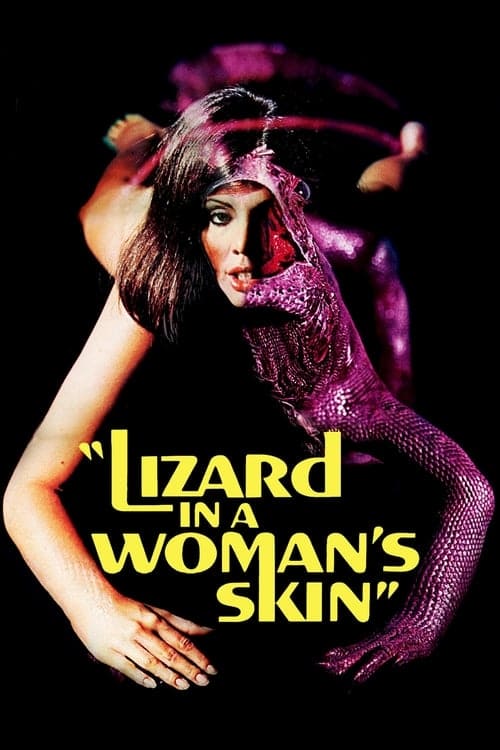
Baker was forced to keep acting to pay the bills, often accepting roles in poor films which adversely affected his status as a star. His son Glyn later said that:"My dad had to accept any and everything to keep the companies afloat. Doing staggeringly-bad stuff like Popsy Pop, which was an Italian–Venezuelan co-production and A Lizard in a Woman's Skin [both 1971] – a movie which makes absolutely no sense whatsoever. At the slowest period, Stanley still had a payroll of at least 100 in his employ. So it was, 'Here we go – take the money, make this trash, hopefully, no one will ever see it.' Famous last words."'
According to Michael Deeley, the financiers of British Lion Films were reluctant for Baker to be involved in the management of the company because they felt his focus was more on his acting career.
The Butterfly Affair (1970) was with Claudia Cardinale; A Lizard in a Woman's Skin (1971) was an Italian giallo movie; Innocent Bystanders (1972) was directed by Peter Collinson who had done The Italian Job.
Towards the end of his life Baker pulled back on his business activities and worked mostly as an actor, taking roles in television including two of the BBC's Play of the Month series: The Changeling and Robinson Crusoe (both 1974), plus Who Killed Lamb? (1974) and Graceless Go I (1974).
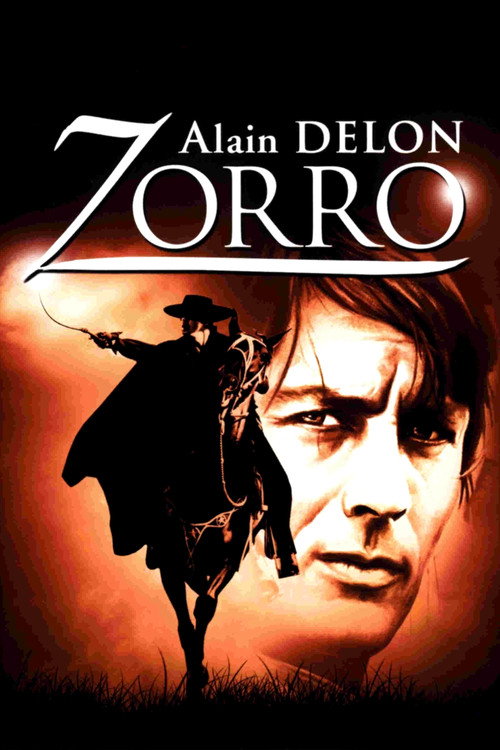
He made a series of films in Spain: Zorro (1975), starring Alain Delon, where Baker played the main villain; Bride to Be (1975), with Sarah Miles.
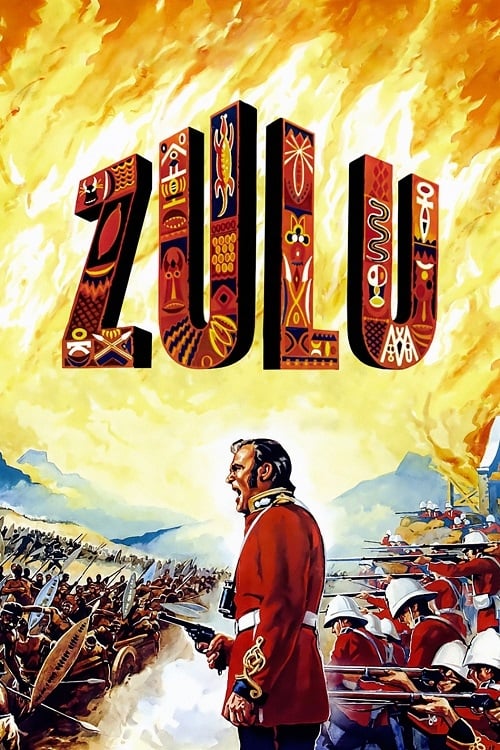
Baker's final British performance was in a BBC Wales adaptation of How Green Was My Valley (1975), broadcast shortly before he was diagnosed with cancer. Shortly before his death he was planning on producing a prequel to Zulu, Zulu Dawn. His last role was in an Italian TV miniseries, Orzowei, il figlio della savana (1976), based on the novel Orzowei.
Filmink argued "Baker had so much talent and drive that if he had lived longer, we believe that his career would have re-flourished. It’s not hard to envision him picking up easy money in ‘80s Hollywood with its love for British villains (Steve Berkoff, Alan Rickman) and his love for producing was bound to come up with some first rate projects eventually."