Critical response
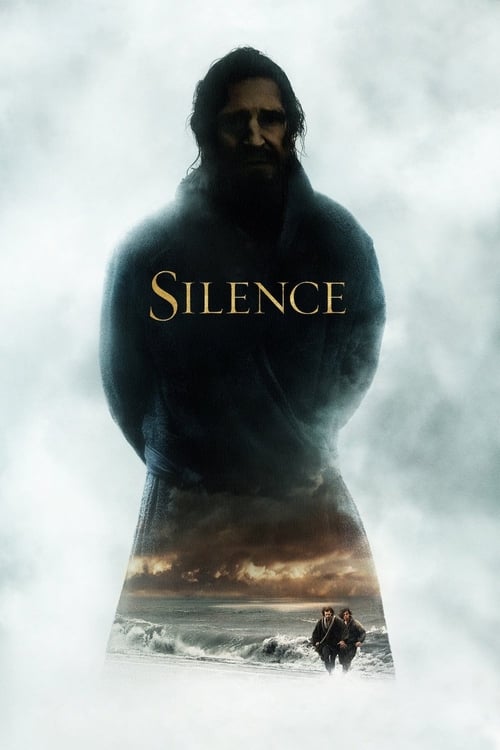
On review aggregator website Rotten Tomatoes, the film has an approval rating of 83% based on 286 reviews, and an average rating of 7.60/10. The site's critical consensus reads: "Silence ends Martin Scorsese's decades-long creative quest with a thoughtful, emotionally resonant look at spirituality and human nature that stands among the director's finest works." On Metacritic, which assigns a weighted average rating, the film has a score of 79 out of 100, based on 48 critics, indicating "generally favorable reviews". Audiences polled by CinemaScore gave the film an average grade of "A" on an A+ to F scale. Several critics have referred to the film as being among the finest films of Scorsese's career.
Matt Zoller Seitz of RogerEbert.com gave the film four out of four stars, stating: "Silence is a monumental work, and a punishing one. It puts you through hell with no promise of enlightenment, only a set of questions and propositions, sensations and experiences ... This is not the sort of film you 'like' or 'don't like.' It's a film that you experience and then live with." Richard Roeper also awarded the film four out of four stars, saying: "When Ferreira finally appears and we learn the truth about where he's been all this time, it further serves Scorsese's central theme about the conflict between adhering to one's sacred vows and traditional beliefs and doing the right thing, the prudent thing, the moral thing, on a very pragmatic level."
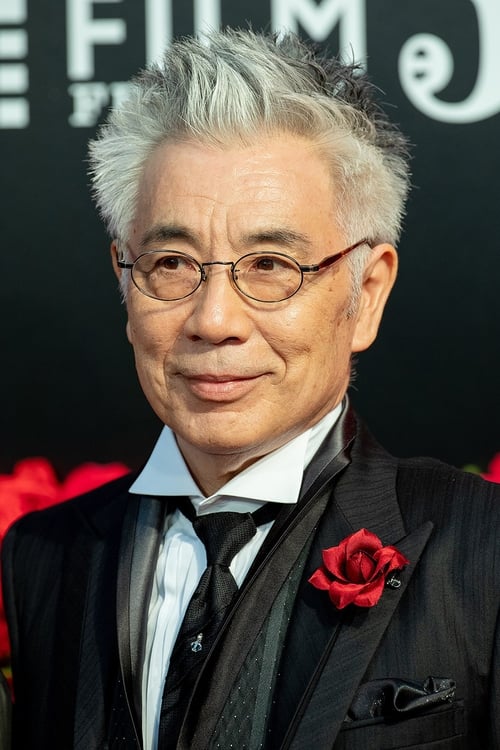
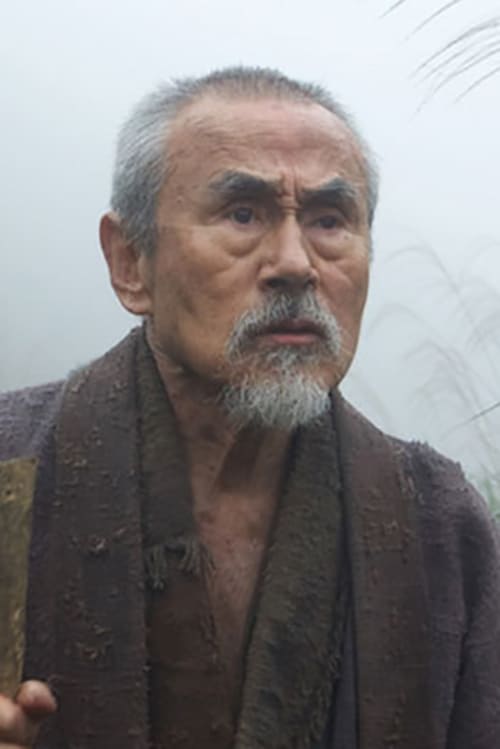
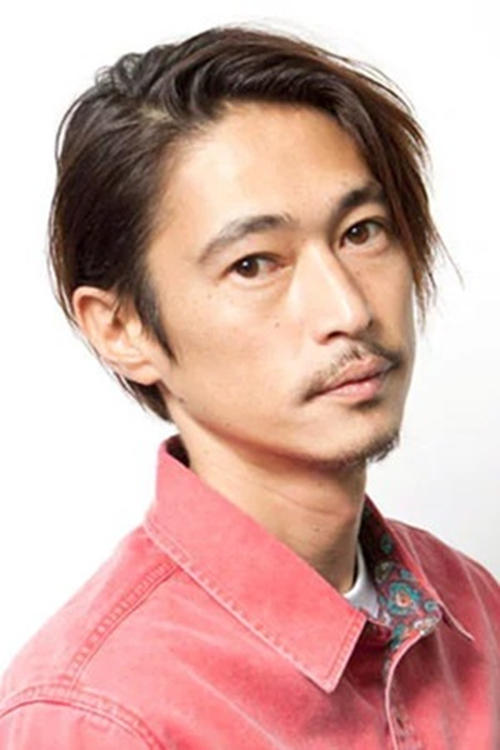
Several reviewers such as Justin Chang and Mark Kermode emphasized Scorsese's collaboration with his production crew and with his actors as contributing to the film's quality. Writing for the Los Angeles Times, Justin Chang called the film an "anguished masterwork" for Scorsese, stating: "Working with such sterling past collaborators as editor Thelma Schoonmaker, production designer Dante Ferretti and cinematographer Rodrigo Prieto, Scorsese has done more than resurrect a vision of feudal Japan... Silence feels less like a feat of adaptation than an act of artistic submission". Mark Kermode writing for The Guardian indicated exemplary performances by the range of Japanese supporting actors in the cast, stating: "The real stars however, are the Japanese cast, from Yōsuke Kubozuka's enigmatic wretch, Kichijirō ... to Yoshi Oida's devout elder Ichizo, to whose village these priests bring both salvation and suffering. As a smiling, silver-tongued interpreter, Tadanobu Asano is a superb foil to the inquisitor, Inoue, played with fly-swatting menace by a wheedling Issey Ogata".
Apart from the narrative qualities of the film, the filmmaking was also praised for the depth and thoroughness of its thematic content. Peter Travers of Rolling Stone, who assigned it 3+1⁄2 stars out of four, wrote that Silence "offers frustratingly few answers but all the right questions" and argued that it is among the director's "most spiritually moving films to date". In Slant, Jesse Cataldo argued: "Tapping into the vast pool of vagueness and uncertainty that exists beneath the veneer of a rigid, righteous belief, Scorsese crafts a versatile, multifaceted work that encourages serious reflection and contemplation". Alissa Wilkinson of Vox wrote that Silence "is beautiful, unsettling and one of the finest religious movies ever made". John Ehrett of The Federalist praised the film highly, saying: "Silence is a must-see masterpiece about the paradoxes of faith." Ehrett further added: "Complex yet reverent, Silence explores the meanings and dilemmas of Christian faith, and decisively sets a new benchmark for religious films."
Some reviewers cited the legacy aspects of the film for Scorsese, and compared Scorsese to iconic director Ingmar Bergman. Ty Burr of The Boston Globe said: "The movie's being promoted as the third in the director's unofficial trilogy of faith, after The Last Temptation of Christ (1988) and Kundun (1997), and it feels like a self-conscious masterpiece, a summing-up from a filmmaker who, at 74, may be thinking of his legacy." Joshua Rothkopf of Time Out London gave the film five stars out of five, saying: "Scorsese has hit the rare heights of filmmakers like Ingmar Bergman and Carl Theodor Dreyer, artists who find in religion a battleground that leaves even the strongest in tatters, compromised and broken." Emma Green of The Atlantic gave the film high praise, stating: "This is what makes Scorsese's film so radical and so unlike many movies about religion: It's actually art." Robbie Collin of The Telegraph gave the film five stars out of five, stating: "Scorsese's brutal spiritual epic will scald, and succor, your soul." Collin further added: "It's the kind of work a great filmmaker can only pull off with a lifetime's accrued expertise behind him". Brian Truitt of USA Today gave the film three-and-a-half stars, stating: "With the religious historical drama Silence, Martin Scorsese proves he's as masterful a filmmaker with men of God as he is with gangsters." Truitt also argued that the film "marks one of the deeper and most thoughtful projects in Scorsese's career".
The film also garnered criticism. Writing for Variety, Peter Debruge found major flaws with the film, writing: "Though undeniably gorgeous, it is punishingly long, frequently boring, and woefully unengaging at some of its most critical moments. It is too subdued for Scorsese-philes, too violent for the most devout, and too abstruse for the great many moviegoers who such an expensive undertaking hopes to attract." John Patterson of The Guardian stated in his review: "I fear that Silence expired in the womb during that long gestation period. It is beautiful to look at, but feels inert, humourless and overly devout (to say nothing of over-long; Masahiro Shinoda's 1971 adaptation got Shūsako Endō's 1966 novel on to film using 30 fewer minutes than Scorsese). Perhaps that leap toward the devout is needed to savour it fully–and I found I couldn't make it."
In 2023, Cannes Film Festival director Thierry Frémaux revealed in a podcast that he mentioned to Scorsese in 2017 his belief that, had Silence premiered at Cannes first before going to theaters, it would have had a better reception.
In 2025, it was one of the films voted for the "Readers' Choice" edition of The New York Times' list of "The 100 Best Movies of the 21st Century," finishing at number 207.