Development
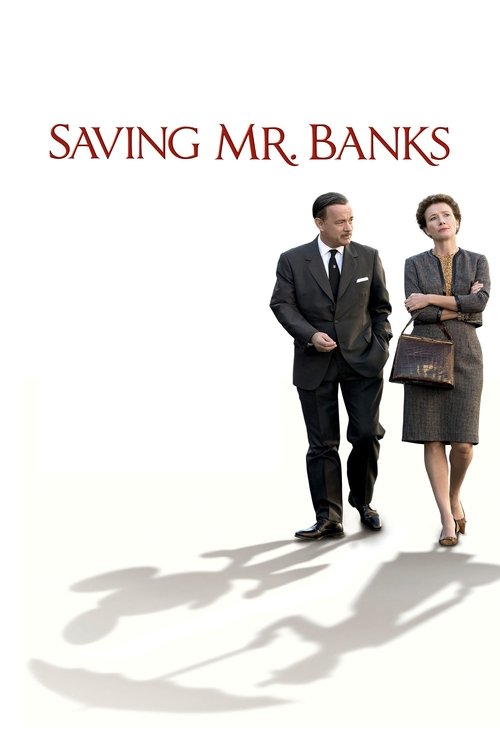
In 2002, Australian producer Ian Collie produced a documentary film on P. L. Travers titled The Shadow of "Mary Poppins". During the documentary's production, Collie noticed that there was "an obvious biopic there" and convinced Essential Media and Entertainment to develop a feature film with Sue Smith writing the screenplay. The project attracted the attention of BBC Films, which decided to finance the project, and Ruby Films' Alison Owen, who subsequently hired Kelly Marcel to co-write the screenplay with Smith. Marcel's drafts removed a subplot involving Travers and her son, and divided the story into a two-part narrative: the creative conflict between Travers and Walt Disney, and her dealings with her childhood issues, describing it as "a story about the pain of a little girl who suffered, and the grown woman who allowed herself to let go". Marcel's version, however, featured certain intellectual property rights of music and imagery which would be impossible to use without permission from The Walt Disney Company. "There was always that elephant in the room, which is Disney," Collie recalled. "We knew Walt Disney was a key character in the film and we wanted to use quite a bit of the music. We knew we'd eventually have to show Disney." In early 2010, Robert B. Sherman provided Owen with an advance copy of a salient chapter from his then upcoming book release, Moose: Chapters From My Life. The chapter entitled, "'Tween Pavement and Stars" contained characterizations and anecdotes which proved seminal to Marcel's script rewrite, in particular, the anecdote about there not being the color red in London. In July 2011, while attending the Ischia Film Festival, Owen met with Corky Hale, who offered to present the screenplay to Richard M. Sherman. Sherman read the screenplay and gave the producers his support. Later that year, Marcel and Smith's screenplay was listed in Franklin Leonard's The Black List, voted by producers as one of the best screenplays that were not in production.
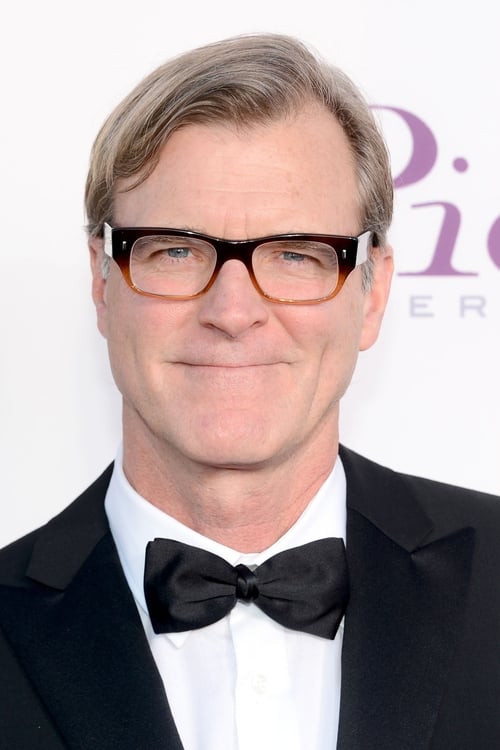
In November 2011, Walt Disney Pictures' president of production, Sean Bailey, was informed by executive Tendo Nagenda of Marcel's existing script. Realizing that the screenplay included a depiction of the studio's namesake, Bailey conferred with Disney CEO Bob Iger and Walt Disney Studios chairman Alan Horn, the latter of whom referred to the film as a "brand deposit," a term adopted from Steve Jobs. Together, the executives discussed the studio's potential choices; purchase the script and shut the project down, put the film in turnaround, or co-produce the film themselves. With executive approval, Disney acquired the screenplay in February 2012 and joined the production with Owen, Collie and Philip Steuer as producers, and Christine Langan, Troy Lum, Andrew Mason, and Paul Trijbits serving as executive producers. John Lee Hancock was hired to direct the film later that same month.
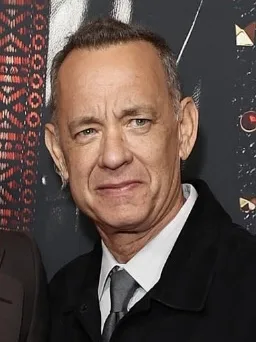
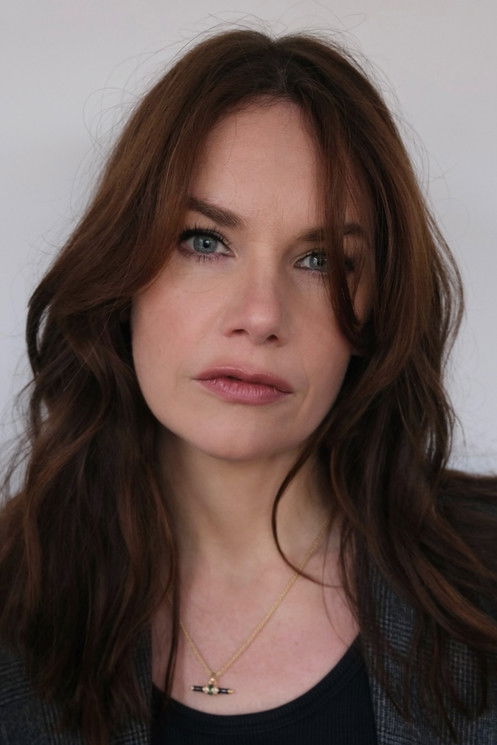
Iger subsequently contacted Tom Hanks to consider playing the role of Walt Disney, which would become the first-ever focal depiction of Disney in a mainstream film. Hanks accepted the role and made several visits to the Walt Disney Family Museum and interviewed some of Disney's former employees and family relatives, including his daughter Diane Disney Miller. The film was subsequently dedicated to Disney Miller, who died shortly before it was released. In April 2012, Emma Thompson entered final negotiations to star as P. L. Travers, after the studio was unable to secure Meryl Streep for the part. Thompson said that the role was the most difficult one that she has played, describing Travers as "a woman of quite eye-watering complexity and contradiction." "She wrote a very good essay on sadness, because she was, in fact, a very sad woman. She'd had a very rough childhood, the alcoholism of her father being part of it and the attempted suicide of her mother being another part of it. I think that she spent her whole life in a state of fundamental inconsolability and hence got a lot done." Colin Farrell, Paul Giamatti, Jason Schwartzman, Bradley Whitford, B. J. Novak, and Ruth Wilson were cast in July 2012.
With Disney's backing, the production team was given access to 36 hours of Travers's audio recordings of herself, the Shermans, and co-writer Don DaGradi that were produced during the development of Mary Poppins, in addition to letters written between Disney and Travers from the 1940s through the 1960s. Richard M. Sherman also worked on the film as a music supervisor and shared his side of his experiences working with Travers on Mary Poppins. Initially, Hancock had reservations about Disney's involvement with the film, believing that the studio would edit the screenplay in their co-founders favor. However, Marcel admitted that the studio "specifically didn't want to come in and sanitize it or change Walt in any way." Hancock elaborated, "I was still worried that they might want to chip away at Walt a little bit ... I thought the portrayal of Walt was fair and human, so I came in and they said, 'No, we like it.' But still, every step of the way, I had my fist balled up behind my back ready to fight in case it happened, but it didn't." Although the filmmakers did not receive any creative interference from Disney regarding Walt Disney's depiction, the studio did request that they omit any onscreen inhalation of cigarettes (a decision that Hanks himself disagreed with) due to the company's policy of not directly depicting smoking in films released under the Walt Disney Pictures banner, and to avoid receiving an R-rating from the Motion Picture Association. Instead, Disney is shown extinguishing a lit cigarette in one scene, stating that nobody can see him smoking due to the effect it would have on his image. Additionally, his notorious smoker's cough is heard off-screen several times throughout the film.





.jpg?width=400)


