Career
Wanamaker began his acting career in traveling shows and later worked on Broadway. In 1942, he starred with Ingrid Bergman in Joan of Lorraine and directed Two Gentlemen from Athens the following year.
In 1943, Wanamaker was part of the cast of the play Counterattack at the National Theatre in Washington, D.C. During the play, he became enamored of the ideals of communism. He attended Drake University before serving in the U.S. Army from 1943 to 1946, during World War II. In 1947, he returned to civilian life as an actor and director. In 1948, he starred in and directed the original Broadway production of Goodbye, My Fancy.
In 1951, Wanamaker made a speech welcoming the return of two of the Hollywood Ten. In 1952, at the height of the McCarthy "Red Scare" period, Wanamaker, who was then acting in the UK, learned that despite his distinguished service in the Army during World War II, his years as a communist could lead to his being blacklisted in Hollywood. He consequently decided to remain in England, where he reestablished his career as a stage and film actor, along with becoming a director and producer. He explained:
In 1950 I went to England to do a play, and around that time the whole McCarthy witch-hunting era had taken hold in Hollywood—so I just stayed in Britain. I knew that because I had worked with actors who had problems in Hollywood, I might have difficulties.
In 1952, he made his debut as both actor and director in London in Clifford Odets' Winter Journey. The play, which co-starred Michael Redgrave, was considered "sensational" by critics. He later appeared in other plays, including The Big Knife, The Shrike, The Rainmaker, and A Hatful of Rain. For a revival of Seán O'Casey's Purple Dust in 1953 he invited Gerard Hoffnung to design the drop-cloth, and Wanamaker was later to be the producer of the first Hoffnung Festival Concert (1959). In 1956, he directed the British premiere of Bertolt Brecht and Kurt Weill's musical play The Threepenny Opera (revived in New York in 1954 in a translation by Marc Blitzstein.)
In 1957, he was appointed director of the neglected New Shakespeare Theatre in Liverpool. He brought a number of notable productions to the theatre, such as A View from the Bridge, Cat on a Hot Tin Roof, The Rose Tattoo and Bus Stop. It was also transformed into a lively arts centre as a result of including other cultural attractions, such as films, lectures, jazz concerts and art exhibits.
As a result of all his various activities, Wanamaker became London's "favourite American actor and director", noted The Guardian. In 1959, he joined the Shakespeare Memorial Theatre company at Stratford-upon-Avon, playing Iago to Paul Robeson's Othello in Tony Richardson's production that year. In the 1960s and 1970s, he produced or directed several works at venues including the Royal Opera House, Covent Garden, and directed the Shakespeare Birthday Celebrations in 1974. In September that year he also produced the first opera to be mounted in the new Sydney Opera House - War and Peace by Prokofiev.
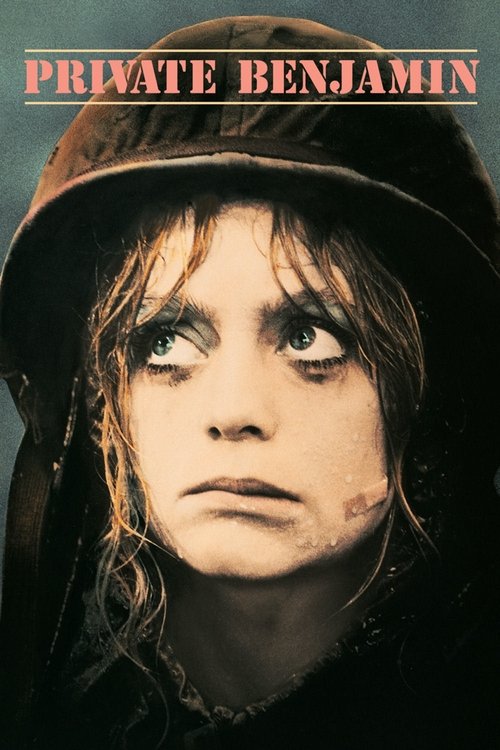
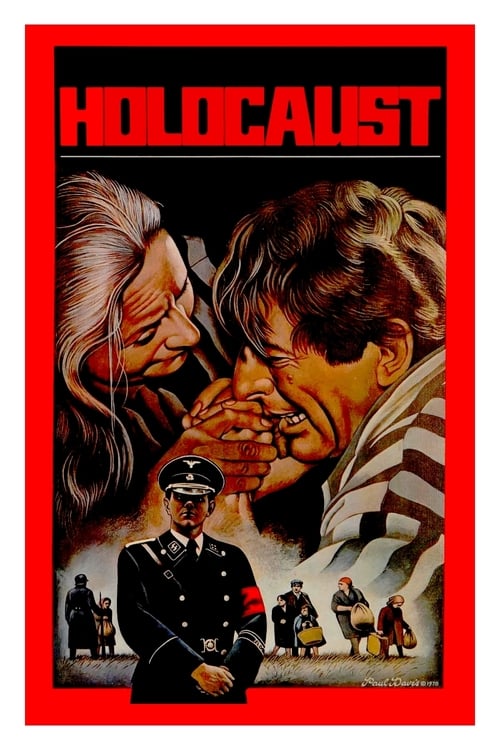
As a director and actor, he worked in films and television, with a role in The Spiral Staircase (1974). Wanamaker eventually returned to Hollywood films including Private Benjamin (1980), Raw Deal (1986), Superman IV: The Quest for Peace (1987), and Baby Boom (1987). He was nominated for a Primetime Emmy Award for Outstanding Supporting Actor in a Drama Series for his performance in the 1978 ABC television miniseries Holocaust.
In 1968, he produced and directed the pilot episode of the Western TV series Lancer. A fictional version of this is depicted in the 2019 film Once Upon a Time in Hollywood, and the 2021 novel of the same name. Wanamaker is portrayed by Nicholas Hammond in the film.
He also directed stage productions, including the world premiere production of Michael Tippett's opera The Ice Break. In 1980, he directed Giuseppe Verdi's opera Aida starring Luciano Pavarotti at San Francisco Opera (now broadcast version released as DVD). He was also featured as the widowed and ruthless department store owner Simon Berrenger on the short-lived television drama Berrenger's in 1985.