Feature film director
Benjamin's work on the Where's Poppa? pilot saw him offered the job as director on My Favorite Year (1982) starring Peter O'Toole. The film was warmly received, earning O'Toole an Oscar nomination for Best Actor and launched Benjamin as a director.
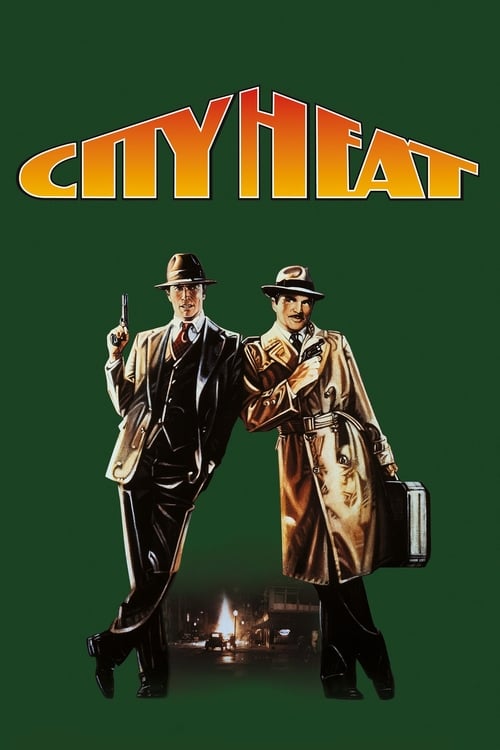
Benjamin and Prentiss returned to acting with the TV movie Packin' It In (1983). He said, "If I get a wonderful script to act in and a mediocre script to direct, I'll act. And the same principle applies the other way around. It's the material that counts." He focused on directing, though, for the next decade. Benjamin's second feature as director was Racing with the Moon (1984) from a script by Steve Kloves starring Sean Penn and Nicolas Cage. He was then called in at short notice to replace Blake Edwards on City Heat (1984) with Clint Eastwood and Burt Reynolds, which was a critical and commercial disappointment.
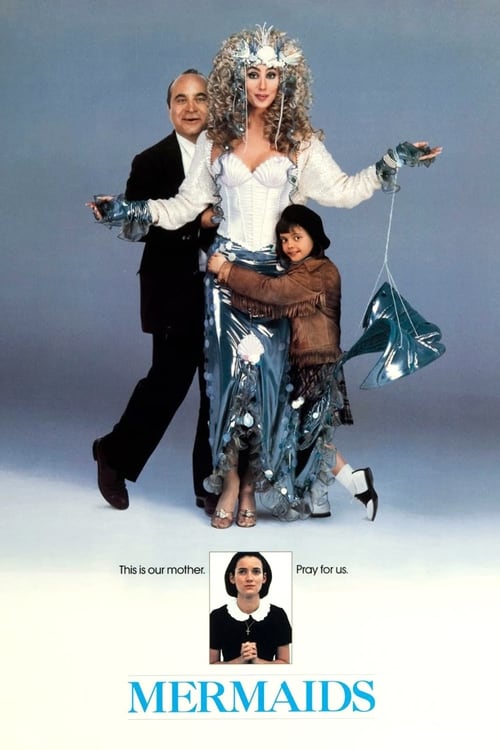
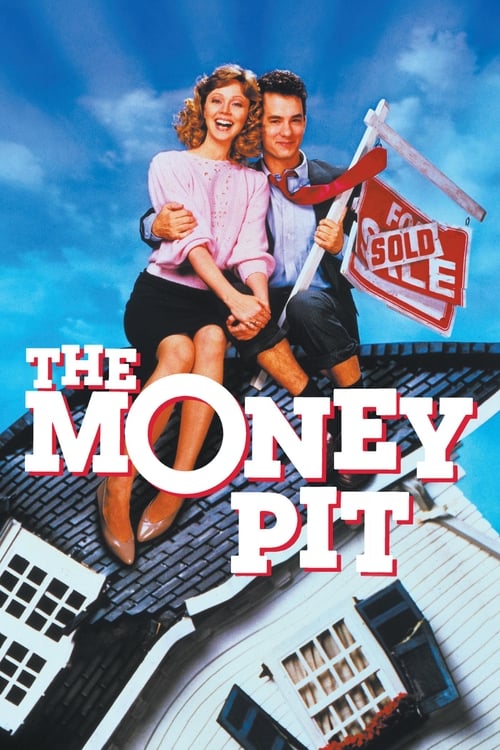
Benjamin directed a comedy for Steven Spielberg's company, The Money Pit (1986) with Tom Hanks and Shelley Long. He then directed a thriller Little Nikita (1988) with Sidney Poitier and River Phoenix, and a comedy with Dan Aykroyd, My Stepmother Is an Alien (1988). Benjamin did another comedy, Downtown (1990), with Anthony Edwards and Forest Whitaker. He had a moderate hit with Mermaids (1990) starring Cher and Winona Ryder.
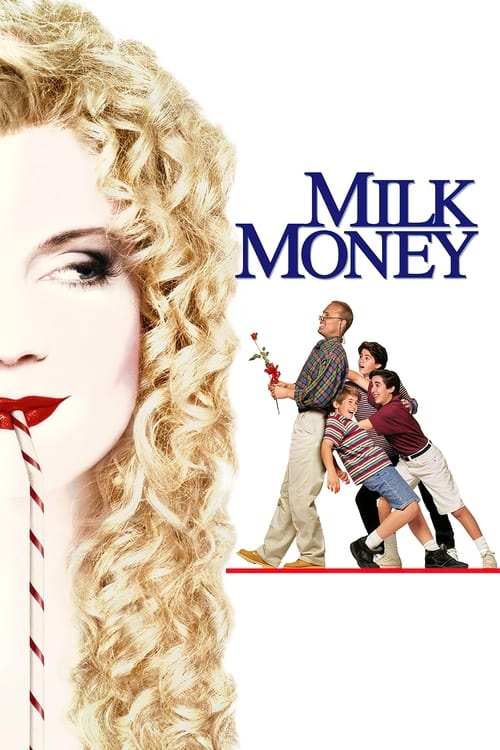
Made in America (1993) with Whoopi Goldberg and Ted Danson was also successful. Milk Money (1994) with Melanie Griffith and Ed Harris was less so. He also directed Mrs. Winterbourne (1996).
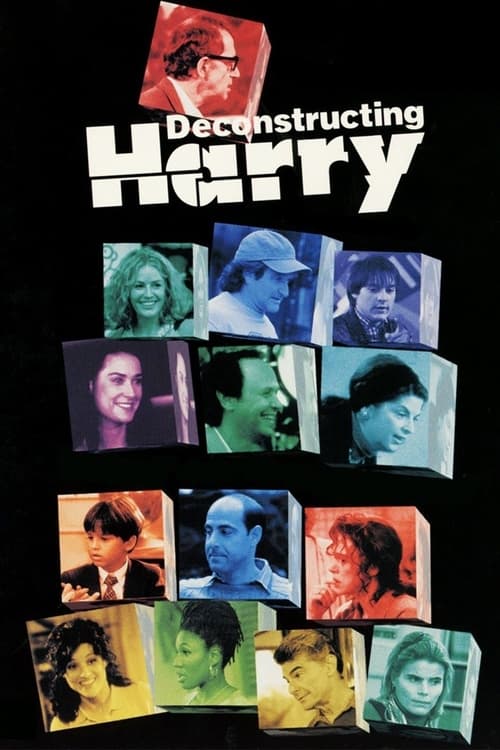
In the 1990s and 2000s, Benjamin returned to acting. In 1998, Benjamin and Prentiss performed Power Plays on stage. Benjamin also made appearances on TV shows including The Ray Bradbury Theater, Love & War, Ink, Mad About You, and Titus, as well as the films Deconstructing Harry (1997), Keeping Up with the Steins (2006), and Henry Poole Is Here (2008). Benjamin returned to directing features with The Shrink Is In (2001) and Marci X (2003), a satirical comedy starring Lisa Kudrow and Damon Wayans which attempted to explore the intersection of white liberal identity and hip-hop culture. The film was a critical and commercial failure, receiving an 8% rating on Rotten Tomatoes and grossing only $1.7 million against a reported $20 million budget. Critics widely panned its tone and racial politics, with The Boston Globe calling it "clueless and sad," and The A.V. Club describing it as "the year's most misguided culture-clash comedy." While a few, including critic Armond White, defended its satirical intentions, the film remains a notable outlier in Benjamin's directorial career and is largely absent from retrospectives of his work.