1997–2003: Independent film work and critical success
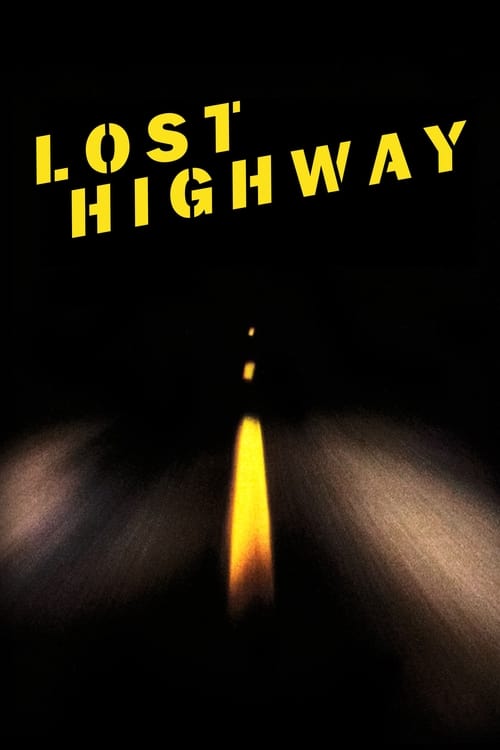
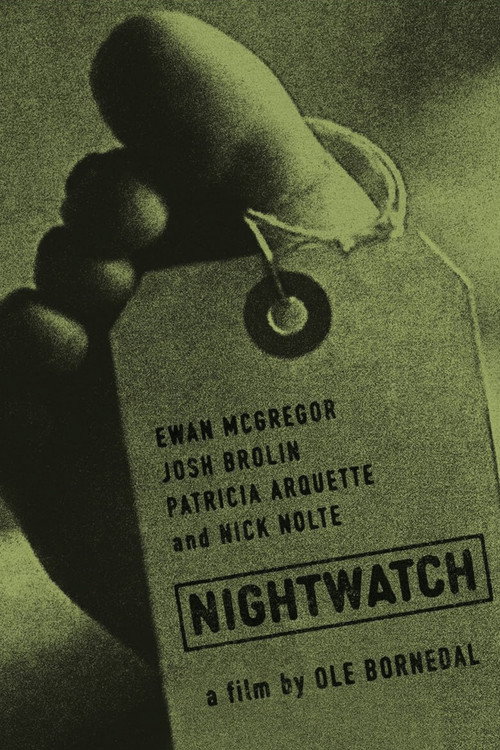
In 1997, Arquette starred in David Lynch's neo-noir psychological thriller Lost Highway, in dual roles as Renee Madison and Alice Wakefield. The film had an ambiguous narrative, which polarized audiences and drew varying critical opinion. It established a strong cult following and has continued to gain recognition. Arquette played an elusive femme fatale in a critically revered performance that enabled her to draw on her sexuality more than any other previous role. Roger Ebert, of the Chicago Sun-Times, disliked the film, saying there was "no sense to be made of it" and voiced his distaste over a scene in which Arquette's character is asked to disrobe at gunpoint. Other critics were more favourable: Andy Klein of the Dallas Observer called it a "two-hour plus fever dream", Michael Sragow of The New Yorker called the film a "compelling erotic nightmare", and Edward Guthman of the San Francisco Gate wrote a glowing review praising Arquette's performance, calling it the "strongest, most memorable performance [of the film]" and favourably comparing her double role to Kim Novak's in Vertigo (1958). That same year, Arquette appeared in Nightwatch, a horror-thriller film directed by Ole Bornedal. The film is a remake the Danish film Nattevagten (1994), which was also directed by Bornedal. Nightwatch was not a box office success and received poor reviews by critics, many of whom considered it an unnecessary, inferior retelling of the original film.
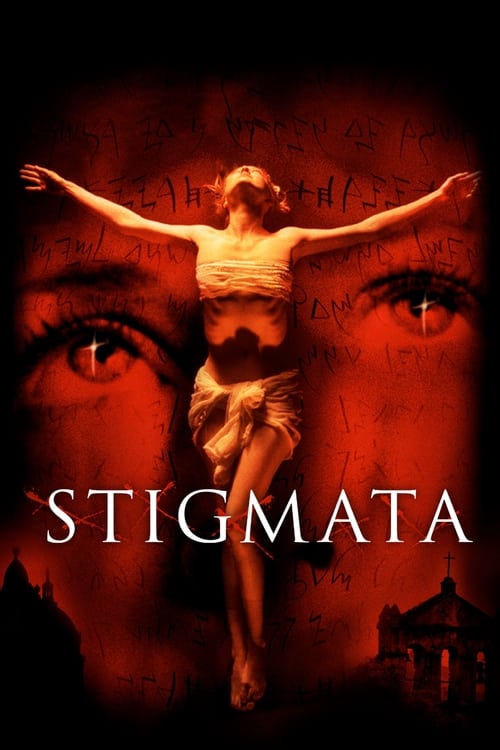
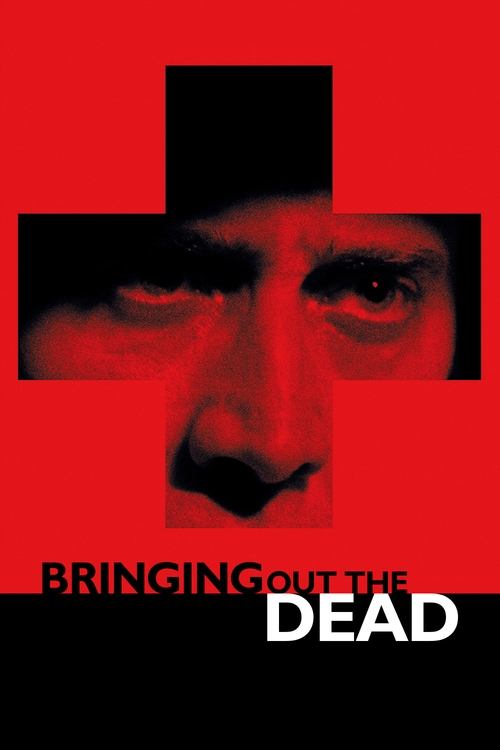
In 1998, Arquette performed in two films: Goodbye Lover, a comedic neo-noir directed by Roland Joffé and The Hi-Lo Country, a period Western directed by Stephen Frears. The former received a poor critical reception while the latter received a more appreciative albeit modest response. The Hi-Lo Country was widely cited as a "classic Western" in the press. Stephen Holden of The New York Times said, "In its best moments the movie feels like an epic hybrid of Red River and The Last Picture Show." In 1999, Arquette returned to familiar territory with the genre that began her career, in Stigmata, a horror film, in the lead role. Produced on a budget of $29 million, the film was a box office success, grossing $50,046,268. Internationally the film earned $39,400,000 for a total worldwide gross $89,446,268. Critics were not as receptive of the film as audiences, with Roger Ebert remarking "possibly the funniest movie ever made about Catholicism – from a theological point of view". Arquette then appeared in Martin Scorsese's Bringing out the Dead, based on the novel by Joe Connelly. The film united her with then-husband Nicolas Cage and received highly favourable critical reviews, but was a box office flop. Janet Maslin of The New York Times wrote that "Arquette's quietly credible performance helps center Frank's experiences; one of the film's most honest scenes is one in which they share an ambulance ride without sharing a word".
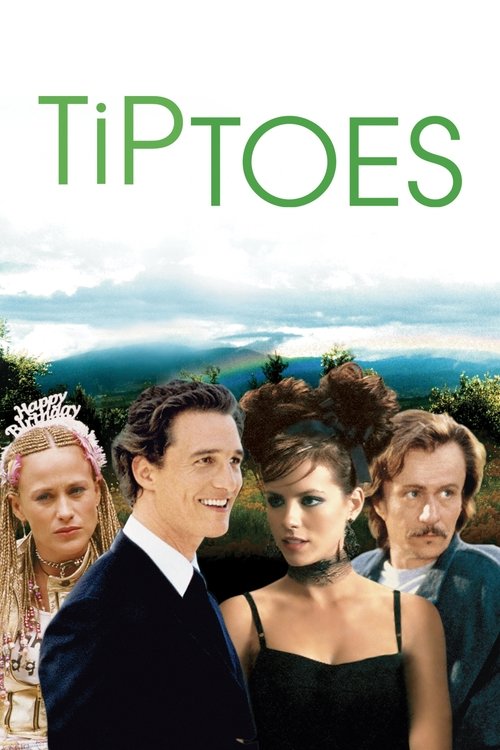
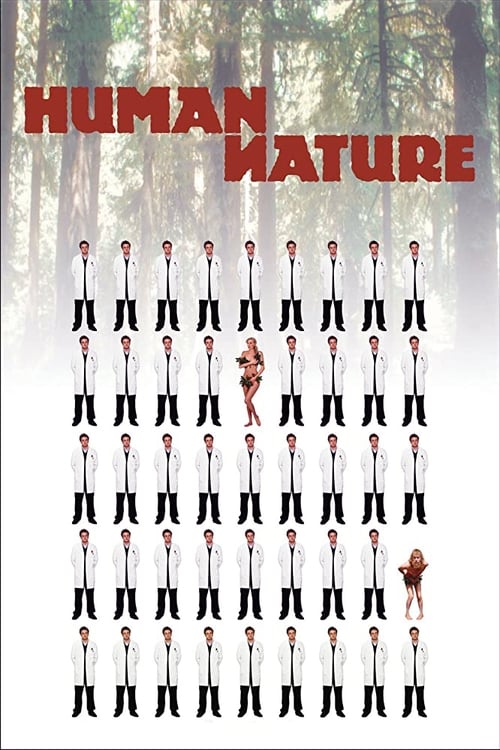
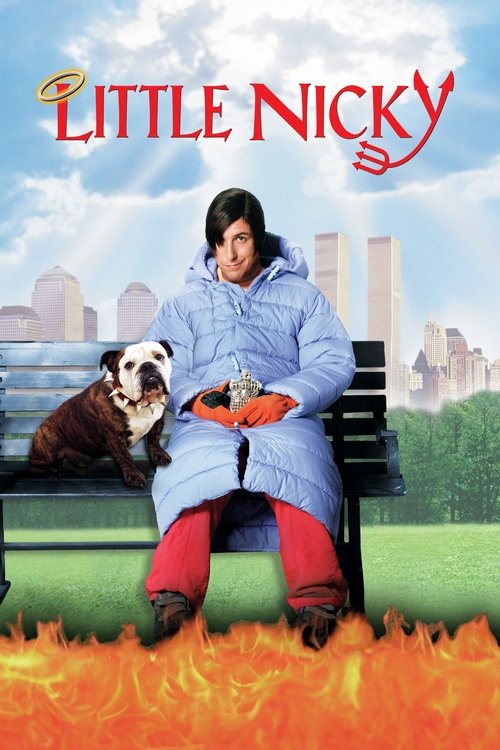
Her next role was in the light-hearted comedy Little Nicky (2000), alongside Adam Sandler. Despite being a box office hit, the film received negative reviews, although Roger Ebert called it Sandler's best film to date. Following this, she starred in the French-American comedy drama Human Nature (2001), written by Charlie Kaufman and directed by Michel Gondry. The film was met with mixed reviews and was screened out of competition at the 2001 Cannes Film Festival. Roger Ebert, in a three-star (out of a possible four) review, lauded the film's "screwball charm". The following year, she appeared in the small-scale mystery film The Badge, playing the widow of a murdered transsexual woman. In 2003, she portrayed the controversial pornographic film star Linda Lovelace in the little known Deeper than Deep, which was followed with the more family orientated Disney produced Holes, as Kissin' Kate Barlow. Based on the 1998 novel of the same title by Louis Sachar, Holes grossed $16,300,155 in its opening weekend, making #2 at the box office, behind Anger Management's second weekend. Holes would go on to gross a domestic total of $67,406,173 and an additional $4 million in international revenue, totaling $71,406,573 at the box office against a $20 million budget, making the film a moderate financial success. Arquette's next film, Tiptoes, was released straight-to-DVD in the United States, despite a screening at the Sundance Film Festival.