Moho Film and Vengeance Trilogy
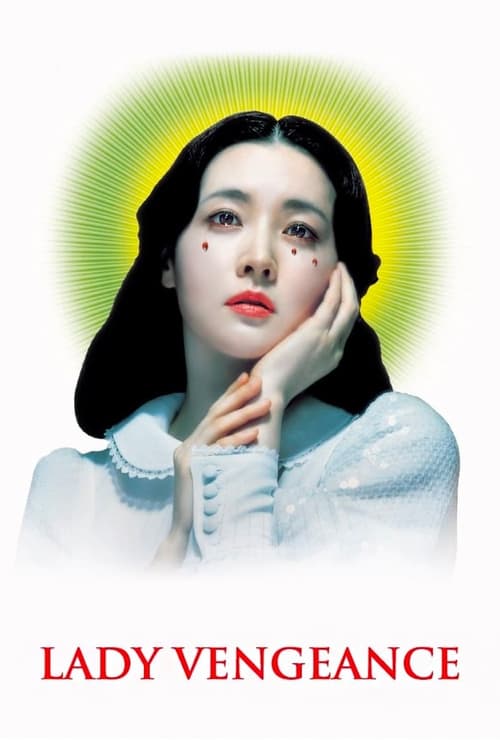
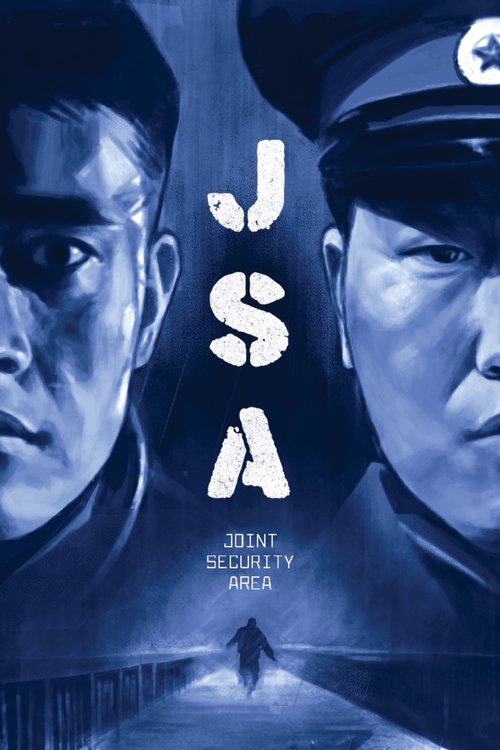
The success of Joint Security Area granted Park the independence to pursue more personal projects, leading him to establish his own production company, Moho Film, in 2002. Leveraging this newfound creative freedom, he directed a series of films that would become his unofficial "Vengeance Trilogy": Sympathy for Mr. Vengeance (2002), Oldboy (2003), and Lady Vengeance (2005). Though not originally intended as a set, the films are linked by their exploration of the futility of revenge and the havoc it wreaks on those involved.
The trilogy began with Sympathy for Mr. Vengeance (2002), a financial failure that polarized critics. However, the second film of the trilogy, Oldboy (2003), was a breakout success. American director Quentin Tarantino, an avowed fan of Park's work, served as the jury president at the 2004 Cannes Film Festival. Tarantino personally lobbied for Oldboy to be awarded the Palme d'Or, though the honor eventually went to Michael Moore's Fahrenheit 9/11. Oldboy instead garnered the Grand Prix, the festival's second-highest honor. Completing the trilogy, Lady Vengeance was later distributed by Tartan Films for its United States theatrical release in April 2006.
In 2006, Park was a member of the official jury section at the 63rd Venice International Film Festival. In February 2007, Park won the Alfred Bauer Prize at the 57th Berlin International Film Festival. The award, named after the festival's founder and in praise of works that introduce new perspectives, went to Park for his film, I'm a Cyborg, But That's OK.
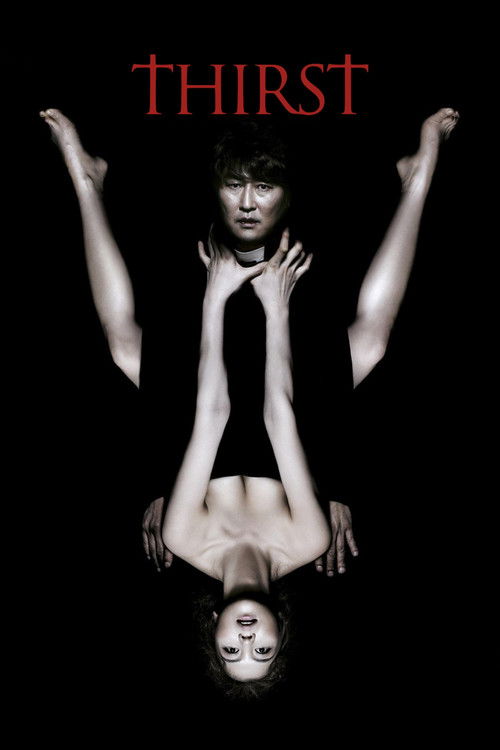
In 2009, Park directed the vampire film Thirst, starring Song Kang-ho, which won the Prix du Jury (alongside Fish Tank, directed by Andrea Arnold) at the 2009 Cannes Film Festival. He considered directing Tinker Tailor Soldier Spy but ultimately turned it down.
In 2011, brothers Park Chan-wook and Park Chan-kyong collaborated under the creative brand PARKing CHANce to co-write, direct, and produce the fantasy-horror short film Paranmanjang (also known as Night Fishing). Featuring singer-actress Lee Jung-hyun, the film was entirely shot using iPhone 4.. This project emerged from a strategic partnership with KT, South Korea's exclusive iPhone distributor, which provided 150 million won (approximately $133,447) in funding. The film was presented to over 100 reporters on January 11, 2011, before its public release on January 27. It garnered a nomination for Berlinale Shorts at the 61st Berlin International Film Festival and won the Golden Bear for Best Short Film.
PARKing CHANce's second short film, Day Trip (2012), was released in late December 2012. In this film, Song portrayed a long-haired, immortal master while incorporating pansori, a traditional Korean musical genre, which created considerable anticipation. The film received praise for elevating the artistic quality of a short film initially intended for commercial advertisement.
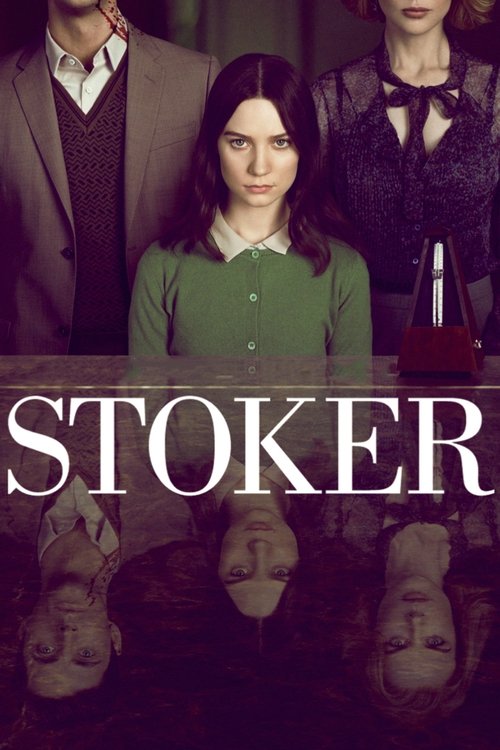
In 2013, Park directed his first film in English-language, Stoker. He said he learned to accelerate the production process and completed filming in 480 hours. Although Park does speak English, he used an interpreter on set. On why the script attracted his attention, Park said: "It wasn't a script that tried to explain everything and left many things as questions, so it leads the audience to find answers for themselves, and that's what I liked about the script... I like telling big stories through small, artificially created worlds". On March 2, 2013, Park appeared on a panel discussion about the film Stoker held at the Freer Gallery of Art in the Smithsonian's Museums of Asian Art.
Following this, PARKing CHANce released a music video in late July 2013. Starring Lee Jung-hyun, a well-known singer-actress and a pioneer of Hallyu in China, the music video was described as cinematic and disrupted conventional music video norms. It was lauded for its artistic merit and commercial appeal, racking up hundreds of thousands of views on YouTube.