1970s
In 1972, Beatty made his film debut as Bobby Trippe in Deliverance, starring Jon Voight and Burt Reynolds, and set in northern Georgia. Beatty's character is forced to strip at gunpoint by two mountain men who humiliate and rape him, a scene so shocking that it is still referred to as a screen milestone. Beatty admitted that most of the people who worked on the film did not want to do that scene, but it was an important one. The film was the fifth highest grossing that year, and also featured "Dueling Banjos" as its theme tune, which went on to be a number one hit record. In 1972, he also appeared in The Life and Times of Judge Roy Bean, a western with Paul Newman.
In 1973, Beatty had roles in The Thief Who Came to Dinner, The Last American Hero, and White Lightning. The latter film reunited Beatty with his Deliverance co-star Burt Reynolds. He also appeared in an episode of the TV series The Waltons that year, as well as the TV movie The Marcus-Nelson Murders, which was the pilot for the series Kojak. The next year, he appeared in the television miniseries The Execution of Private Slovik and in the two-part episode of The Rockford Files, "Profit and Loss". In 1975, he appeared in W.W. and the Dixie Dancekings, in Robert Altman's Nashville, and as Colonel Hollister in the M*A*S*H episode, "Dear Peggy". He appeared in the NBC-TV movie Attack on Terror: The FBI vs. the Ku Klux Klan as Deputy Sheriff Ollie Thompson (1975). Beatty also made an appearance on Gunsmoke in "The Hiders" episode in 1975.
Beatty received his only Academy Award nomination, for Best Supporting Actor category for the acclaimed film Network (1976), portraying a television network's bombastic but shrewd chairman of the board who convinces the mad Howard Beale character (portrayed by Peter Finch) that corporation-led global dehumanization is not only inevitable, but is also a good thing. Neither Beatty nor William Holden, who shared the lead role with Finch, won an Oscar. The other three acting awards besides the best supporting actor category were swept by Network performers: Best Actor for Peter Finch, Best Actress for Faye Dunaway, and Best Supporting Actress for Beatrice Straight. The Best Supporting Actor award went to Jason Robards for his role in All the President's Men, which also starred Beatty.
In 1976, he also appeared in The Big Bus, Silver Streak, and Mikey and Nicky. In 1977, he returned to work with John Boorman in Exorcist II: The Heretic (1977), and appeared in "The Final Chapter", the first episode of the television series Quinn Martin's Tales of the Unexpected. During 1977-78, he starred in the short-lived sitcom Szysznyk on CBS.
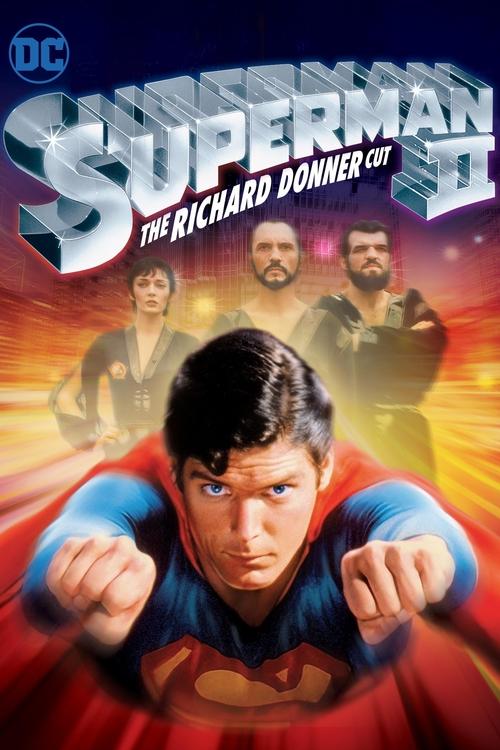
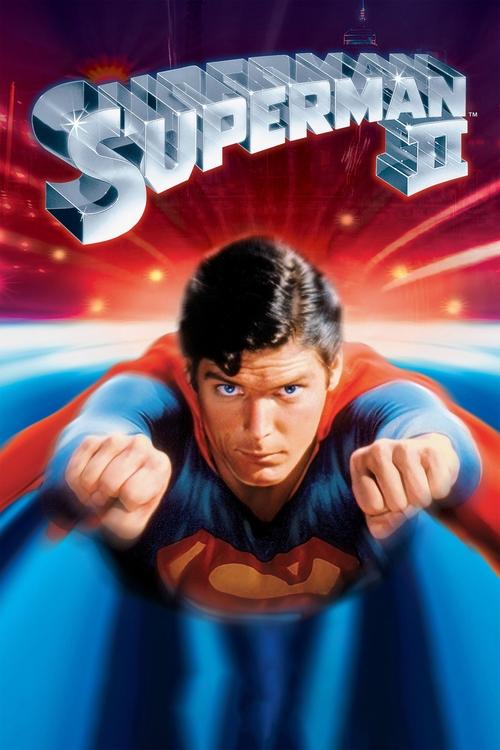
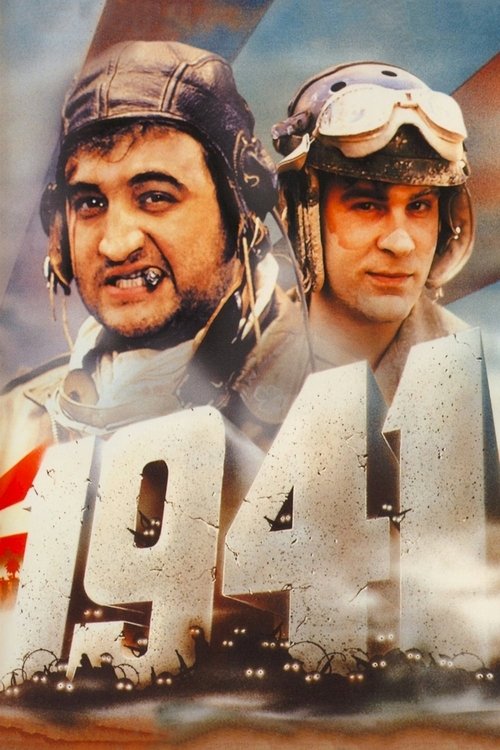
In 1978, Beatty appeared in Gray Lady Down (1978), a drama aboard a submarine starring Charlton Heston. The film is significant chiefly for being the screen debut of Christopher Reeve, Beatty's future co-star. Later that year, Beatty was cast by Richard Donner to portray Lex Luthor's inept henchman Otis in Superman: The Movie (1978), as he would in the 1980 sequel, where his character is seen being left behind in prison. He received his first nomination for Emmy Award for Outstanding Lead Actor in a Miniseries or a Special for the television series Friendly Fire (1979). In 1979, he was also seen in Wise Blood, directed by John Huston, and 1941, directed by Steven Spielberg.