Critical response
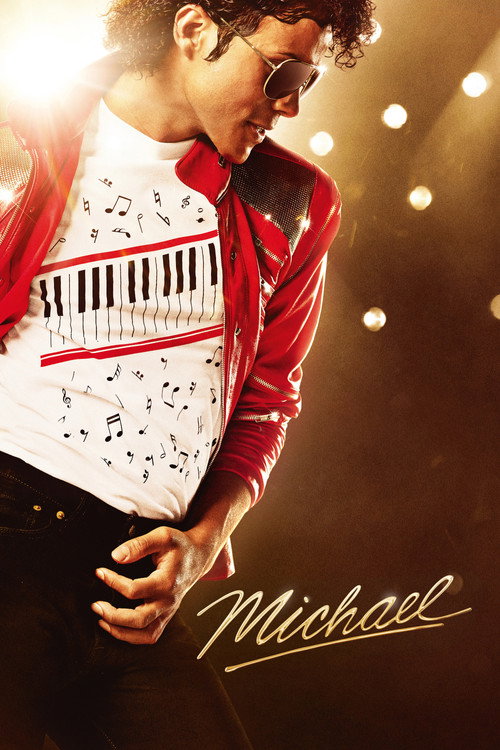
On the review aggregator website Rotten Tomatoes, 38% of 311 critics' reviews are positive, with an average rating of 4.9/10. The website's consensus reads: "While Jaafar Jackson's smooth moves bring the King of Pop to uncanny life, this musical biopic mostly plays like a 'greatest hits' album that could've benefitted from including liner notes to give actual insight into the icon." Metacritic, which uses a weighted average, assigned Michael a score of 39 out of 100, based on 51 critics, indicating "generally unfavorable" reviews. Audiences polled by CinemaScore gave it an average grade of "A−" on an A+ to F scale, while those surveyed by PostTrak gave it a 90% positive score, with 84% saying they would definitely recommend it.
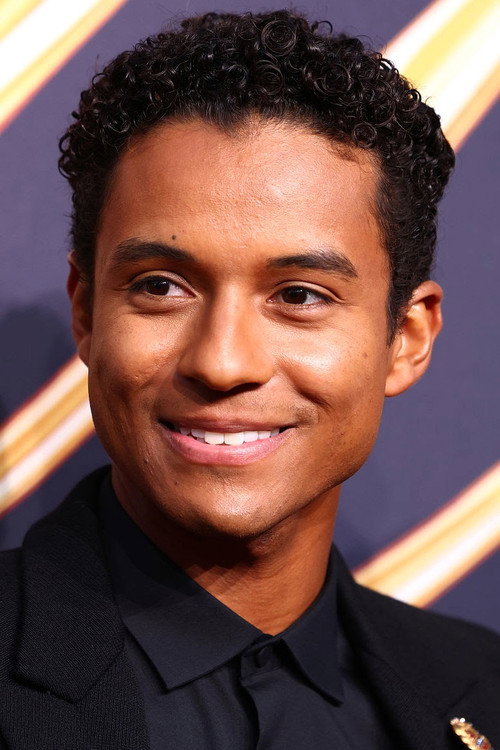
Owen Gleiberman of Variety called Michael a "surprisingly effective middle-of-the-road biopic". He praised Jaafar's performance, writing that he "nails the look, the voice, the electrostatic moves—and the mix of delicacy and steel that made Michael who he was". Pete Hammond of Deadline Hollywood wrote: "You are bound to leave this one dancing. And what is wrong with that?" Abhimanyu Mathur of the Hindustan Times described Michael as a "fun, soulful" film that "hits all the right notes". He praised Jaafar, but criticized the film's pacing, structure, and lack of focus on Michael's brothers. Writing for Prothom Alo, the University of Chittagong professor Moshreka Aditi Haq praised Jaafar's performance, the depiction of Michael's childhood and artistic development, and the exploration of freedom, rebellion, and creativity.
Nick Levine of NME called the film "a slick, accessible advert for Jackson's incredible imperial phase" and said the recreation of Michael's Motown 25 performance was a highlight. David Rooney of The Hollywood Reporter praised the film's performances, music, and "visual electricity", but wrote: "The film leaves itself open to accusations of making Michael a saint, which will not sit well with the cancel crowd. If you are unwilling to separate the art from the artist, this will not be a movie for you."
John Nugent of Empire called Michael "deeply generic". Peter Bradshaw of The Guardian praised the "terrific, intuitive flair" of Jaafar's singing and dancing, but called Michael a "frustratingly shallow, inert picture, a kind of cruise-ship entertainment, which can't quite bring itself to show that Michael was an abuse victim, brutalised by his father and robbed of his childhood." Writing for the BBC, Nicholas Barber called Michael "a bland and barely competent daytime TV movie", while Robert Daniels of RogerEbert.com said it was "a filmed playlist in search of a story". Clarisse Loughrey of The Independent described the film as "a ghoulish, soulless cash grab ... All Michael does is recreate, in mechanical style, the most famous visuals of Jackson's career ... Why bother to depict a human being when you can simply turn them into a product?"
Some criticized Michael for omitting the abuse allegations against Michael. Robbie Collin of the Daily Telegraph said it was not credible for a Michael Jackson biography to avoid addressing "the accusations, controversies and sadness that dogged his later life". The IndieWire critic Kate Erbland wrote that by omitting the allegations "the final film has been mostly stripped of any humanity, good and bad", calling it "glossy, sanitized, and surprisingly dull". Sean Burns of WBUR-FM likened the film ending with Michael's Bad World Tour to "an O. J. Simpson biopic [ending] with him winning the Heisman Trophy". The Guardian writer Simran Hans characterized Michael as one of several recent films that presented "sanitized" biographies of beloved musicians, such as Bohemian Rhapsody (2018), Elvis (2022) and Back to Black (2024), writing that "when it comes to objectivity, integrity and veracity, audiences will always prioritize the chance to have a singsong".
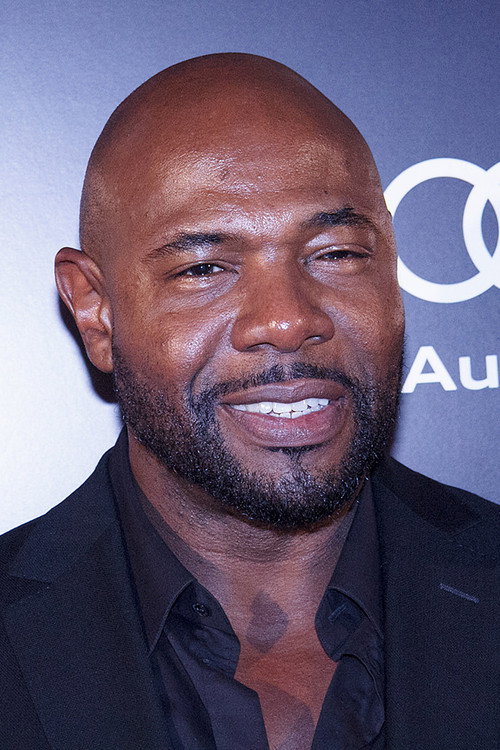
In Pitchfork, Paul A. Thompson wrote that Michael was "a string of biopic clichés and blips of unsubtle brand management" that could not be separated from "the role it presumably plays for the Jackson estate and everyone with a financial stake in Michael's catalog". He said Fuqua's implication that Michael's accusers are dishonest was "merely the clearest articulation of an ever-present subtext: that Michael ... is a victim of a vengeful 'media'". In The Root, Lawrence Ware argued that it was unfair to expect a film that covers Michael's early life to address the allegations; that critics did not make similar complaints about biopics of white musicians with "complicated histories" such as Elvis Presley and Elton John; and that critics did not recognize the craft in the film. He concluded: "This film does exactly what it should: celebrate the genius of a man who gave us countless hits. What's wrong with giving fans what they want?"