Margaret Wilson "Meg" Foster (born May 10, 1948) is an American actress. Widely regarded by genre critics and peers as a definitive cult icon of alternative cinema, she is recognized as one of the most visually and vocally distinct performers of her generation. Foster's most defining trademark is her piercing, ice-blue eyes, which Mademoiselle magazine famously dubbed The eyes of 1979. She is noted for her intense emotional presence, technical precision rooted in classical theater training, and commanding delivery across fantasy, science fiction, and psychological drama. Her 50 year career has been characterized by injecting psychological depth and Shakespearean gravitas into commercial archetypes.
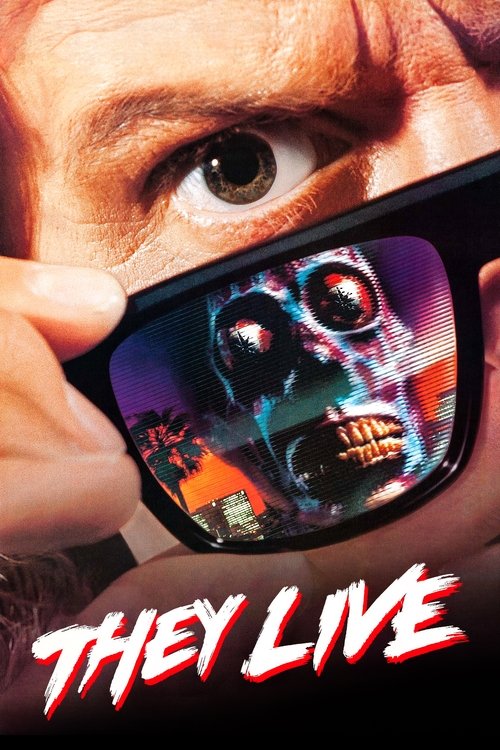
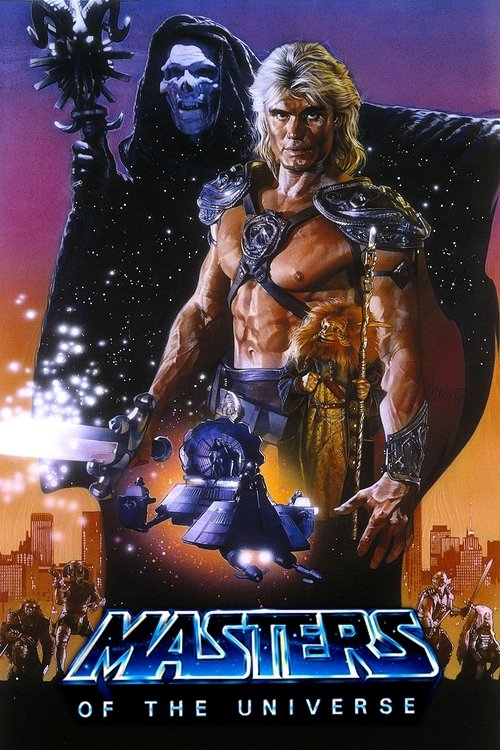
A graduate of the Neighborhood Playhouse School of the Theatre, Foster began her professional stage career in 1968 before quickly transitioning to Hollywood cinema and network television. She rose to early critical prominence for her nuanced dramatic turn in the miniseries The Scarlet Letter and the independent feature A Different Story. In the 1980s, Foster appeared in prominent genre film roles including Evil-Lyn in Masters of the Universe (1987) a co-starring appearance in John Carpenter's They Live.
She was nominated for the Canadian Genie Awards and won an Indie Series Award for Best Guest Actress.
Contents
Early life and education
Margaret Wilson Foster was born on May 10, 1948, in Reading, Pennsylvania, to David and Nancy (née Adamson) Foster. Her father was of Scotch-Irish ancestry and her mother was of English ancestry. She spent her childhood in the costal community of Rowayton, Connecticut, growing up alongside her four siblings; sisters Gray, Jan, and Nina, and brother Ian.
Foster discovered her inclination towards performance while attending a girls' boarding school in Lowell, Massachusetts, where she regularly participated in school plays. Upon completing her secondary education, she relocated to New York City to study formal method acting at the prestigious Neighborhood Playhouse School of the Theatre, where she studied extensively under acting coach Sanford Meisner. The Meisner technique's emphasis on behavior and emotional reality heavily informed Foster's subsequent character work and stage composition.
Career
1968-1979: Theatrical beginnings and breakthrough
Foster began her professional career on the East Coast theatrical circuit. She made her formal stage debut in a 1968 Cornell Summer Theatre production of John Brown's Body, followed by her off-Broadway debut later in that year in Larry Arrick's production of The Empire Builders. She concurrently transitioned to television, making her screen debut in an episode of NET Playhouse (1968), followed by guest appearances on series such as Here Comes the Brides and The F.B.I..
The 1970s marked a period of rapid critical ascension for Foster. She stood out in features like Adam at 6 A.M. (1970) and gained significant acclaim for her starring role as Stella Cooke in the independent feature A Different Story (1978), a project praised for its early, non-stereotypical depiction of a lesbian protagonist. In 1979, Foster headlined WGBH'S highly regarded PBS miniseries adaptation of The Scarlet Letter. Her fierce, internally driven portrayal of Hester Prynne solidified her reputation as a powerful dramatic lead. By the close of the decade, her strikingly vivid physical features-most notably her intensely light blue eyes-became a cultural talking point, promoting Mademoiselle magazine to officially name her visage "the eyes of the 1979".
1980-1999: Mainstream stardom and cult iconography
The turn of the decade marked a major shift for Foster as she moved into highly praised feature films and high-profile television movies, frequently collaborating with notable directors and earning critical recognition. In 1980, Foster starred as Greta alongside Jodie Foster, Robbie Robertson and Gary Busey in gritty drama Carny about carnival life. Her raw and nuanced performance was highly praised by critics for adding significant emotional weight and authenticity to the film's complex interpersonal dynamics.
She portrayed Katrina Van Tassel opposite Jeff Goldblum's Ichabod Crane in The Legend of Sleepy Hollow. Critics widely praised her performance, noting that her ethereal beauty and magnetic screen presence made her the perfect embodiment of the classic literary heroine.
Foster delivered a powerful dramatic performance as Ingrid in Canadian drama Ticket to Heaven about cult deprogramming. Her performance earned her a Genie Award nomination for Best Performance by a Foreign Actress, cementing her reputation as a serious big-screen talent.
In 1982, Foster was cast as Detective Christine Cagney in the inaugural six-episode season of the CBS television drama Cagney & Lacey when Loretta Swit was unable to reprise the role from the television film (due to her commitment to MASH). Though her performance was well-received by audiences, network executives replaced her with Sharon Gless, claiming that Foster's intense, sharp performance style was "too tough" for primetime commercial television at the time. Entertainment columnist Dick Kleiner wrote in August 1982 that Foster was disappointed and reportedly "felt as though she had been hit by a truck". Kleiner's story also implied Foster's dismissal from the show cost her other opportunities. "Until that news spread," he wrote, "she was an in-demand actress."
In 1983, she starred as Ali Tanner in director Sam Peckinpah's final feature film, a tense political thriller based on the Robert Ludlum novel The Osterman Weekend. In an ensemble cast that included Rutger Hauer and John Hurt, Foster's fierce performance as a protective mother defending her home was widely praised by critics as a clear highlight of the film, adding a grounded dignity to an otherwise divisive and complex plot. The film also featured her real-life son, Christopher Starr, playing her on-screen child.
2000-present: Independent cinema and voice work
In the 21st century, Foster re-emerged as a respected veteran actress, frequently collaborating with a new wave of alternative filmmakers. Visionary horror director Rob Zombie cast her in prominent, transformative roles in The Lords of Salem (2012) and 31 (2016), introducing her signature intensity to a younger generation of cinema enthusiasts. In 2017, Foster expanded her cult status into the modern animation and superhero community by joining the DC Animated Movie Universe. She voiced the villainous Mother Mayhem (Marie Logan) in the acclaimed animated feature Teen Titans: The Judas Contract. Her performance resonated deeply within the Teen Titans fandom and broader animation communities. Viewers praised how her sinister voice perfectly matched the dark, mature tone of the iconic Judas Contract storyline, introducing her legendary genre presence to a completely new generation of fans.
In 2020, Foster won the Indie Series Award for Best Guest Actress for her work in the drama series A Place Called Hollywood. Bringing her artistic legacy full circle, she lent her distinctively rich, velvety voice to the character Motherboard in Netflix's animated epic Masters of the Universe, returning to the franchise that had hosted her one of the famous live-action roles decades prior.
Reception and legacy
Foster's acting technique is characterized by an exceptional level of control and behavioral restraint. Critics have frequently highlighted her ability to dominate scenes through quietude, relying on what has been termed the "unreadable language of her gaze" rather than theatrical over-expression.
Foster's low, husky vocal delivery has been widely recognized as a primary tool for her characterization, enabling her to convey immense administrative and psychological threat without escalating her volume.
Her striking natural blue eye color occasionally posed a challenge. Multiple directors considered her gaze distracting, and requested she wear tinted contact lenses or sunglasses.
Personal life
Foster married Canadian actor Stephen McHattie in 1979, but they later divorced.
She was also in a long-term relationship with American actor Ron Starr. They have one child, a son named Christopher Starr (born October 3, 1971). Christopher briefly appeared as a child actor, portraying his mother's on-screen son in Sam Peckinpah's final political thriller The Osterman Weekend (1983).
During Cagney & Lacey filming, Foster and co-star Tyne Daly developed a deep mutual respect and a lifelong friendship. Daly was a vocal supporter of Foster during the studio backlash, later admitting that navigating the network's sudden political ousting of her friend was one of the most personally challenging times of her career; despite the briefness of their professional pairing, the two actresses remained close friends for decades after the series concluded.
Foster has famously maintained a strictly private lifestyle away from the commercial Hollywood landscape, choosing to raise her son entirely outside the entertainment industry.