Career
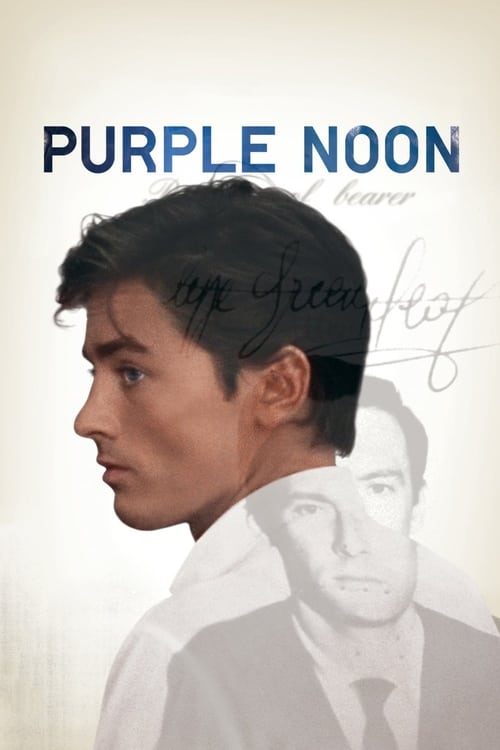
Maurice Ronet became one of European cinema's more prolific actors. Between 1955 and 1975 he appeared in over 60 films. He often portrayed characters who were in conflict with themselves or society. He first garnered acclaim at the 1953 Cannes Film Festival for a supporting role in Jean Dreville's Endless Horizons (Horizons sans fin) and over the next few years as the romantic lead in André Michel's La sorcière (The Blonde Witch/The Sorceress, 1956) and in Jules Dassin's He Who Must Die (Celui qui doit mourir, 1957). It was at the presentation of "La Sorcière" at Cannes where he met a creative and an intellectual counterpart in Louis Malle. Two years later, he made his international box-office breakthrough as Julien Tavernier in Malle's first feature film Elevator to the Gallows (Ascenseur pour l'échafaud 1958), which features Jeanne Moreau. He originated the role of Philippe Greenleaf in Purple Noon (Plein soleil, 1960), René Clément's adaptation of The Talented Mr. Ripley .
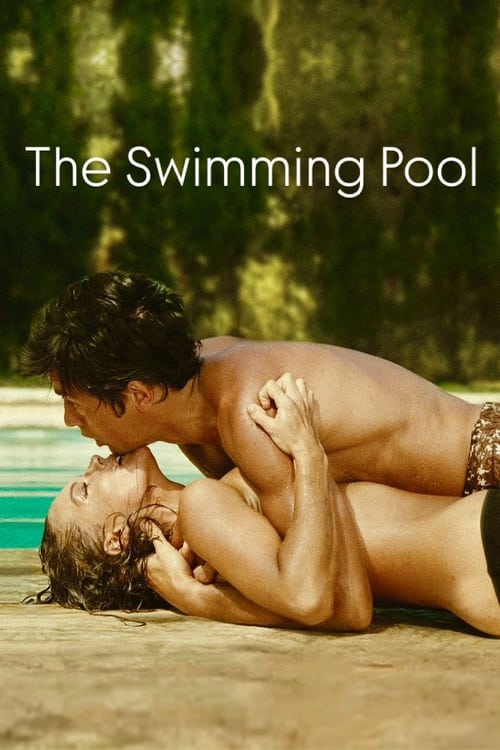
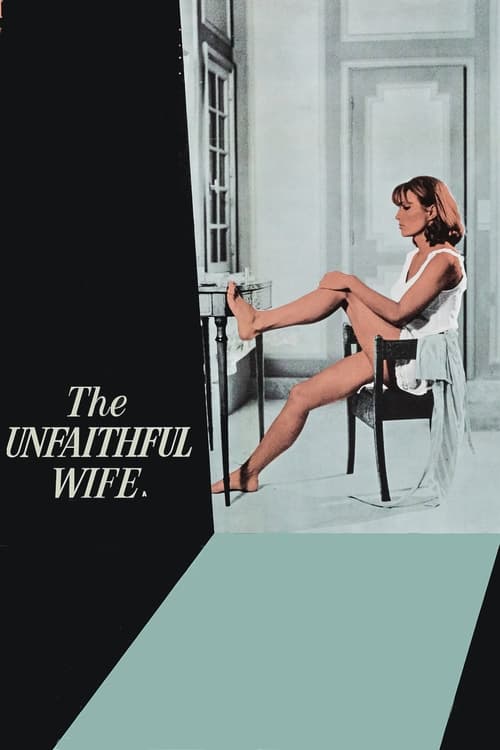
Ronet's defining role reunited him with Malle and Moreau in Le feu follet (The Fire Within, 1963). Playing an alcoholic writer, his indelible portrayal of depression and suicide garnered him the highest acclaim of his prolific career. He was awarded France's Crystal Star (Étoile de Cristal) and the prize for Best Actor at the 1965 São Paulo Film Festival; the film also won a Special Jury Prize at the 1963 Venice Film Festival. He also collaborated with Claude Chabrol in four films, including The Champagne Murders (Le scandale, (1966), for which he won the Silver Shell for Best Actor at the 1967 San Sebastián International Film Festival, Line of Demarcation (La ligne de démarcation, 1966) and The Unfaithful Wife (La femme infidèle, 1968). He co-starred with Alain Delon and Romy Schneider in The Swimming Pool (La Piscine, 1969) directed by Jacques Deray.
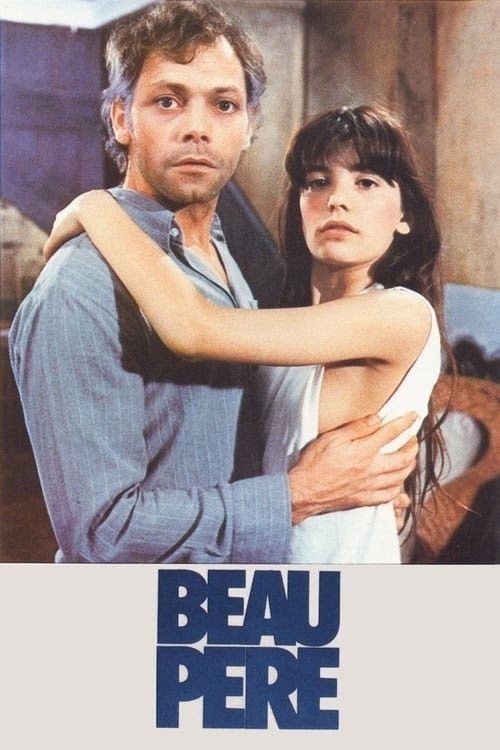
Other highlights include Jacques Doniol-Valcroze The Immoral Moment (La Dénonciation, 1962); The Victors (Carl Foreman, 1963); Three Rooms in Manhattan (Trois chambres à Manhattan, (Marcel Carné, 1965); Lost Command (Mark Robson, 1966); Il giardino delle delizie (Silvano Agosti, 1967); How Sweet It Is! (Jerry Paris, 1968) starring Debbie Reynolds; Raphaël ou le débauché, (Michel Deville, 1971); Beau-père (Bertrand Blier, 1981) and, one of his final films, Bob Swaim's La Balance, 1982. He was originally cast as Ali in Lawrence of Arabia. However, he was replaced on location by Omar Sharif because of perceived difficulties with his accent.
Ronet made his directorial debut with The Thief of Tibidabo (Le voleur de Tibidabo, 1964), a self-reflexive, picaresque crime story shot in Barcelona, in which he also starred with Anna Karina. He followed it with two documentaries: Vers l'île des dragons (1973), an allegorical journey to Indonesia to film the Komodo dragon and a report on the building of a dam in Cabora Bassa, Mozambique for French television. He directed and produced more programs for television: his own acclaimed adaptation of Herman Melville's Bartleby in 1976 (which was released theatrically in 1978) as well as adaptations of Edgar Allan Poe and Cornell Woolrich stories. He wrote two books: "L'ile des dragons" (1973), a personal recollection and a chronicle of the making of Vers l'île des dragons, and "Le métier de comédien" (1977), an honest and thorough discussion of the acting profession.