1970s, post-Last Tango
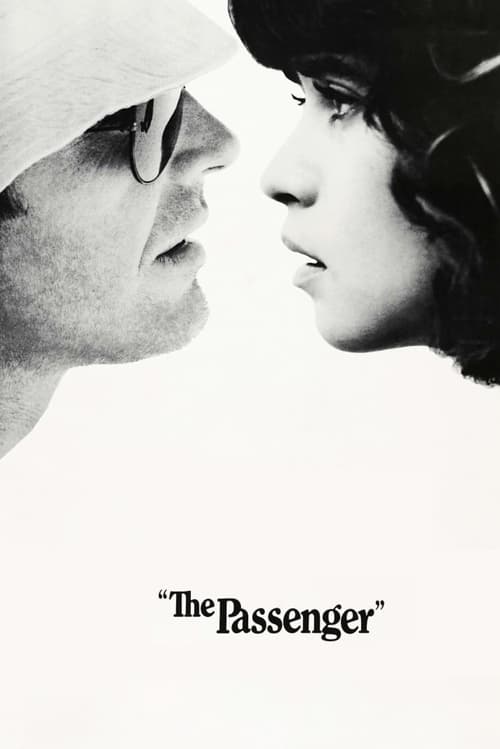
In 1975, Schneider was cast opposite Jack Nicholson in the well-received Michelangelo Antonioni film The Passenger, which remains one of the highlights of her career, and was the personal favorite of the actress. That same year, Schneider also starred in René Clément's final movie, the Hitchcockian thriller Wanted: Babysitter, in which, according to Schneider, the director actually wanted the actress for the villainous role; yet, when Antonioni screened The Passenger for him, Clément decided that Schneider would be ideal for the heroine. The picture, produced by Carlo Ponti (as with The Passenger and Dear Parents) and also featuring Robert Vaughn, Vic Morrow, and Sydne Rome, went largely unnoticed by the public and critics alike.
During the 1970s, Schneider traveled (including to the Hopi Reservation and Navajo Nation) and lived in various parts of Europe, including Venice, Paris, and London. After The Passenger and Wanted: Babysitter, Schneider settled in Los Angeles for a year, looking around for film opportunities and being offered roles in Hollywood movies such as Black Sunday (1977) as a Palestinian guerilla terrorist, which she turned down based on what she perceived to be poor quality material. She signed up with renowned talent agent and producer Paul Kohner, and several movies were considered, but ultimately little came of this. Work became difficult for her to find, as she had become uninsurable.
Moving back to Europe, Schneider was asked by director Tinto Brass to play Drusilla, the incestuous sister of a notorious Roman emperor, opposite A Clockwork Orange star Malcolm McDowell, in the infamous, pornographic, multi-million dollar Penthouse production of Caligula; Schneider refused to perform nude or do graphic sex scenes, and was replaced mid-production with Teresa Ann Savoy, who had appeared in the director's previous film Salon Kitty.
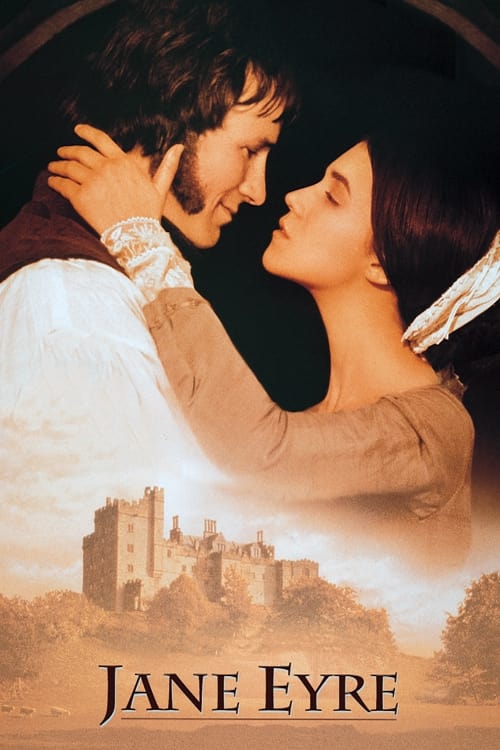
Around the same time, Schneider agreed to star in Luis Buñuel's That Obscure Object of Desire (1977), and showed up on set, yet argued with the filmmaker over how her role would be portrayed in light of Schneider's growing concern regarding the depiction of women in cinema , and because of excessive nudity. Schneider ultimately dropped out, and Buñuel made the creative, unusual decision to replace her with not one but two actresses for the same role: Carole Bouquet and Ángela Molina. Schneider was also asked by Bertolucci to appear in his 1976 film 1900, but either turned him down or was fired. She was asked to play Mary, mother of Jesus in Franco Zeffirelli's 1977 television miniseries Jesus of Nazareth; Schneider said she did not feel right for the part, though later regretted missing out on this opportunity, and instead eventually appeared in Zeffirelli's 1996 film Jane Eyre in a brief appearance as Bertha Mason.
For the rest of the 1970s, Schneider opted to star in small-budgeted, independent European productions, such as the little-seen Swiss period piece Violanta (1976, with a young Gérard Depardieu), and three consciously feministic works: the Italian production I Belong to Me (Io Sono Mia) (1978, with Stefania Sandrelli); the graphic, disturbing Memoirs of a French Whore (French title: La Dérobade) (1978, alongside Miou-Miou, and for which Schneider was nominated for Best Supporting Actress at the 1980 5th César Awards); and the lesbian Dutch drama A Woman Like Eve, directed by Nouchka van Brakel, where Schneider plays the bohemian love interest of conflicted Monique van de Ven who is married to and has children with Peter Faber.
Towards the end of the decade, famed arthouse director Jacques Rivette met Schneider at a cafe on the Champs-Elysées and asked her what kind of movie she'd like to make with him, to which Schneider replied "a thriller"; Rivette then asked which actor she'd like to star opposite, and she suggested her friend Joe Dallesandro, renowned for his association with Andy Warhol and leading performances in Paul Morrissey's films. The result was the vague, symbolic crime drama Merry-Go-Round, a troubled production during which Schneider and Rivette were both overcome by ill health and personal issues. Schneider left production without completing her scenes and had to be replaced with a double. The film was finally released in 1981 to mediocre reviews.