
.jpg?width=400)


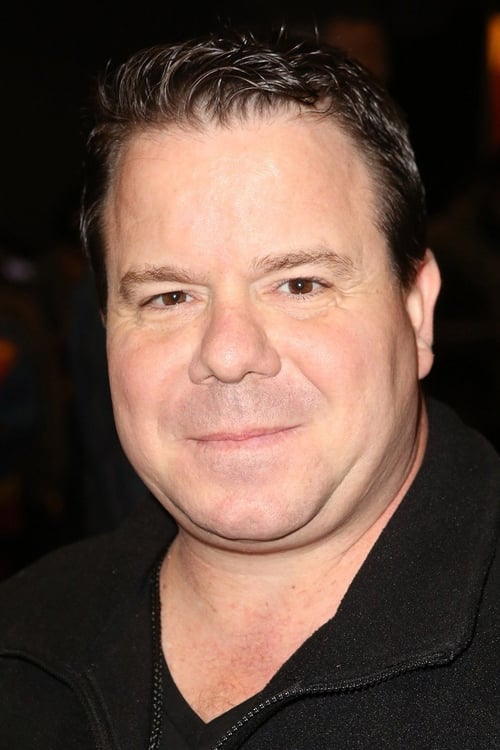

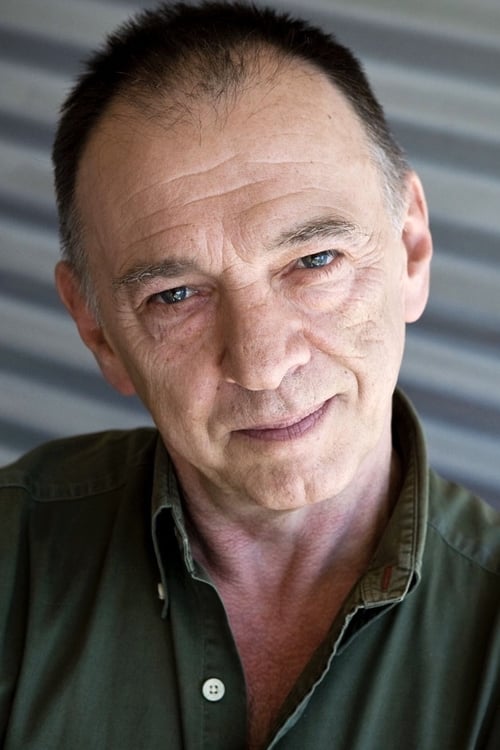
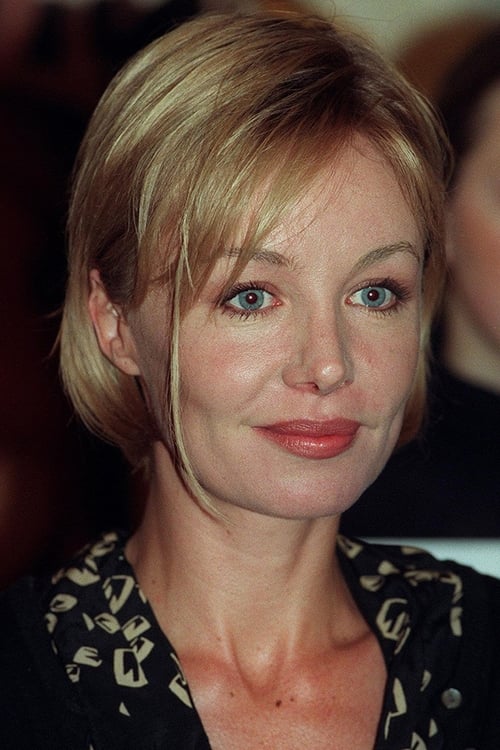
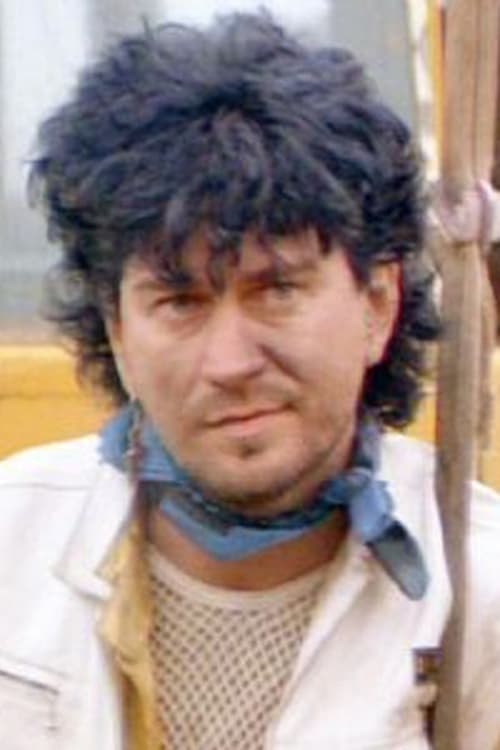


Mad Max 2 (released as The Road Warrior in the United States) is a 1981 Australian post-apocalyptic dystopian action film directed by George Miller, who co-wrote it with Terry Hayes and Brian Hannant. It is the sequel to Mad Max (1979) and the second installment in the Mad Max franchise. The film stars Mel Gibson reprising his role as "Mad Max" Rockatansky and follows a hardened man who helps a community of settlers to defend themselves against a roving band of marauders. Filming took place in locations around Broken Hill, in the Outback of New South Wales.
Mad Max 2 was released in Australia on 24 December 1981 to widespread critical acclaim; praise was given to Gibson's performance, the musical score, cinematography, action sequences and costume design, with its sparing use of dialogue in particular being unprecedented for an action film. It was also a box office success, and the film's post-apocalyptic and punk aesthetics helped popularise the genre in film and fiction writing. At the 10th Saturn Awards, the film won Best International Film and was nominated for five more awards: Best Director, Best Actor for Gibson, Best Supporting Actor for Bruce Spence, Best Writing, and Best Costumes for Norma Moriceau. Mad Max 2 is widely hailed as both one of the greatest action films of all time and one of the greatest sequels ever made, and fan clubs for the film and "road warrior"-themed activities continue into the 21st century.
The film was followed by Mad Max Beyond Thunderdome in 1985.
Contents
Plot
After a global war results in widespread oil shortages and ecocide, civilisation collapses and the world descends into barbarism. Former policeman Max Rockatansky, haunted by the death of his family, drives around the desert Outback of what was once Australia, scavenging for food and petrol with his dog. He outmanoeuvres a group of marauders led by biker Wez using his driving skills and a shotgun. He steals petrol from the wrecked vehicles of one of his pursuers and inspects a wrecked semi-trailer and prime mover.
Later, Max tries collecting an apparently abandoned gyrocopter's fuel, but is ambushed by the pilot. Max overpowers the man with his dog's help, sparing his life in return for being led to a working oil refinery the pilot has discovered. They arrive during the daily attack on the facility by a motorised gang, of which Wez is a member.
The next day, Max witnesses cars leave the besieged compound and get chased down by marauders. He rescues Nathan, the sole survivor of one car, and strikes a deal to return him to the complex in exchange for fuel, but the man dies after Max gets him back, and the leader of the settlers, Pappagallo, says the deal died with Nathan. The settlers are about to confiscate Max's car and cast him out of their compound when the marauders return to negotiate. A feral child who lives in the refinery compound kills Wez's partner with a metal boomerang and Wez wants revenge, but the gang's leader, a masked man called "Lord Humungus", offers to spare the settlers' lives in exchange for their fuel supply and leaves for the day. However, the settlers are divided over whether or not they can trust Humungus.
Max offers his own deal: he will bring them the semi-truck he saw earlier so they can try to haul away their tanker full of oil, if they return his car and give him as much fuel as he can carry. The settlers agree, and that night Max sneaks past the marauders on foot carrying fuel for the truck. He encounters the Gyro Captain and forces him to carry the gasoline to the truck, which he gets started. It is somewhat damaged as Max passes through the marauders' encampment en route to the refinery, but he makes it, followed by the gyrocopter.
Max refuses Pappagallo's entreaty to accompany the settlers to a fabled northern paradise, opting instead to collect his fuel and leave. Wez catches him using Humungus's nitrous oxide-equipped vehicle and causes him to crash. A Marauder kills Max's dog and is about to kill the seriously injured Max when Marauder Toadie attempts to siphon the fuel from the tanks of Max's car, triggering the vehicle to self-destruct. Left for dead, Max is rescued by the Gyro Captain and returned to the compound.
Cast
Mel Gibson as "Mad Max" Rockatansky, a former member of the Australian highway patrol (the Main Force Patrol, MFP) who, after a biker gang killed his family, left the force and hunted down and killed all of the gang members. The trauma of the events of Mad Max transformed him into an embittered "shell of a man", but in this film, he still elects to assist the settlers with their plan.
Bruce Spence as The Gyro Captain, a wanderer who searches for fuel and supplies using a ramshackle old gyrocopter. He, too, decides to throw in his lot with the settlers and help defend their compound. Writing for Time, Richard Corliss called the Captain "a deranged parody of the World War I aerial ace: scarecrow skinny, gaily clad, sporting a James Coburn smile with advanced caries".
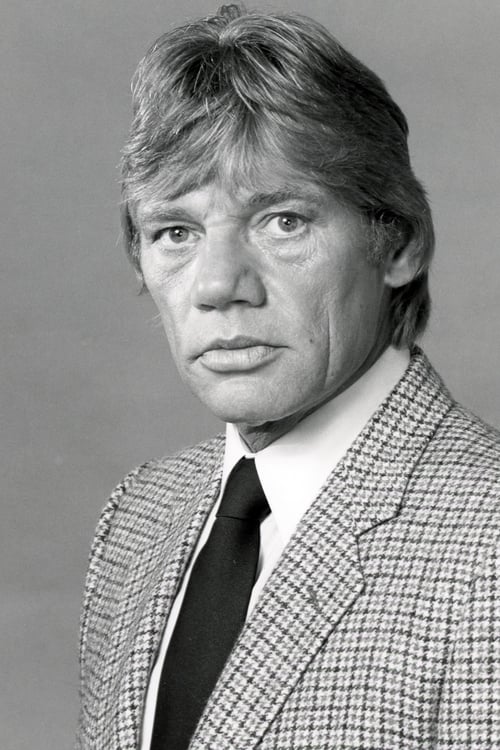
Mike Preston as Pappagallo, the idealistic leader of a group of settlers barricaded in an oil refinery. Even though the settlers' compound is besieged by a violent gang, Pappagallo "carries the weight of his predicament with swaggering dignity." The novelization of the film expanded on Pappagallo's history, describing him as a top executive for one of the "7 Sisters" major petroleum firms who lost his family in the war and escaped to the wastelands, where he would join up with other refugees and become a leader of their efforts to establish a new civilization.
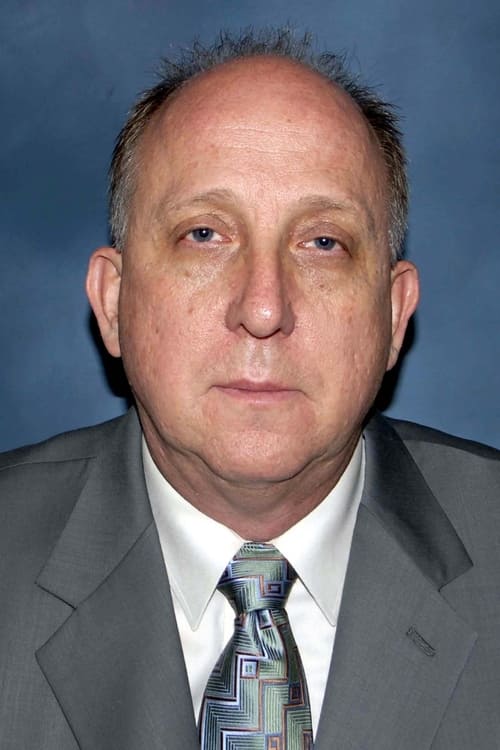
Max Phipps as The Toadie, the crier of Humungus's gang and a classic sycophant.
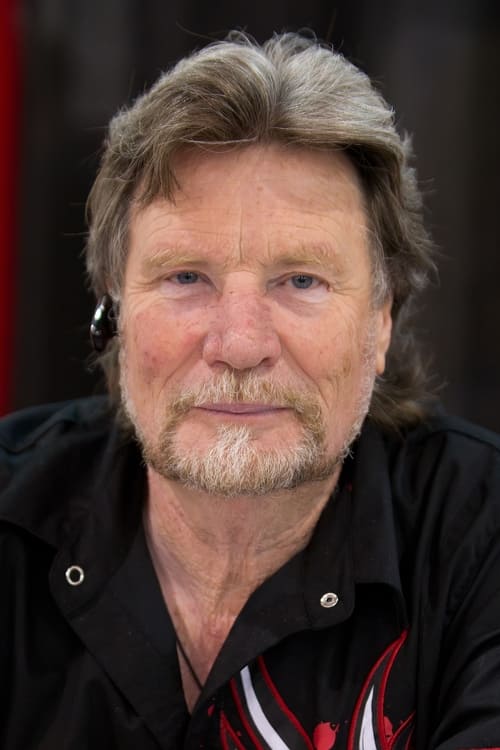
Vernon Wells as Wez, a mohawked, leather-clad biker who serves as Humungus's lieutenant. Vincent Canby, writing for The New York Times, called Wez the "most evil of The Humungus's followers...[a] huge brute who rides around on his bike, snarling psychotically." In a 1985 interview with Danny Peary, Miller said the characters of Wez and Max are near mirror images of each other. In 2011, Empire magazine listed Wez as the greatest movie henchman of all time.
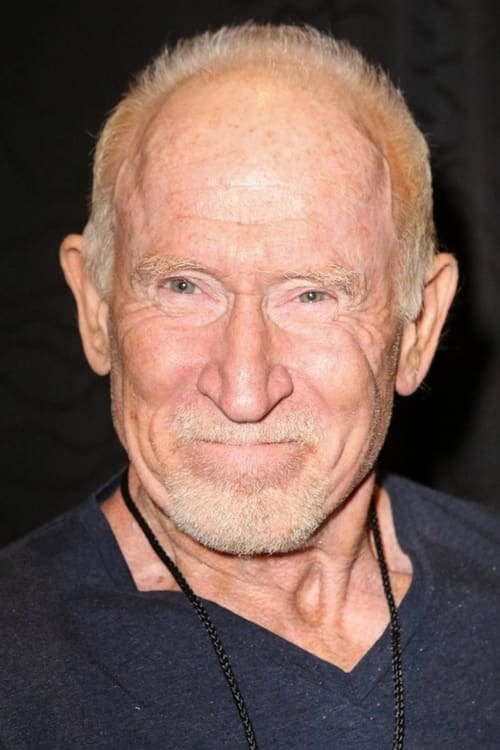
Kjell Nilsson as Lord Humungus, the violent, yet charismatic and articulate, leader of a "vicious gang of post-holocaust, motorcycle-riding vandals" who loot, rape, and kill the few remaining wasteland-dwellers. In the interview with Danny Peary, Miller posited that he thought the character "was a former military officer who suffered severe facial burns", and that he "might have served in the same outfit as his counterpart, Pappagallo."
Production
Development
Following the release of Mad Max, director George Miller tried to develop a rock and roll movie, the working title of which was Roxanne. After working together on the novelization of Mad Max, Miller and Terry Hayes teamed up in Los Angeles to write Roxanne, but the script was ultimately shelved. Miller then became intrigued with the idea of returning to the world of Mad Max, as a larger budget would allow him to be more ambitious. He said: "Making Mad Max was a very unhappy experience for me. I had absolutely no control over the final product", but "There was strong pressure to make a sequel, and I felt we could do a better job with a second movie." Inspired by Joseph Campbell's The Hero with a Thousand Faces and the work of Carl Jung, as well as the films of Akira Kurosawa, Miller recruited Hayes to join the production as a scriptwriter. Brian Hannant also came on board as co-writer, first assistant director, and second unit director.
Filming
Principal photography took place over the course of twelve weeks in the winter of 1981 near Broken Hill, New South Wales. The scene where the Pursuit Special rolls over and explodes was shot at Wilangee Road near the Mundi Mundi Plains lookout, just outside of Silverton. Filming also took place at the Pinnacles, which is where the set of the oil refinery compound was constructed.
In one scene, stunt coordinator Guy Norris broke his femur when he flew off his motorcycle and his leg hit the car. His injury is visible in the released film.
Music
The musical score for Mad Max 2 was composed and conducted by Australian composer Brian May, who had also composed the music for Mad Max. A soundtrack album was released by Varèse Sarabande in 1982.
Censorship
The original cut of the film was more bloody and violent, but it was cut down heavily to receive an "M" rating from Australian censors. Entire scenes and sequences were deleted completely, and others were edited. When the film was submitted to the MPAA in the United States, two additional scenes were shortened (the scene in which Wez pulls an arrow out of his arm and the one in which he pulls the boomerang out of the Golden Youth's head). Although the version of the film that includes those scenes before they were trimmed down for the MPAA survives, no version without the previous deletions exists.
Reception
Box office
Mad Max 2 was a commercial success, grossing A$10.8 million in Australia alone, which was double what Mad Max had earned in the country which was at its time, the highest-grossing Australian film at the Australian box office. Despite doubling its predecessor box office, however, Mad Max 2 never obtained the national record as Gallipoli was released earlier in 1981 and grossed A$11.7 million in Australia.
In the United States, with a gross of US$23.6 million and theatrical rentals of $11 million, the film also outperformed Mad Max. When that film was released in the U.S. in 1982, it did not receive a proper release from its distributor, American International Pictures, as AIP was in the final stages of a change of ownership after being bought by Filmways, Inc. a year earlier, and its box office was affected. Warner Bros. decided to release Mad Max 2 in the United States, but, recognising the first film was not well known in North America (although it was becoming more popular through cable channel showings), they decided to change the name of the sequel to The Road Warrior. The advertising for the film, including print ads, trailers, and TV commercials, did not refer to the Max character at all and shied away from the fact that the film was a sequel. For the majority of American viewers, their first inkling of The Road Warrior being a sequel to Mad Max was when they saw the black and white, archival footage from the first film during the prologue of the second. When Vestron Video later released Mad Max on home video, they capitalized by labeling it "the thrilling predecessor to The Road Warrior".
Outside of the U.S., the film earned rentals of $25 million (including Australia), for a worldwide total of $36 million, making it the highest-grossing Australian film worldwide.
Critical response
The film received highly positive reviews and is regarded by many critics as one of the best films of 1981. On review aggregator website Rotten Tomatoes, the film holds an approval rating of 94% based on reviews from 62 critics, with an average rating of 8.40/10; the site's "critics consensus" reads: "The Road Warrior is everything a bigger-budgeted Mad Max sequel should be: bigger, faster, louder, but definitely not dumber." On Metacritic, the film has a rating of 77 out of 100 based on 15 reviews, indicating "generally favourable reviews".
Film critic Roger Ebert of the Chicago Sun-Times gave the film three-and-a-half stars out of four, praised its "skillful filmmaking", and called it "a film of pure action, of kinetic energy", which is "one of the most relentlessly aggressive movies ever made". While Ebert pointed out the film does not develop its "vision of a violent future world ... with characters and dialogue", and uses only the "barest possible bones of a plot", he praised its action sequences. Ebert called the climactic chase sequence "unbelievably well-sustained" and stated that the "special effects and stunts ... are spectacular", creating a "frightening, sometimes disgusting, and (if the truth be told) exhilarating" effect.
In his review for The New York Times, Vincent Canby wrote: "Never has a film's vision of the post-nuclear-holocaust world seemed quite as desolate and as brutal, or as action-packed and sometimes as funny as in George Miller's apocalyptic The Road Warrior, an extravagant film fantasy that looks like a sadomasochistic comic book come to life". Writing for Newsweek, Charles Michener praised Mel Gibson's "easy, unswaggering masculinity", saying that his "hint of Down Under humor may be quintessentially Australian but is also the stuff of an international male star".
Gary Arnold, in his review for The Washington Post, wrote: "While he seems to let triumph slip out of his grasp, Miller is still a prodigious talent, capable of a scenic and emotional amplitude that recalls the most stirring attributes in great action directors like Kurosawa, Peckinpah and Leone". Pauline Kael called Mad Max 2 a "mutant" film that was "sprung from virtually all action genres", creating "one continuous spurt of energy" by using "jangly, fast editing", but criticised Miller's "attempt to tap into the universal concept of the hero", stating that this attempt "makes the film joyless", "sappy", and "sentimental".
Accolades
At the 24th Australian Film Institute Awards, the film won Best Direction, Best Editing, Best Production Design, Best Sound, and Best Costume Design, and it was nominated for Best Cinematography and Best Original Music Score; it received the most nominations and wins of any film at the ceremony, but it was not nominated for Best Film. At the Academy of Science Fiction, Fantasy and Horror Films' 10th Saturn Awards, the film won the award for Best International Film and generated nominations for Best Director, Best Actor (Mel Gibson), Best Supporting Actor (Bruce Spence), Best Writing, and Best Costumes. Additionally, the film won the Los Angeles Film Critics Association Award for Best Foreign Film and was nominated for the Hugo Award for Best Dramatic Presentation, and George Miller won the Grand Prize at the Avoriaz Fantastic Film Festival for his work on the film.
Legacy
The film's depiction of a post-apocalyptic future has so widely influenced other filmmakers and science fiction writers that its gritty "junkyard society of the future look ... is almost taken for granted in the modern science-fiction action film." The dystopian, apocalyptic, and post-apocalyptic themes and imagery in the Mad Max series of films have inspired some artists to recreate the look and feel of some aspects of the series in their work, and fan clubs and "road warrior"-themed activities continue into the 21st century.
In 2008, Mad Max 2 was selected by Empire magazine as one of "The 500 Greatest Movies of All Time". Similarly, The New York Times placed the film on its "Best 1000 Movies Ever" list. Entertainment Weekly ranked Mad Max 2 93rd on its list of the "100 Greatest Movies of All Time" in 1999 and 41st on its updated list of the "All-Time 100 Greatest Films" in 2013, and the publication ranked the character of Mad Max 11th on its list of "The All Time Coolest Heroes in Pop Culture". In 2016, James Charisma of Playboy ranked the film 11th on a list of "15 Sequels That Are Way Better Than the Originals".
A museum dedicated to Mad Max 2 was established in 2010 in the small town of Silverton (which is 25 kilometres from Broken Hill in New South Wales) by Adrian and Linda Bennett, who had built a collection of Mad Max props and memorabilia after moving to Silverton.
In 2025, The Hollywood Reporter listed Mad Max 2 as having the best stunts of 1981.