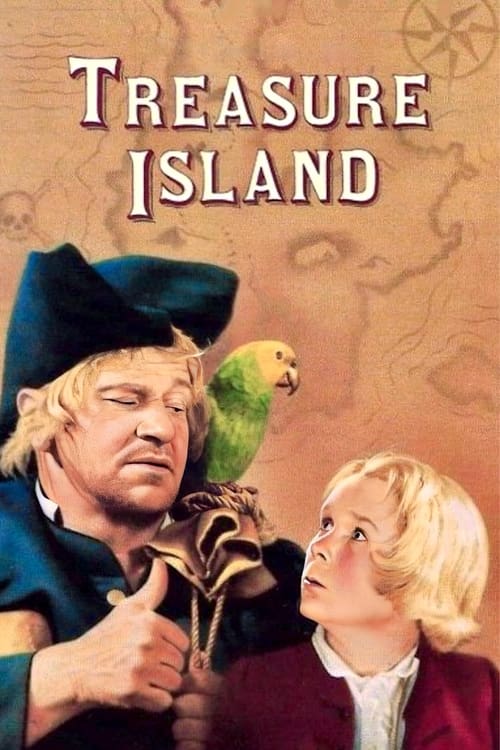
Film
Barrymore joined Biograph Studios in 1909 and began to appear in leading roles by 1911 in films directed by D. W. Griffith. Barrymore made The Battle (1911), The New York Hat (1912), Friends, and Three Friends (1913). In 1915, he co-starred with Lillian Russell in a movie called Wildfire, one of the legendary Russell's few film appearances. He also was involved in writing and directing at Biograph. The last silent film he directed, Life's Whirlpool (Metro Pictures, 1917), starred his sister, Ethel. He acted in more than 60 silent films with Griffith.
In 1920, Barrymore reprised his stage role in the film adaptation of The Copperhead. Also in 1920, he starred in the lead role of The Master Mind, with Gypsy O'Brien co-starring.
Before the formation of Metro-Goldwyn-Mayer in 1924, Barrymore forged a good relationship with Louis B. Mayer early on at Metro Pictures. He made several silent features for Metro, some of which are now lost. In 1923, Barrymore and Fenwick went to Italy to film The Eternal City for Metro Pictures in Rome, combining work with their honeymoon. He occasionally freelanced, returning to Griffith in 1924 to film America. In 1925, he left New York for Hollywood.
Prior to his marriage to Irene, Barrymore and his brother John engaged in a dispute over the issue of Irene's chastity in the wake of her having been one of John's lovers. The brothers didn't speak again for two years and weren't seen together until the premiere of John's film Don Juan in 1926, by which time they had patched up their differences. Barrymore signed a contract with Metro-Goldwyn-Mayer in 1926 and his first picture there was The Barrier. His first talking picture was The Lion and the Mouse; his stage experience allowed him to excel in delivering the dialogue in sound films.
On the occasional loan-out, Barrymore had a big success with Gloria Swanson in 1928's Sadie Thompson and the aforementioned Griffith film, Drums of Love. In 1929, he returned to directing films. During this early and imperfect sound film period, he directed the controversial His Glorious Night, with John Gilbert; Madame X, starring Ruth Chatterton; and The Rogue Song, Laurel and Hardy's first color film. He was credited with being the first director to move a microphone on a sound stage. Barrymore returned to acting in front of the camera in 1931. In the following year, he won an Academy Award for his role as an alcoholic lawyer in A Free Soul (1931), after being considered in 1930 for Best Director for Madame X. He played alongside Greta Garbo in the 1931 film "Mata Hari". He could play many characters, like the evil Rasputin in the 1932 Rasputin and the Empress (in which he co-starred for the only time with siblings John and Ethel) and the ailing Oliver Jordan in Dinner at Eight (1933 — also with John, although they had no scenes together). He played Professor Zelen, the Occultist expert, in the classic horror Mark of the Vampire (1935).
On April 27, 1939, Louis B. Mayer threw Barrymore a 61st birthday party (the day before his actual birthday), broadcast live on Good News of 1939, and required all MGM employees to attend. This was likely intended to distract from, and prevent MGM attendance of, the Confessions of a Nazi Spy premiere that occurred simultaneously. The film was highly controversial due to its anti-Nazi message.
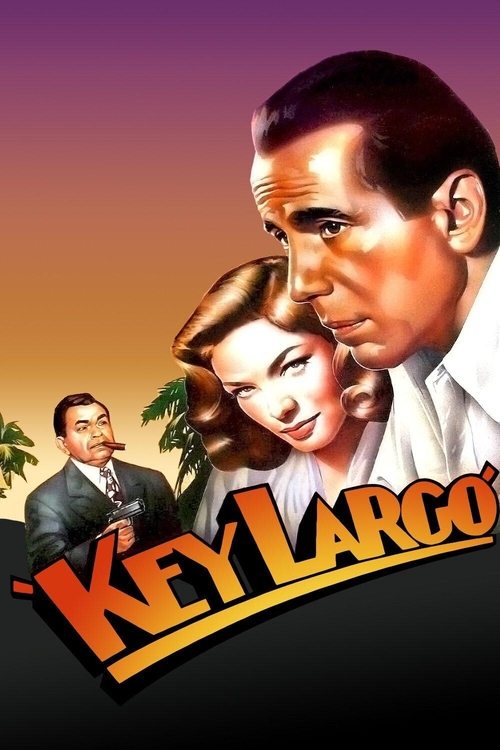
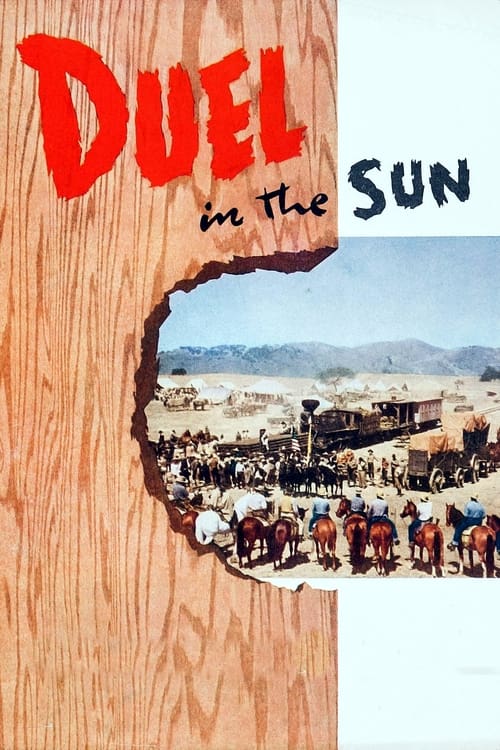
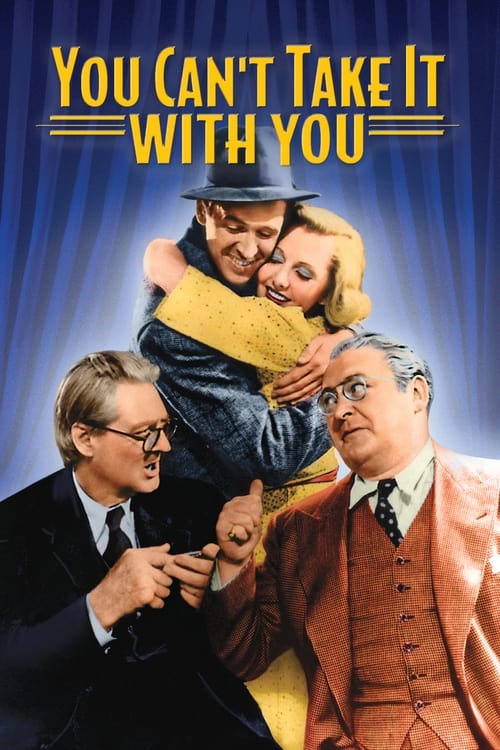
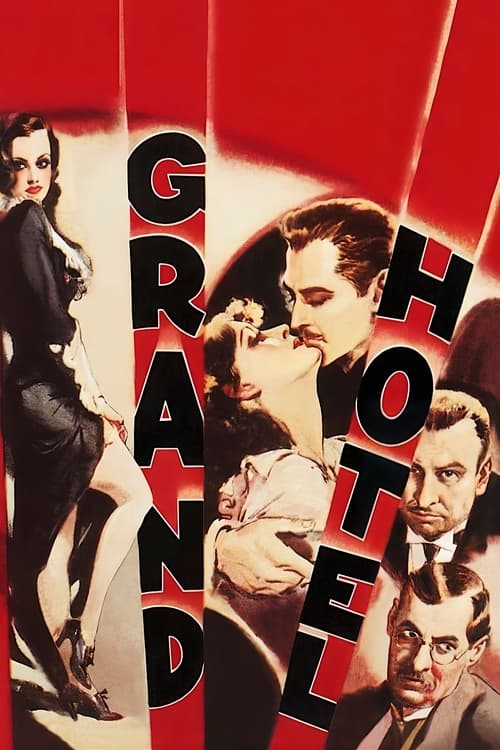
During the 1930s and 1940s, he became stereotyped as a grouchy but sweet elderly man in such films as The Mysterious Island (1929), Grand Hotel (1932, with John Barrymore), Little Colonel (1935, with Shirley Temple and Bill "Bojangles" Robinson), Captains Courageous (1937), Saratoga (1937, with Jean Harlow), You Can't Take It with You (1938), On Borrowed Time (1939, with Cedric Hardwicke), Duel in the Sun (1946), Three Wise Fools (1946), and Key Largo (1948).
In a series of Doctor Kildare movies in the 1930s and 1940s, he played the irascible Doctor Gillespie, a role he repeated in an MGM radio series that debuted in New York in 1950 and was later syndicated. Barrymore had broken his hip in an accident, hence he played Gillespie in a wheelchair. Later, his worsening arthritis kept him in the chair. The injury also precluded his playing Ebenezer Scrooge in the 1938 MGM film version of A Christmas Carol, a role Barrymore played every year but two (replaced by brother John Barrymore in 1936 and replaced by Orson Welles in 1938) on the radio from 1934 through 1953. He also played the title role in the 1940s radio series Mayor of the Town.
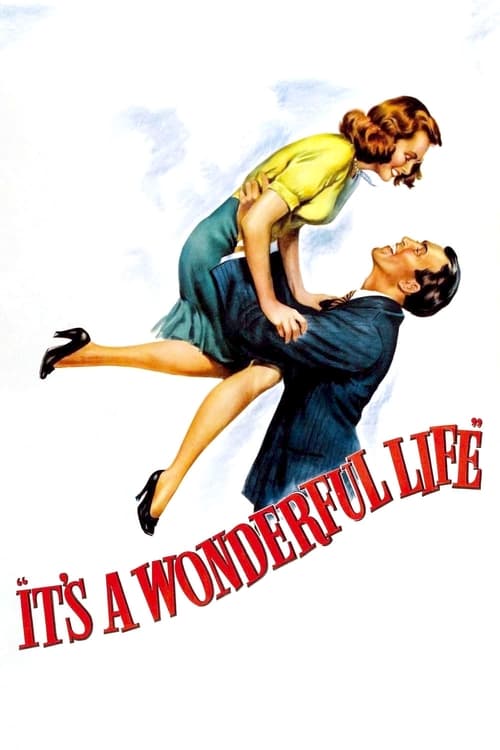
He is well known for his role as Mr. Potter, the miserly and mean-spirited banker in It's a Wonderful Life (1946) opposite James Stewart.
He had a role with Clark Gable in Lone Star in 1952. His final film appearance was a cameo in Main Street to Broadway, an MGM musical comedy released in 1953. His sister Ethel also appeared in the film.