John Cooper Jr. (September 15, 1922 – May 3, 2011), known professionally as Jackie Cooper, was an American actor and director. He began his career as a child actor and was a featured member of the Our Gang ensemble 1929–1931. At age nine, he became the only child and youngest person nominated for the Academy Award for Best Actor for the 1931 film Skippy. He then successfully transitioned to adolescent roles in the 1930s and adult roles from 1940 on.
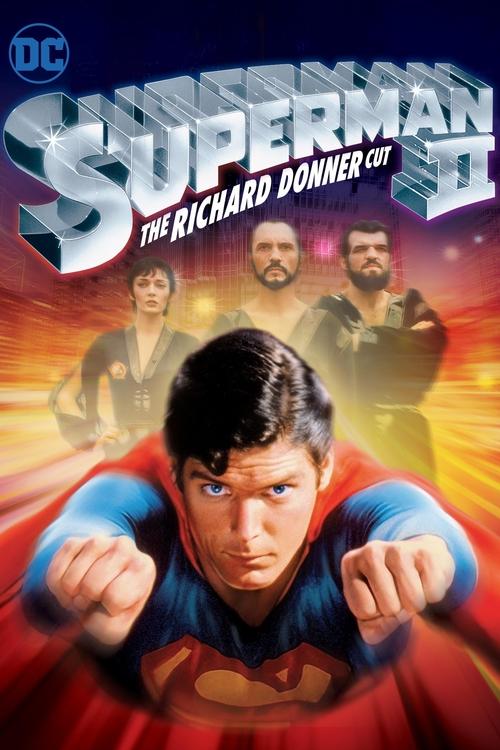
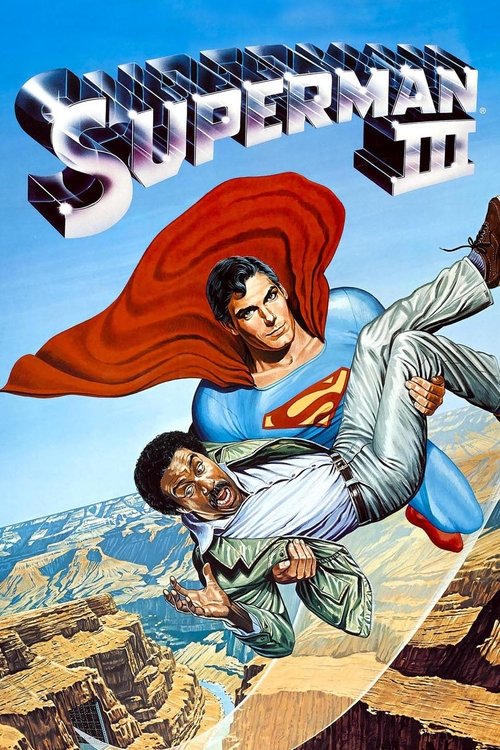
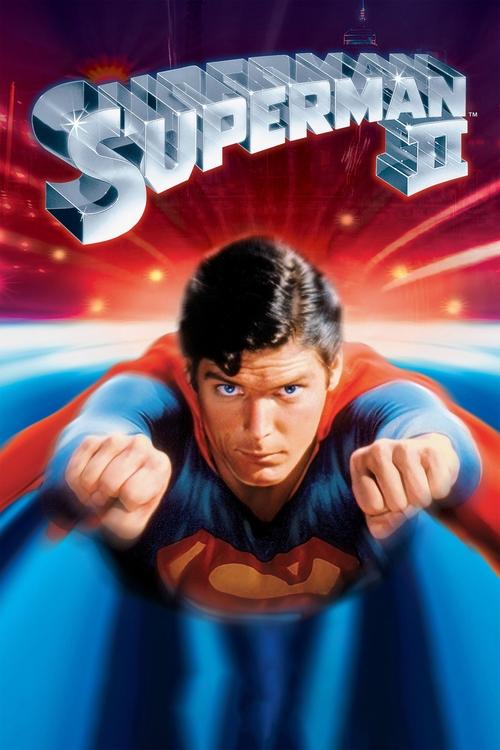
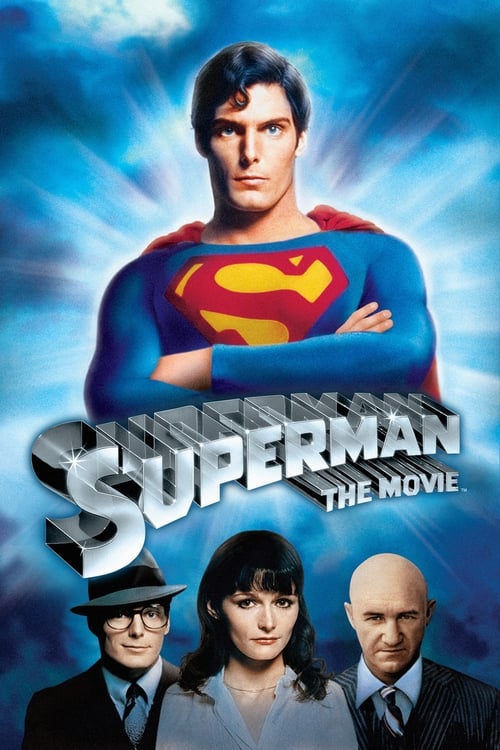
He later starred in two popular television sitcoms, The People's Choice (1955–58) and Hennesey (1959–1962), as well as playing Daily Planet editor-in-chief Perry White in the 1978–1987 Superman films. He also had success as a television director, earning two Primetime Emmy Awards for directing. He had a parallel career as a U.S. Navy officer, both active duty and reserve.
For his contributions to the motion picture industry, Cooper was honored with a Hollywood Walk of Fame star located at 1507 Vine Street.
Contents
Early life
John Cooper Jr. was born in Los Angeles, California. Cooper's father, Brooklyn-born John George Cooper, left the family when Jackie was two years old. His mother, Mabel Leonard Bigelow (née Polito), was a stage pianist. Cooper's maternal uncle, Jack Leonard, was a screenwriter, and his maternal aunt, Julie Leonard, was an actress married to director Norman Taurog. Cooper's stepfather was C. J. Bigelow, a studio production manager. His mother was Italian American (her family's surname was changed from "Polito" to "Leonard"). The two never reunited after he had left the family.
Early acting career
Cooper first appeared in films as an extra with his grandmother, who took him to her auditions hoping it would help her get extra work. At age three, Jackie appeared in Lloyd Hamilton comedies under the name of "Leonard".
Cooper graduated to bit parts in feature films such as Fox Movietone Follies of 1929 and Sunny Side Up. His director in those films, David Butler, recommended Cooper to director Leo McCarey, who arranged an audition for the Our Gang comedy series produced by Hal Roach. In 1929, Cooper signed a three-year contract after joining the series in the short Boxing Gloves. He initially was cast as a supporting character, but by early 1930 his success in transitioning to sound films enabled him to become one of Our Gang's major characters, called Jackie in the series, replacing Harry Spear, who left after his contract expired. He was the main character in the 1930 entries The First Seven Years and When the Wind Blows. His most notable performances explore his crush on schoolteacher Miss Crabtree (portrayed by June Marlowe) in the trilogy Teacher's Pet, School's Out, and Love Business.
While under contract to Hal Roach Studios, in 1931 Cooper was loaned to Paramount to star in Skippy, directed by his uncle, Norman Taurog. At age nine, Cooper was nominated for an Academy Award for Best Actor, the youngest actor to be nominated for an Oscar in that category. Although Paramount paid Roach $25,000 for Cooper's services, Roach paid Cooper a standard salary of $50 per week.
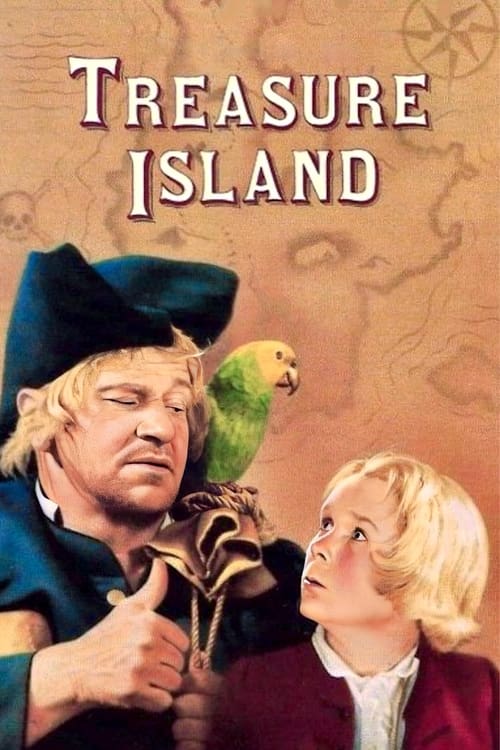
Cooper was in great demand, resulting in Roach selling the actor's contract to Metro-Goldwyn-Mayer in 1931. Cooper acted with Wallace Beery in The Champ (1931—Beery's Oscar-winning role); a wittily comedic romp titled The Bowery (1933) with George Raft, Fay Wray and Pert Kelton; Robert Louis Stevenson's Treasure Island (1934) with Beery as Long John Silver alongside Lionel Barrymore, Lewis Stone and Nigel Bruce; and a father-son circus story about a one-armed animal trainer titled O'Shaughnessy's Boy (1935). In his autobiography, Cooper wrote that Beery was a disappointment and accused Beery of upstaging him and attempting to undermine his performances out of jealousy.
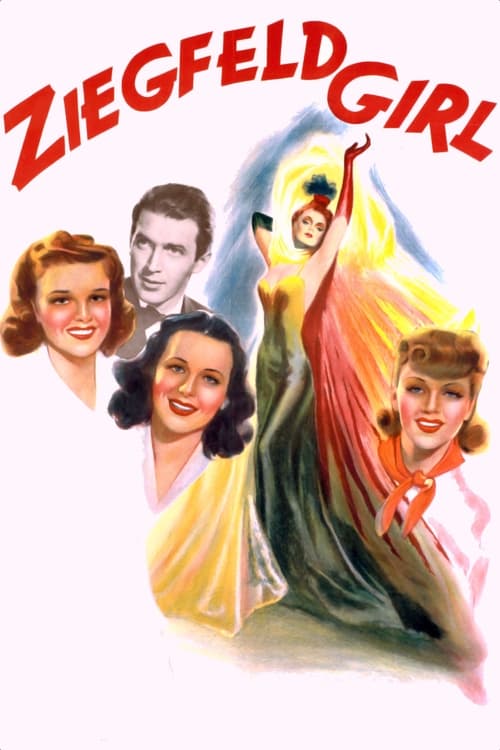
For the remainder of the 1930s, Cooper continued in a succession of teenage roles in adventure films and urban dramas. He played the lead role in the first two Henry Aldrich films, What a Life (1939) and Life with Henry (1941). In the 1941 musical Ziegfeld Girl, he co-starred with James Stewart, Judy Garland, Hedy Lamarr, and Lana Turner.
Adult years
Cooper served in the U.S. Navy during World War II, remaining in the reserves until 1982, retiring at the rank of captain and receiving the Legion of Merit. After the war ended, Cooper returned to Hollywood but became dissatisfied with the quality of the roles he was being offered, such as the gimmick of pairing him with another former child star, Jackie Coogan, in two poorly-received comedies, Kilroy Was Here (1947) and French Leave (1948). He began to gravitate towards stage and television work. In 1950, Cooper was cast in a production of Mr. Roberts in Boston, Massachusetts, in the role of Ensign Pulver. In 1954, he guest-starred on the NBC legal drama Justice. He appeared on ABC's The Pat Boone Chevy Showroom, guest-starred with Tennessee Ernie Ford on NBC's The Ford Show as America's Uranium King, and as Charles A. Steen in "I Found 60 Million Dollars" on the Armstrong Circle Theatre.
Cooper's best known acting roles in the 1950s and 60s were his starring roles in two successful television sitcoms, each of which ran for three seasons. In NBC's The People's Choice (1955-58), co-staring Patricia Breslin, he portrayed a city councilman, Socrates "Sock" Miller, who marries the mayor's daughter. He was the title character, a U.S. Navy physician, in CBS's Hennessy (1959-62) with Abby Dalton. He directed several episodes each of those two sitcoms, paving the way for his later success as a television director. In 1964, Cooper appeared in Rod Serling's The Twilight Zone episode "Caesar and Me", and in 1968 a made-for-television film, Shadow on the Land.
From 1964 to 1969, Cooper was vice president of program development at Columbia Pictures' Screen Gems TV division. He was responsible for packaging series such as Bewitched and selling them to the networks. While working in television, Cooper made some attempts to develop a new Our Gang series, but eventually abandoned the idea, concluding that Our Gang was a phenomenon of its time and could not be replicated.
Cooper left Columbia in 1969. He appeared in the fourth season of Hawaii Five-O in an episode called "The Burning Ice" Cooper appeared in Candidate for Crime starring Peter Falk as Columbo in 1973; Season 1 Episode 12 "Last Rites for a Dead Priest" of Kojak in 1974 starring Telly Savalas, and in the 1975 ABC series Mobile One, a Jack Webb/Mark VII Limited production. He guest-starred in a 1978 two-part episode of The Rockford Files, "The House on Willis Avenue", a series for which he had previously directed five episodes. Cooper's work as director on episodes of M*A*S*H and The White Shadow earned him Emmy awards.
Personal life
Cooper served in the United States Navy during World War II and remained active in the Naval Reserve for the next several decades, reaching the rank of captain. He was married to June Horne from 1944 until 1949, with whom he had a son, John "Jack" Cooper III, who was born in 1946. June was the daughter of director James W. Horne and actress Cleo Ridgely. Cooper was married to Hildy Parks from 1950 until 1951 and to Barbara Rae Kraus from 1954 until her death in 2009. Cooper and Kraus had three children: Russell, born in 1956; Julie, born in 1957; and Cristina, born in 1959. Julie and Cristina died in 1997 and 2009, respectively.
Cooper supported Republican presidential candidates and appeared at rallies for Herbert Hoover in 1932 and Dwight D. Eisenhower in 1952.
Cooper participated in several automobile racing events, including the record-breaking class D cars at the Bonneville Salt Flats in Utah. He drove in several SCCA road racing competitions. Cooper was named the honorary starter for the 1976 Winston 500 at the Alabama International Motor Speedway, which is now known as Talladega Superspeedway, in Talladega, Alabama.
Cooper's autobiography, Please Don't Shoot My Dog, was published in 1982. The title refers to an incident during the filming of Skippy, when Norman Taurog, who was the director, needed Cooper to cry a number of times on camera. To accomplish that, Taurog used various tricks intended to upset Cooper. For example, one time Taurog ordered a security guard to go backstage and pretend to shoot Cooper's dog. The stunt resulted in genuine tears; Cooper afterwards discovered his dog was in fact fine. Later that same day, his mother came to the set and showed Cooper a better way for an actor to experience emotions in the scene—by studying the script and empathizing with the character he was portraying. The book also details the affair Cooper had as a teenager with Joan Crawford.
Cooper announced his retirement in 1989, although he continued directing episodes of the syndicated series Superboy. He began spending more time training and racing horses at Hollywood Park and outside San Diego during the Del Mar racing season. Cooper lived in Beverly Hills from 1955 until his death.
For his contributions to the motion picture industry, Cooper was honored with a Hollywood Walk of Fame star located at 1507 Vine Street.
Death
Cooper died on May 3, 2011, aged 88, in Santa Monica, California, after a short illness. He was survived by his two sons. He outlived both his daughters and wife, Barbara Rae Kraus. He was interred at Arlington National Cemetery in Arlington County, Virginia, in honor of his naval service.