Walter Jack Palance ( PAL-əns; born Volodymyr Palahniuk; February 18, 1919 – November 10, 2006) was an American actor. He gained stardom for his masculine portrayals of men in neo-noirs, crime dramas and westerns. He acted on stage and screen earning an Academy Award, a Golden Globe Award and a Primetime Emmy Award. He received a star on the Hollywood Walk of Fame in 1960.
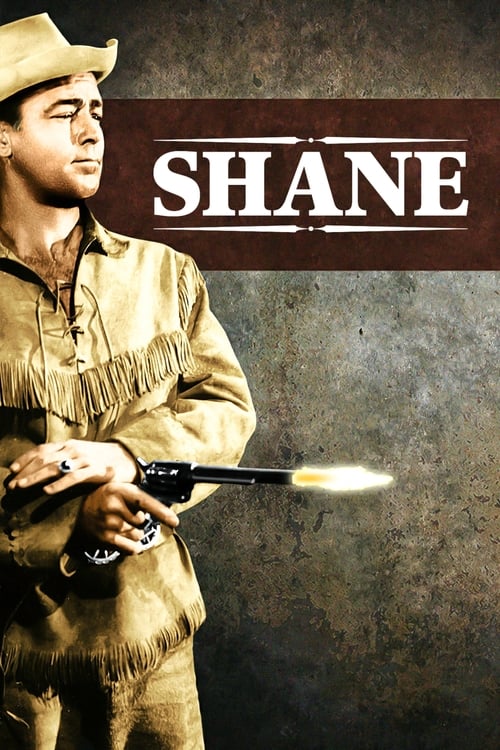
Born in Lattimer Mines, Pennsylvania, the son of Ukrainian immigrants, Palance served in the United States Army Air Forces during World War II. He attended Stanford University before pursuing a career in the theater, winning a Theatre World Award in 1951. He made his film acting debut in Elia Kazan's Panic in the Streets (1950). He was nominated for three Academy Awards, all for Best Actor in a Supporting Role, for his roles in Sudden Fear (1952) and Shane (1953), and winning almost 40 years later for City Slickers (1991).
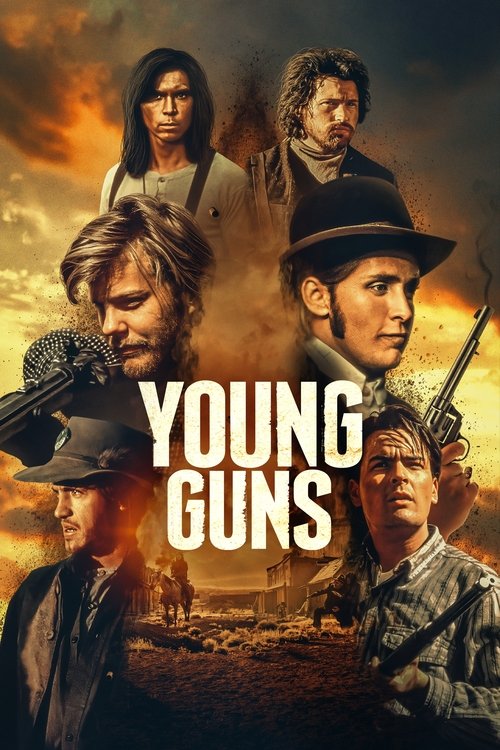
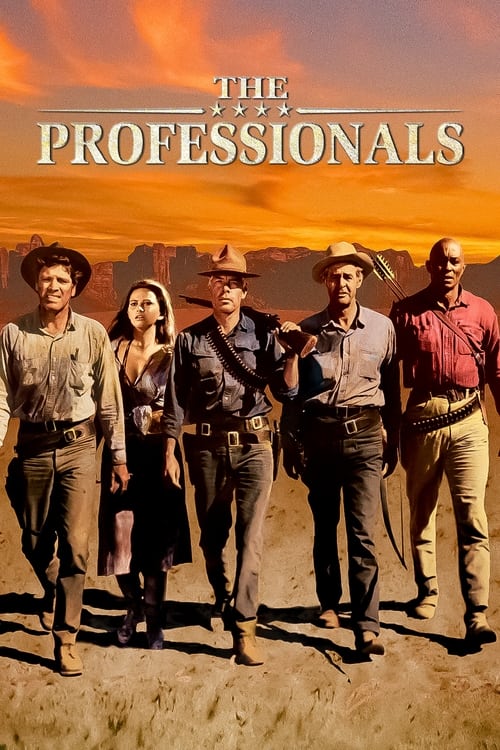
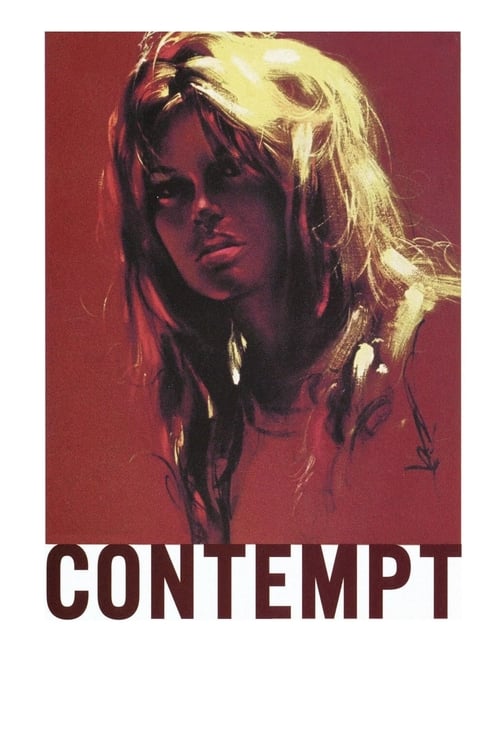
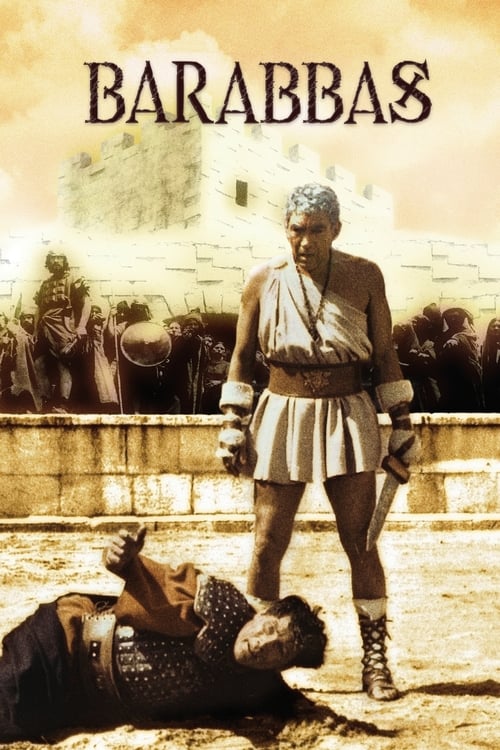
Beginning in the late 1950s, he would work extensively in Europe, notably in a memorable turn as a charismatic-but-corrupting Hollywood mogul in Jean-Luc Godard's Contempt (1963). Palance is also known for his roles in The Big Knife (1955), Attack (1956), Barabbas (1961), The Professionals (1966) and Monte Walsh (1970) with later roles in Young Guns (1988), Tango & Cash (1989), and Batman (1989).
On television, he won the Primetime Emmy Award for Best Single Performance by an Actor for the Playhouse 90 teleplay Requiem for a Heavyweight (1957). He also portrayed title character in the TV movie Bram Stoker's Dracula (1973). He hosted Ripley's Believe It or Not! (1982–86). Off-screen, he was involved in the Ukrainian American community and served as a chairman of the Hollywood Trident Foundation.
Contents
Early life
Palance was born Volodymyr Palahniuk on February 18, 1919, in Lattimer Mines, Pennsylvania, the son of Anna (née Gramiak) and Ivan Palahniuk, an anthracite coal miner. His parents were Ukrainian Catholic immigrants, his father a native of Ivane-Zolote in southwestern Ukraine (modern Ternopil Oblast) and his mother from the Lviv Oblast. One of six children, he worked in coal mines during his youth before becoming a professional boxer in the late 1930s.
Boxing under the name Jack Brazzo, Palahniuk lost his only recorded match, in a four-round decision on points, to the future heavyweight contender Joe Baksi in a Pier-6 brawl rough fight. Other sources record him winning 15 consecutive club fights, with 12 knockouts. Years later he recounted: "Then I thought, 'You must be nuts to get your head beat in for $200.' The theater seemed a lot more appealing."
World War II
Palance enlisted in the United States Army Air Forces during World War II, and was trained as a pilot. He suffered head injuries and burns during a 1943 crash of a B-24 Liberator bomber he was co-piloting, with sources citing it as sustained either in a patrol off the California coast or a training flight near Tucson, Arizona (at what is now Davis–Monthan Air Force Base). He was discharged in 1944 after undergoing reconstructive surgery, which contributed to his distinctively gaunt appearance.
According to some sources he was awarded a Purple Heart, though he does not appear on official rolls for the decoration. Purple Hearts are not awarded for training injuries.
College
Palance won a football scholarship to the University of North Carolina at Chapel Hill but left after two years, disgusted by commercialization of the sport.
After the war, Palance enrolled at Stanford to study journalism, but switched to drama. He left one credit shy of graduating to pursue a career in the theater. During his university years, he worked as a short order cook, waiter, soda jerk, lifeguard at Jones Beach State Park, and photographer's model.
It was around this time that he changed his name to Walter Jack Palance, reasoning that most people could not pronounce his birth name and deriving his new surname from the original one. In an episode of What's My Line?, he described how no one could pronounce his last name, and how it was suggested that he be called Palansky. From that he decided just to use Palance instead.
Career
1947–1959: Broadway debut and film stardom
In New York City, Palance studied method acting under Michael Chekhov, while working as a sportswriter. He made his Broadway debut in 1947 as a Russian soldier in The Big Two, directed by Robert Montgomery. Palance's acting break came as Marlon Brando's understudy in A Streetcar Named Desire, and he eventually replaced Brando on stage as Stanley Kowalski. Palance appeared in two plays in 1948 with short runs, A Temporary Island and The Vigil. He made his television debut in 1949.
Palance made his big-screen debut in Panic in the Streets (1950), directed by Elia Kazan, who had directed Streetcar on Broadway. He played a gangster, and was credited as "Walter (Jack) Palance". That year he was featured in Halls of Montezuma (1951), about United States Marines during World War II. He returned to Broadway for Darkness at Noon (1951) by Sidney Kingsley, which was a minor hit. Palance was second-billed in just his third film, opposite Joan Crawford in the thriller Sudden Fear (1952). His character is a former coal miner, as Palance's father had been. Palance received an Oscar nomination for Best Supporting Actor. He was nominated in the same category the following year for his role as hired gunfighter Jack Wilson in Shane (1953). The film was a huge hit, and Palance became an established film name.
Palance played a villain in Second Chance opposite Robert Mitchum, and was a Native American in Arrowhead (both 1953). He got a chance to play a heroic role in Flight to Tangier (1953), a thriller. He played the lead in Man in the Attic (1953), an adaptation of The Lodger. He was Attila the Hun in Sign of the Pagan with Jeff Chandler, and Simon Magus in the Ancient World epic The Silver Chalice (both 1954) with Paul Newman (who disowned his participation in the film). He had the star part in I Died a Thousand Times (1955), a remake of High Sierra, and was cast by Robert Aldrich in two star parts: The Big Knife (1955), from the play by Clifford Odets, as a Hollywood star; and Attack (1956), as a tough soldier in World War II. In 1955, he had an operation for appendicitis.
Palance was in a Western, The Lonely Man (1957), playing the father of Anthony Perkins, and played a double role in House of Numbers (1957). In 1957, Palance won an Emmy Award for best actor for his portrayal of Mountain McClintock in the Playhouse 90 production of Rod Serling's Requiem for a Heavyweight. Warwick Films hired Palance to play the hero in The Man Inside (1958), shot in Europe. He was reunited with Robert Aldrich and Jeff Chandler when they worked on Ten Seconds to Hell (1959), filmed in West Germany, playing a bomb disposal expert.
1960–1988: International films and return to Hollywood
He made Beyond All Limits (1959) in Mexico, and Austerlitz (1960) in France, then did a series of films in Italy: Revak the Rebel, Sword of the Conqueror, The Mongols, The Last Judgment, and Barabbas (all 1961), and Night Train to Milan and Warriors Five (both 1962).
Jean-Luc Godard persuaded Palance to take on the role of Hollywood producer Jeremy Prokosch in the nouvelle vague movie Le Mépris (1963) with Brigitte Bardot. Although the main dialogue was in French, Palance spoke mostly English.
Palance returned to the U.S. to star in the TV series The Greatest Show on Earth (1963–64). The series only lasted one season, and the 30th and final episode. "You're All Right, Ivy," which starred Buster Keaton, also marked Palance's debut as a director. "For Keaton it was one of his peaks as an actor, an unforgettable role, and for Palance, an artist and a poet as well as an actor, it was the only time in his life that he ever tried directing anything."
In 1964, his presence at a recently integrated movie theater in Tuscaloosa, Alabama, prompted a riot from segregationists who assumed Palance was there to promote civil rights. He played a gangster in Once a Thief (1965) with Alain Delon. In the following year he appeared in the television film Alice Through the Looking Glass, directed by Alan Handley, in which he played the Jabberwock, and had a featured role opposite Lee Marvin and Burt Lancaster in the Western adventure The Professionals. Palance guest-starred in The Man from U.N.C.L.E., and the episodes were released as a film, The Spy in the Green Hat (1967). He went to England to make Torture Garden (1967), and made Kill a Dragon (1968) in Hong Kong.
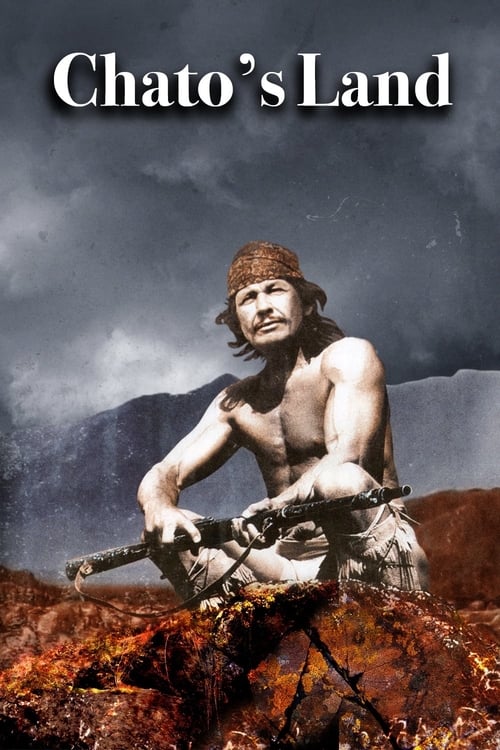
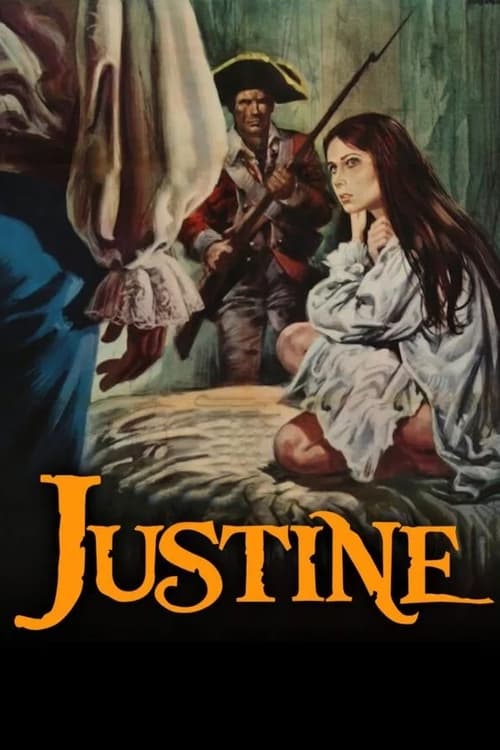
Palance provided narration for the 1967 documentary And Still Champion! The Story of Archie Moore. He was in the TV film The Strange Case of Dr. Jekyll and Mr. Hyde produced by Dan Curtis, during the making of which he fell and injured himself. In 1969, Palance recorded a country music album in Nashville, released on Warner Bros. Records. It featured his self-penned song "The Meanest Guy that Ever Lived". The album was re-released on CD in 2003 by the Water label (Water 119). His films were often international co-productions by this time: They Came to Rob Las Vegas, The Mercenary (both 1968), The Desperados, and Marquis de Sade: Justine (both 1969). Palance had a part in the Hollywood blockbuster Che! (1969) playing Fidel Castro opposite Omar Sharif in the title role, but the film flopped. Palance went back to action films and Westerns: Battle of the Commandos (1970), The McMasters (1970) and Compañeros (1970).
1989–1995: Career resurgence and City Slickers
Palance had never been out of work since his career began, but his success on Ripley's Believe It or Not! and the international popularity of Bagdad Cafe (1987) created a new demand for his services in big-budget Hollywood films.
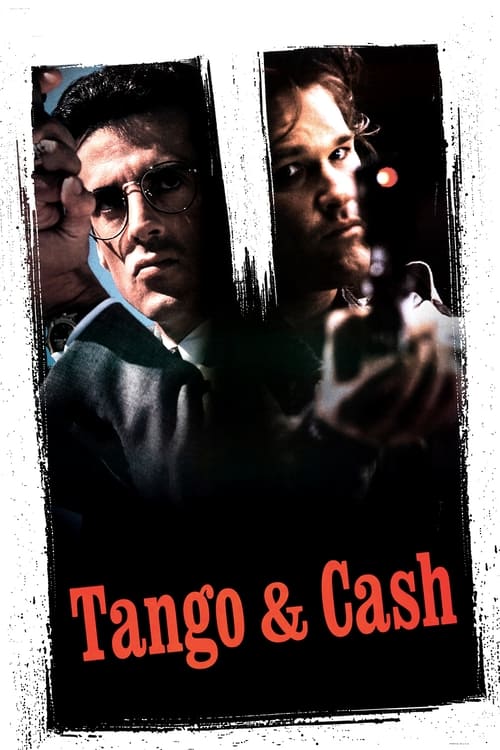
He made memorable appearances as villains in Young Guns (1988) as Lawrence Murphy, Tango & Cash (1989) and Tim Burton's Batman (1989). He also performed on Roger Waters' first solo album release, The Pros and Cons of Hitch Hiking (1984), and was in Outlaw of Gor (1988) and Solar Crisis (1990).
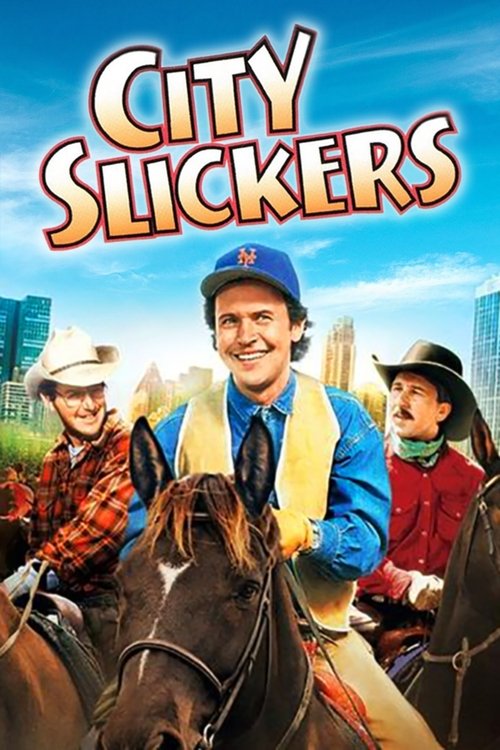
Palance was then cast as cowboy Curly Washburn in the 1991 comedy City Slickers, directed by Ron Underwood. He quipped:I don't go to California much any more. I live on a farm in Pennsylvania, about 100 miles from New York, so I can go into the city for dinner and a show when I want to. I also have a ranch about two hours from Los Angeles, but I don't go there very often at all...But I will always read a decent script when it is offered, and the script to City Slickers made sense. Curly (his character in the film) is the kind of man I would like to be. He is in control of himself, except for deciding the moment of his own death. Besides all that, I got paid pretty good money to make it.
Four decades after his film debut, Palance won an Academy Award for Best Supporting Actor on March 30, 1992, for his performance as Curly. Stepping onstage to accept the award, the 6-foot-4-inch (1.93 m) actor looked down at 5 ft 7 in (1.70 m) Oscar host Billy Crystal (who was also his co-star in the movie) and joked, mimicking one of his lines from the film, "Billy Crystal ... I crap bigger than him." He then dropped to the floor and demonstrated his ability, at the age of 73, to perform one-armed push-ups.
The audience loved the moment and host Crystal turned it into a running gag. At various points in the broadcast, Crystal announced that Palance was "backstage on the StairMaster", had bungee-jumped off the Hollywood sign, had rendezvoused with the space shuttle in orbit, had fathered all the children in a production number, had been named People magazine's "Sexiest Man Alive", and had won the New York primary election. At the end of the broadcast Crystal said he wished he could be back next year, but "I've just been informed Jack Palance will be hosting."
1996–2004: Final films
Palance's final films included Ebenezer (1998), a TV Western version of Charles Dickens's classic A Christmas Carol, with Palance as Scrooge; Treasure Island (1999); Sarah, Plain and Tall: Winter's End (2000); and Prancer Returns (2001).
Palance, at the time chairman of the Hollywood Trident Foundation, walked out of a Russian Film Festival in Hollywood in 2004. After being introduced, Palance said, "I feel like I walked into the wrong room by mistake. I think that Russian film is interesting, but I have nothing to do with Russia or Russian film. My parents were born in Ukraine: I'm Ukrainian. I'm not Russian. So, excuse me, but I don't belong here. It's best if we leave." Palance was awarded the title of "People's Artist" by Vladimir Putin, president of Russia; however, Palance refused it. In 2001, Palance returned to the recording studio as a special guest on friend Laurie Z's album Heart of the Holidays to narrate the classic poem "The Night Before Christmas". In 2002, he starred in the television movie Living with the Dead opposite Ted Danson, Mary Steenburgen and Diane Ladd. In 2004, he starred in another television production, Back When We Were Grownups, once again directed by Ron Underwood, opposite Blythe Danner; it was his final performance.
Personal life
Marriages and family
Palance lived for several years around Tehachapi, California. He was married to his first wife, Virginia (née Baker), from 1949 to 1968. They had three children, of whom Holly Palance and another daughter became actors. On New Year's Day, 2003, Virginia was struck and killed by a car in Los Angeles. In May 1987, Palance married his second wife, Elaine Rogers.
Interests
He painted and sold landscape art, with a poem included on the back of each picture. He was also the author of The Forest of Love, a book of poems published in 1996 by Summerhouse Press.
Palance enjoyed raising cattle on his ranch in the Tehachapi Mountains. He gave up eating red meat after working on his ranch, commenting that he couldn't eat a cow.
He acknowledged a lifelong attachment to his Pennsylvania heritage and visited there when able. Shortly before his death, he sold his farm in Butler Township and put his art collection up for auction.
Death
Palance died at the age of 87 from natural causes at his daughter Holly's house in Montecito, California, on November 10, 2006. Following his death, a memorial service was held at St. Michael's Ukrainian Catholic Church in Hazleton, Pennsylvania.
Acting credits
Legacy and reception
Palance has a star on the Hollywood Walk of Fame at 6608 Hollywood Boulevard.
In 1992, he was inducted into the Western Performers Hall of Fame at the National Cowboy & Western Heritage Museum in Oklahoma City, Oklahoma.
According to writer Mark Evanier, comic book creator Jack Kirby modeled his character Darkseid on the actor.
The Lucky Luke 1956 comic Lucky Luke contre Phil Defer by Morris features a villain named Phil Defer who is a caricature of Jack Palance. The song "And now we dance" by punk band The Vandals features the lyrics, "Come on and do one hand pushups just like Jack Palance."
American comedian Bill Hicks incorporated a reference to Palance in one of his most famous routines, likening Palance's character in Shane to how he views the United States' role in international warfare.
Novelist Donald E. Westlake stated that he sometimes imagined Palance as the model for the career-criminal character Parker he wrote in a series of novels under the name Richard Stark.
In 2023, Palance was inducted into the Luzerne County Arts & Entertainment Hall of Fame. He was included among the inaugural class of inductees.
Discography
Palance, Warner Bros, 1969