James Bond
Hamilton followed with his first James Bond film, Goldfinger (1964). He later reflected that he was able to successfully merge the series's mix of action adventure, sexual innuendo and black humour. He later said "after one Bond, you should walk away from it, charge your batteries, and then come back if you have something to say. I felt I didn’t have that, and to do Bond justice, you have to arrive with a huge amount of enthusiasm."
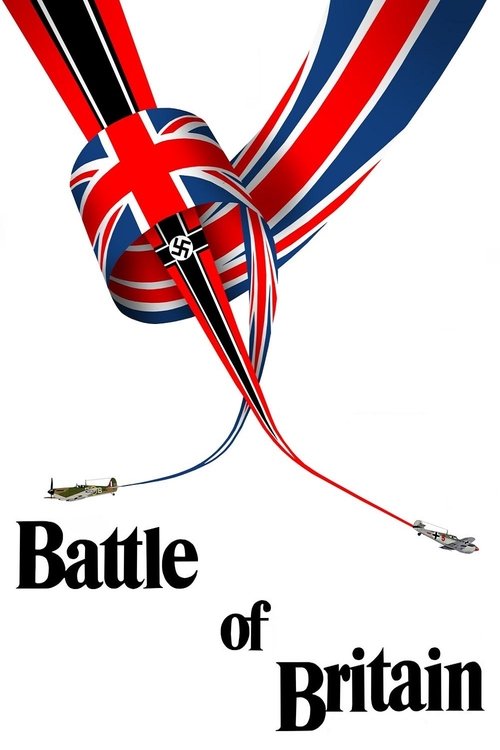
In the late 1960s, Hamilton directed two further films for Bond producer Harry Saltzman: Funeral in Berlin (1966, starring Michael Caine), and the war epic Battle of Britain (1969).
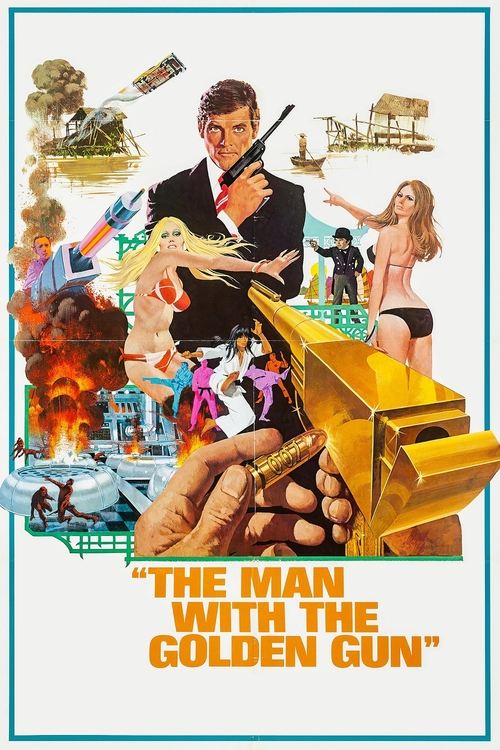
He returned to the Bond film franchise with the chase- and gadget-dependent Diamonds Are Forever (1971), Live and Let Die (1973) and The Man with the Golden Gun (1974). He claimed in a much later interview that he had instructed Roger Moore not to mimic Sean Connery's rendition of James Bond and said the only Bond he regretted making was Golden Gun. Hamilton was later asked to direct For Your Eyes Only (1981) but declined because the cash-strapped United Artists could not afford his salary.
Hamilton was originally chosen to direct Superman: The Movie (1978), but due to his status as a tax exile, he was allowed to be in England for only thirty days a year, where production had moved at the last minute to Pinewood Studios. The job of director was then passed to Richard Donner, but Hamilton insisted that he be paid in full.
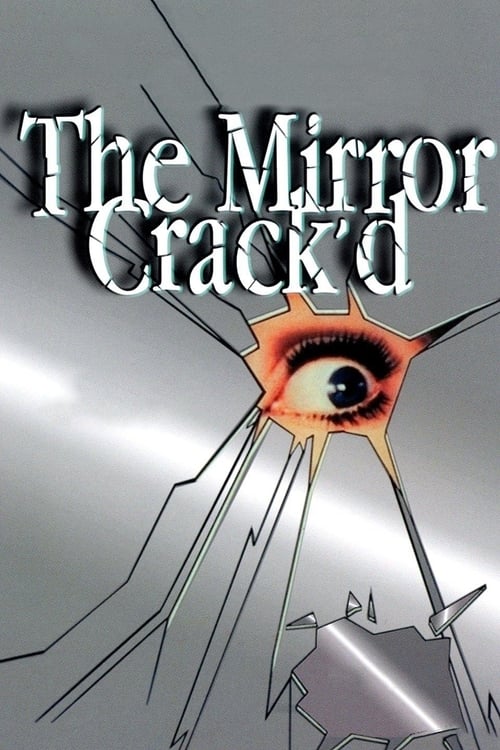
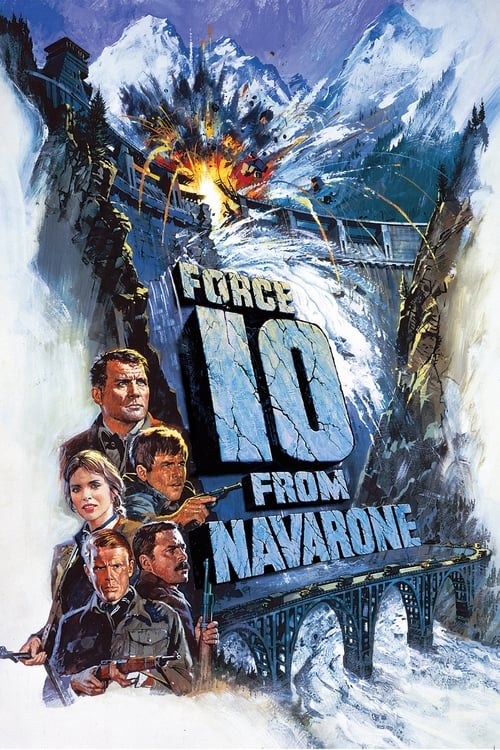
Hamilton's only films in the latter part of the 1970s were the commercially unsuccessful Force 10 from Navarone (1978) and the poorly received adaptation of Agatha Christie's mystery The Mirror Crack'd (1980).
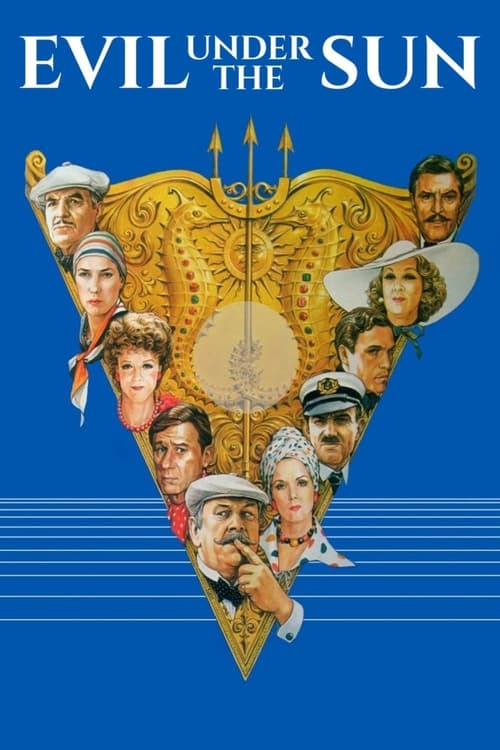
Another Christie adaptation followed in 1982, with Evil Under the Sun which was received more favourably than The Mirror Crack'd.
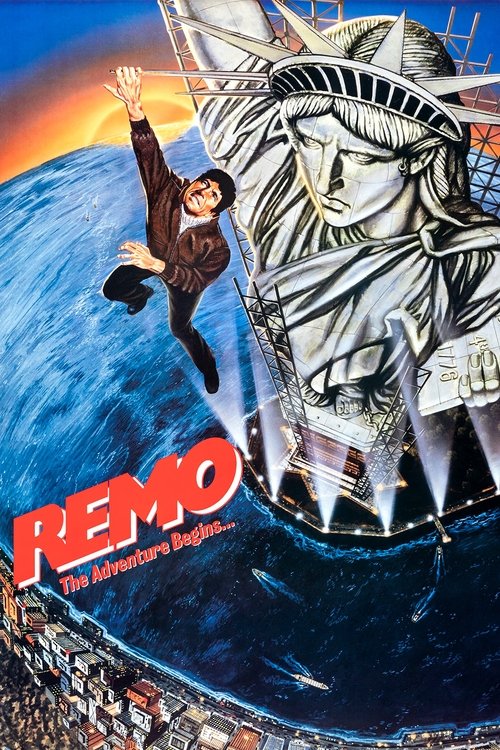
Hamilton directed only two more films in the 1980s (Remo Williams: The Adventure Begins in 1985 and 1989's Try This One for Size) before retiring.
In the late 1980s he was approached to direct Batman (1989), but declined. In a 2003 interview, he said that the contemporary Bond films relied too heavily on special effects and not as much on the spectacular and risky stunts of the Bond films of his era.
"I know that I’ve made some bad pictures, but when I was making a film, I knew I had to do the best I could with the material that I was working with," he said. "Sometimes I wished I had a more cooperative or a better writer, but that's the same for everybody."