



_(4x5_cropped).png?width=400)
.JPG?width=400)


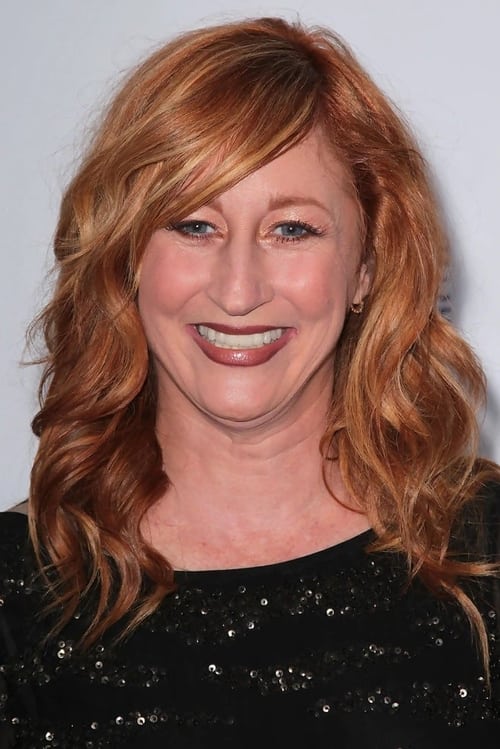
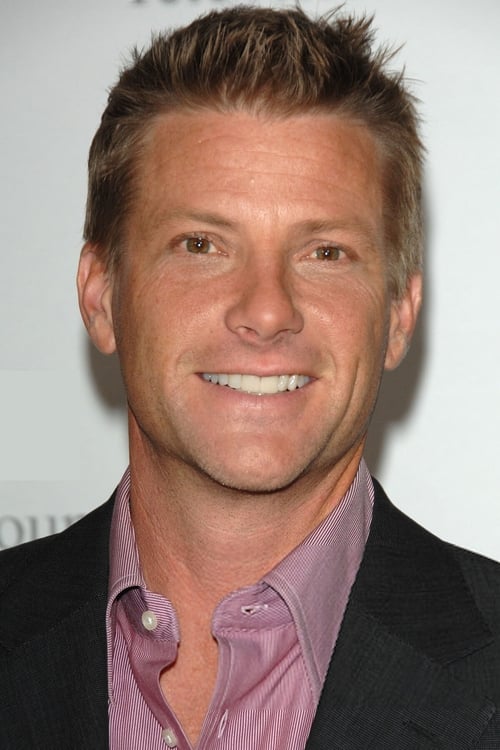
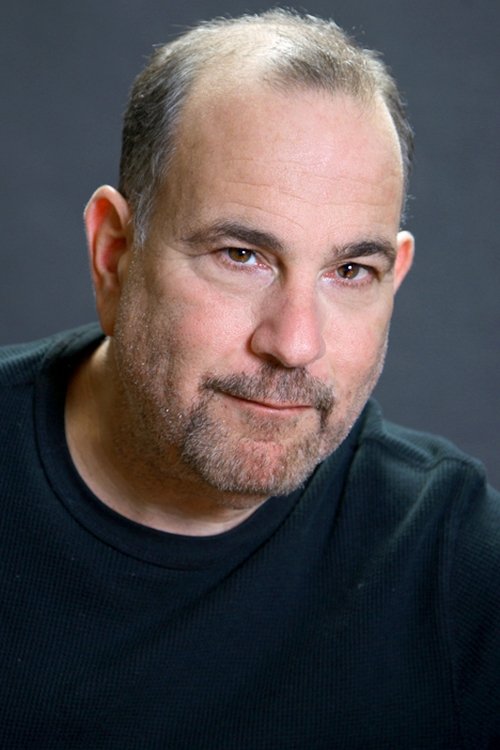

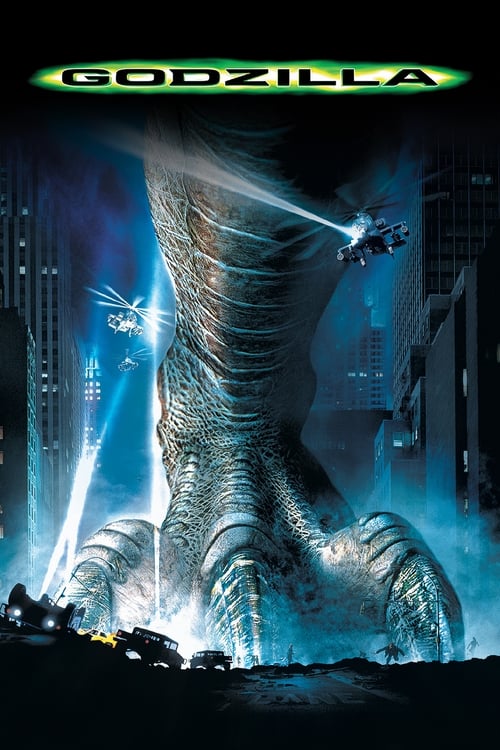
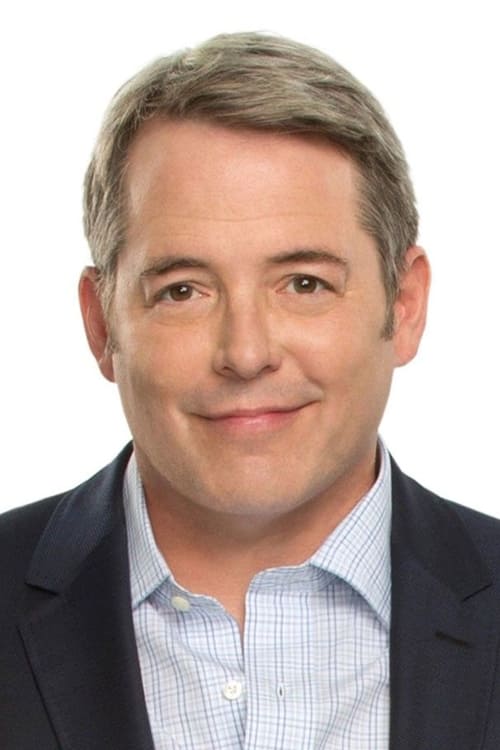
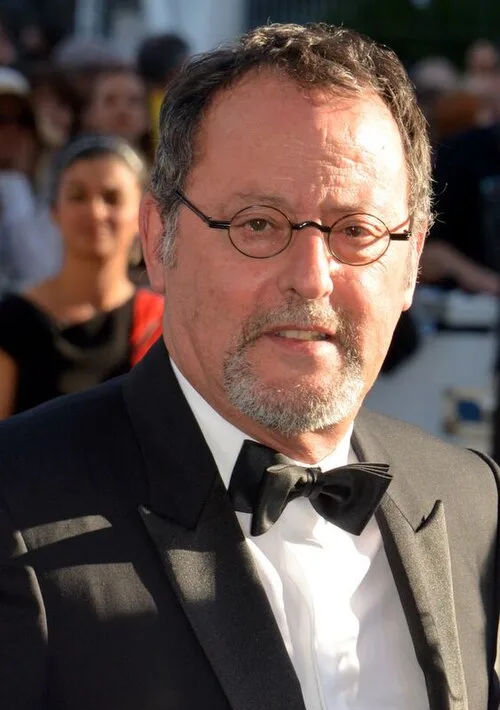
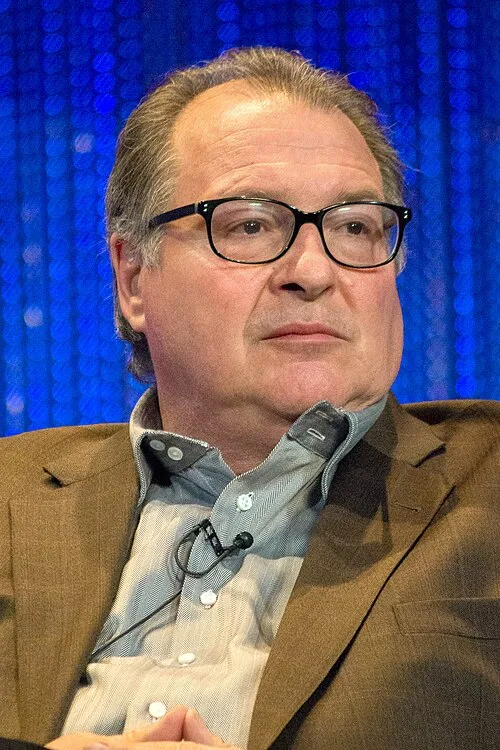
Godzilla is a 1998 American monster film directed by Roland Emmerich, who co-wrote the screenplay with producer Dean Devlin. It is a reboot of Toho Co., Ltd.'s Godzilla franchise and the 23rd film in the franchise. The film stars Matthew Broderick, Jean Reno, Maria Pitillo, Hank Azaria, Kevin Dunn, Michael Lerner, and Harry Shearer. The film is dedicated to Tomoyuki Tanaka, the co-creator and producer of various Godzilla films, who died in April 1997. In the film, authorities investigate and battle a giant monster, known as Godzilla, who migrates to New York City to nest its young.
In October 1992, TriStar Pictures announced plans to produce a trilogy of Godzilla films. In May 1993, Ted Elliott and Terry Rossio were hired to write the script. In July 1994, Jan de Bont was announced as the director but left the project that December due to budget disputes. Emmerich was hired in May 1996 to direct and co-write a new script with Devlin. Principal photography began in May 1997 and ended in September 1997.
Godzilla premiered at Madison Square Garden in New York City, New York on May 18, 1998, and was released in the United States on May 20 by TriStar Pictures. The film received negative reviews from critics and grossed $379 million worldwide against a production budget between $130–150 million and marketing costs of $80 million, becoming the third highest-grossing film of 1998. Despite turning a profit, it was considered a box office disappointment. Planned sequels were cancelled, but an animated series was produced instead. TriStar let their remake/sequel rights expire on May 20, 2003.
In 2004, a new iteration of TriStar's Godzilla was featured in Toho's 2004 film Godzilla: Final Wars as "Zilla". That version has since appeared in various media under the "Zilla" trademark, but with the variants from the 1998 film and its animated sequel retaining the Godzilla copyright and trademark.
Contents
Plot
An iguana nest is exposed to the fallout of a military nuclear test in French Polynesia. Some time later, a Japanese cannery vessel in the South Pacific is attacked by an unknown giant creature, with one fisherman surviving. While recovering in a hospital in Tahiti, the traumatized survivor is visited and questioned by a mysterious Frenchman. The survivor repeatedly replies "Gojira".
NRC scientist Dr. Niko "Nick" Tatopoulos is researching the effects of radiation on wildlife in the Chernobyl exclusion zone, when he is interrupted by an official from the U.S. State Department. Nick is re-assigned and sent to Panama and Jamaica to help the U.S. military investigate the destructive trail left by the creature. Nick identifies skin samples he discovered from a shipwreck as belonging to an unknown species. He dismisses the military's theory of the creature being a lost dinosaur, instead deducing it is a mutant created by nuclear testing in French Polynesia.
The creature drowns several fishing trawlers in the Eastern American Seaboard, and makes landfall in New York City, leaving a path of destruction. An evacuation soon follows and, on Nick's advice, the military set a trap by luring the creature with a large pile of fish. However, their attempt to kill it fails due to its speed and agility, causing further damage to the city before it escapes. Nick collects a blood sample and performs a pregnancy test, discovering that the creature reproduces asexually, and is about to lay eggs. Nick also meets up with his ex-girlfriend Audrey Timmonds, a young aspiring news reporter. Unnoticed by Nick, she uncovers a classified tape in his provisional tent concerning the monster's origins. She steals it and hopes to have her report put on TV to launch her career as a news reporter. However, her superior, Charles Caiman, steals her report, and dubs the creature "Godzilla".
As a result of the tape's leak, Nick is removed from the operation, and he ends his relationship with Audrey. Hoping to talk sense to him, Audrey's friend and cameraman Victor "Animal" Palotti follows Nick's taxi, hijacked by the mysterious Frenchman, who identifies himself as Philippe Roaché, a French secret service agent. Unbeknownst to them, Animal tails them to a warehouse and eavesdrops on them. Philippe explains that he and his colleagues have been closely watching the events to cover up their country's role in the nuclear testing that created Godzilla. They suspect a nest somewhere in the city, and cooperate with Nick to trace and destroy it. A guilt-ridden Audrey agrees to join Animal in following Nick and the Frenchmen, hoping to set things right with Nick. Godzilla resurfaces, and evades a second military strike. After diving into the Hudson River, it is attacked by Navy submarines. Godzilla sinks to the river bed and is believed to be dead.
Production
Development
American film producer and distributor Henry G. Saperstein (who had co-produced and distributed past Godzilla films for the American market through his studio UPA) received permission from Toho Co., Ltd. (the owners of the Godzilla franchise) to pitch a new Godzilla film to Hollywood studios, stating, "For ten years I pressured Toho to make one in America. Finally they agreed." Saperstein initially met with Sony Pictures producers Cary Woods and Robert N. Fried for discussions regarding a live-action Mr. Magoo film but the discussions led to the availability of the rights to Godzilla.
Interested, Woods and Fried proposed the idea to Columbia Pictures (which had previously handled the North American release of Toho's Mothra), but were initially rejected. Woods stated, "We pitched the idea to Columbia and they passed outright. Their response was they felt it had the potential for camp". The two also tried to pitch the idea to TriStar Pictures but were also shot down, Fried stated, "TriStar did originally pass on the project. The people who were running the studio at that particular time may not have seen commercial potential there, may not have thought that it would make a great film."
Taking advice from his wife, Woods instead went over the executives' heads and proposed the idea to Peter Guber, the then-chairman of the board and CEO of Sony Pictures. Guber became enthusiastic about the idea, seeing Godzilla as an "international brand" and set the film up at TriStar. Woods recalled, "Peter got it; he saw the movie in his head. He was like, 'Godzilla, the fire-breathing monster?! Yesss!'" TriStar vice-chairman Ken Lemberger was sent to Tokyo to oversee the deal in obtaining the Godzilla rights from Toho in mid-1992. Sony's initial offer included a $300,000–400,000 advance payment with an annual licensing fee for the Godzilla character, as well as production bonuses, exclusive distribution and merchandising rights for Japan, a profit percentage from international ticket sales and merchandising, usage rights to some of the monsters from the first 15 Godzilla films, and allow Toho to continue producing domestic Godzilla films while TriStar developed their film. Subsequently, Toho sent Sony a document of rules on how to treat Godzilla. Robert Fried stated, "They even sent me a four-page, single-spaced memo describing the physical requirements the Godzilla in our film had to have. They're very protective."
In October 1992, TriStar formally announced their acquisition of the rights to Godzilla from Toho to produce a trilogy of Godzilla films, with the promise of "remaining true to the original series—cautioning against nuclear weapons and runaway technology." After TriStar's announcement, many of the original Godzilla filmmakers expressed support for the film; Haruo Nakajima (who portrayed Godzilla from 1954 to 1972) stated, "I'm pleased. I hope that a competition will spring up between Toho and TriStar," Koichi Kawakita (special effects director of the Heisei Godzilla films) stated, "I have great expectations. I'm looking forward to seeing it, not only because I direct special effects for Godzilla films but also because I am a movie fan," Teruyoshi Nakano (special effects director of the late Showa Godzilla films) stated, "I'm pleased that a new approach will be taken", and Ishirō Honda (director of various Showa Godzilla films) stated, "It will probably be much more interesting than the ones [currently] being produced in Japan."
Elliott and Rossio script
In May 1993, Ted Elliott and Terry Rossio were hired to write the screenplay. Prior to their hiring, Elliott and Rossio were searching for their next project and were offered Godzilla by their advisor Cary Woods. The duo initially declined the offer several times, Elliott recalled, "We actually turned the project down about two or three times because we weren't sure we knew what to do with it." Woods eventually convinced them to discuss the project with TriStar. Elliott and Rossio wrote a three and half-page story outline that secured their employment. Rossio believes that they were offered the project due to their experience in writing "franchise-type titles." Robert Fried expressed support for Elliott and Rossio, praising them as "talented sci-fi buffs" and stating, "We've put a lot of time, thought and finance into the screenplay." Toho's character restrictions helped inspire Elliott and Rossio in finding the tone of the script, Elliott stated, "Toho insisted we not make light of the monster. That helped us find the right tone as well as the social and political implications."
The duo wanted to avoid a comic-like approach and instead take the material seriously with a "legitimate science fiction story" that would evoke feelings of "mystified or scared or awe-inspired" for audiences. Rossio wanted to create a balance in anthropomorphizing Godzilla, not wanting to stray from Godzilla's humanistic personality but not humanize him entirely. The duo approached Godzilla as something that audiences would fear yet root for. Elliott found the "key" to the story after a friend, who was also a Godzilla fan, expressed that he found Godzilla not to be a "good guy", but a territorial beast, Elliott stated, "And that, to me, meant that you could actually present Godzilla on the side of the angels but he could still be a monster."
The duo chose to add small details to make Godzilla seem "more realistic", such as the nictitating membrane. The duo took inspiration from Moby-Dick for the story concept. As the story developed, they found that the Ahab archetype would be more interesting if it were a woman who lost her husband to Godzilla. Elliott described the story to be about obsession, redemption and "inappropriate grief response." The duo also wanted to deliver a story that satisfied fans by adapting Godzilla's characterization from the first few Toho films, Elliott stated, "In one movie it does what the first three Toho films did – it takes him from being a horrendous threat to being defender of the Earth." Elliott and Rossio submitted their first draft on November 10, 1993. Woods and Fried were satisfied with the script, with Fried praising it for being "respectful of the organic origins of Godzilla, in some ways a homage to US-Japanese relations."
Emmerich and Devlin
Prior to the release of Independence Day, director Roland Emmerich and producer Dean Devlin signed on to the project in May 1996 under the condition they would be able to handle the film their way, Devlin stated, "I told Sony that I would do the film but on my own terms, with Godzilla as a fast-moving animal out of nature, rather than some strange kind of creature." Emmerich and Devlin were the first filmmakers approached by then-TriStar executive Chris Lee to do Godzilla but initially turned the offer down, Devlin stated, "Both of us thought it was a dopey idea the first time we talked. When Chris came back to us, we still thought it was a dopey idea."
Despite praising Elliott and Rossio's script, Emmerich discarded it, stating, "It had some really cool things in it, but it is something I never would have done. The last half was like watching two creatures go at it. I simply don't like that." Emmerich instead decided to develop new ideas from scratch, stating, "I didn't want to make the original Godzilla, I wanted nothing to do with it. I wanted to make my own. We took part of [the original movie's] basic storyline, in that the creature becomes created by radiation and it becomes a big challenge. But that's all we took. Then we asked ourselves what we would do today with a monster movie and a story like that. We forgot everything about the original Godzilla right there."
Emmerich decided to completely reinvent Godzilla's design because he thought the original Toho design "didn't make sense". Emmerich also discarded the previous design approved by Jan de Bont, stating, "I saw the creature that they designed for [TriStar's first attempt]. Jan De Bont created a Godzilla that was very close to the original, but it was not right because today we wouldn't do it like that."
Patrick Tatopoulos was hired by Emmerich to design Godzilla. According to Tatopoulos, the only specific instructions Emmerich gave him was that it should be able to run incredibly fast. Godzilla, originally conceived as a robust, erect-standing, plantigrade reptilian sea monster, was reimagined by Tatopoulos as a lean, digitigrade bipedal iguana-like creature that stood with its back and tail parallel to the ground. Godzilla's color scheme was designed to reflect and blend in with the urban environment. At one point, it was planned to use motion capture from a human to create the movements of the computer-generated Godzilla, but it ended up looking too much like a human in a suit.
Music
The soundtrack, featuring alternative rock music, was released on May 19, 1998, by Epic Records. It was a success on the music charts, peaking at number 2 on the Billboard 200 and was certified platinum on June 22, 1998. The original score was composed by David Arnold. The film's score was not released on CD until 9 years later, when it went on sale as a complete original film score in 2007 by La La Land Records. The album was supported by the single "Come with Me" performed by Sean Combs and Jimmy Page.
Release
Marketing
Bob Levin, chief of marketing for the film, was caught by surprise when Emmerich insisted not to use full body images or head shots of Godzilla during the marketing, Levin stated, "we got indications from them that they really didn't think that the full figure Godzilla should be at all exposed prior to the release of the film. While initially we reacted negatively to that, once we understood their thinking behind it, it became completely acceptable to us." 300 companies signed an agreement not to show the full image of Godzilla before the film's release. Prior to principal photography, Emmerich filmed a teaser trailer, budgeted at $600,000, that featured Godzilla's foot crushing the skeleton of a Tyrannosaurus Rex at a museum. The trailer was attached to screenings of Men in Black and received an overwhelmingly enthusiastic response from audiences. Afterwards, select theaters began advertising that the trailer would be featured before Men in Black. A new trailer later premiered on November 7, 1997, with the release of Starship Troopers.
Taco Bell contributed to the marketing of the film with $20 million in media support. The marketing campaign featured commercials of the Taco Bell chihuahua attempting to trap the monster in a box or riding on the monster's tail and making an order for two. Trendmasters manufactured the toys for the film, including the 11-inch tall "Living Godzilla" and the 21-inch tall "Ultimate Godzilla". However, poor merchandise sales for the film led to a cancellation of a toyline based on the animated series. Robert Fried had estimated that $80 million was spent on marketing worldwide.
Home media
On November 3, 1998, the film was released on VHS and DVD in the United States. Special features for the DVD include: photo galleries, visual effects and special FX supervisor commentaries, the music video for "Heroes" by The Wallflowers, Behind the Scenes of Godzilla with Charles Caiman, theatrical trailers, a featurette, director/producer and cast biographies, a photo gallery, music video, and Godzilla Takes New York (before and after shots). In 1999, Sony released a Widescreen Edition VHS. The VHS earned $8.04 million from rentals during its first week in the United States, at the time making it the biggest video opening since Titanic. The DVD sold over 400,000 units in the United States by the end of 1998. It was also reported that NBC would pay around $25 million for the television broadcast rights in the United States.
On December 13, 2005, the film was released on Universal Media Disc. On March 28, 2006, Sony released a special "monster" edition DVD that retained the previous DVD's special features, as well as an "All-Time Best of Godzilla Fight Scenes" featurette, 3 episodes from Godzilla: The Series, and a "never-before-seen" production art gallery. On November 10, 2009, the film was released on Blu-ray, which retained the special features from the second DVD release, sans the animated series episodes. On July 16, 2013, Sony released a "Mastered in 4K" Blu-ray edition. On May 14, 2019, the film was released on Ultra HD Blu-ray. This release retained the same special features from the initial Blu-ray release, as well as a new Dolby Atmos audio mix.
Reception
Box office
The Wall Street Journal reported that the film would need to gross $240 million domestically in order to be considered a success. Godzilla was released in the United States and Canada on May 20, 1998, in a record 3,310 theaters. Sony expected the film to gross $100 million during the film's opening weekend, which fell on Memorial Day weekend, expecting to set a new record for the holiday. Ultimately, it would only end up earning $12.5 million on opening day and grossing $44 million during its opening weekend. The film grossed $55,726,951 over the four day holiday weekend, and $74.3 million in its first six days, falling below industry expectations. Its six-day opening gross nevertheless came close to the $74.9 million Memorial Day weekend record previously set by Mission: Impossible in 1996, but fell below the $90 million record set by The Lost World: Jurassic Park in 1997.
The film's revenue dropped by 59% in its second week of release, earning $18,020,444. For that particular weekend, the film remained in first place as the romantic drama Hope Floats overtook Deep Impact for second place with $14,210,464 in box office business. During its final week in North America, the film was in 19th place, grossing $202,157. For that weekend, Lethal Weapon 4 made its debut, opening in first place with $34,048,124 in revenue. The film went on to top out domestically at $136,314,294 in total ticket sales through an eight-week theatrical run (equivalent to $230 million adjusted for ticket inflation in 2013).
Internationally, the film took in an additional $242.7 million in business, for a combined worldwide total of $379,014,294 (equivalent to $633 million adjusted for ticket inflation in 2013). For 1998 as a whole, the film was the ninth highest-grossing film domestically and the third highest-grossing film worldwide. Despite performing below expectations domestically, Godzilla was a profitable worldwide success, grossing nearly three times its budget. Sony stated that retail sales of consumer products generated $400 million; not only from the 1998 film but from the animated series and the Heisei Godzilla films that Sony acquired at the time.
Critical response
Godzilla received generally negative reviews from critics. On the review aggregator website Rotten Tomatoes, 20% of 150 critics' reviews are positive, with an average rating of 4.5/10. The website's consensus reads: "Without compelling characters or heart, Godzilla stomps on everything that made the original (or any monster movie worth its salt) a classic." Metacritic, which uses a weighted average, assigned the film a score of 32 out of 100, based on 23 critics, indicating "generally unfavorable" reviews. Audiences surveyed by CinemaScore gave the film a grade "B−" on scale of A to F. Criticism highlighted by film critics included the film's script, acting, and directing, while fans targeted the film's reinvention of Godzilla, which included its redesign and departure from the source material.
Roger Ebert from the Chicago Sun-Times gave the film one-and-a-half stars out of four, noting that "One must carefully repress intelligent thought while watching such a film. The movie makes no sense at all except as a careless pastiche of its betters (and, yes, the Japanese Godzilla movies are, in their way, better—if only because they embrace dreck instead of condescending to it). You have to absorb such a film, not consider it. But my brain rebelled, and insisted on applying logic where it was not welcome." Ebert also pointed out in his review that the characters Mayor Ebert and his assistant Gene were Devlin and Emmerich's jabs at his and Gene Siskel's negative reviews of Stargate and Independence Day. Gene Siskel particularly singled out this aspect, writing "why place us in the movie if you aren't going to have us be eaten or squashed by the monster?" Siskel placed the film on his list of the worst films of 1998. James Berardinelli from ReelViews, called the film "one of the most idiotic blockbuster movies of all time, it's like spitting into the wind. Emmerich and Devlin are master illusionists, waving their wands and mesmerizing audiences with their smoke and mirrors. It's probably too much to hope that some day, movie-goers will wake up and realize that they've been had." Stephen Holden of The New York Times wrote that the film "is so clumsily structured it feels as if it's two different movies stuck together with an absurd stomping finale glued onto the end. The only question worth asking about this $120 million wad of popcorn is a commercial one. How much further will the dumbing down of the event movie have to go before the audience stops buying tickets?"
Michael O'Sullivan of The Washington Post queried, "The question is this: Are the awe-inspiring creature effects and roaring battle scenes impressive enough to make you forget the stupid story, inaccurate science and basic implausibility?" He added, "The cut-rate cast seems to have been plucked from the pages of TV Guide. There's Doug Savant from Melrose Place as O'Neal, a scaredy-cat military man who looks like Sgt. Rock and acts like Barney Fife. There's Maria Pitillo (House Rules) as Nick's soporific love interest, Audrey; The Simpsons' Hank Azaria and Harry Shearer as a wise-cracking news cameraman and superficial reporter; Vicki Lewis of NewsRadio as a lusty scientist. Shall I continue?" Owen Gleiberman writing for Entertainment Weekly thought "There's no resonance to the new Godzilla, and no built-in cheese value, either. For a while, the filmmakers honor the sentimental paradox that seeped into the later Godzilla films: that this primitive destroyer, like King Kong, doesn't actually mean any harm." He opined that the film contained "some clever and exciting sequences", but ultimately came to the conclusion that, "It says much about today's blockbuster filmmakers that they could spend so much money on Godzilla and still fail to do justice to something that was fairy-tale destructo schlock to begin with."
Response from crew
Emmerich later admitted regretting the film's production, particularly due to the rushed shooting schedule that was required for a Memorial Day weekend release and the studio's insistence on not test-screening the film. However, he defended the film as better than critics gave it credit for, as it was financially successful, and said that his friends told him it is a favorite amongst their kids. Emmerich also conceded that he never took the Toho films seriously, stating, "I was never a big Godzilla fan, they were just the weekend matinees you saw as a kid, like Hercules films and the really bad Italian westerns. You'd go with all your friends and just laugh."
In later years, Devlin stated that he "screwed up" his Godzilla, mainly blaming the script that he co-wrote with Emmerich as the source of the film's failure. Devlin additionally emphasized "two flaws" that he believed hurt the film, stating, "The first is we did not commit to anthropomorphizing Godzilla – meaning we did not decide if he was a heroic character, or a villainous character. We made the intellectual decision to have him be neither and just simply an animal trying to survive." Devlin said the decision was a "big mistake" and revealed the second flaw of the film was "...deciding to exposit the characters' background in the middle of the film rather than in the first act (where we always do). At the time we told the audience who these characters were, they had already made their minds up about them and we could not change that perception". Devlin concluded by stating, "These were 2 serious mistakes in the writing of the film, and I take full responsibility."
During a 2016 interview on Gilbert Gottfried's Amazing Colossal Podcast!, Broderick maintained that he liked the film. Apart from suggesting he may have been miscast, he admitted to failing to understand the film's poor reputation, given that it made "a lot of money" and was the result of a large group of people's hard work. He also described Roland Emmerich as "a very good friend."
Rob Fried, who helped acquire the rights for TriStar, was angered how the studio handled the property, stating, "The Sony executive team that took over Godzilla was one of the worst cases of executive incompetence I have observed in my twenty-year career. One of the golden assets of our time, which was hand-delivered to them, was managed as poorly and ineptly as anybody can manage an asset. They took a jewel and turned it into dust."
Response from Toho
Veteran Godzilla actors Haruo Nakajima and Kenpachiro Satsuma, as well as Shusuke Kaneko (who would later direct Godzilla, Mothra and King Ghidorah: Giant Monsters All-Out Attack), were also critical of the film and its character. Nakajima stated "its face looks like an iguana and its body and limbs look like a frog". Satsuma walked out of a screening of the film at fan convention G-Con '98 in Chicago, stating, "it's not Godzilla, it doesn't have his spirit". Toho publicist Yosuke Ogura later called TriStar's design a "disaster."
TriStar's Godzilla was considered so different that the term GINO (Godzilla In Name Only) was coined by critic and Godzilla fan Richard Pusateri to distinguish the character apart from Toho's Godzilla. Kaneko pondered on the treatment the character was given by the studio, stating, "It is interesting [that] the US version of Godzilla runs about trying to escape missiles... Americans seem unable to accept a creature that cannot be put down by their arms." Nicholas Raymond from Screen Rant described Toho's subsequent treatment of TriStar's Godzilla as "a clear sign that Toho doesn't regard the 1998 Godzilla as the King of the Monsters. It would appear that to them, he's just a giant lizard."
In 2004, a new iteration of TriStar's Godzilla was featured in Toho's 2004 film Godzilla: Final Wars as "Zilla". Producer Shōgo Tomiyama and director Ryuhei Kitamura said the name was chosen because they felt Emmerich's film "took the God out of Godzilla" by portraying the character like a mere animal. Tomiyama also said that the name was a satirical take on counterfeit Godzilla products that use "Zilla" as a suffix. That incarnation of the TriStar's Godzilla has since appeared in various media under the "Zilla" trademark. However, the variants appearing in the 1998 film and Godzilla: The Series continue to use the "Godzilla" copyright and trademark.
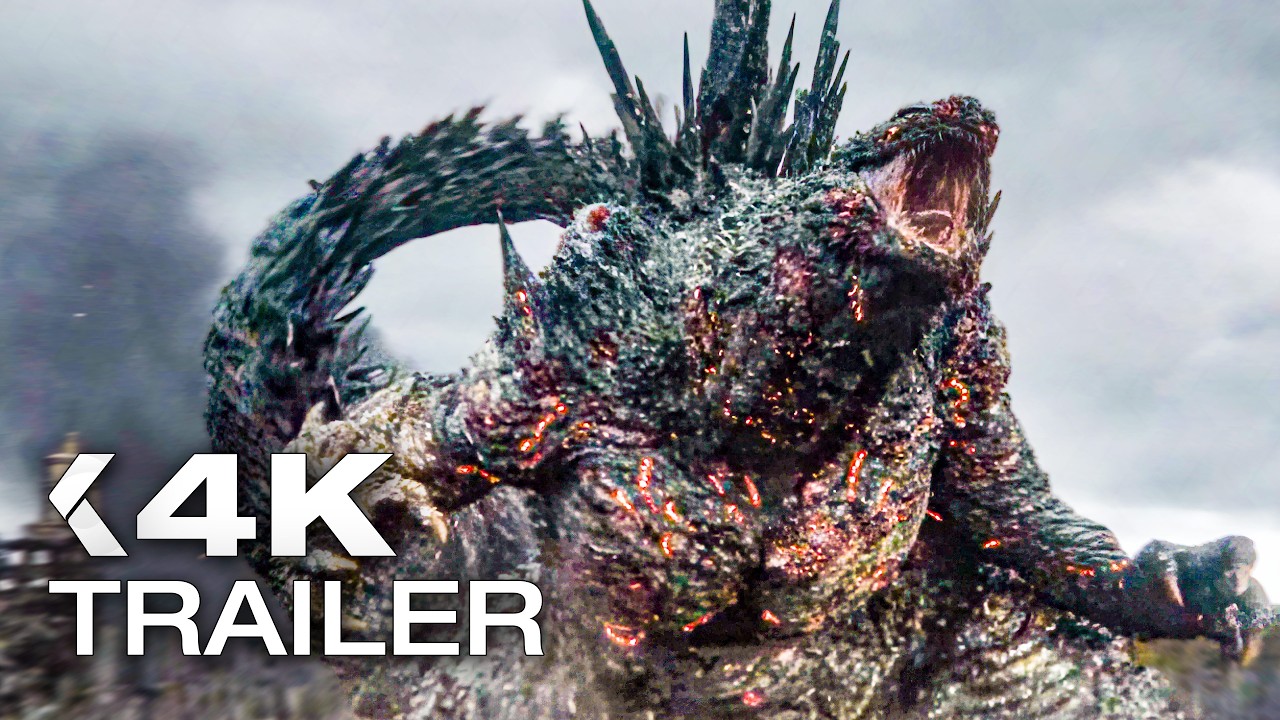
In 2024, filmmaker Takashi Yamazaki, director and writer of Toho's 2023 film Godzilla Minus One, spoke favorably of the 1998 film. He felt that on its own merits, the 1998 film is "fun" and "quite well executed" and was technologically a huge achievement but understood why some are hesitant to consider it part of the franchise. Yamazaki also refuted the misconception that the 1998 film was allegedly responsible for the franchise's box office decline in Japan, stating "it had been in decline for years" by the time that the 1998 film was released.
Accolades
The film was nominated and won several awards in 1998–99. Furthermore, it was screened out of competition at the 1998 Cannes Film Festival. Godzilla would later rank in the listed bottom 20 of the Stinkers' "100 Years, 100 Stinkers" list, which noted the 100 worst movies of the 20th century, at #18.
Post-release
Cancelled trilogy
TriStar planned to produce a Godzilla trilogy upon acquiring the Godzilla license in 1992. Emmerich had considered using the Monster Island concept from the Toho films with the intention of creating something wild, as well as including six or seven monsters, stating, "We'll probably come up with other monsters because we don't want to tie ourselves too much to certain things". Prior to the 1998 film's release, Sony felt confident enough with the potential box office success that they paid Toho $5 million for sequel rights, which guaranteed them to produce a sequel within five years following the first film's release, so long as it was in active development. Devlin had confirmed plans for a trilogy, stating, "We have a Godzilla trilogy in mind. The second one is remarkably different from the first one, and if it's embraced, a third one would make a whole lot of sense. I don't see us doing more than three, but I would love to finish out telling the story."
Emmerich and Devlin commissioned a treatment by Tab Murphy titled Godzilla 2. The sequel would have involved the surviving offspring battling a giant insect in Sydney. The studio abandoned sequel plans due to a lack of enthusiasm from fans, audiences, theater owners and licensees, and Emmerich and Devlin left due to budget disputes. Devlin stated, "They wanted to tailor it budget-wise, so it didn't make sense for us creatively." Devlin stated that they left the film with an open-ending in case the success allowed them to return for sequels. Despite Emmerich's comments that Sony was "absolutely ready" to produce a sequel, he later revealed that he advised the studio to not produce a sequel, stating, "It's so strange because people expected it to be the biggest thing ever, then it only did well. They are disappointed, and you have to defend yourself". Sony had considered a reboot with the new series disassociating itself from the 1998 film. However, TriStar let their remake/sequel rights expire on May 20, 2003.
Animated series
An animated series was produced as a sequel and aired on Fox Kids from 1998 to 2000. In the series, Dr. Niko "Nick" Tatopoulos accidentally discovers the egg that survived the aerial bombardment before it hatches, in a minor change from the ending in the 1998 film. The new Godzilla hatches after Nick stumbles onto it and it assumes him to be its parent. Subsequently, Nick and his associates form a research team, investigating strange occurrences and defending mankind from dangerous mutations with Godzilla, which grew to full size in a few days, serving as humanity's protector from the new threats.
Reboots
In 1999, Toho rebooted the Japanese series with Godzilla 2000, launching the franchise's Millennium series. Toho originally planned to revive the series in 2005 to commemorate the franchise's 50th anniversary. However, Toho chose to revive the series early due to popular demand, producer Shogo Tomiyama stated, "The shape of the American version of Godzilla was so different from the Japanese version that there was a clamor among fans and company officials to create a Godzilla unique to Japan."
Director Ryuhei Kitamura said he initially wanted to cast Reno in Godzilla: Final Wars, potentially reprising his role. Mixed martial arts fighter Don Frye instead appeared as a new character, Capt. Douglas Gordon.
In 2014, Legendary Pictures and Warner Bros. Pictures released their own Hollywood reboot of the same name. Producer Thomas Tull was adamant about keeping their Godzilla design consistent with the Toho version and expressed puzzlement as to why the crew behind TriStar's Godzilla drastically changed the design to the point that it was "unrecognizable." The film generated its own sequels that expanded into a shared-universe franchise titled the Monsterverse.