Reception
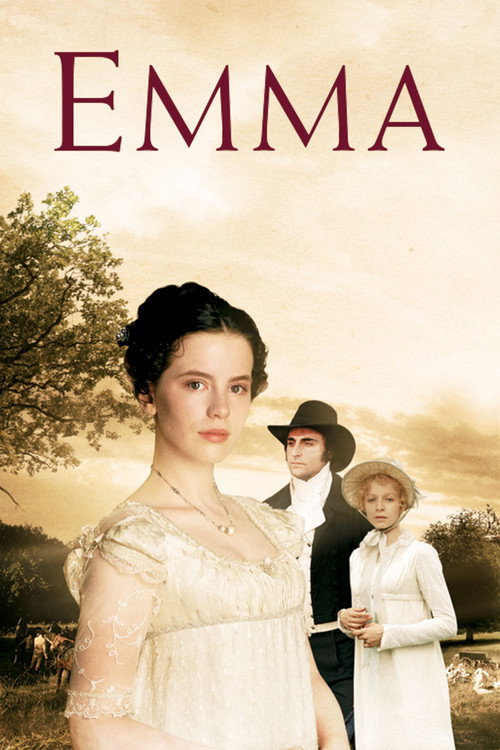
Many reviewers positively compared the TV drama to the 1996 feature film starring Paltrow. People's Tom Gliatto found it to be superior to the 1996 film, attributing this to Beckinsale's performance: "Paltrow played the part with a swanlike haughtiness. Beckinsale is vibrantly girlish and romantic. And she looks smashing in Empire-waist dresses." Gliatto also positively commented on Davies' script for "captur[ing] not just Austen's light charm but the pinpricks of her social criticism." Caryn James of The New York Times added that in a story with an unlikeable heroine, Beckinsale "walks [the] fine line beautifully... [She] is plainer looking than Ms. Paltrow's, and altogether more believable and funnier. She came to the role well prepared, after playing another socially self-assured comic figure in the recent film Cold Comfort Farm." James also lauded the screenplay for doing "a deft job of letting viewers pick up the social cues that Emma misses" and for indicating why Emma and Knightley are well-suited for each other.
Writing for The Washington Post, Megan Rosenfeld praised the production and especially saved positive comment for Beckinsale, whom she called perhaps "the best [Emma] of all" the previous adaptations of the novel. The actress, Rosenfeld opined, "looks at home in the dresses, cavernous houses and rolling countryside of Austen's 19th-century England, and yet seems modern in her alertness and in her way of not being intimidated by men. Her Emma gives you the confidence that any mischief she may get into can probably be undone." Gerard Gilbert of The Independent agreed, writing that Beckinsale "has the right mixture of sassiness, nosiness and self-satisfaction."
John Carman of the Los Angeles Daily News wrote that "at times, Emma seems to be a Melrose Place for the drawing-room set." He also noted it to be "scrumptiously filmed," calling it "a feast for the eyes and a balm for the heart." The Daily Herald gave a negative review, and believed it was the worst of the three versions released. The reviewer still praised it for being "natural, faithful and likable," but criticized Strong as miscast. Davies, remarked the newspaper, "has written a pithy, direct Emma that, unlike his script for Pride and Prejudice, clocks in at a fraction of the time it takes to read the book."

.jpg?width=400)